When you’re embarking on a road trip or spending time in your RV, one of the essential components you rely on is the RV battery. It powers everything from the lights and appliances to the heating and cooling systems. But just like any other piece of equipment, an RV battery has a finite lifespan. How long does an RV battery last, and how can RV battery suppliers ensure that their products stand the test of time?
This article will explore the average lifespan of an RV battery, the factors that influence its longevity, and what RV owners can do to maximize battery life. Additionally, we’ll discuss how RV battery suppliers can help improve the durability and performance of batteries for long-term satisfaction.

What Factors Affect the Lifespan of an RV Battery?
The lifespan of an RV battery can vary depending on several key factors. To get a better understanding of how long an RV battery lasts, it’s essential for RV battery suppliers and owners alike to consider the following aspects that influence battery health.
Type of RV Battery
The type of RV battery plays a significant role in determining how long it will last. Generally, there are two primary types of batteries used in RVs: lead-acid batteries and lithium-ion batteries.
- Lead-Acid Batteries: These traditional batteries typically last between 3 to 5 years, depending on how well they are maintained. They are more affordable but may require more frequent replacements.
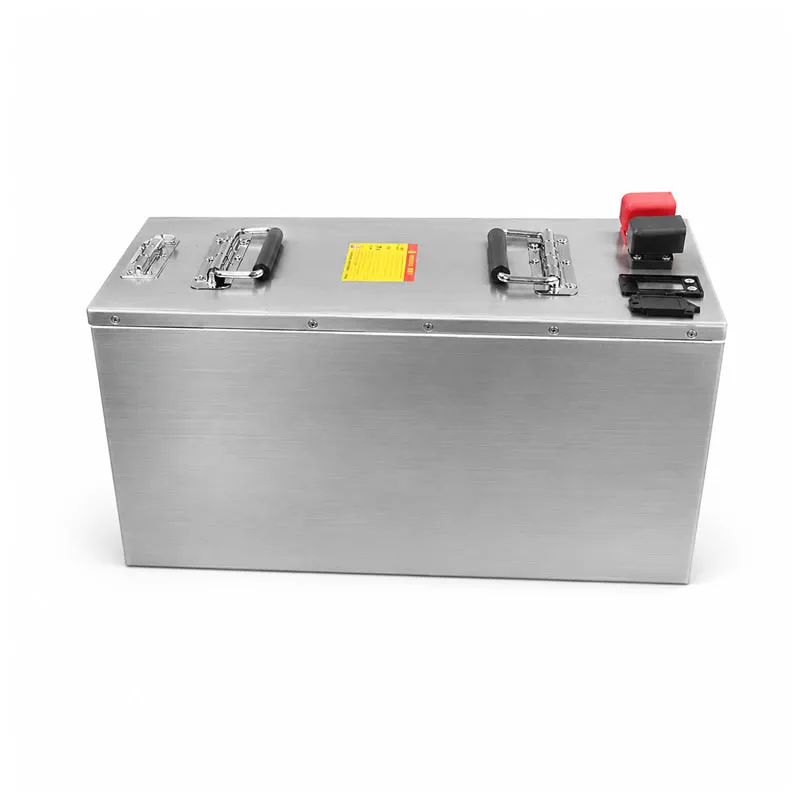
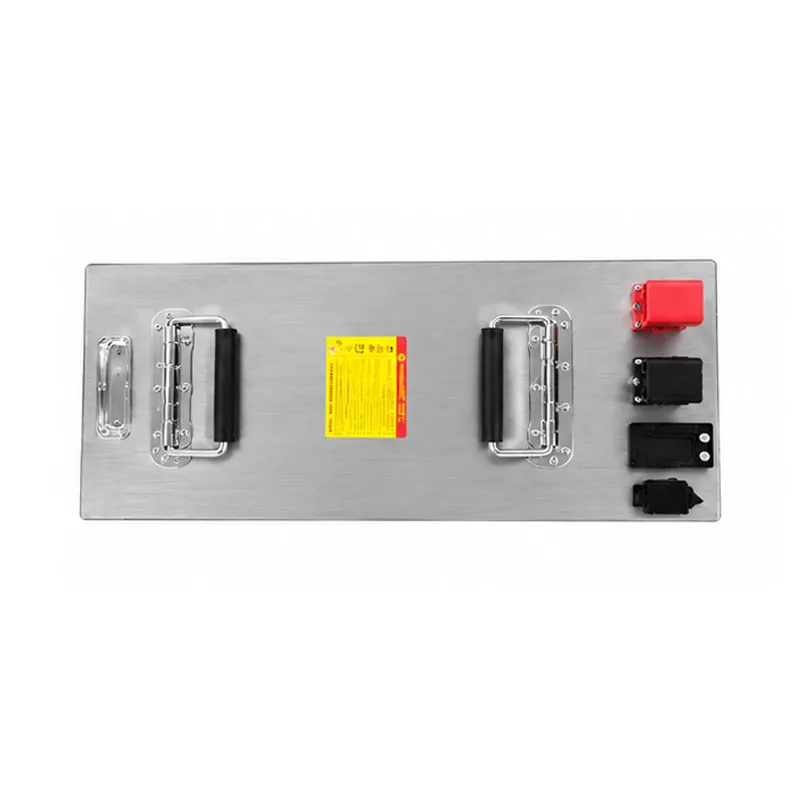
- Lithium-Ion Batteries: These batteries are more expensive upfront but tend to last significantly longer, often between 8 to 10 years. They also perform better in extreme temperatures and can be more energy-efficient.
Understanding the different types of RV batteries is crucial for determining how long your battery will last. For more detailed insights on the different types of RV batteries and their lifespan, check out this helpful guide on RV Lifestyle. For RV battery suppliers, it is important to offer a variety of options, from budget-friendly lead-acid batteries to premium lithium-ion models, to cater to different customer needs.
Usage and Maintenance
The way you use and maintain your RV battery can significantly impact its lifespan. For example, RV owners who frequently discharge their battery to low levels or allow it to sit unused for extended periods may see a much shorter battery life.
- Frequent Deep Discharges: Deeply discharging a battery on a regular basis can significantly reduce its lifespan. It’s important to avoid letting the battery fall below 50% charge whenever possible.
- Proper Maintenance: Regular maintenance, such as cleaning the battery terminals, checking the fluid levels (in the case of lead-acid batteries), and ensuring the battery is charged correctly, can help extend its life.
As an RV battery supplier, offering guidance on proper battery maintenance and even selling complementary products such as smart charging systems can help RV owners get the most out of their batteries.
Temperature Extremes
Temperature plays a crucial role in the performance and lifespan of an RV battery. Both extreme cold and extreme heat can shorten the life of the battery.
- Cold Weather: When temperatures drop below freezing, the battery’s internal chemical reactions slow down, making it less efficient. Lead-acid batteries are particularly vulnerable to freezing, which can cause irreversible damage.
- Hot Weather: High temperatures can cause the electrolyte fluid inside the battery to evaporate, leading to corrosion and ultimately shortening the battery’s lifespan.
For RV battery suppliers, offering customized solutions for different climates—such as batteries that are designed for extreme weather conditions—can make a significant difference in the longevity of the product.
Charging System and Power Usage
How the RV’s charging system operates can have a direct impact on the lifespan of the battery. A faulty charging system can result in overcharging or undercharging, both of which can shorten battery life.
- Overcharging: When a battery is consistently overcharged, it can overheat, leading to internal damage and a reduced lifespan.
- Undercharging: If the battery is not charged sufficiently, it can lead to sulfation, especially in lead-acid batteries. This condition occurs when the battery’s plates accumulate lead sulfate crystals, reducing its ability to hold a charge.
For RV owners, investing in a reliable and efficient charging system is crucial. RV battery suppliers can offer integrated charging solutions and provide guidance on how to optimize the RV’s electrical system to prevent these issues.

How Can RV Battery Suppliers Help Extend Battery Lifespan?
As an RV battery supplier, offering high-quality products is essential, but it’s also important to provide solutions and services that can help RV owners extend the life of their batteries. Here are some ways suppliers can improve the overall experience for their customers:
Offering OEM Solutions
OEM (Original Equipment Manufacturer) batteries are designed specifically for RVs, ensuring that they meet the vehicle’s unique power requirements. For RV battery suppliers, offering OEM solutions means providing batteries that are optimized for performance and longevity.
An OEM battery pack can be customized to fit the exact specifications of the RV, ensuring that it integrates seamlessly with the vehicle’s electrical system. This level of customization helps improve battery life by minimizing stress on the battery and ensuring that it charges and discharges properly.
Custom Battery Solutions for Specific RV Models
Every RV is different, and a one-size-fits-all battery solution may not be the best approach. By offering custom battery solutions, RV battery suppliers can cater to the unique needs of each customer. Custom battery packs allow RV owners to choose a battery that is specifically designed for their model, taking into account factors such as weight, power requirements, and available space for installation.
For suppliers, this can involve providing personalized consultations and designing bespoke battery packs that maximize performance and longevity for individual customers.
Integration of Smart Technology
Incorporating smart technology into RV battery systems is another way suppliers can enhance battery longevity. Smart charging systems, for example, monitor the battery’s charge level and adjust the charging process to prevent overcharging or undercharging.
In addition, RV battery suppliers can provide battery monitoring systems that allow RV owners to track the health and status of their batteries in real-time. This technology helps owners maintain optimal battery performance, ensuring that the battery lasts longer and performs better throughout its lifespan.
Providing Expert Guidance on Maintenance
Proper maintenance is key to extending the lifespan of an RV battery, and RV battery suppliers can play an important role in educating their customers. Offering maintenance tips and guidance can help RV owners keep their batteries in top condition.
For example, suppliers can provide advice on how to store batteries during the off-season, how to clean terminals and prevent corrosion, and how to perform basic troubleshooting when issues arise.
How Do Temperature and Weather Affect the RV Battery?
Temperature extremes—both hot and cold—can have a significant impact on the performance of an RV battery. Here’s how:
Cold Weather Effects
Cold temperatures can cause a battery to lose its charge faster, and in extreme cases, it can freeze. For lead-acid batteries, freezing can cause internal damage, rendering the battery useless. Lithium-ion batteries perform better in cold weather but are still affected by freezing temperatures.
Hot Weather Effects
High temperatures can cause the electrolyte fluid in the battery to evaporate, leading to damage and a decrease in the battery’s performance. Excessive heat can also increase the rate of chemical reactions within the battery, leading to faster degradation.
For RV battery suppliers, it’s essential to provide solutions for these weather-related challenges. Offering batteries that are designed to handle extreme temperatures and advising customers on the best practices for battery care in different climates can help prolong battery life.

How Can Regular Maintenance Increase the Lifespan of an RV Battery?
Proper maintenance is one of the most effective ways to ensure your RV battery lasts longer. Here are some maintenance tips that can extend the life of the battery:
Clean the Terminals
Cleaning the battery terminals regularly to remove corrosion will improve the electrical connection and prevent power loss.
Check the Charging System
Ensuring that the charging system is functioning properly is essential for preventing overcharging and undercharging, which can both shorten the lifespan of the battery.
Store the Battery Correctly
During the off-season, it’s important to store the battery in a cool, dry place and to keep it partially charged to prevent sulfation.