I. Introduction: Energy Challenges for Equipment in Extreme Environments
With the rapid development of technology, equipment has been widely used in various scenarios, from industrial production to outdoor sports, and from automotive electronics to aerospace. However, with the increasing diversification of application environments, the energy supply issue of equipment under extreme temperature conditions has become increasingly prominent. From high-latitude frigid regions to tropical high-temperature areas, and from polar scientific research equipment to monitoring instruments in tropical jungles, equipment in industries such as industry, outdoors, and golf courses is facing unprecedented temperature challenges. Traditional lithium batteries suffer from a 30% capacity drop below -20℃ and are prone to bulging and short circuits above 60℃, leading to frequent failures such as drone crashes, golf cart breakdowns, and industrial equipment shutdowns.
II. Temperature Dilemma of Traditional Lithium Batteries: Why Poor Performance in Extreme Environments?
(1) Low-Temperature Shortcomings: "Frozen" Ion Conduction and Capacity Drop
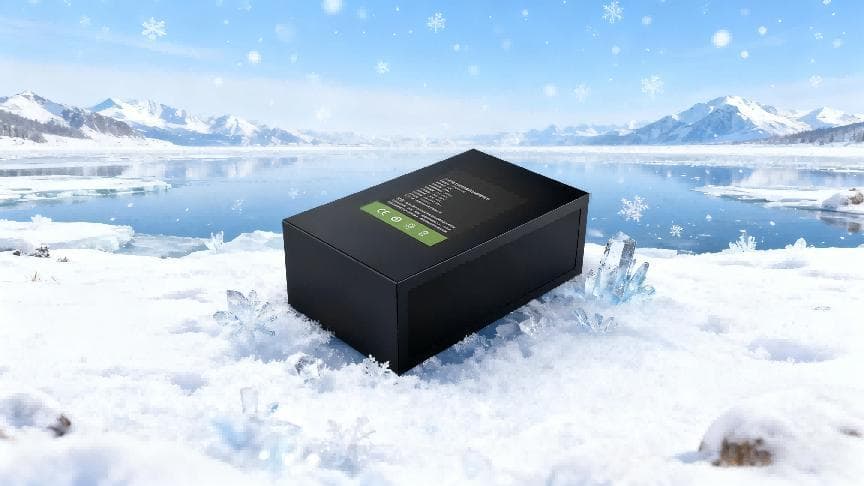
In low-temperature environments, the performance of traditional lithium batteries degrades severely as if “frozen”. When the temperature drops below -20℃, the viscosity of the electrolyte surges sharply, similar to honey becoming thick in a refrigerator, which reduces the migration speed of lithium ions by up to 60%. This hindrance to ion conduction directly leads to a significant decrease in the charge-discharge efficiency of the battery, just like vehicles moving slowly during a traffic jam. At the same time, graphite, as the negative electrode material, has reduced lithium intercalation capacity at low temperatures. Lithium ions that could smoothly intercalate between graphite layers become difficult to embed, resulting in a substantial reduction in battery capacity, which can only maintain 60% of that at room temperature. In winter in Northern Europe, outdoor monitoring equipment often misses crucial footage due to insufficient battery life of traditional lithium batteries at low temperatures, posing significant risks to security monitoring.
(2) High-Temperature Risks: Thermal Runaway and Cycle Life Attenuation
Once the temperature exceeds 60℃, traditional lithium batteries face new crises: the risk of thermal runaway and severe attenuation of cycle life. In high-temperature environments, the decomposition rate of the electrolyte accelerates, like an unstable chemical reagent undergoing rapid reactions. The lattice structure of the positive electrode material also becomes unstable, easily triggering thermal runaway—a highly dangerous situation that may cause the battery to catch fire or even explode. Data shows that the cycle life of traditional lithium batteries at 60℃ is only about 100 cycles, while wide temperature range batteries can reach more than 500 cycles. For solar energy storage equipment in Southern Europe that requires 24/7 operation, the short cycle life of traditional lithium batteries means frequent battery replacements, which is not only costly but also seriously affects the normal operation of the equipment, making it a fatal flaw.
III. Wide Temp Range Lithium Batteries: Industry Trends and Performance Advantages
(1) Industry Development Trends: Centered on Application Expansion and Standardization
The current development trends of wide temp range lithium batteries are highly consistent with market application needs and regulatory requirements, showing two core directions:
Application Scenarios Continue to Expand and Deepen
With the maturity of wide temp range technologies and the popularization of terminal equipment, the application of such batteries has broken through traditional fields and extended to multiple emerging industries, forming a multi-scenario demand matrix:
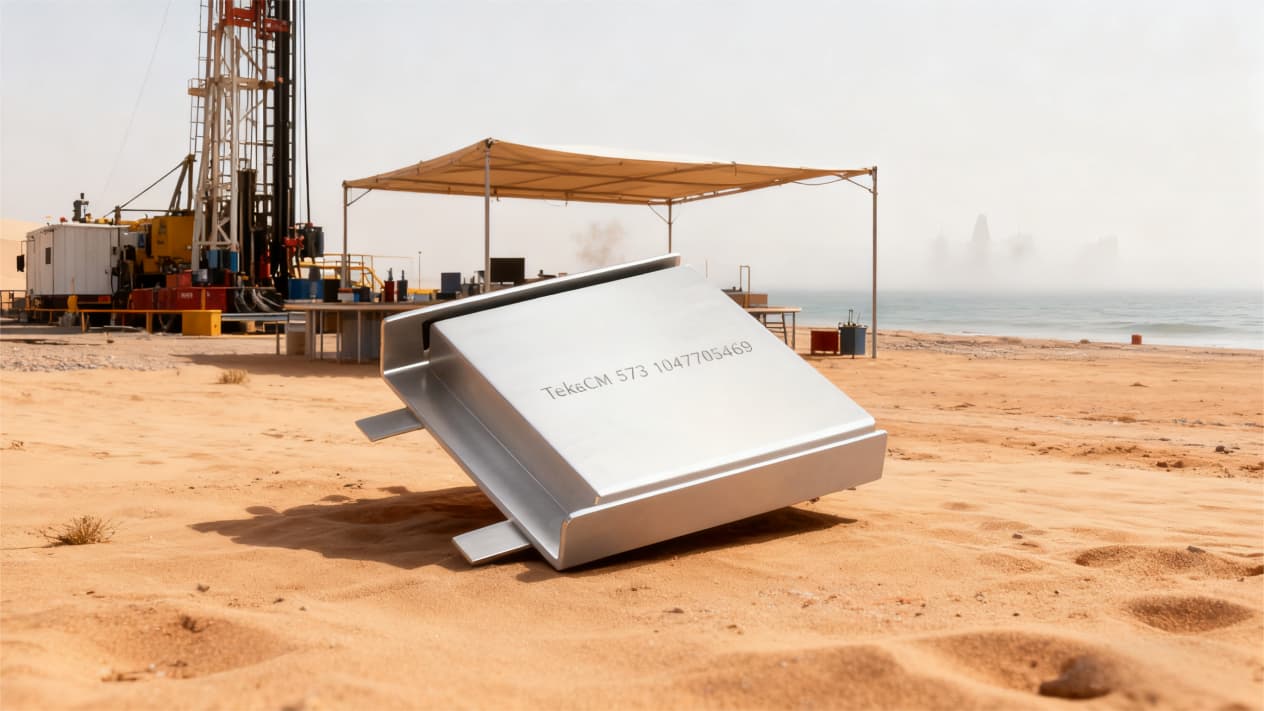
- Industrial & Energy Storage Field: It has become a core power source for extreme environment equipment, such as polar scientific research station energy storage systems, desert photovoltaic supporting energy storage devices, and high-temperature steel plant on-site monitoring sensors. These scenarios require batteries to stably operate in the range of -30℃~60℃, and the market size of related batteries maintains an annual growth rate of 25%. Taking desert solar energy storage as an example, the batteries need to withstand day-night temperature differences of up to 50℃ while ensuring 90%+ discharge efficiency.
- Outdoor Mobile Equipment Field: It has become a mandatory configuration for special environment equipment, including subtropical agricultural plant protection drones, high-latitude snow rescue robots, and plateau off-road vehicle emergency power supplies. Different scenarios have clear performance indicators: plant protection drones need to maintain more than 80% capacity at 40℃ high temperature; snow rescue robots require continuous working capacity for more than 6 hours at -30℃ low temperature.
- Medical & Cold Chain Field: Driven by public health security needs, it has been widely used in vaccine cold chain transportation and outdoor emergency medical equipment. For example, the battery of the vaccine refrigerated box needs to power the refrigeration system continuously for 48 hours at 45℃ high temperature; the outdoor emergency defibrillator battery must maintain standby capacity for 72 hours at -25℃.
(2) Performance Parameter Comparison: Core Advantages Surpassing Traditional Batteries
| Indicator | TraditionalLithiumBattery | WideTempRangeLithiumBatteryOEMSolution | AdvantageAnalysis |
| Operating Temperature Range | -20℃~60℃ | -30℃~60℃ | Covers most extreme temperature scenarios for industrial, outdoor, and medical equipment (avoids traditional batteries’ inefficiency below -20℃) |
| Low-Temperature Capacity Retention Rate (-30℃) | <50% | ≥80% | Meets the continuous operation needs of equipment in polar regions and high-latitude winter environments |
| High-Temperature Cycle Life (60℃) | <200 cycles | ≥500 cycles | Suitable for long-term energy storage in high-temperature regions (e.g., tropical outdoor equipment) without frequent replacement |
| Charging Temperature Range | 0℃~45℃ | -20℃~60℃ | Supports outdoor charging in winter in high-latitude regions and summer in tropical areas |
It can be clearly seen from the data that the wide temp range lithium battery OEM solution shows great advantages in key indicators such as operating temperature range, low-temperature capacity retention rate, high-temperature cycle life, and charging temperature range, and can meet the energy needs of equipment in various extreme environments in Europe and America.
IV. Full-Scenario Adaptation: Core Application Fields
(1) Industrial Equipment: Stable Power Source Under Extreme Working Conditions
Industrial equipment often needs to operate under extreme working conditions, which puts forward high requirements for the stability and battery life of the battery. The wide temp range lithium battery OEM solution has become a reliable power source for industrial equipment under extreme environments due to its excellent performance.
1. Polar Scientific Research Equipment
Polar observation stations are in a frigid environment of -30℃ all year round. Traditional batteries cannot work normally at such low temperatures, leading to frequent interruptions in the data collection work of meteorological stations. However, after adopting the wide temp range lithium battery OEM solution, the situation has been greatly improved. The wide temp range battery can still operate stably at -30℃, supporting the meteorological station to operate continuously for 30 days, and the data collection integrity rate has increased by 90%. This enables scientists to obtain more comprehensive and accurate meteorological data, providing strong data support for polar climate research and helping humans gain a deeper understanding of the polar environment.
(2) Drones and Robots: "Energy Heart" for Operation in Complex Environments
Drones and robots play an increasingly important role in modern agriculture, rescue and other fields, and they often need to operate in complex environments, which puts high requirements on battery performance. The wide temp range lithium battery OEM solution, like their “energy heart”, provides strong power support for their efficient operation in complex environments.
1. Agricultural Plant Protection Drones
Polar observation stations are in a frigid environment of -30℃ all year round. Traditional batteries cannot work normally at such low temperatures, leading to frequent interruptions in the data collection work of meteorological stations. However, after adopting the wide temp range lithium battery OEM solution, the situation has been greatly improved. The wide temp range battery can still operate stably at -30℃, supporting the meteorological station to operate continuously for 30 days, and the data collection integrity rate has increased by 90%. This enables scientists to obtain more comprehensive and accurate meteorological data, providing strong data support for polar climate research and helping humans gain a deeper understanding of the polar environment.
2. Snow Rescue Robots
In winter in high-latitude frigid regions, extreme cold weather of -35℃ is often encountered. Traditional batteries consume power quickly at such low temperatures, with seriously insufficient battery life, which brings great difficulties to snow rescue work. However, snow rescue robots equipped with the wide temp range lithium battery OEM solution can continuously operate for 8 hours at -35℃, which is twice that of traditional batteries. This greatly extends the golden rescue time, enabling rescuers to reach the accident site more timely, provide help for trapped people, save more lives, and provide reliable guarantee for snow rescue work.
(3) Medical Equipment: Safe Choice for Temperature-Sensitive Scenarios
Medical equipment is related to people’s life and health, and has high requirements for the stability and reliability of batteries in temperature-sensitive scenarios. The wide temp range lithium battery OEM solution has become a safe choice for medical equipment in extreme temperature environments due to its excellent performance.
1. Vaccine Cold Chain Transportation
In tropical ports, the temperature often exceeds 45℃, which poses a great challenge to the refrigerated box batteries in vaccine cold chain transportation. Traditional batteries are prone to rapid power loss at high temperatures, which cannot ensure the continuous power supply of refrigerated boxes, thus affecting the quality and safety of vaccines. However, the refrigerated box batteries adopting the wide temp range lithium battery OEM solution can maintain power supply for 48 hours at 45℃ (well within the 60℃ high-temperature limit), ensuring that mRNA vaccines are in a constant temperature environment of 2℃~8℃ throughout the process. This effectively ensures the activity and efficacy of vaccines, provides reliable energy guarantee for the safe transportation and storage of vaccines, and allows people to be vaccinated with confidence, protecting public health.
2. Outdoor Emergency Equipment
In winter in high-altitude mountainous areas, the temperature can drop to -25℃. Traditional batteries are prone to failure to start at such low temperatures, leading to the failure of outdoor emergency equipment to work normally, which seriously threatens the lives of patients. However, the defibrillator batteries equipped with the wide temp range lithium battery OEM solution can still stand by at any time at -25℃, ensuring that the defibrillator can start normally at critical moments and provide timely emergency treatment for patients. This greatly improves the success rate of outdoor emergency rescue, gains valuable time for saving patients’ lives, and becomes a reliable guarantee for outdoor emergency rescue.
V. OEM Customization
(1) Certification System Guarantee
Safety and Compliance: In the target market, safety and compliance are the primary prerequisites for products to enter the market. Our wide temp range lithium batteries have passed UL and CE EN certifications, which are strict tests on battery safety and quality. UL certification covers multiple rigorous tests such as short-circuit test, overcharge test, and squeeze test, ensuring that the battery can maintain safety performance under various extreme conditions and effectively reducing the probability of dangerous situations such as fire and explosion. CE EN certification focuses on the safety requirements of energy storage batteries and battery systems, conducts safety tests such as external short circuit, impact, and drop on battery cells and modules, and evaluates the function of the battery management system to ensure that the battery can operate safely and stably under various conditions. In addition, our batteries also meet the UN38.3 standard for air transportation. This standard requires lithium batteries to pass multiple tests such as altitude simulation, high-low temperature cycle, and vibration test before transportation to ensure the safety of lithium batteries during transportation. These certifications eliminate obstacles to import customs clearance and allow customers to import and use our products with confidence.
(2) Service Guarantee
Lifecycle Management: We have equipped the battery with an advanced BMS, which is like an “intelligent housekeeper” of the battery and can monitor the temperature and capacity of the battery in real-time. Through accurate monitoring and analysis of these data, the BMS can adjust the working state of the battery in a timely manner, avoiding the battery from working under abnormal conditions such as overcharging, over-discharging, and overheating, thereby extending the battery life by 20%. At the same time, the BMS can also provide battery status early warning function, allowing customers to prepare for battery replacement or maintenance in advance to ensure the stable operation of the equipment. For example, after an energy storage enterprise adopted our wide temp range lithium battery and supporting BMS system, the service life of the battery was significantly extended, and the maintenance cost was reduced by 30%, greatly improving the economic benefits of the enterprise.