If your truck starts fine one day and feels dead the next morning, you are probably dealing with more than bad luck. An overnight drain usually points to a parasitic draw, a charging problem, a weak battery, or a hidden load that stays on after the key is off. A truck battery company sees this pattern all the time, especially on trucks with alarms, inverter systems, dash cams, sleeper-cab electronics, or extra accessories wired in after purchase.
The tricky part is that the truck may seem normal during the day. The battery can test “okay” at rest and still lose enough power overnight to leave you stranded by morning. That is why a truck battery company does not just look at the battery itself. It also looks at wiring, relays, modules, temperature, charging history, and even how the truck is parked. A battery problem and a vehicle problem often look the same from the driver’s seat.
The good news is that overnight drain is usually solvable once you stop guessing. A truck battery company that understands real truck use can narrow the issue down fast, whether the problem is a failed battery, a stuck relay, a bad ground, or a device pulling current when it should be asleep. Once you know where the power is going, the fix usually becomes straightforward.
What is the auxiliary battery actually powering while the truck is parked?
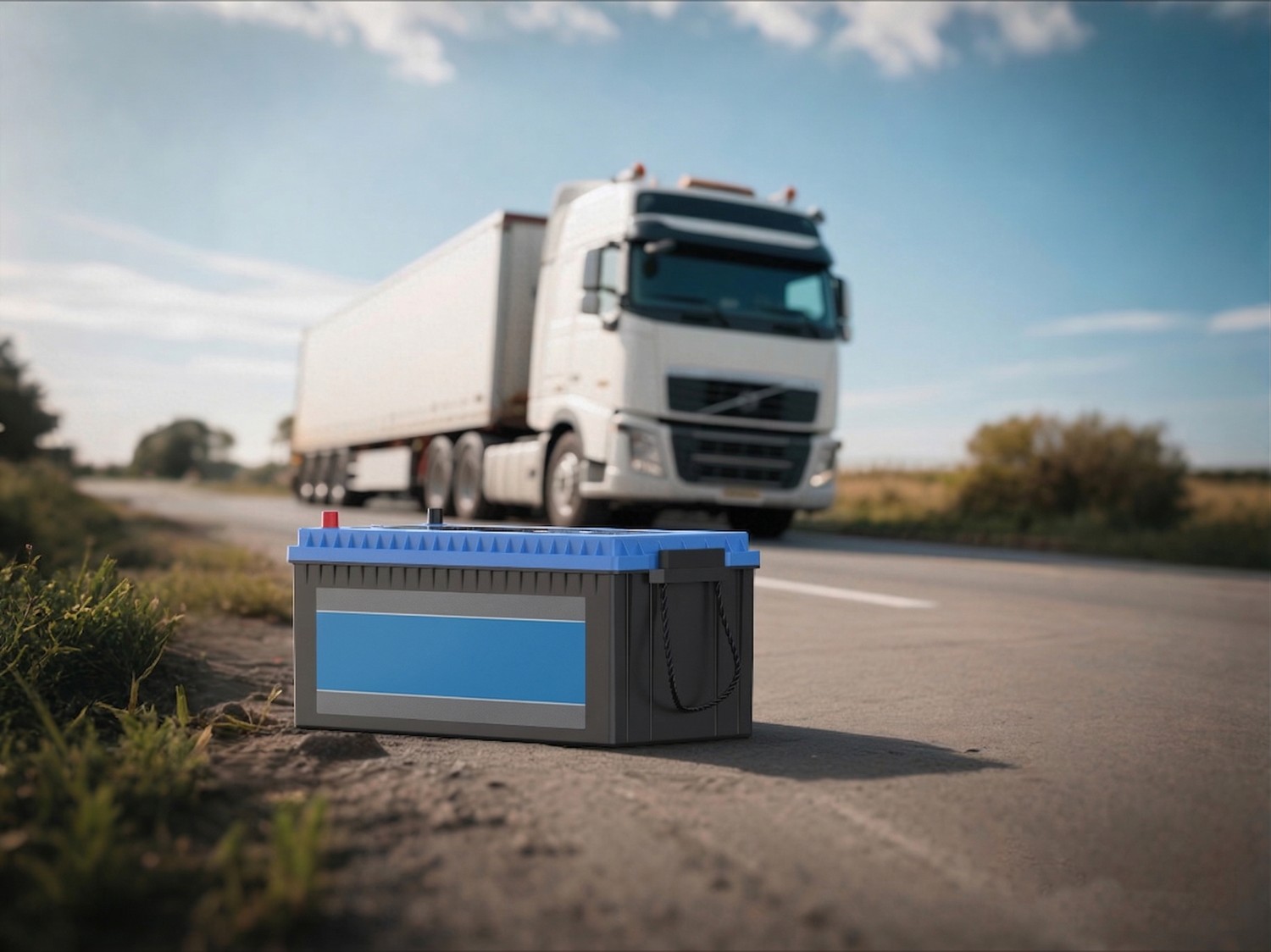
A lot of truck owners assume the auxiliary battery should be doing almost nothing once the engine is off, but that is not always true. On many modern trucks, the battery may still support security modules, telematics, memory settings, remote start systems, or aftermarket electronics. A truck battery company will often ask what has been added to the truck before testing anything else, because even one small device can create a steady drain over several hours.
The auxiliary battery may also be sharing duties with another battery in a dual-battery setup. If one battery is weaker than the other, the stronger battery can end up carrying more of the load, which makes the overnight loss look like a mystery. A truck battery company can test each battery separately, which is important because a paired system can hide a weak unit for weeks. When one battery ages faster, the whole system starts behaving oddly.
It also helps to remember that “parked” does not always mean “off.” Some trucks keep modules awake for a while after shutdown, and that delay is normal. But if the battery is draining hard by morning, a truck battery company will usually check whether the truck is actually entering sleep mode. If a module stays awake all night, the battery is being used in ways the owner never sees.
Could a small parasitic draw be the real culprit?
Yes, and this is one of the most common reasons a truck battery company gets called in. A parasitic draw is a small current that keeps flowing after the truck is off. A few milliamps may be normal, but a higher draw can empty an auxiliary battery surprisingly fast, especially if the truck sits overnight or for several days between uses. The size of the draw matters, but so does the size of the battery and its state of health.
The problem is that parasitic draw can come from many places. An interior light that stays on, a glove-box switch that does not close properly, a relay that never releases, or a module that refuses to go to sleep can all act like a hidden leak. A truck battery company usually starts with a current draw test because it is the fastest way to see whether power is leaving the battery when it should not be. The test can save hours of guesswork.
A good technician will also isolate circuits one by one. That matters because a truck battery company is not just trying to prove there is a drain; it is trying to find the exact circuit causing it. Once the circuit is identified, the repair may be as simple as a relay replacement, a fuse issue, or a wiring fix. When you hear people say they “replaced the battery three times,” the real problem was often parasitic draw all along.
Why does cold weather make the problem worse?
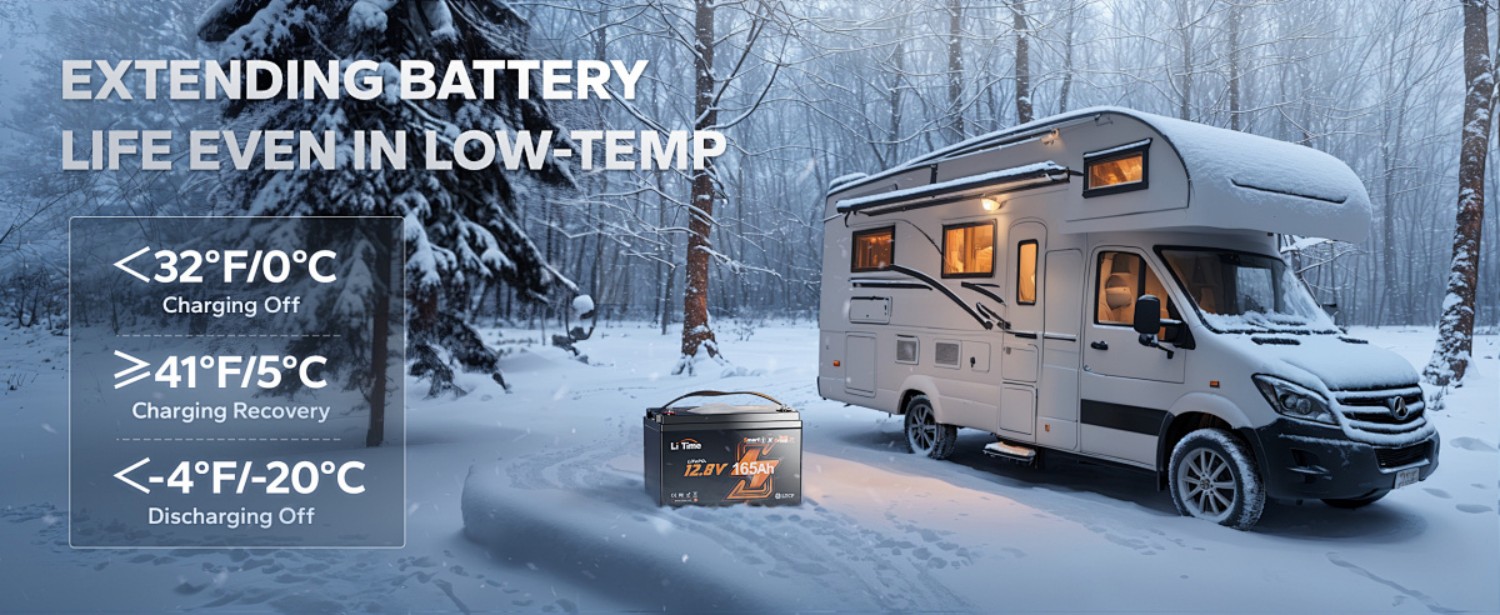
Cold weather can make a weak battery look completely dead. Even when the battery is not damaged, low temperatures slow chemical activity inside the cells, which reduces available power. A truck battery company will often see more overnight complaints in winter because a battery that was borderline in autumn becomes obvious in freezing weather. The truck still has some charge, but not enough to start cleanly in the morning.
Cold also increases the stress on the system. Oil gets thicker, the starter works harder, and the battery must deliver more current just to do the same job. If the auxiliary battery is already fading, the cold exposes it quickly. A truck battery company will often recommend testing the battery under load, not just checking open-circuit voltage, because a battery can read “full enough” and still fail when the temperature drops.
Storage conditions matter here too. If the truck sits outside overnight, the battery cools down more than it would in a garage. That alone can make weak connections or aging cells more obvious. A truck battery company that works with fleet vehicles knows that winter complaints are not always about the weather itself. Sometimes the weather just reveals a problem that was already there.
How do aftermarket accessories drain the battery without warning?
Aftermarket equipment is one of the biggest reasons a truck battery company gets called after an overnight failure. Dash cams, winches, alarm systems, LED light bars, inverters, refrigeration units, heated seats, and phone chargers can all create a hidden load if they are wired incorrectly or if they stay active when the truck is parked. Even a small device that draws a little power every hour can flatten an auxiliary battery by morning.
The issue is not always the accessory itself. Sometimes the problem is the way it was installed. A wire tapped into the wrong fuse location, a relay that never shuts down, or a ground tied into a noisy circuit can create a slow drain that is hard to notice during normal driving. A truck battery company often sees trucks where the battery was blamed first, but the real culprit was an accessory added months earlier.
This is why installers and owners should think about standby draw before adding new electronics. A truck battery company can help estimate whether a battery has enough reserve to handle a new load, especially if the truck already powers factory modules at night. For a clearer explanation of hidden battery drain, you can also read Interstate Batteries’ guide to parasitic draw:
https://www.interstatebatteries.com/blog/what-is-parasitic-draw
The best setup is the one that matches both the truck and the way you actually use it.

Can a bad alternator or charging system still cause overnight loss?
Absolutely. People often blame the battery first, but a truck battery company knows the charging system can create the problem long before the battery appears weak. If the alternator does not fully recharge the battery while driving, the battery may already be low by the time the truck is parked. That means a normal overnight load can finish it off, even if the drain itself is not very large.
Diodes inside the alternator can also fail. When that happens, current may leak backward after the engine is off, slowly draining the battery while the truck sits. A truck battery company will often test for AC ripple or abnormal charging behavior if the battery keeps dying without an obvious parasitic draw. In some cases, the alternator is not charging enough; in others, it is preventing the battery from resting properly at night.
Loose belts, corroded terminals, and weak grounds can also make the charging system behave badly. A truck battery company does not treat charging as a separate subject from battery health, because the two are linked. A battery that never gets fully charged will age early, and an alternator working against bad connections may never deliver the power the system needs. That is why overnight drain can start with a charging issue even when the battery itself is still serviceable.
Why do battery age and internal wear matter so much?
A battery that is near the end of its life can lose charge much faster than a healthy one. Internal sulfation, plate wear, and reduced capacity all make the battery more sensitive to normal overnight loads. A truck battery company will often test age, voltage recovery, and load performance before deciding whether the battery is truly bad. Sometimes the battery is not “dead”; it is just no longer able to hold enough reserve to survive the night.
Older batteries also behave unpredictably. One cell may be weaker than the others, so the battery can still crank the truck once or twice but collapse after sitting. A truck battery company usually pays attention to that pattern because repeated overnight failure is a classic sign of reduced reserve capacity. The battery may still pass a quick voltage check, but under real conditions it falls short.
Maintenance history matters too. Heat, vibration, loose terminals, and repeated deep discharge all shorten lifespan. A truck battery company will often find that a battery that seems to “die suddenly” was actually aging for months. If the truck is older, heavily modified, or used for work every day, battery wear becomes even more important. A weak battery and a small drain together can create the perfect overnight failure.
What tests should you run before replacing anything?
Before buying a new battery, start with a few basic checks. A truck battery company would usually begin by measuring resting voltage, checking the battery under load, and then testing for current draw with the vehicle asleep. Those three steps often tell the whole story. If the battery voltage is low after sitting, the problem may be a drain. If the battery voltage is fine but the battery collapses under load, the battery itself may be weak.
It also helps to inspect terminals and cables closely. Corrosion, looseness, or hidden cable damage can mimic battery failure. A truck battery company often finds that a bad connection is making the system look worse than it really is. A simple voltage drop test can reveal resistance in a cable or ground path. That is a much better approach than replacing parts at random.
If the truck has multiple batteries, test each one separately. A truck battery company will often explain that one weak battery in a dual setup can drag down the whole system. One battery may recover quickly while the other falls flat overnight. A proper test can show whether you need a replacement battery, a wiring repair, or both. The point is to diagnose first and spend later.
How can a truck battery company help you choose the right replacement?
A reliable truck battery company does more than sell a box with terminals. It helps you match battery type, reserve capacity, cranking performance, and charging compatibility to the truck’s actual needs. That matters because a pickup with a few accessories does not need the same solution as a long-haul truck, a service vehicle, or a diesel with heavy electrical demand. The wrong choice may work for a while and then fail under overnight load again.
A truck battery company should also ask about the truck’s usage pattern. Does it sit for days at a time? Does it run a sleeper cab or an inverter overnight? Does it carry extra lighting, a compressor, or a camera system? Those details change the answer. A truck battery company that understands real-world use will recommend a battery with enough reserve, not just enough label voltage. That is the difference between a quick fix and a lasting one.
When you compare options, pay attention to warranty, cycle life, and service support. A truck battery company can help you weigh the cost of a premium battery against the cost of repeat replacements and towing. If you are looking for a practical place to start, a trusted truck battery company should make technical information easy to find, not bury it. The best replacement is the one that solves the overnight problem and stays reliable after the first cold snap.
What habits keep the battery from dying again?
Small habits make a bigger difference than most drivers expect. If the truck sits overnight or for several days, make sure nothing unnecessary stays plugged in. A truck battery company will often tell owners to check dash cams, chargers, inverters, and accessory switches before walking away from the truck. It sounds simple, but forgotten loads account for a lot of dead batteries.
Regular maintenance also helps. Keep terminals clean, check cable tightness, and watch for slow cranking or dim lights before the battery fails completely. A truck battery company may recommend occasional voltage checks, especially if the truck is used in extreme weather or for short trips only. Short trips do not give the alternator much time to recharge the battery, so the truck can slowly fall behind even if it starts every day.
If your truck has an auxiliary battery, a battery isolator or smart charging system may help prevent one battery from draining the other. A truck battery company can advise whether that makes sense for your setup. For trucks that sit often, a quality maintainer may also be worth using. The goal is simple: keep the battery charged, keep the wiring clean, and keep the hidden loads under control. Those three habits solve more overnight failures than people realize.
When is it time to replace the battery instead of chasing another fix?
There comes a point when testing starts to cost more time than the battery is worth. If the battery is old, fails load testing, loses charge quickly, and still drains after the wiring has been checked, replacement is probably the best move. A truck battery company will usually look at the whole picture: age, performance, charging history, and the number of times the battery has already gone flat. When all the signs point in the same direction, replacing the battery is often cheaper than keeping the truck out of service.
You should also think about reliability, not just startup. If the truck is needed for work, a battery that dies overnight can cost far more than the battery itself. A truck battery company understands that downtime matters. That is why many owners choose to replace a borderline battery before it leaves them stranded again. If the truck is part of a fleet or used in remote areas, that decision becomes even easier.
The last thing to remember is that not every overnight drain is dramatic. Some are slow, steady, and easy to overlook until the truck will not start at all. A truck battery company can help you get ahead of the problem, but the clues are usually already there: weaker cranking, lower resting voltage, more frequent jump starts, or accessories that never fully shut off. Once those signs show up together, the battery is usually telling you it has reached the end of the road.