Can You Replace an RV Lead Acid Battery with Lithium? 7 Essential Checks Before Upgrading
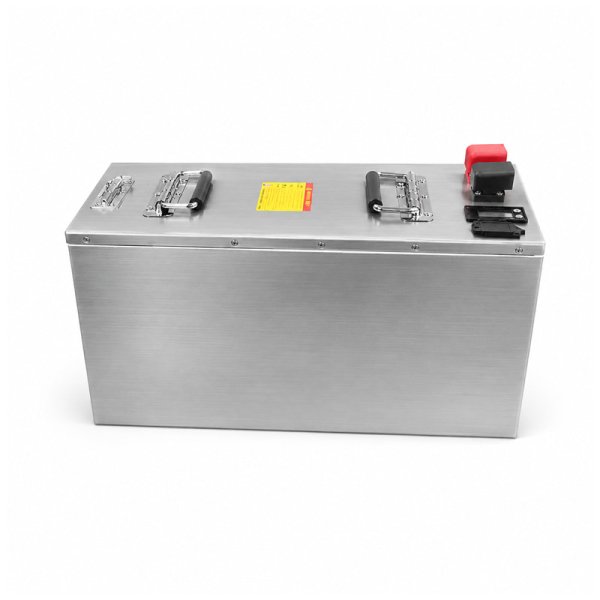
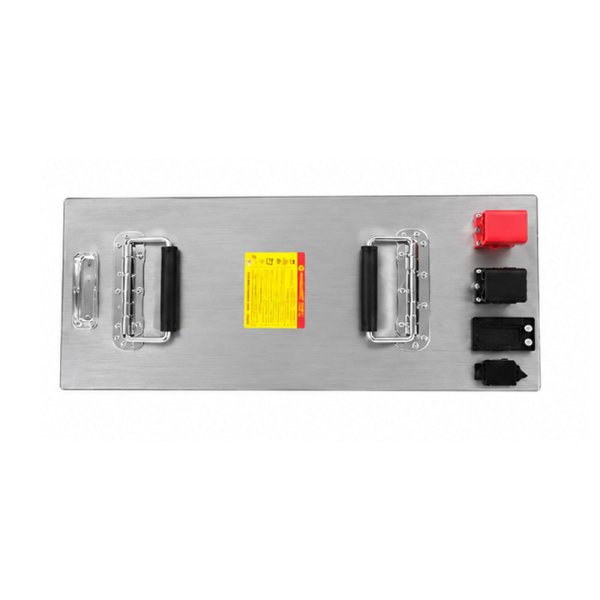
Replace RV lead acid battery with lithium safely by checking your charger, solar controller, wiring, inverter, and real off-grid power needs first. If you want longer runtime, lighter weight, faster charging, and more reliable off-grid power, a lithium RV battery can be a practical upgrade for RVs, caravans, motorhomes, travel trailers, and leisure battery systems.
Can You Replace an RV Lead Acid Battery with Lithium Directly?
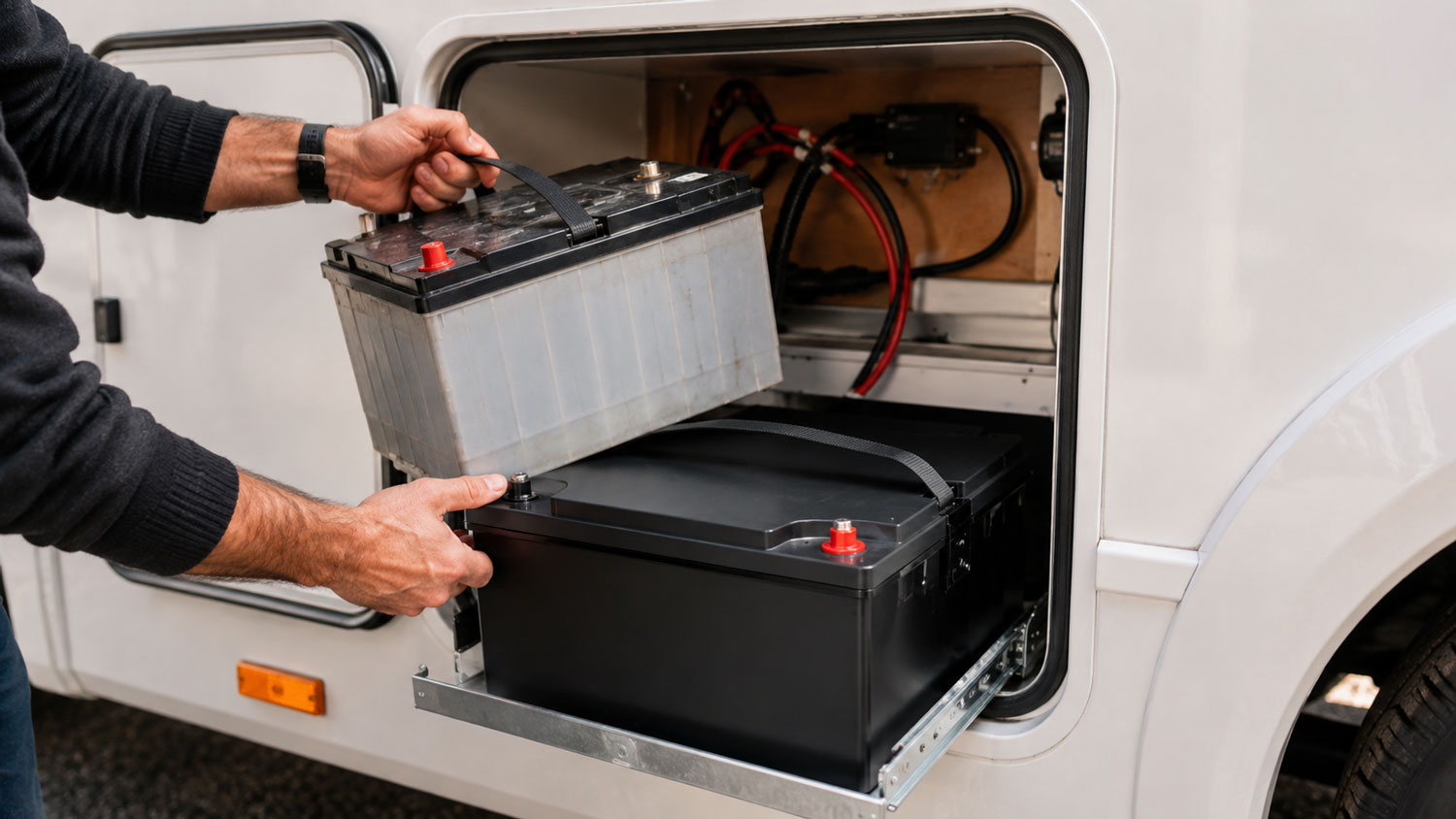
Many RV owners search for how to replace RV lead acid battery with lithium because they want more usable power, lower weight, and better off-grid performance. In many cases, the upgrade is possible, but it should not be treated as a simple battery swap. Even if both batteries are marked as 12V, lead-acid and lithium batteries have different charging requirements, discharge behaviour, and protection needs.
However, replacing an RV lead acid battery with lithium is not always as simple as removing the old battery and installing a new one. Even if both batteries are marked as 12V, their charging requirements and operating characteristics are different.
A lead-acid battery usually accepts a different charging profile from a lithium battery. Some older RV chargers are designed only for flooded, gel, or AGM batteries. If the charger does not have a lithium setting, it may not charge the lithium RV battery correctly. In some cases, it may undercharge the battery. In other cases, certain charging modes may not be suitable for lithium chemistry.
This does not mean the upgrade is difficult. It simply means the full power system should be checked before installation. The battery, charger, solar controller, DC-DC charger, inverter, fuse, cable, and battery management system should work together as one complete setup.
For most users, the best approach is to treat the upgrade as a system improvement, not just a battery replacement.
Why Are More RV, Caravan, and Motorhome Owners Switching to Lithium Batteries?
The biggest reason people want to replace an RV lead acid battery with lithium is usable power. A traditional lead-acid battery should not usually be discharged too deeply if you want to protect its lifespan. In real use, this means the usable capacity can be much lower than the rated capacity.
A lithium RV battery can usually provide more usable energy from the same rated capacity. For example, a 100Ah lithium battery may deliver more practical runtime than a 100Ah lead-acid battery, depending on the system design and discharge conditions.
Weight is another major reason. RVs, caravans, camper trailers, and motorhomes often have strict weight limits. Replacing heavy lead-acid batteries with lighter lithium batteries can help reduce total vehicle weight while improving power performance.
Lithium batteries also charge faster when paired with a proper charger. This is important for people who depend on solar panels, alternator charging, shore power, or generator charging during travel. Faster charging means less waiting and more time using your appliances.
Modern RV owners also use more electrical equipment than before. A basic setup may only need lights and a water pump, but many travellers now need power for refrigerators, fans, laptops, phones, inverters, coffee machines, diesel heaters, TVs, routers, and off-grid solar systems. A lithium RV battery can support these needs more effectively when properly sized.
For caravan and motorhome users who camp off-grid, a reliable battery system can directly affect comfort. It keeps the fridge running, supports lighting at night, powers communication devices, and allows more freedom away from powered campsites.
Do You Need a Lithium-Compatible Charger?
Before you replace RV lead acid battery with lithium, charger compatibility should be checked first. A lithium RV battery usually needs a LiFePO4 charging profile, while many older RV chargers are designed mainly for flooded, gel, or AGM lead-acid batteries. If the charger does not support lithium charging, the new battery may not charge fully or perform as expected.
If your existing charger is not lithium-compatible, the battery may not charge fully or efficiently. This can reduce performance and cause confusion for the user. The battery may seem “smaller” than expected simply because it is never being charged correctly.
When checking your RV charger, look for these details:
- Lithium or LiFePO4 charging mode
- Correct charging voltage
- Suitable charging current
- No automatic equalisation mode for lithium use
- Compatibility with the battery manufacturer’s specifications
If the charger cannot be adjusted for lithium, replacing the charger may be necessary. This adds cost, but it also helps the new lithium RV battery perform properly.
For businesses selling RV batteries, this point is very important. Customers often focus on battery capacity and price, but charger compatibility can decide whether the user has a good experience after purchase. A high-quality battery connected to the wrong charger may still perform poorly.
LiFePO4 charging requirements are different from lead-acid charging, so the charger profile should be checked before upgrading.

Is Your Solar Charge Controller Ready for a LiFePO4 RV Battery?
If your RV, caravan, or motorhome uses solar panels, you should also check the solar charge controller before you replace RV lead acid battery with lithium. A solar controller designed only for lead-acid batteries may not provide the correct charging profile for a LiFePO4 RV battery, especially in off-grid systems that depend heavily on solar power.
Many off-grid users depend on solar power to recharge their batteries during travel. If the solar controller was designed only for lead-acid batteries, it may not be ideal for a lithium RV battery because lithium batteries usually require more accurate charging voltage and current control.
A modern MPPT solar charge controller with lithium settings is usually preferred. MPPT controllers can improve solar charging efficiency and help make better use of available sunlight. This is especially useful for off-grid camping, long-distance touring, and remote travel.
Before replacing your RV lead acid battery with lithium, check whether your solar controller allows:
- Lithium battery profile selection
- Custom charging voltage settings
- Proper float voltage adjustment
- Suitable maximum charge current
- Battery temperature protection options
If your controller does not support lithium, you may need to upgrade it. This helps protect the lithium RV battery and improves charging performance.
For users who rely heavily on solar, this is not a small detail. A lithium RV battery can store energy efficiently, but only if the charging system is properly matched.
What Size Lithium Battery Do You Need for an RV, Caravan, or Motorhome?
When you replace RV lead acid battery with lithium, battery size should be calculated based on daily power consumption, not just the old battery label. A 100Ah lithium RV battery may provide more usable energy than a 100Ah lead-acid battery, but the right capacity still depends on your appliances, travel habits, solar charging, and how many days you want to stay off-grid. Choosing the right lithium RV battery size helps avoid both underpowered systems and unnecessary extra cost.
Start by listing the devices you normally use. Common RV and caravan loads include:
- 12V refrigerator
- LED lights
- Water pump
- Ventilation fan
- Phone charging
- Laptop charging
- TV or entertainment system
- Router or communication equipment
- Diesel heater
- Small inverter loads
- Coffee machine or kitchen appliances
A weekend traveller may only need a 100Ah lithium RV battery. A couple travelling for longer trips may prefer 200Ah. A larger motorhome, off-grid caravan, or inverter-based system may need 300Ah or more. The best lithium RV battery capacity should match real travel habits instead of only following the size of the old lead-acid battery.
A simple way to estimate your battery requirement is:
Daily power use × number of off-grid days = required usable capacity
For example, if your RV uses about 80Ah per day and you want two days of power without recharging, you need around 160Ah of usable capacity. In this case, a 200Ah lithium RV battery may be a practical choice.
With lead-acid batteries, you may need a larger rated capacity to get the same usable energy. This is one reason many people replace an RV lead acid battery with lithium. They want more usable power without adding more battery weight.
For commercial buyers, dealers, and RV manufacturers, it is useful to offer different capacity options. A 100Ah battery may suit light camping, while 200Ah or 300Ah options are better for longer off-grid travel.

Why Does the Battery Management System Matter?
A reliable Battery Management System is essential when you replace RV lead acid battery with lithium. Unlike a basic lead-acid battery setup, a LiFePO4 RV battery depends on the BMS to help protect against overcharge, over-discharge, over-current, short circuit, high temperature, low-temperature charging, and cell imbalance.
The BMS helps monitor and protect the battery during charging and discharging. It is not just an extra feature. It is a core safety and performance system.
A good BMS helps protect against:
- Overcharge
- Over-discharge
- Over-current
- Short circuit
- High temperature
- Low temperature charging
- Cell imbalance
When choosing a LiFePO4 RV battery, users should not only compare capacity and price. They should also check the BMS rating and protection functions.
This is especially important if the battery will power an inverter or high-current equipment. If the BMS discharge rating is too low, the battery may shut down when the load is too high. For example, running a microwave, coffee machine, or induction cooker through an inverter can require much higher current than basic 12V loads.
A reliable BMS also supports longer battery life. It helps keep the cells balanced and prevents unsafe operating conditions.
For RVs, caravans, leisure vehicles, and travel trailers, the battery may face vibration, heat, changing weather, and irregular charging sources. A strong BMS gives users more confidence during real travel conditions.
Should You Choose a 12V or 24V Lithium Battery?
Most RV, caravan, and motorhome systems use 12V batteries. Lights, pumps, fans, refrigerators, and many common accessories are designed around 12V power. For most people replacing an RV lead acid battery with lithium, a 12V LiFePO4 battery is the easiest and most practical option. In many standard RV power systems, a 12V lithium RV battery can work well with existing 12V appliances when the charger and protection settings are properly matched.
A 24V lithium battery may be useful for larger systems, higher-power inverters, or custom off-grid setups. However, switching from 12V to 24V is not just a battery change. It may require different chargers, inverters, DC-DC chargers, solar controllers, and appliance compatibility checks.
If your existing RV electrical system is built around 12V, staying with a 12V lithium RV battery is usually simpler. It reduces installation complexity and allows easier replacement of the old lead-acid battery.
A 24V system may make sense for more demanding applications, such as larger motorhomes, commercial vehicle power systems, or custom off-grid builds where high power output and reduced cable current are important. For most everyday travel needs, a lithium RV battery should be selected based on system voltage, appliance demand, and off-grid runtime.
For product pages, it is helpful to explain this clearly:
A 12V lithium RV battery is suitable for most RVs, caravans, camper trailers, and motorhomes.
A 24V lithium battery is better for larger energy systems or higher-power electrical setups.
This helps customers choose the right product instead of buying based only on capacity.

What Wiring and Inverter Checks Are Needed Before Upgrading?
When you replace an RV lead acid battery with lithium, the wiring and inverter setup should also be checked.
Lithium batteries can often deliver higher current more efficiently than lead-acid batteries. This is useful, but it also means the rest of the electrical system must be suitable.
Important areas to check include:
- Battery cable size
- Fuse rating
- Circuit breaker rating
- Inverter power demand
- Battery discharge current
- Terminal connection quality
- DC distribution board
- Grounding and protection devices
If you only run small 12V loads, your existing wiring may be enough. But if you plan to use an inverter for higher-power appliances, you need to be more careful.
For example, a 2000W inverter can draw a very high current from a 12V battery system. If the cables are too thin or the fuse is not correctly rated, the system may become unsafe or inefficient.
The battery should match the inverter, and the wiring should match the current. A strong lithium RV battery cannot solve problems caused by weak system design.
This is why professional installation is often recommended for larger upgrades. For simple replacements, experienced users may be able to handle the work, but for high-power systems, a qualified installer can help avoid mistakes.
Before choosing a lithium RV battery, always compare capacity, BMS protection, charging compatibility, and real travel power demand.
What Mistakes Should You Avoid When Replacing an RV Lead Acid Battery with Lithium?
The most common mistake is choosing a battery only by price. A low-cost lithium battery may look attractive, but if it has poor cells, a weak BMS, limited current output, or unclear technical support, it may not perform well in real travel use.
Another mistake is ignoring the charger. Many users buy a lithium RV battery but continue using an old lead-acid charger without checking compatibility. This can lead to poor charging results.
A third mistake is choosing the wrong capacity. Some users buy a 100Ah battery and expect it to power a full off-grid setup with a fridge, inverter, heater, lights, and multiple devices for several days. The battery may be good, but the capacity may be too small for the user’s lifestyle.
Other common mistakes include:
- Ignoring solar controller compatibility
- Forgetting to check inverter current demand
- Installing the battery in a poorly protected location
- Using cables that are too small
- Not securing the battery properly during travel
- Comparing only Ah ratings instead of usable energy
- Choosing a battery without proper low-temperature protection
- Assuming every lithium battery has the same quality
A lithium RV battery upgrade should make the power system more reliable, not more complicated. The best result comes from matching the battery with the real electrical demands of the vehicle.
A well-matched lithium RV battery can help support daily appliances, solar charging, and longer travel without relying on shore power.
Is a Lithium RV Battery Worth It for Off-Grid Travel?
For many RV, caravan, travel trailer, and motorhome owners, a lithium RV battery is worth it because it provides more usable energy, lower weight, faster charging, and longer service life.
The upfront cost is usually higher than lead-acid batteries, but the long-term value can be better for users who travel often or rely heavily on off-grid power.
A lithium battery is especially suitable for people who:
- Camp off-grid regularly
- Run a refrigerator for long periods
- Use solar panels
- Need reliable overnight power
- Want to reduce battery weight
- Use an inverter
- Travel in a caravan, motorhome, or campervan
- Want a longer-lasting deep cycle battery system
However, lithium may not be necessary for everyone. If you only use your RV a few times per year, mostly stay at powered campsites, and have very low power needs, a lead-acid battery may still be enough.
The better question is not whether lithium is always better. The better question is whether lithium fits your travel style and power demand.
If you need more reliable power, longer runtime, and better off-grid flexibility, replacing an RV lead acid battery with lithium can be a smart upgrade.
For many travellers, a lithium RV battery is not just a battery replacement but a complete power upgrade for off-grid comfort.
How Should You Choose the Right Lithium RV Battery?
The right lithium RV battery should be selected based on system compatibility, not just price or capacity.
Before buying, check:
- Battery voltage
- Battery capacity
- BMS current rating
- Charger compatibility
- Solar controller compatibility
- Inverter requirements
- Installation space
- Operating temperature range
- Cycle life
- Warranty and technical support
For most standard RV and caravan users, a 12V LiFePO4 battery is the most practical choice. For larger systems, a 24V battery may be more suitable.
If you are replacing an old AGM or lead-acid battery, make sure the new lithium battery can work with your existing system or plan the necessary upgrades. A proper setup can improve performance, safety, and long-term reliability.
For business buyers, RV dealers, caravan manufacturers, and battery distributors, offering clear product guidance is important. Customers need more than a battery specification sheet. They need to understand how the battery fits their RV, caravan, motorhome, or leisure vehicle power system.
A well-matched lithium RV battery can support lighting, refrigeration, water pumps, fans, solar charging, device charging, and off-grid comfort. That is the real value of the upgrade.
Is Replacing an RV Lead Acid Battery with Lithium the Right Upgrade?
Replacing an RV lead acid battery with lithium can be a strong upgrade for users who want more usable power, lighter weight, faster charging, and better off-grid performance. But before making the switch, it is important to check the charger, solar controller, wiring, inverter, battery size, BMS, and installation space.
A lithium RV battery is not just a new battery. It is part of a complete power system. When the system is designed correctly, a LiFePO4 RV battery can provide stable power for road trips, camping, remote travel, and long-term off-grid use.
Whether you call it an RV battery, caravan battery, motorhome battery, travel trailer battery, or leisure battery, the goal is the same: dependable energy when you are away from mains power.
If you want more usable power, lower weight, faster charging, and better off-grid performance, it can be a smart decision to replace RV lead acid battery with lithium. The key is to check the full system before upgrading, including the charger, solar controller, wiring, inverter, battery size, BMS, and installation space. With the right setup, a LiFePO4 RV battery can provide dependable power for RVs, caravans, motorhomes, travel trailers, campervans, and leisure battery applications.