
Contact Charging for Industrial Robots
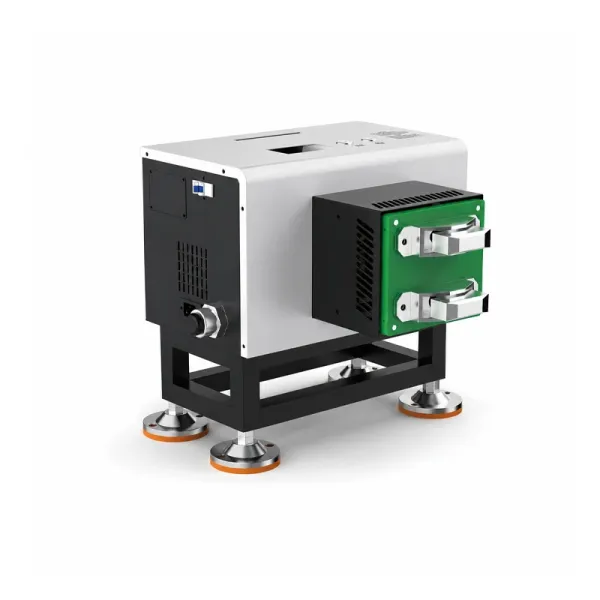
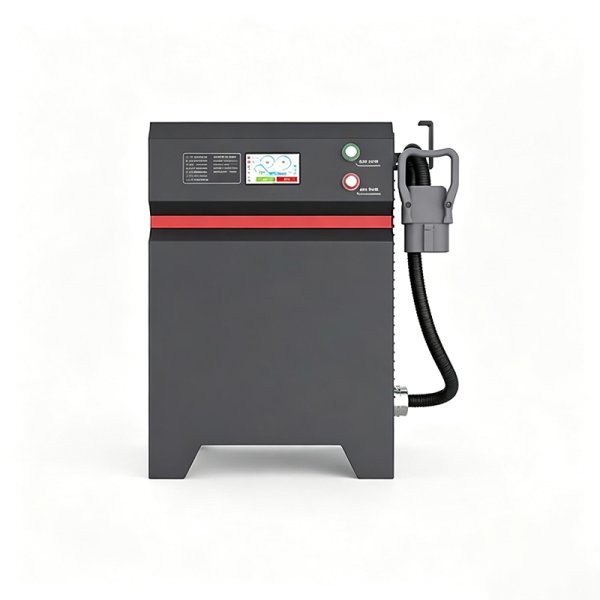
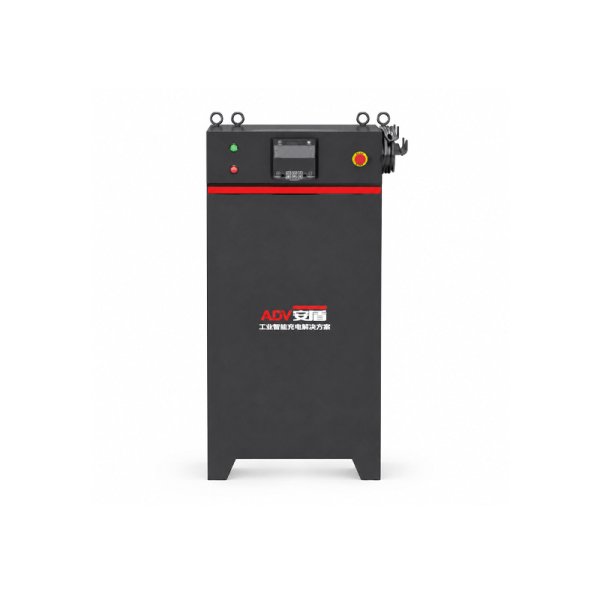
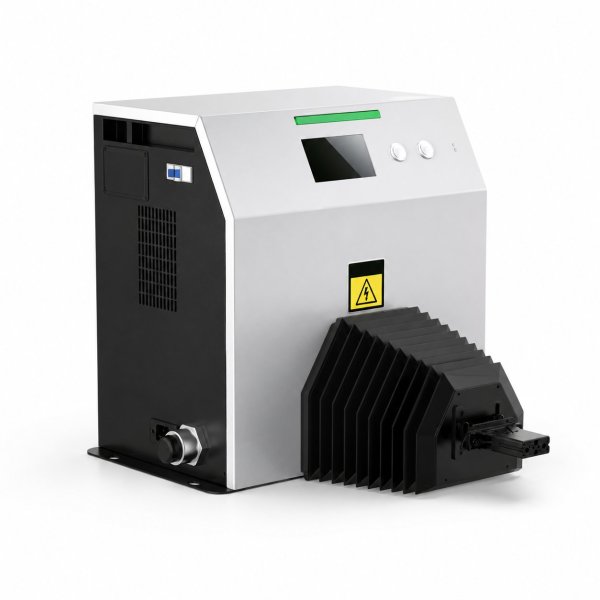
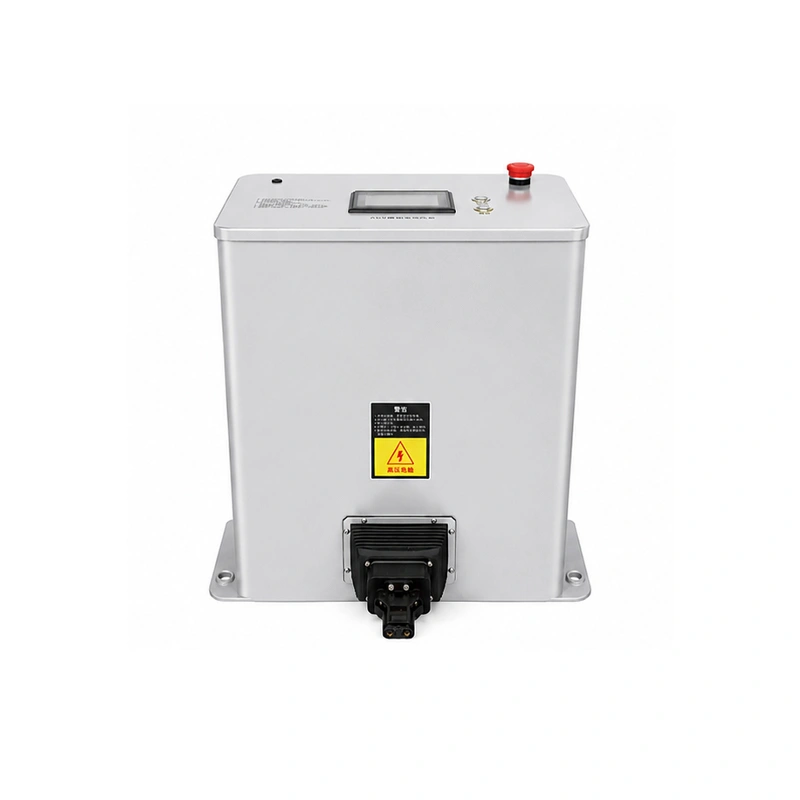
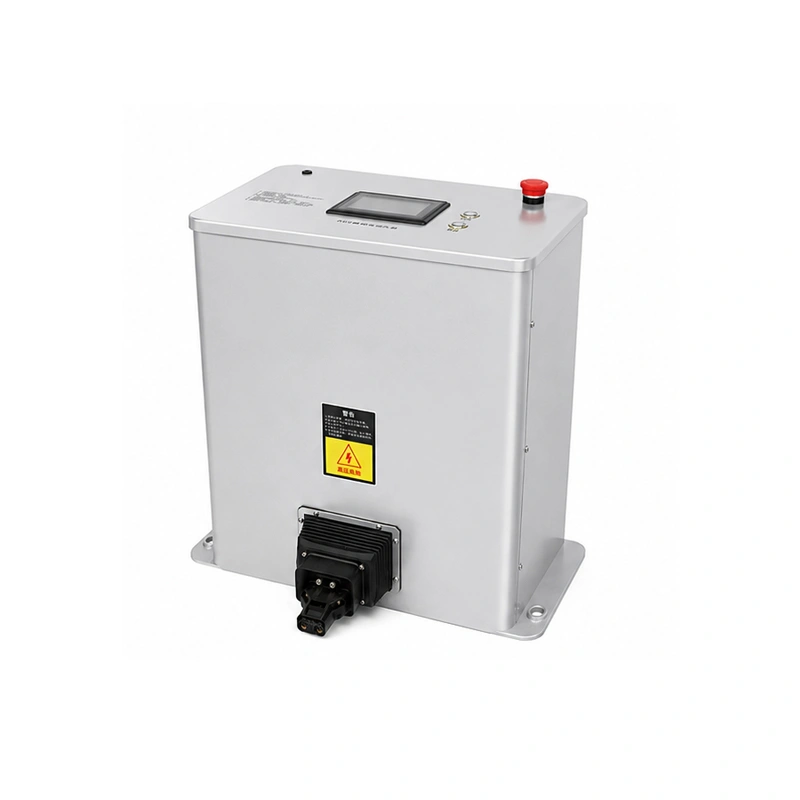
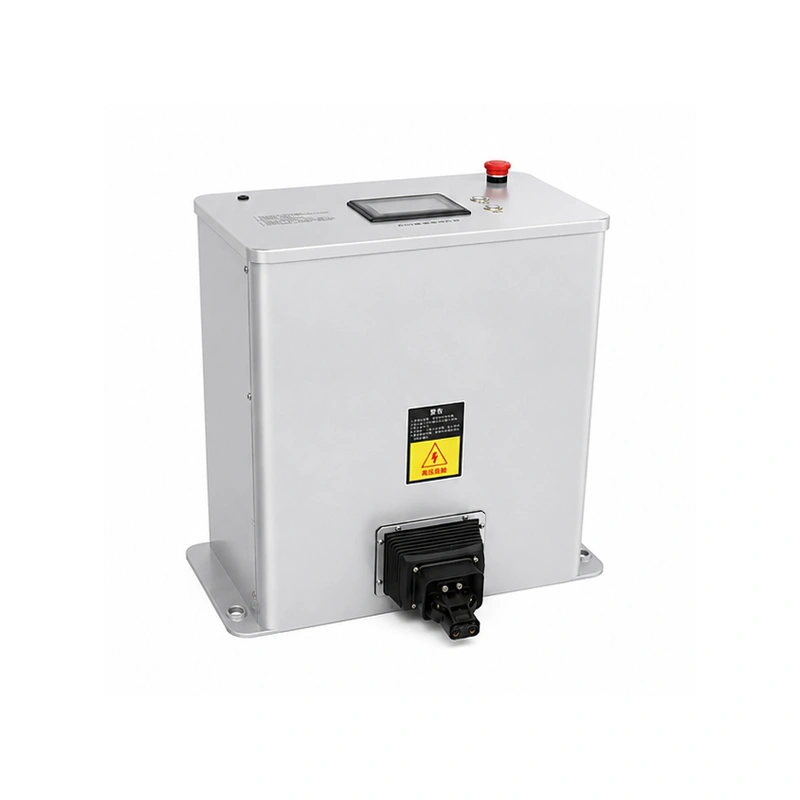
The contact charging station for robots uses a charger-side male connector for compatible robot-side female interfaces. This contact robot charger helps reduce repeated manual connection work and supports more standardized charging workflows across automated industrial robot projects.

48V Charging Platform Specifications
ATT4850MS uses AC 220V single-phase input and provides DC32–60V, 5–50A output. The contact charging station for robots gives integrators a defined electrical platform for matching 48V-class robot batteries while simplifying charger selection and system specification.

Reduce Docking and Integration Problems
For fleets requiring repeat charging, the robot docking charger helps address connector matching, limited charging time and installation constraints. Its contact-based architecture can simplify robot-to-charger interaction where a consistent robot docking station is needed for daily automated workflows.

Core Specifications
| Parameter | Specification |
|---|---|
| Model | ATT4850MS |
| Product Type | Contact charging station for robots |
| AC Input | AC 220V, single phase |
| Output Voltage Range | DC 32–60V |
| Output Current | 5–50A |
| Charging Interface | Charger-side male connector for robot-side female connector |
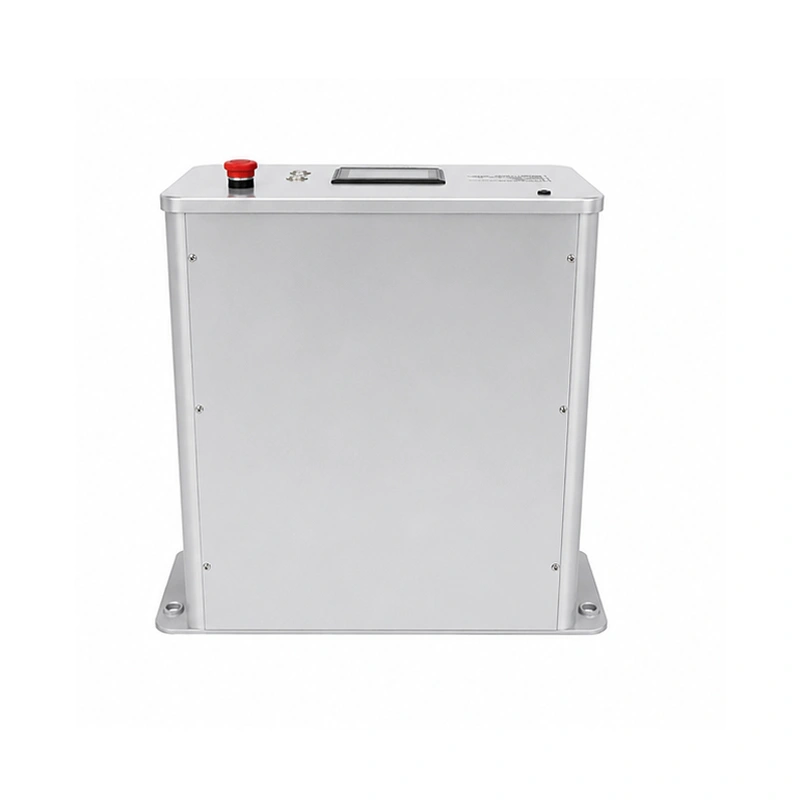
| Dimensions | 265 × 550 × 553 mm |
| Voltage Platforms | 48V-class robot battery systems |
| Typical Applications | Unmanned forklift trucks, sorting robots, lifting robots and compatible industrial robot platforms |
| Recommended Use | Automated material handling, logistics automation and industrial robot charging projects |
Practical Industrial Charging Design
The contact charging station for robots combines a dedicated charging interface with a 265 × 550 × 553 mm cabinet. This configuration supports practical installation and service access while giving B2B integrators a structured charging solution for compatible automated equipment.

Charging Across Robot Applications
This mobile robot charging station can support unmanned forklift trucks, sorting robots, lifting robots and other compatible industrial platforms. For AGV contact charging projects, battery voltage, current requirements and connector geometry should be verified before deployment.

From System Matching to Deployment
Before rollout, the contact charging station for robots should be matched to robot battery voltage, charging current and connector configuration. Project validation helps reduce compatibility risk and supports more reliable scaling from a single prototype to larger automated robot fleets.