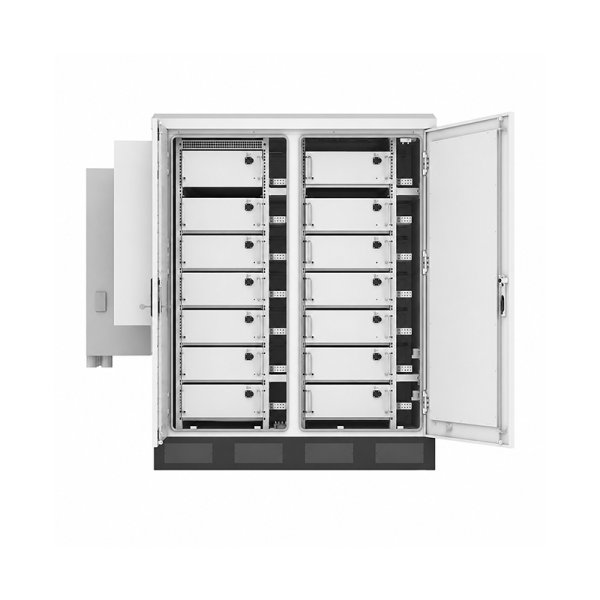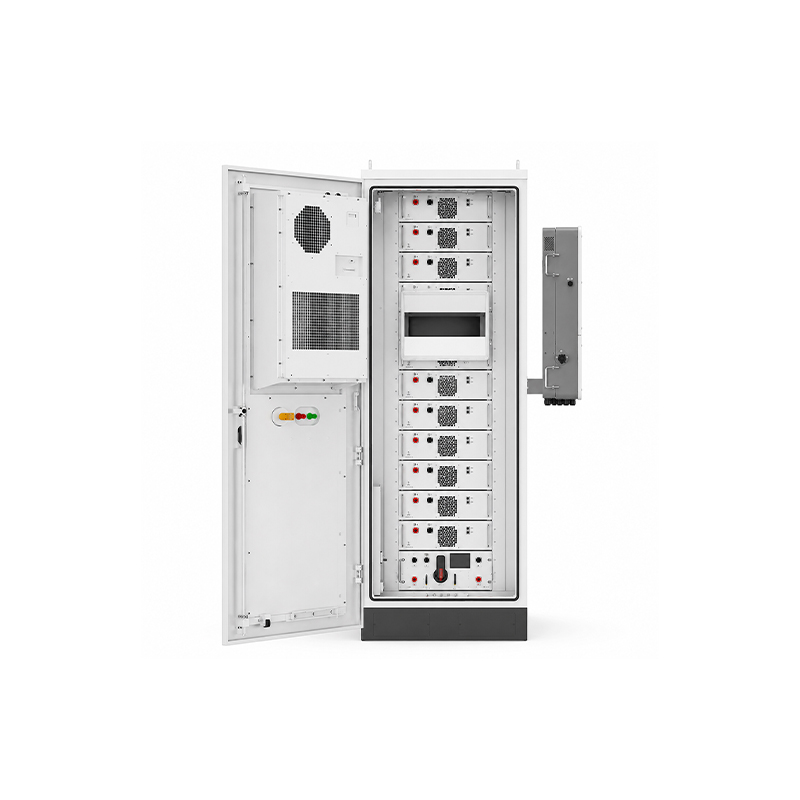
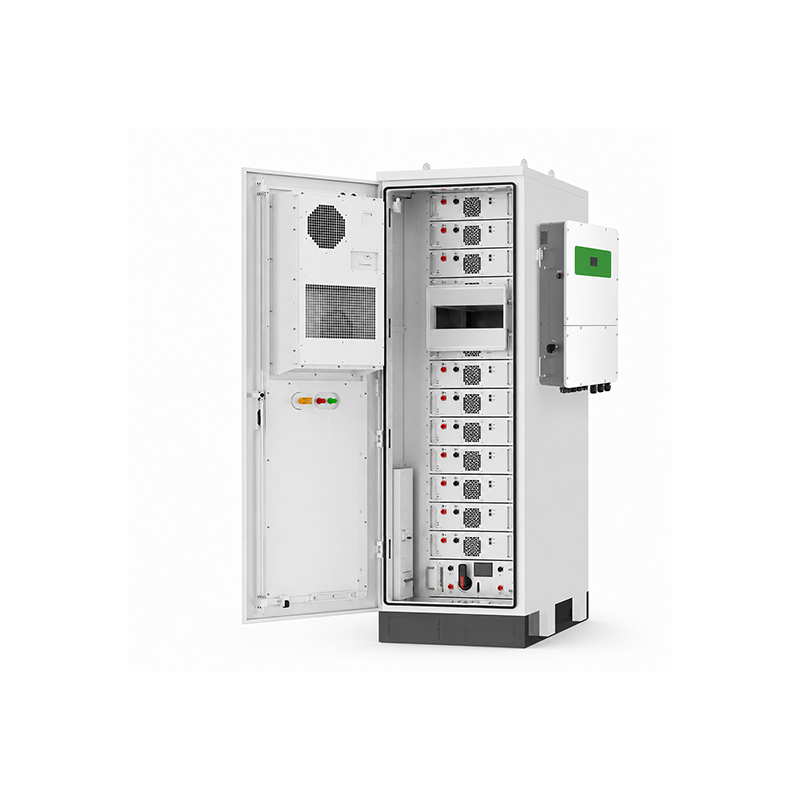
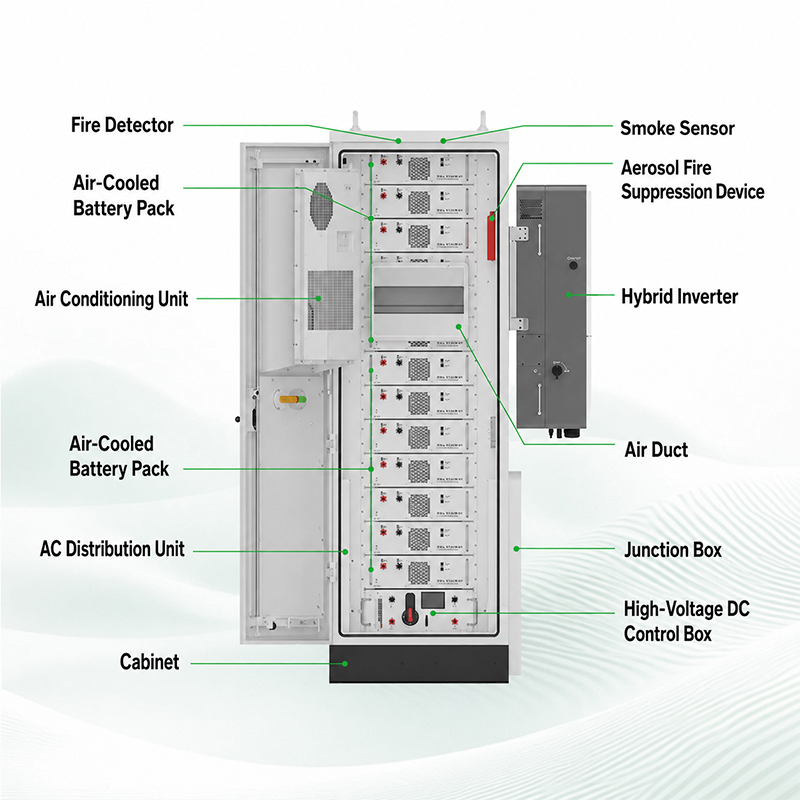
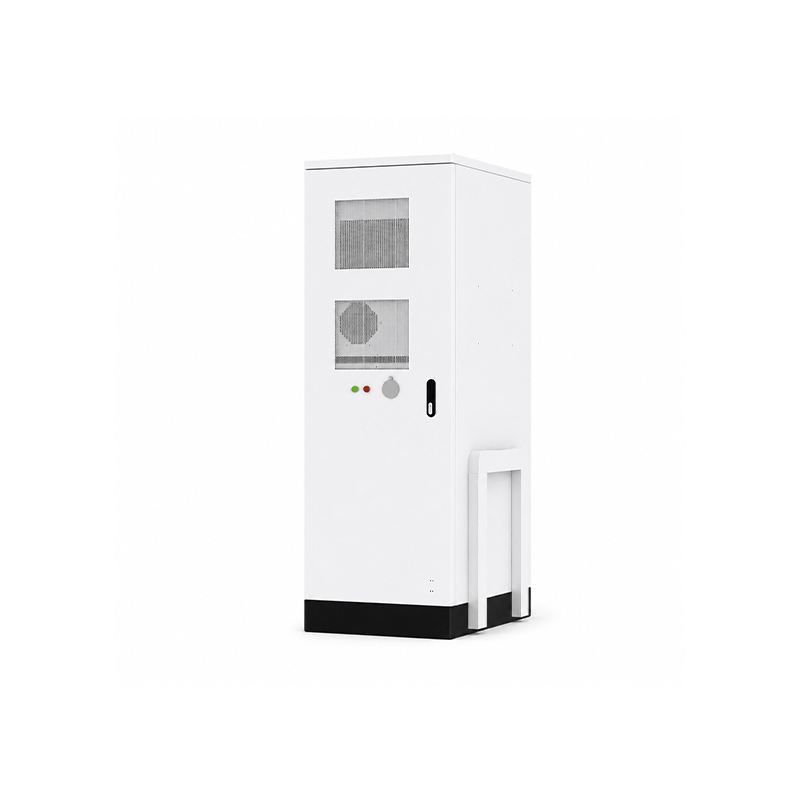
60kWh Commercial Energy Storage System
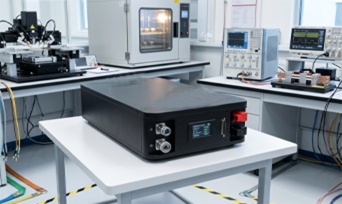
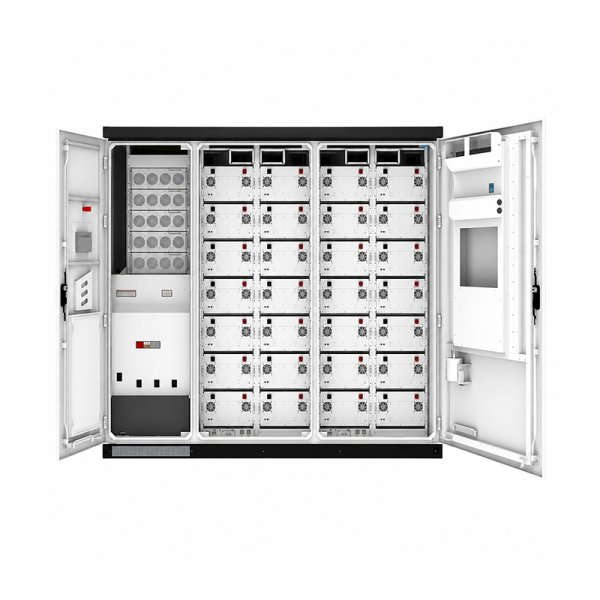
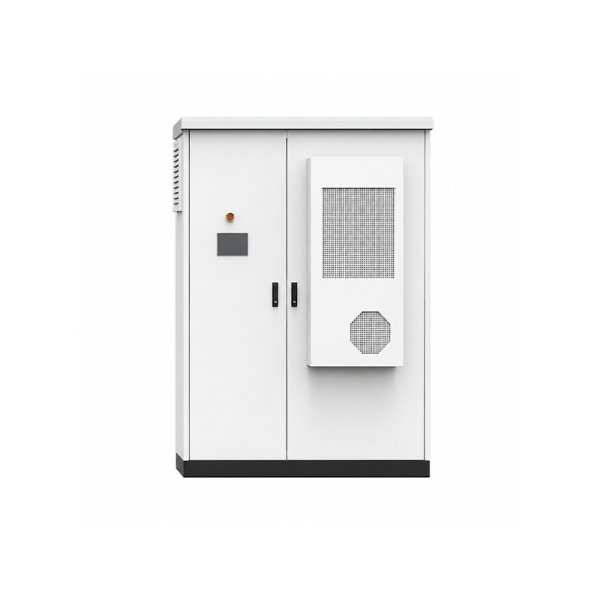
- 60kWh Commercial Energy Storage System: Designed for commercial and industrial power needs, this 30kW/60kWh energy storage system delivers reliable energy storage for factories, warehouses, office buildings, and backup power projects.
- Long-Life LiFePO4 Battery: Built with advanced LiFePO4 battery technology, the system offers excellent safety, stable performance, and long cycle life for dependable daily operation.
- Intelligent Safety Monitoring: Integrated BMS communication, real-time fault detection, temperature monitoring, and automatic alarm functions help improve system safety and operational reliability.
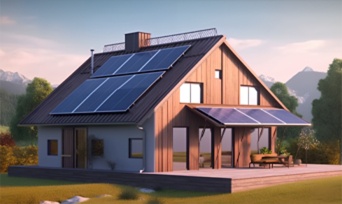
- Efficient PV & Grid Support: The system supports solar energy storage, grid-connected operation, and emergency backup power, making it suitable for businesses seeking smarter energy management.
- Commercial-Grade Cabinet Design: With a floor-mounted structure, protected enclosure, and scalable system design, this energy storage cabinet is ideal for flexible C&I energy storage applications.
30kW/60kWh Energy Storage Solution for Business Power
60kWh Commercial Energy Storage System is designed for commercial and industrial power needs, providing reliable energy storage for factories, warehouses, farms, commercial buildings, and backup power applications.
Built to Solve Critical Power Challenges
With LiFePO4 battery technology, intelligent BMS protection, and scalable cabinet design, the 60kWh Commercial Energy Storage System helps businesses improve power reliability and support daily energy management.
Power Storage for Commercial and Industrial Applications
The 60kWh Commercial Energy Storage System is suitable for solar energy storage, emergency backup power, factory power support, cold storage facilities, and small commercial energy projects.
Stable Performance in Harsh Temperature Conditions
Engineered for challenging environments, the system supports reliable operation across a wide temperature range. Its LiFePO4 battery chemistry, thermal management design, and safety monitoring functions help ensure dependable performance in both cold and high-temperature conditions.
How the Commercial Battery Energy Storage System Works
The system stores electricity from solar panels or the grid and releases power when needed. Through inverter control, BMS monitoring, and intelligent energy management, it helps businesses balance energy supply, support backup loads, and improve energy efficiency.
Certified for Safety, Reliability, and Global Compliance
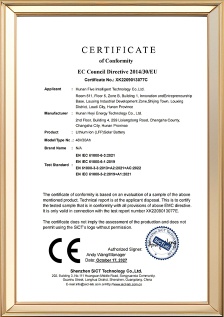
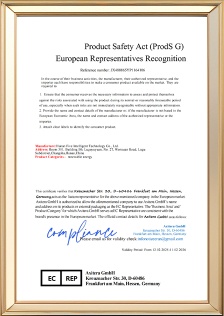
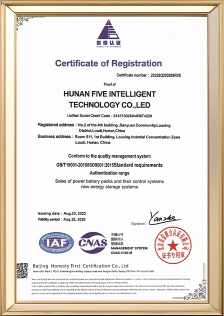
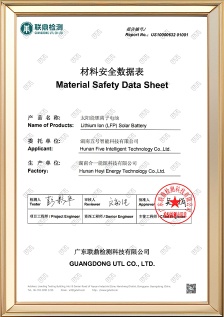
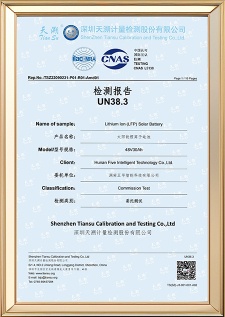
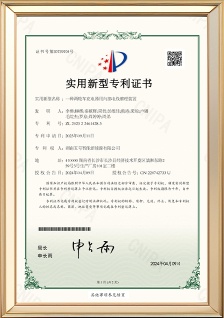
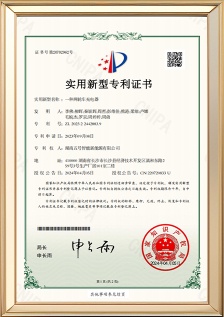
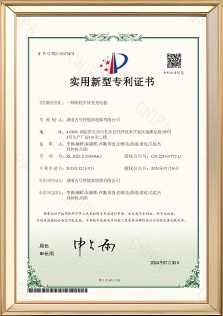
Built for commercial and industrial energy storage projects, this system is designed with multi-layer protection and internationally recognized safety standards. Certifications such as UL, IEC, CE, and UN38.3 help support safer transportation, installation, and long-term use.
Project Case Studies for C&I Energy Storage Applications
Our commercial and industrial energy storage systems have been used in factories, warehouses, energy projects, and business backup power applications. These project cases show how C&I battery storage can improve power reliability and support flexible energy management in real operating environments.
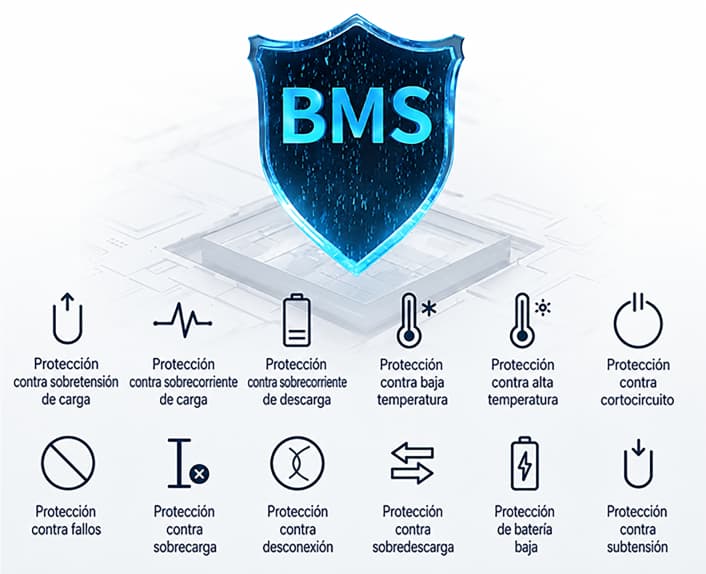
360° Safety: The "Sentinel" BMS
Advanced Smart BMS Protection
- Over-current protection
- Over-discharge protection
- Low-power protection
- High & low temperature protection
- Overload protection
- Short-circuit protection
- Automatic disconnection protection
Core Advantages
Deep OEM & ODM Customization


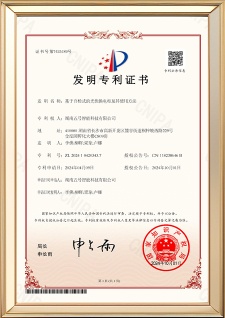
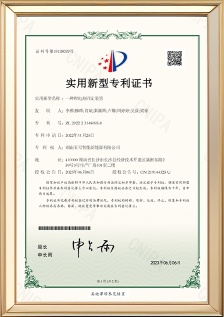
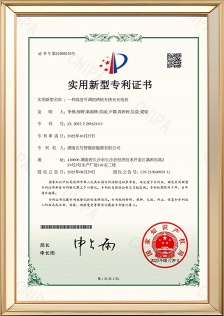
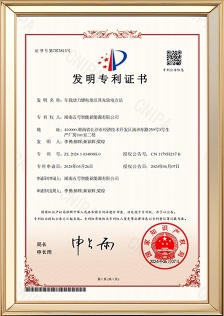
Certificate
Pre-integrated UN38.3, GPSR, CE, MSDS, ISO9001,and other certifications to shorten market access cycles
Wholesale Process
01.
02.
03.
04.
05.
06.
07.
08.
Quality Control
FAQ
Q1: How can commercial energy storage help reduce downtime during power outages?
A: A commercial energy storage system provides backup power when the grid becomes unstable or fails. It can support critical loads such as refrigeration equipment, production lines, lighting, control systems, pumps, and communication devices. This helps businesses reduce downtime, avoid operational losses, and keep essential equipment running during unexpected power interruptions.
Q2: Can commercial energy storage protect cold storage facilities from product loss?
A: Yes. For cold storage facilities, even a short power interruption can affect temperature control and cause product damage. Commercial energy storage can provide stable backup power for refrigeration systems, compressors, temperature monitoring equipment, and control panels. This helps maintain storage conditions and reduce the risk of spoiled goods.
Q3: Is commercial energy storage suitable for mining sites with unstable power supply?
A: Yes. Mining sites often face unstable grid access, remote working environments, and heavy equipment power demands. A commercial energy storage system can help stabilize power supply, support key electrical loads, and reduce the impact of voltage fluctuations or grid interruptions. It is especially useful for remote or industrial environments where reliable power is critical.
Q4: How can commercial energy storage help businesses lower electricity costs?
A: Commercial energy storage allows businesses to store electricity when power is available or when energy costs are lower, then use stored energy when demand is higher. When combined with solar power, it can also store excess solar energy for later use. This helps improve energy efficiency and reduce dependence on expensive grid electricity.
Q5: Can commercial energy storage work with solar power systems?
A: Yes. Commercial energy storage can be integrated with solar power systems to store excess solar energy generated during the day. The stored energy can be used at night, during cloudy periods, or when business power demand increases. This helps businesses make better use of renewable energy and improve overall energy independence.
Q6: What problems can commercial energy storage solve for factories and warehouses?
A: Factories and warehouses often need stable electricity for machinery, lighting, security systems, refrigeration, and daily operations. Commercial energy storage helps solve problems such as sudden power outages, unstable voltage, high energy demand, and limited backup power. It gives businesses a more reliable and flexible power solution.
Q7: Is commercial energy storage safe for commercial and industrial use?
A: Yes, when properly designed and configured. A reliable commercial energy storage system includes battery management, temperature monitoring, overcharge protection, over-discharge protection, short-circuit protection, and system-level safety controls. LiFePO4 battery technology is also widely used because of its strong thermal stability and long cycle life.
Q8: How do I know what capacity of commercial energy storage my business needs?
A: The right capacity depends on your daily power consumption, backup time requirements, equipment load, solar system size, installation environment, and future expansion plans. For example, cold storage projects usually focus on backup time and stable temperature control, while mining sites may require stronger load support and outdoor durability.
Q9: Can commercial energy storage support critical equipment during grid failure?
A: Yes. Commercial energy storage can be configured to support critical equipment such as refrigeration systems, production equipment, emergency lighting, monitoring systems, pumps, and communication devices. The backup time depends on the battery capacity and the total power demand of the connected loads.
Q10: Is commercial energy storage difficult to install and manage?
A: A well-designed commercial energy storage system is usually modular and easier to install, expand, and maintain. Many systems include intelligent monitoring, PCS control, BMS protection, and energy management functions. This allows businesses to monitor system performance, battery status, and energy usage more efficiently.
Q11: Can commercial energy storage be customized for different business needs?
A: Yes. Commercial energy storage systems can be customized based on project requirements, including battery capacity, PCS power, cabinet quantity, voltage configuration, communication protocol, cooling method, installation space, and application scenario. This makes the system suitable for different commercial and industrial environments.
Q12: What should businesses consider before choosing commercial energy storage?
A: Before choosing a commercial energy storage system, businesses should consider power demand, backup duration, critical load requirements, grid conditions, solar compatibility, installation space, operating environment, safety requirements, and future expansion needs. A professional system configuration helps ensure better performance, safety, and long-term value.
IGNITE YOUR COUNTRY'S LITHIUM BATTERY & ENERGY STORAGE MARKET WITH FEBATT


We have already successfully supported partners across multiple regions in achieving brand growth and increasing profitability. Whether you are a systems integrator, electrical distributor, or entrepreneur looking to build your own brand, FEBATT is your reliable partner, offering stable products and flexible cooperation mechanisms.

Partner with us to deliver reliable energy solutions for businesses and build a sustainable green energy future together.

Ready to Partner with FEBATT?
Join hundreds of B2B partners worldwide who trust us for reliable lithium battery solutions.