51.2V 100Ah Marine Battery for Custom Systems
- 48V-Class System Match: The 51.2V 100Ah marine battery delivers 5.12kWh for compatible onboard power architectures.
- Predictable Load Planning: Listed 50A continuous and 100A maximum discharge figures help engineers check load profiles before specifying protection settings.
- Protected Marine Integration: IP67 ingress protection supports moisture-exposed installations when mounting and connectors are properly engineered.
- Reduced Replacement Intervals: More than 6,000 rated cycles give fleet buyers a basis for evaluating long-term maintenance schedules.
- Project-Specific Configuration: FEBATT can review BMS safeguards, electrical interfaces, and charging requirements against each vessel specification.
- OEM Validation First: Specify the 51.2V 100Ah marine battery against equipment demand and acceptance tests before bulk procurement.
A Platform Built Around Your Loads
The 51.2V 100Ah marine battery provides 5.12kWh of nominal energy for 48V-class onboard systems. For boatbuilders, selection starts with load mapping: operating hours, inverter demand, charging sources and reserve energy. Confirm the vessel’s voltage limits rather than assuming every 48V device is compatible.
Protection Beyond the Splash Zone
IP67 ingress protection addresses water and dust exposure, but marine reliability also depends on cables, connectors and installation conditions. Assess the 51.2V 100Ah marine battery against vessel requirements; separate verification is needed for salt corrosion, low-temperature charging and other environmental performance claims.
One Voltage, Four Different Vessel Duties
Fishing boats, small cruisers, sailboats and yachts have different electrical duty cycles. The 51.2V 100Ah marine battery can be evaluated for compatible auxiliary loads, while propulsion use requires separate motor-current and controller checks. Equal battery capacity does not guarantee identical operating time.
Core Specification
| Parameter | Specification |
|---|---|
| Nominal Voltage | 51.2V |
| Rated Capacity | 100Ah |
| Nominal Energy | 5.12kWh |
| Continuous / Max. Charging Current | 20A / 50A |
| Continuous / Max. Discharging Current | 50A / 100A |
| Cycle Life | >6,000 cycles |
| Ingress Protection | IP67 |
| Reference Weight | 36kg |
| Applications | Small electric cruiser boats, electric fishing boats, sailboats, leisure yacht auxiliary power |
Plan Replacement Cycles
Rated for over 6,000 cycles, the 51.2V 100Ah marine battery offers a benchmark for fleet replacement planning. Compare usable energy, service frequency and charger compatibility with existing lead-acid systems. Request the cycle-test conditions before projecting savings or replacement intervals.
Check the 50A Continuous Limit
The 51.2V 100Ah marine battery lists 50A continuous and 100A maximum discharge ratings; charging ratings are 20A continuous and 50A maximum. OEM engineers should confirm peak-current duration, BMS response and charger compatibility before approving equipment loads or an electric propulsion system.
Build to a Verified OEM Specification
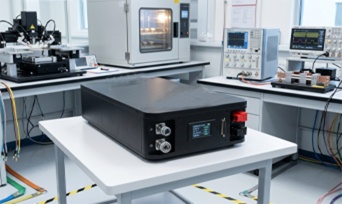
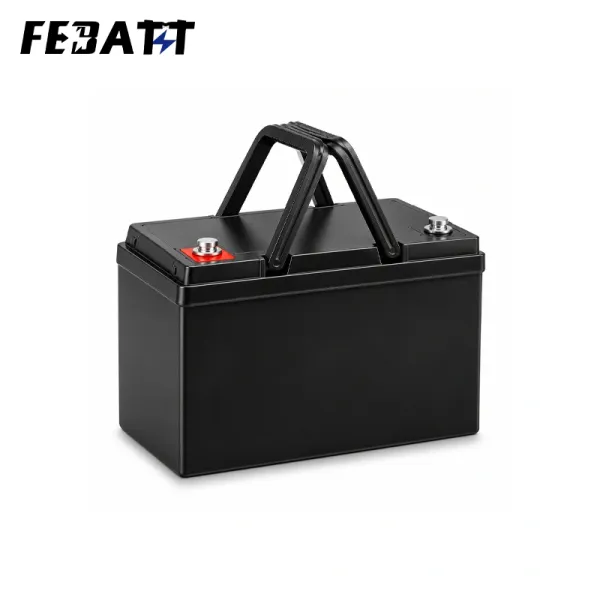
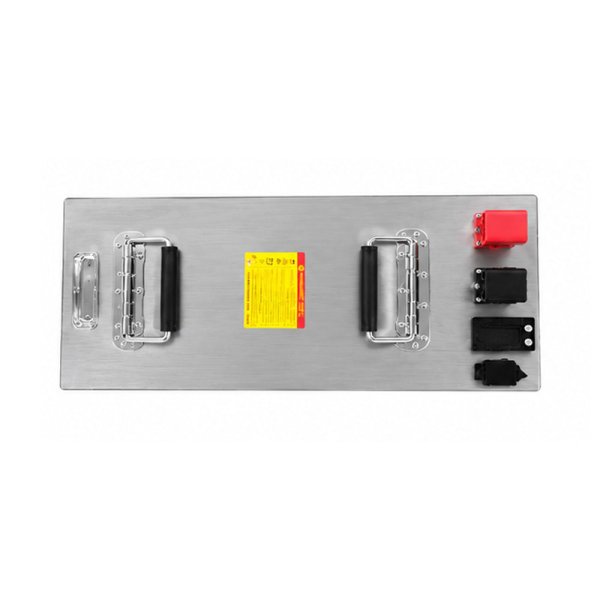
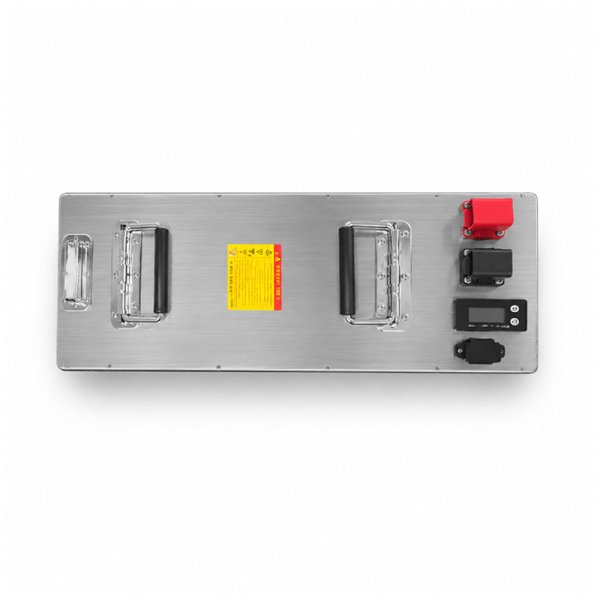
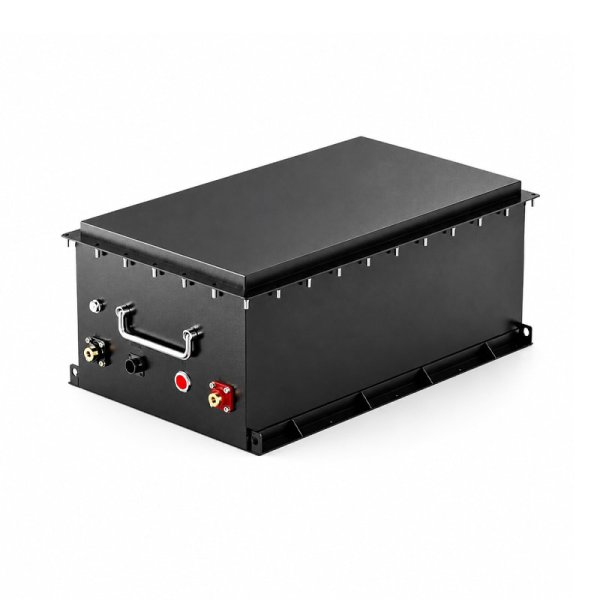
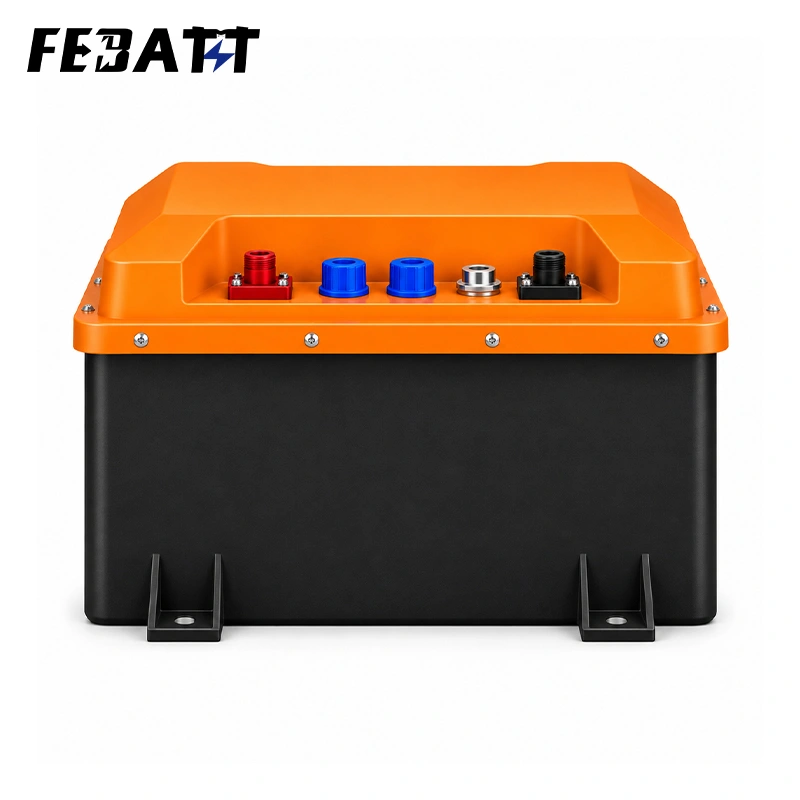
Before volume orders, FEBATT can review vessel loads, required BMS functions, connection interfaces and project acceptance tests. Sample validation helps purchasing and engineering teams approve a repeatable configuration, instead of assuming the pictured reference unit fits every marine installation.
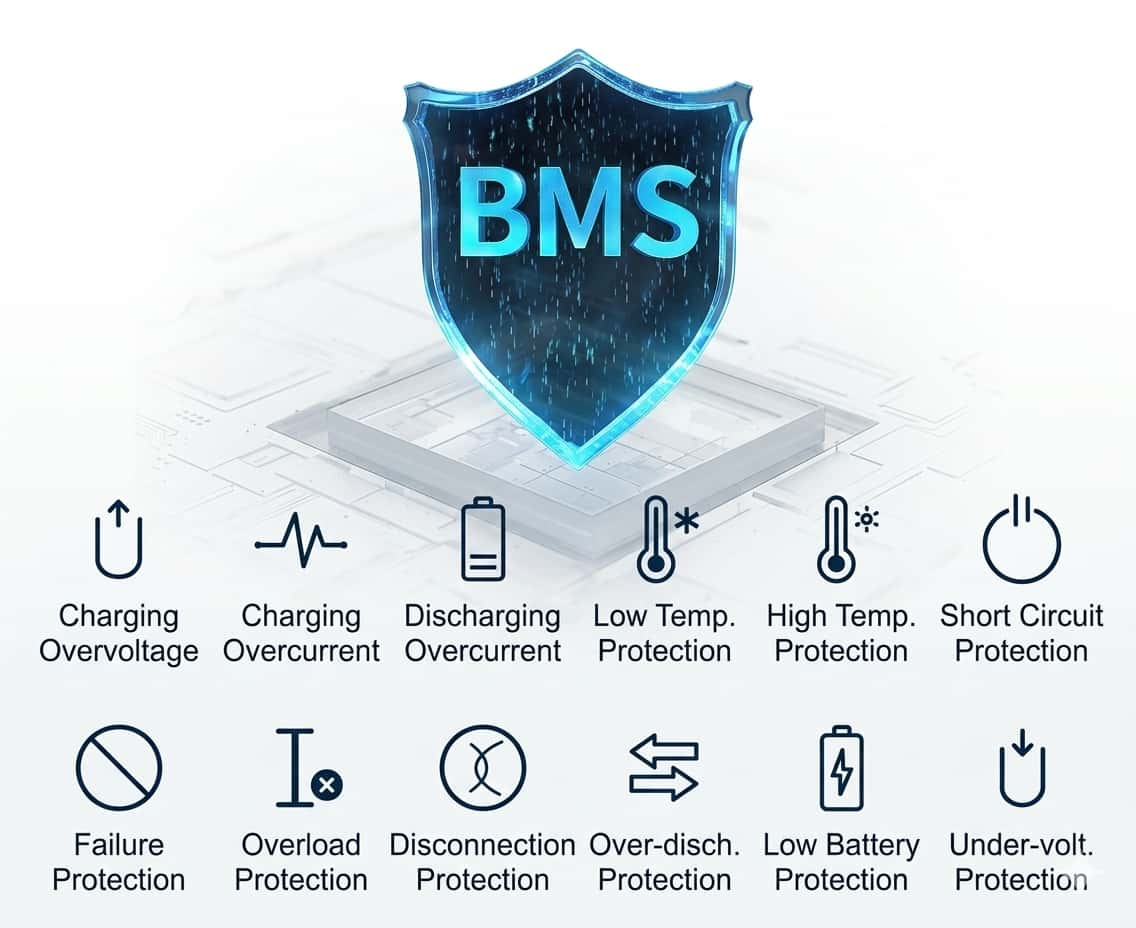
360° Safety: The "Sentinel" BMS
Advanced Smart BMS Protection
- Over-current protection
- Over-discharge protection
- Low-power protection
- High & low temperature protection
- Overload protection
- Short-circuit protection
- Automatic disconnection protection
Core Advantages
Deep OEM & ODM Customization


Certificate
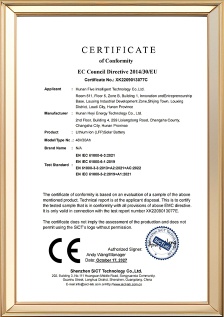
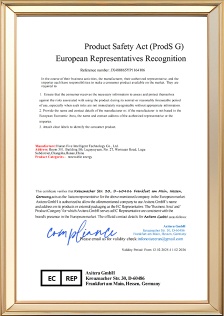
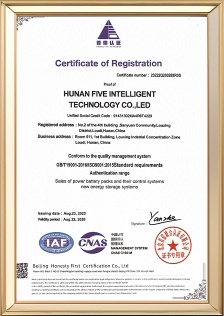
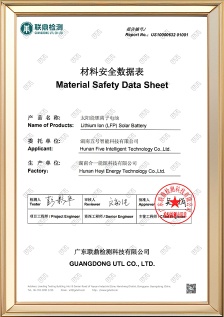
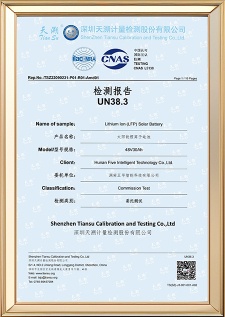
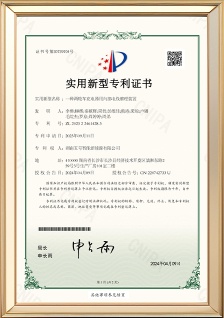
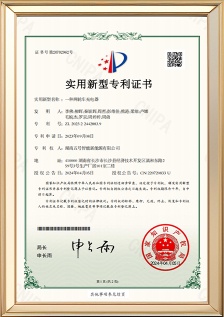
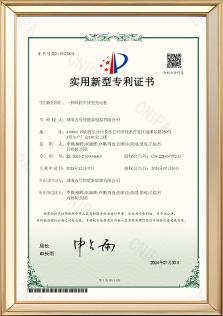
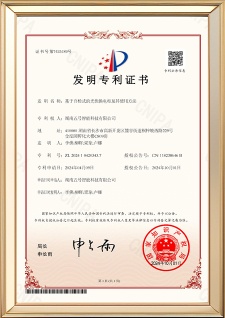
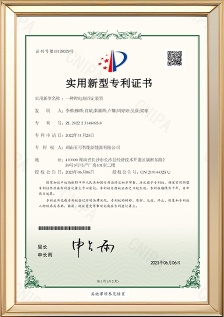
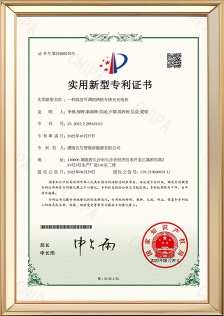
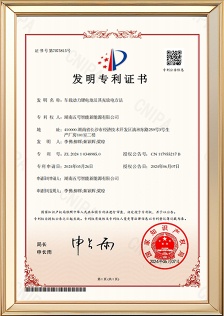
Pre-integrated UN38.3, GPSR, CE, MSDS, ISO9001,and other certifications to shorten market access cycles
Wholesale Process
01.
02.
03.
04.
05.
06.
07.
08.
Quality Control
FAQ
Q1: Are lithium batteries suitable for marine use?
A: Yes. LiFePO4 batteries are well suited to marine house-power and deep-cycle applications because they provide stable performance, long cycle life, and strong thermal stability. Compared with some other lithium chemistries, LiFePO4 is less prone to overheating or thermal runaway. A reliable BMS, proper charging system, secure installation, and suitable enclosure protection are still essential for safe marine operation.
Q2: What battery types are commonly used in marine applications?
A: Common marine battery types include flooded lead-acid, AGM, gel, and lithium batteries. LiFePO4 batteries are increasingly used because they provide stable voltage, lower maintenance, high usable capacity, and longer cycle-life potential.
Q3: Can lithium marine batteries replace lead-acid marine batteries?
A: Yes. A lithium marine battery can replace many lead-acid batteries when the voltage, capacity, installation space, discharge current, cables, connectors, charger, alternator, and vessel electrical system are properly matched.
Q4: What are the main benefits of lithium marine batteries?
A: Lithium marine batteries offer lower weight, more usable energy, faster charging, stable voltage output, longer cycle-life potential, and less routine maintenance than conventional lead-acid batteries. These advantages can reduce downtime and long-term battery replacement costs.
Q5: How long does a lithium marine battery last?
A: A well-designed lithium marine battery may last 8–10 years or longer under suitable operating conditions. Actual service life depends on charging practices, temperature, depth of discharge, operating current, battery quality, and maintenance.
Q6: Do lithium marine batteries require a special charger?
A: A lithium marine battery should use a charger with charging parameters compatible with its LiFePO4 cells and BMS. An existing marine charger may be used only when its voltage settings and charging profile match the battery manufacturer’s requirements.
Q7: Are FEBATT lithium marine batteries suitable for trolling motors?
A: Yes. FEBATT lithium marine batteries can provide stable voltage and continuous power for trolling motors. The battery voltage, capacity, continuous discharge current, peak current, wiring, fuse, and charger must be matched to the trolling motor’s specifications.
Q8: Can lithium marine batteries be charged below 0°C?
A: Standard LiFePO4 batteries should not be charged below 0°C unless they include low-temperature charging protection or a suitable heating system. FEBATT can configure low-temperature cutoff and self-heating functions for marine projects operating in cold climates.
Q9: Can FEBATT customize lithium marine batteries for OEM or ODM projects?
A: Yes. FEBATT can customize lithium marine battery voltage, capacity, dimensions, discharge current, enclosure, connectors, cable direction, mounting points, communication protocols, BMS functions, labeling, and other specifications for OEM and ODM marine projects.
Q10: What information is required for a custom lithium marine battery quotation?
A: FEBATT normally requires the system voltage, capacity, continuous and peak current, installation dimensions, load type, charger or alternator specifications, communication requirements, operating temperature, order quantity, and destination market.
IGNITE YOUR COUNTRY'S LITHIUM BATTERY & ENERGY STORAGE MARKET WITH FEBATT


We have already successfully supported partners across multiple regions in achieving brand growth and increasing profitability. Whether you are a systems integrator, electrical distributor, or entrepreneur looking to build your own brand, FEBATT is your reliable partner, offering stable products and flexible cooperation mechanisms.

Partner with us to deliver reliable energy solutions for businesses and build a sustainable green energy future together.

Ready to Partner with FEBATT?
Join hundreds of B2B partners worldwide who trust us for reliable lithium battery solutions.