
Battery for Pool Cleaning Robots: 7.4V 4400mAh SMBus Power for Underwater Cleaning Machines
Product Introduction

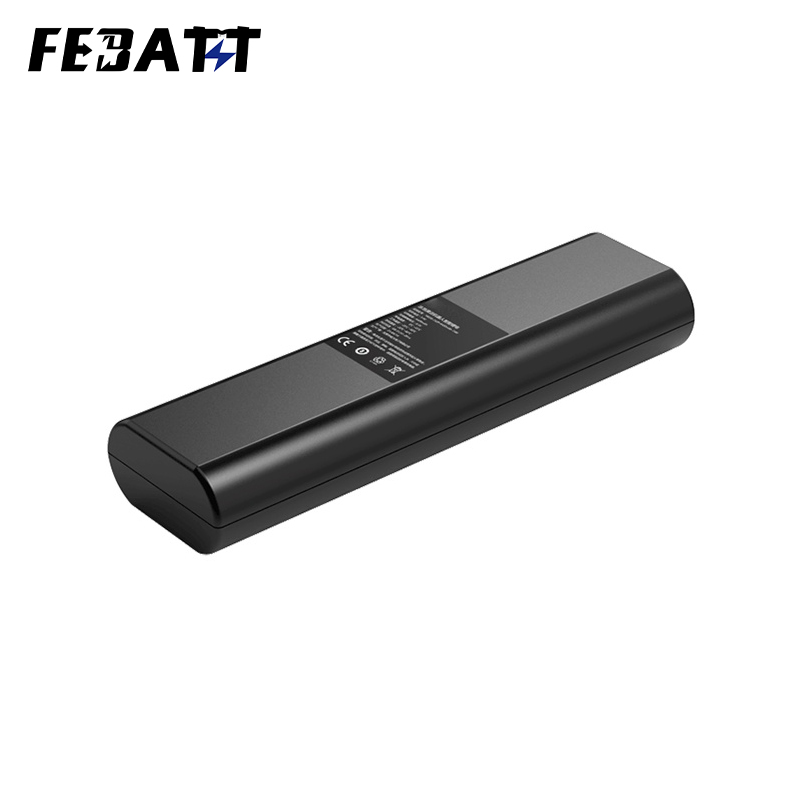
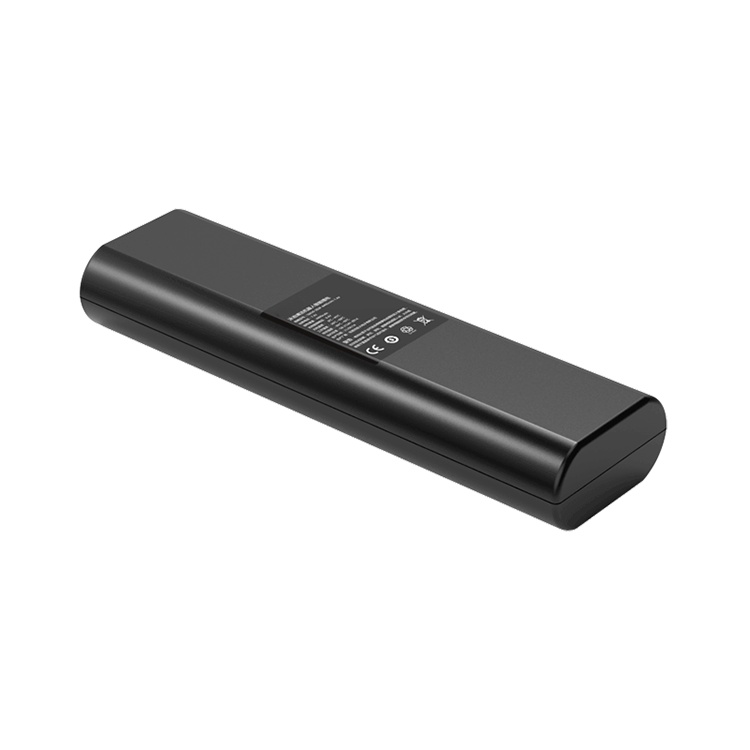
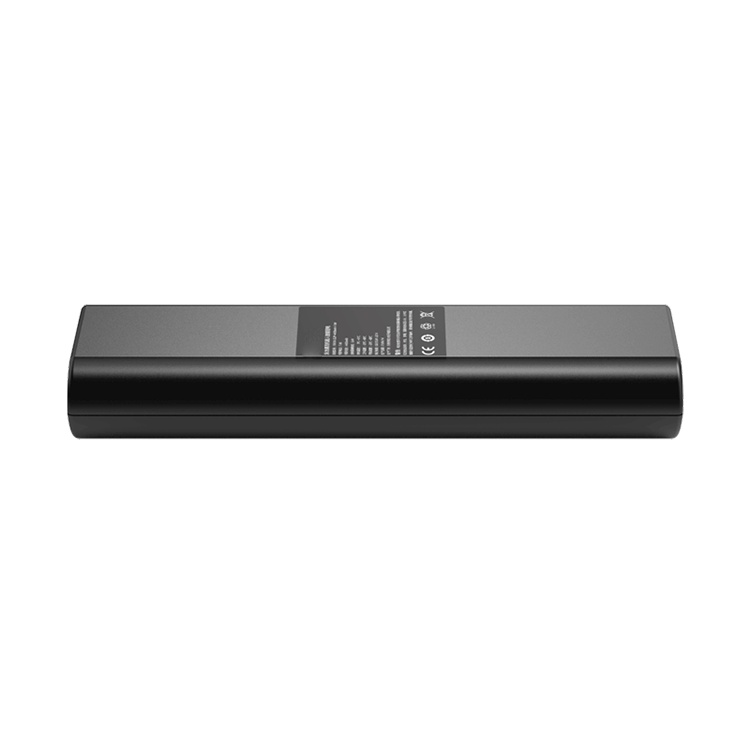
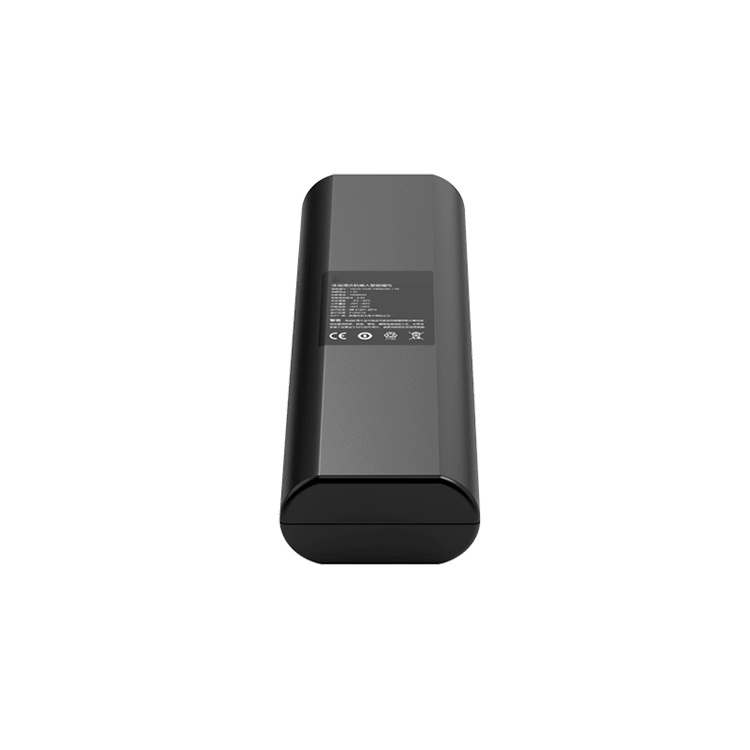
Battery for Pool Cleaning Robots delivers 7.4V 4400mAh power, -20~60℃ operation, and IPX7 waterproofing—ideal for pool cleaning robots, underwater scrubbers, and wet-environment cleaning devices.
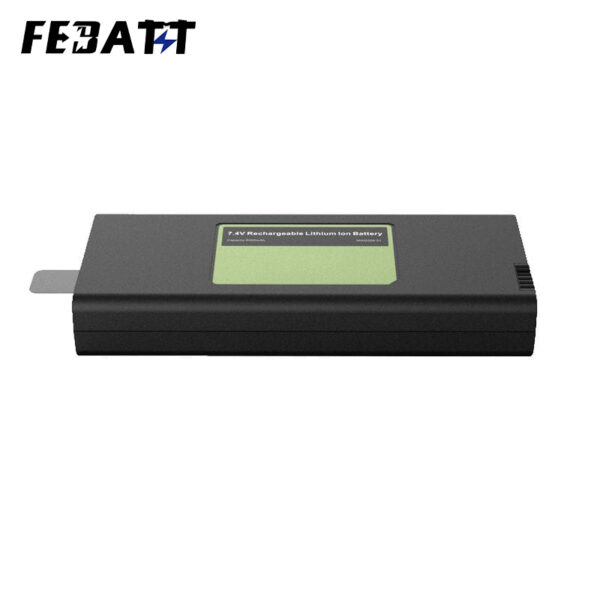
Engineered exclusively for pool cleaning robots and wet-environment automation, the Battery for Pool Cleaning Robots is a high-performance 18650 lithium-ion solution with SMBus communication. This 7.4V 4400mAh Battery for Pool Cleaning Robots combines 4400mAh capacity, 7.4V nominal voltage, and IPX7 waterproofing to withstand continuous submersion and moisture. Unlike generic batteries, it features smart SMBus integration for real-time battery health tracking, wide temperature tolerance, and long cycle life—making it the reliable power source for pool cleaning robots that operate in water-filled environments.
| Parameter | Details |
|---|---|
| Chemistry | Lithium-ion (18650 cells) |
| Nominal Voltage | 7.4V |
| Rated Capacity | 4400mAh |
| Charge Voltage | 8.4V |
| Charge Current | ≤2.2A |
| Discharge Current | ≤4.4A |
| Discharge Cut-off Voltage | 6.0V |
| Weight | 210g |
| Dimensions (L×W×H) | 135×43×19.5mm |
| Operating Temperature | -20~60℃ |
| Waterproof Grade | IPX7 |
| Communication | SMBus |
| Application | Pool cleaning robots, underwater scrubbers, wet-environment cleaning devices |
A: Commercial cleaning robot batteries are designed for autonomous floor scrubbers, sweepers, vacuum cleaning robots, tank-cleaning robots, and other mobile cleaning equipment used in large facilities. Battery selection should reflect the robot’s required runtime, drive and cleaning loads, charging strategy, available installation space, and system communication needs.
Q2: How do I choose the right battery for a commercial cleaning robot?
A: Start with the robot’s nominal voltage, required usable energy, continuous and peak current, battery compartment dimensions, weight target, connector and charging interface, operating temperature, and communication protocol. For OEM projects, the battery, charger or charging dock, robot controller, and mechanical installation should be validated as one system rather than selected by voltage and capacity alone.
A: There is no single cycle-life figure that applies to every cleaning robot battery. For reference, FEBATT’s published robot-battery specifications list 2,000+ cycles at 80% depth of discharge for some customized configurations. Actual cycle life depends on battery chemistry, depth of discharge, charge and discharge rate, temperature, charging strategy, and the robot’s daily duty cycle. The rated value for the selected model should be used for project evaluation.
A: Yes. FEBATT can tailor voltage, capacity, pack dimensions, mounting design, connector, continuous and peak current capability, BMS functions, and communication interface around the robot platform. As one published cleaning-robot reference, FEBATT lists a 25.2V 19.25Ah configuration measuring 181 x 181 x 91 mm with RS485 and CAN communication, showing how the electrical and mechanical design can be matched to a specific robot.
A: The BMS monitors key battery conditions and can provide protection against overcharge, over-discharge, overcurrent, short circuit, and abnormal temperature. Depending on the pack design, it may also support cell balancing, state-of-charge estimation, fault reporting, and communication with the robot controller. The required BMS functions should be defined according to the robot’s control architecture and operating profile.
A: Yes, when the pack is engineered for the robot’s actual load profile. Commercial cleaning robots can experience current peaks from drive motors, brush motors, vacuum motors, pumps, or other actuators. Instead of relying on a generic C-rate, the battery should be specified using continuous current, peak current, peak duration, voltage-drop limits, and thermal conditions so that startup and heavy-duty operation remain stable.
A: FEBATT cleaning robot batteries can be designed to work with automatic charging systems, but charging docks are not universally interchangeable. Compatibility should be checked for charging voltage and current, contact or connector design, polarity, charging logic, BMS-to-charger communication, and the robot’s docking control. FEBATT’s robot battery solutions also support automated charging approaches, so the battery and charging interface can be matched as part of the project design.
A: Communication can be customized according to the robot controller and fleet architecture. FEBATT robot battery solutions commonly reference CAN and RS485, and one published cleaning-robot battery configuration supports both. During integration, the OEM should confirm items such as baud rate, message definitions, SOC reporting, alarms, charging status, and fault data so that the battery and robot exchange information correctly.
A: Temperature influences available capacity, power output, charging acceptance, aging rate, and protection behavior. As a published reference, one FEBATT cleaning-robot configuration lists an operating-temperature range of -20°C to 60°C. This range should not be treated as universal for every model; the selected battery must be validated against the robot’s actual working environment, especially for low-temperature charging or prolonged high-temperature operation.
A: The charging strategy should match the battery specifications, robot duty cycle, and charger or automatic charging dock. Charging voltage, current limits, connector or contact design, and BMS-to-charger communication should be verified before integration. For multi-shift cleaning fleets, planned opportunity charging can help reduce downtime when it is supported by the selected battery and charging system. The battery and charger should always be validated together rather than applying one charging profile to every robot.
Join hundreds of B2B partners worldwide who trust us for reliable lithium battery solutions.