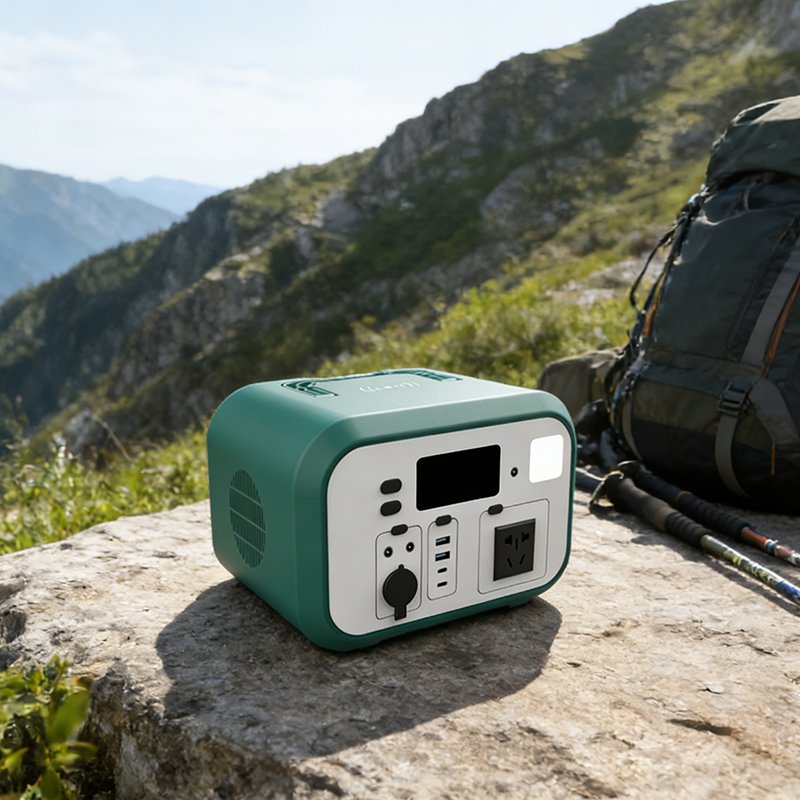
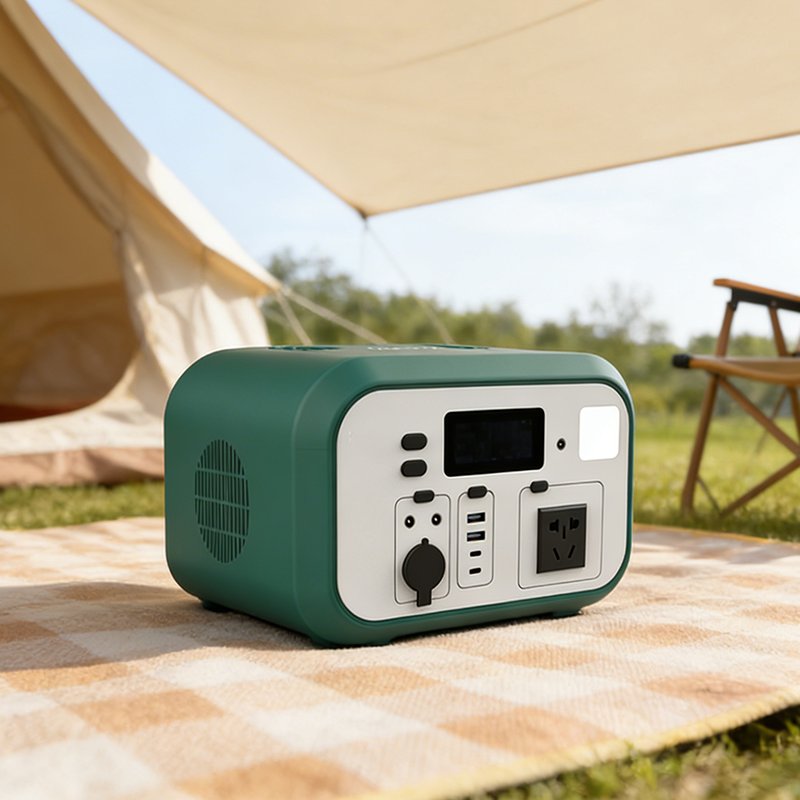
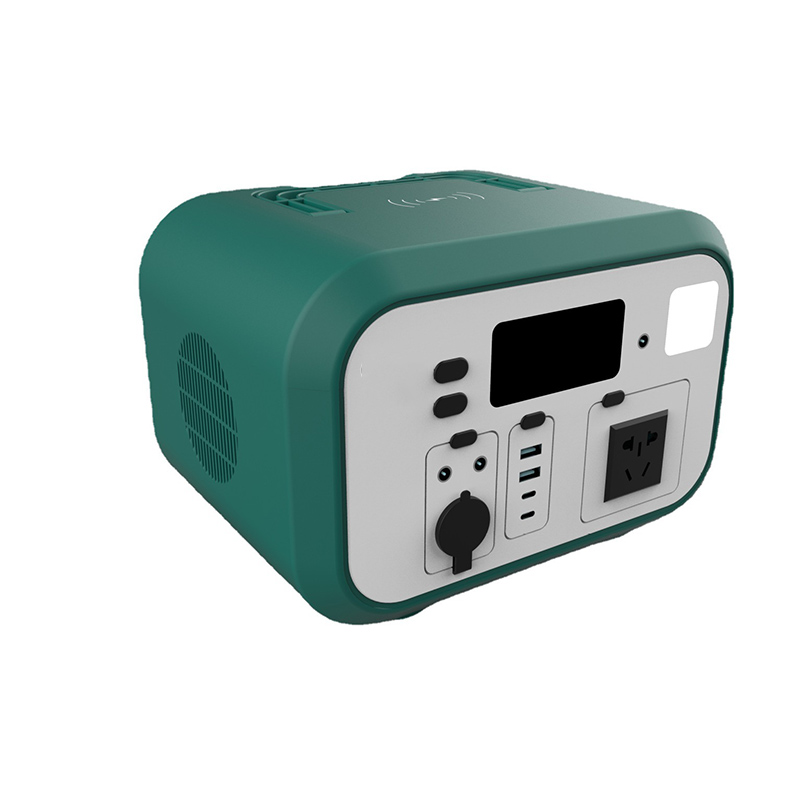
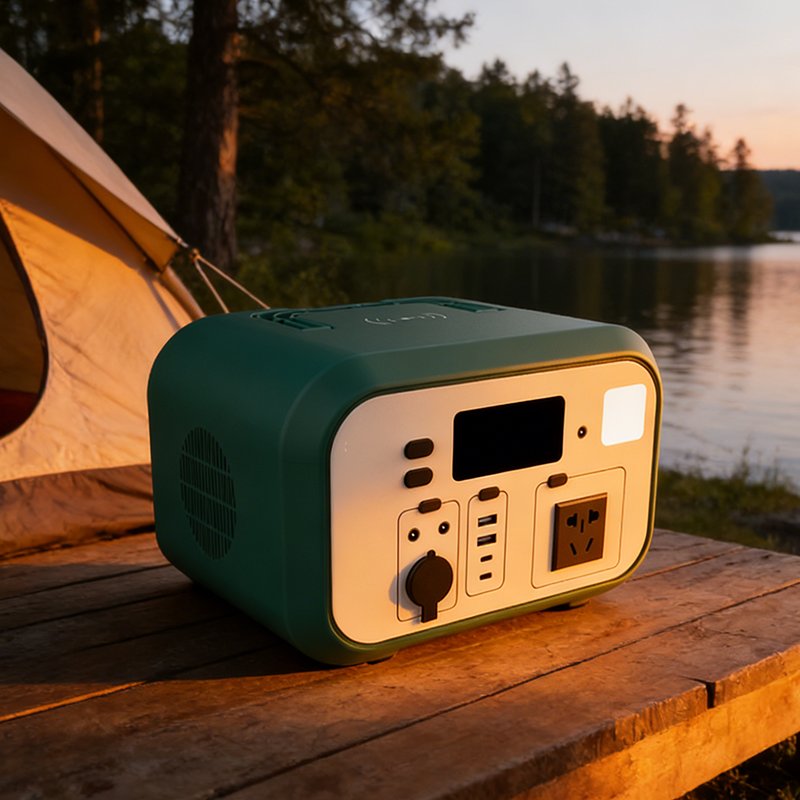
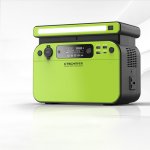
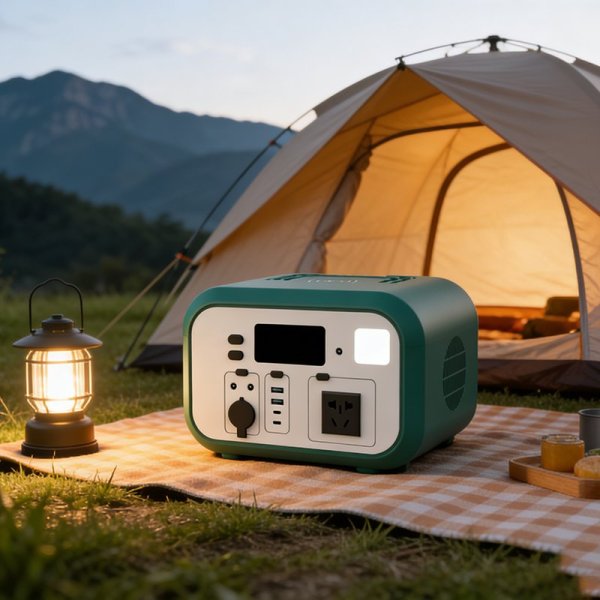
220V-600W-Portable-Power-Supply
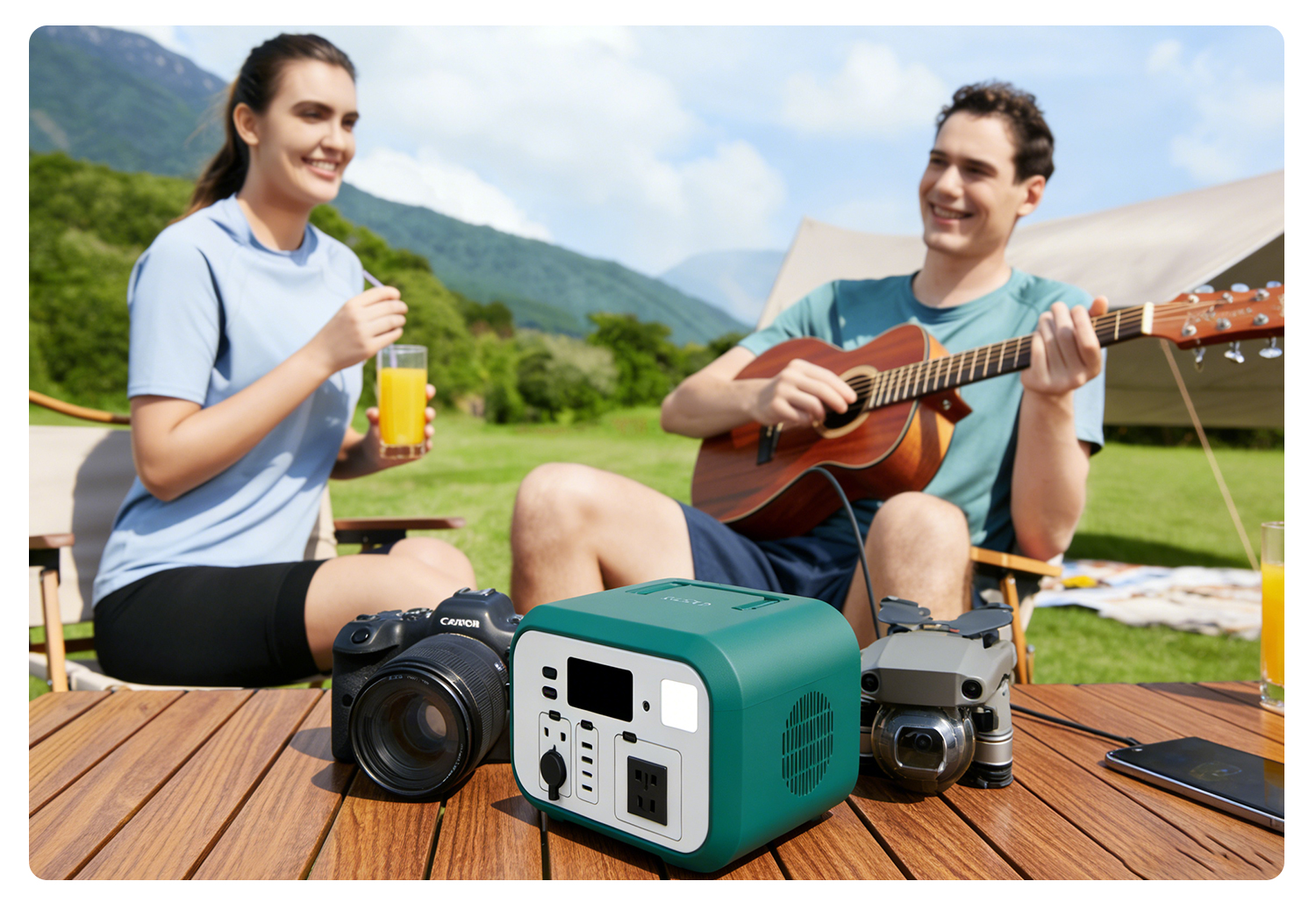
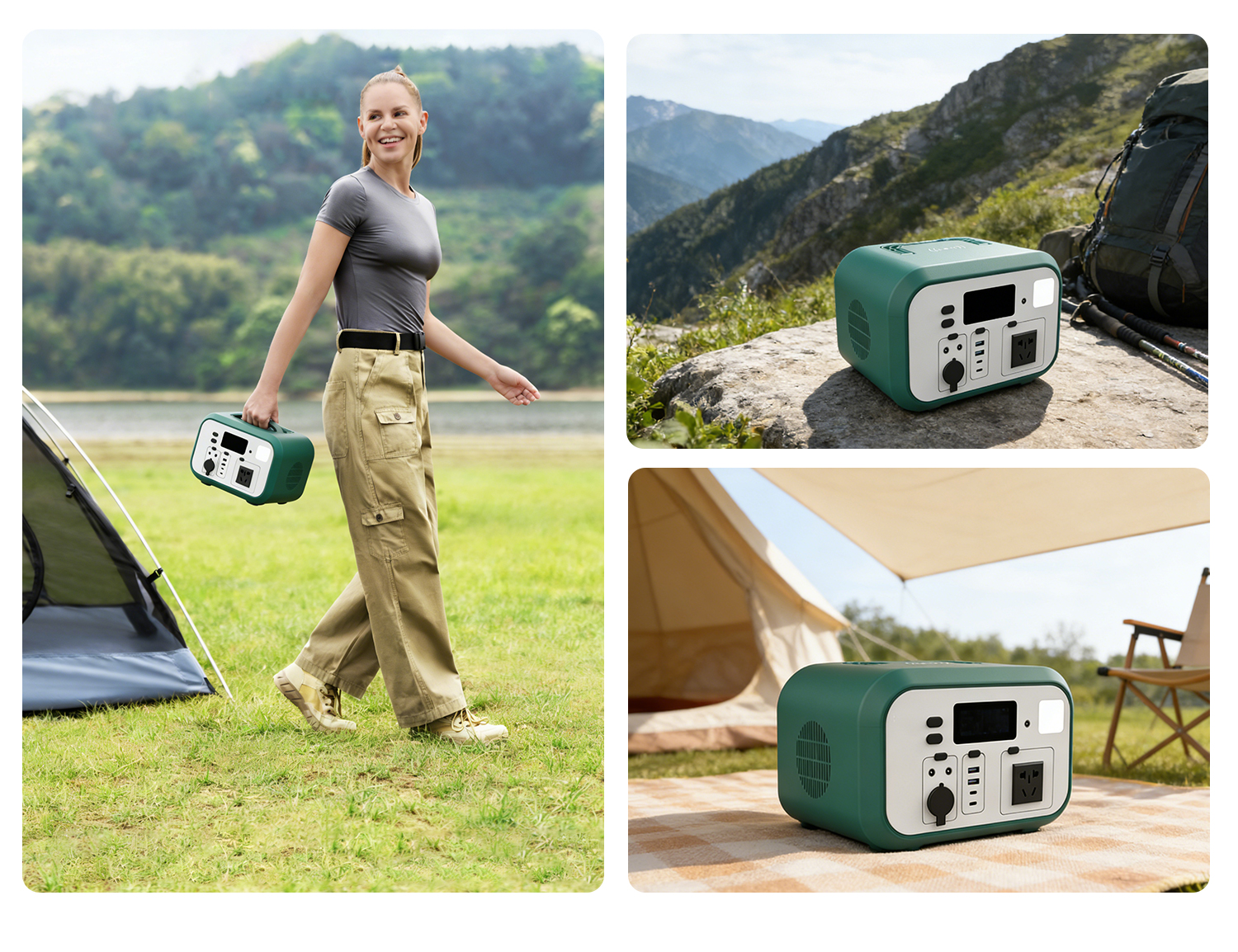
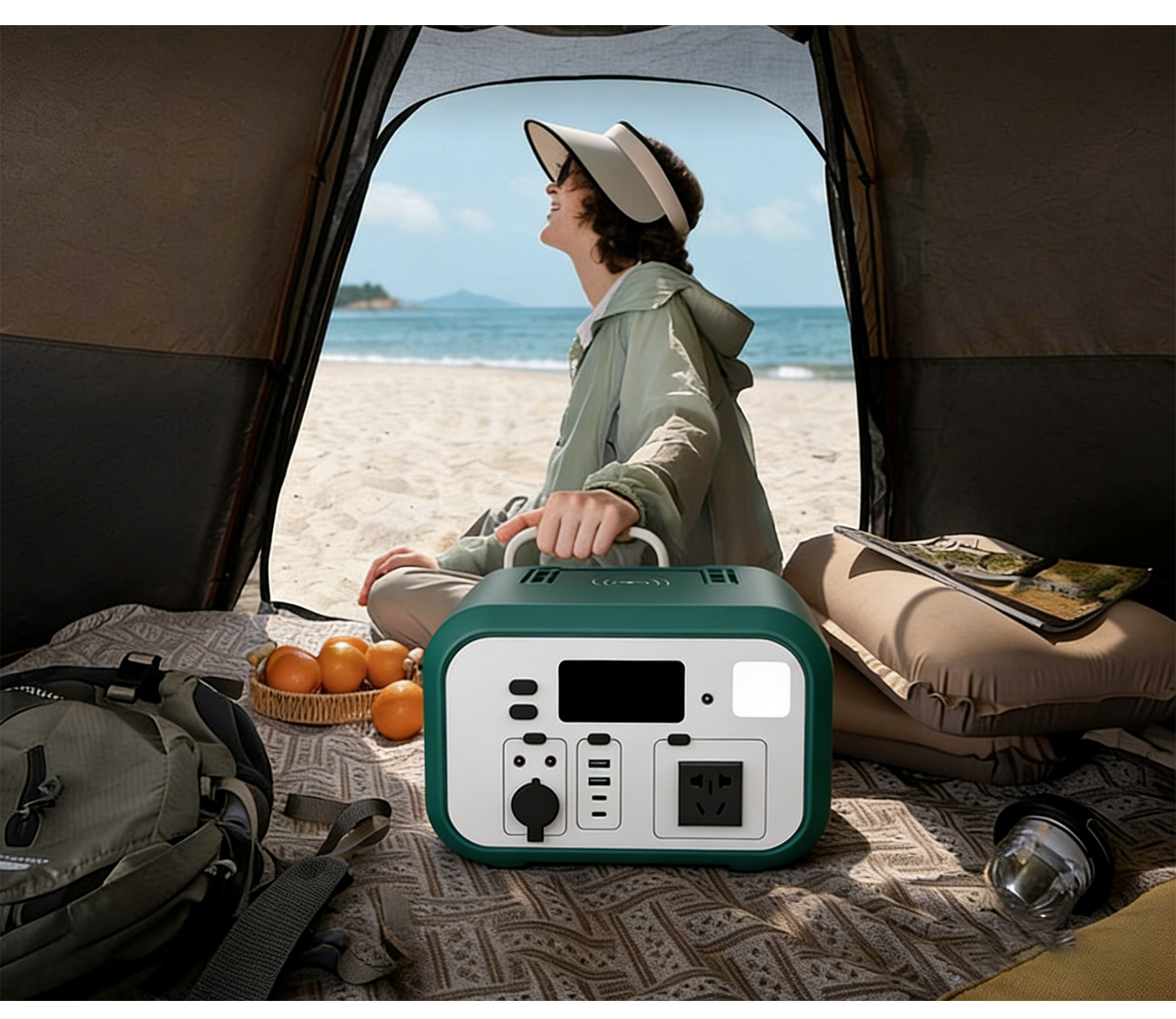
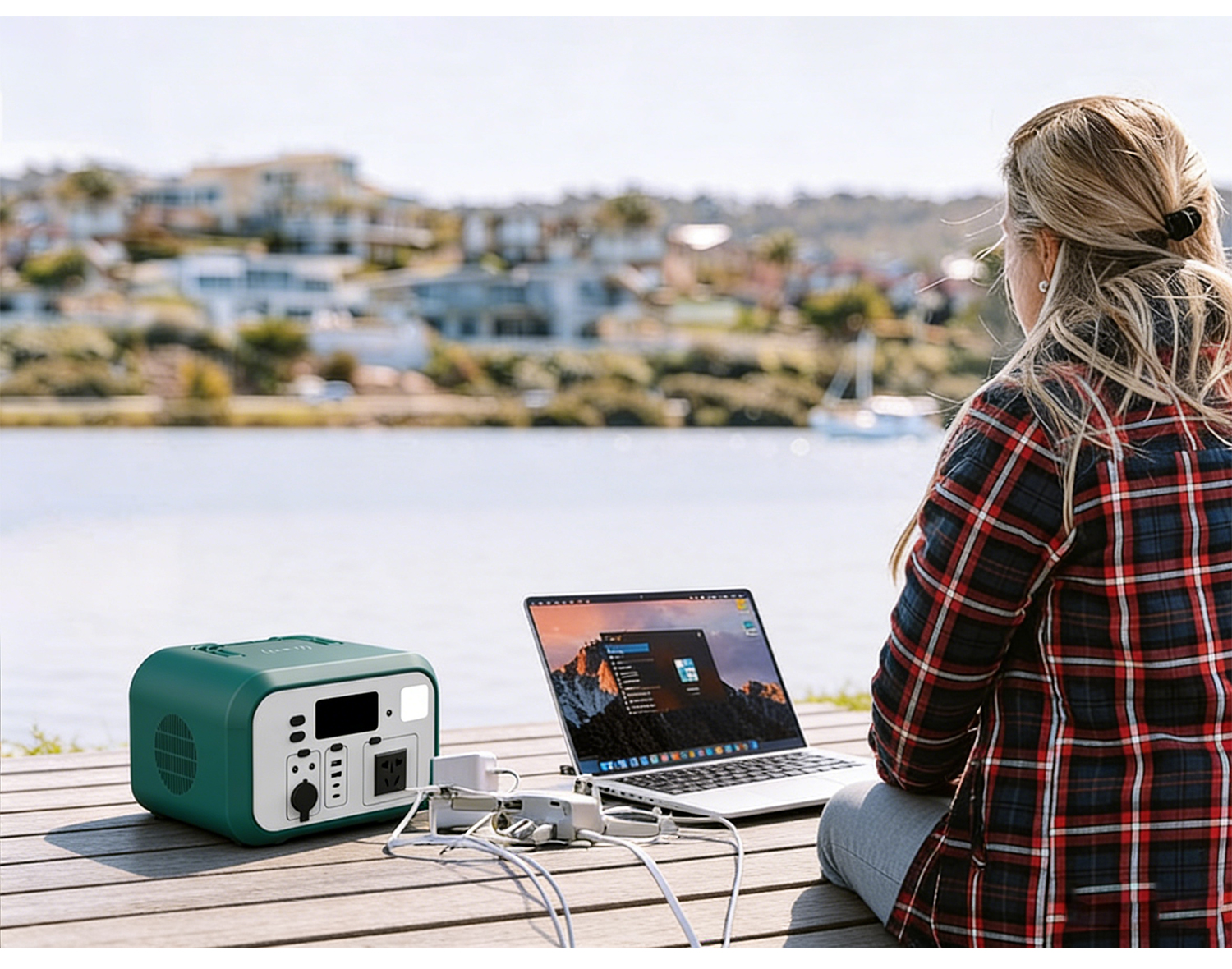
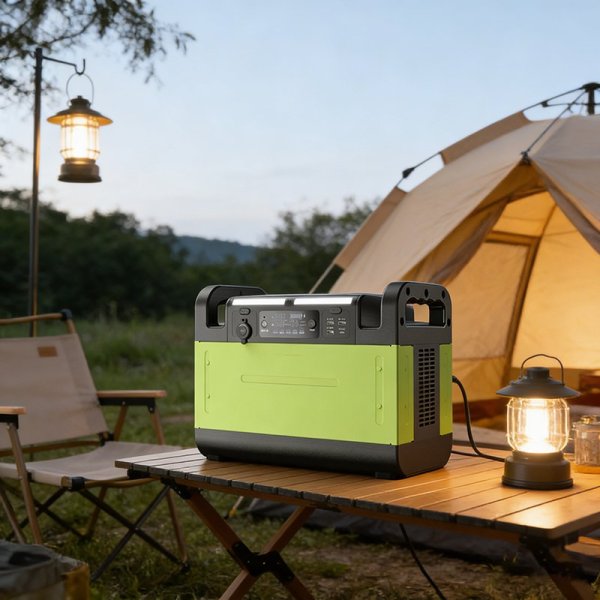
· With its lightweight body, it can easily fit into a backpack or car trunk, making it convenient to carry around and use
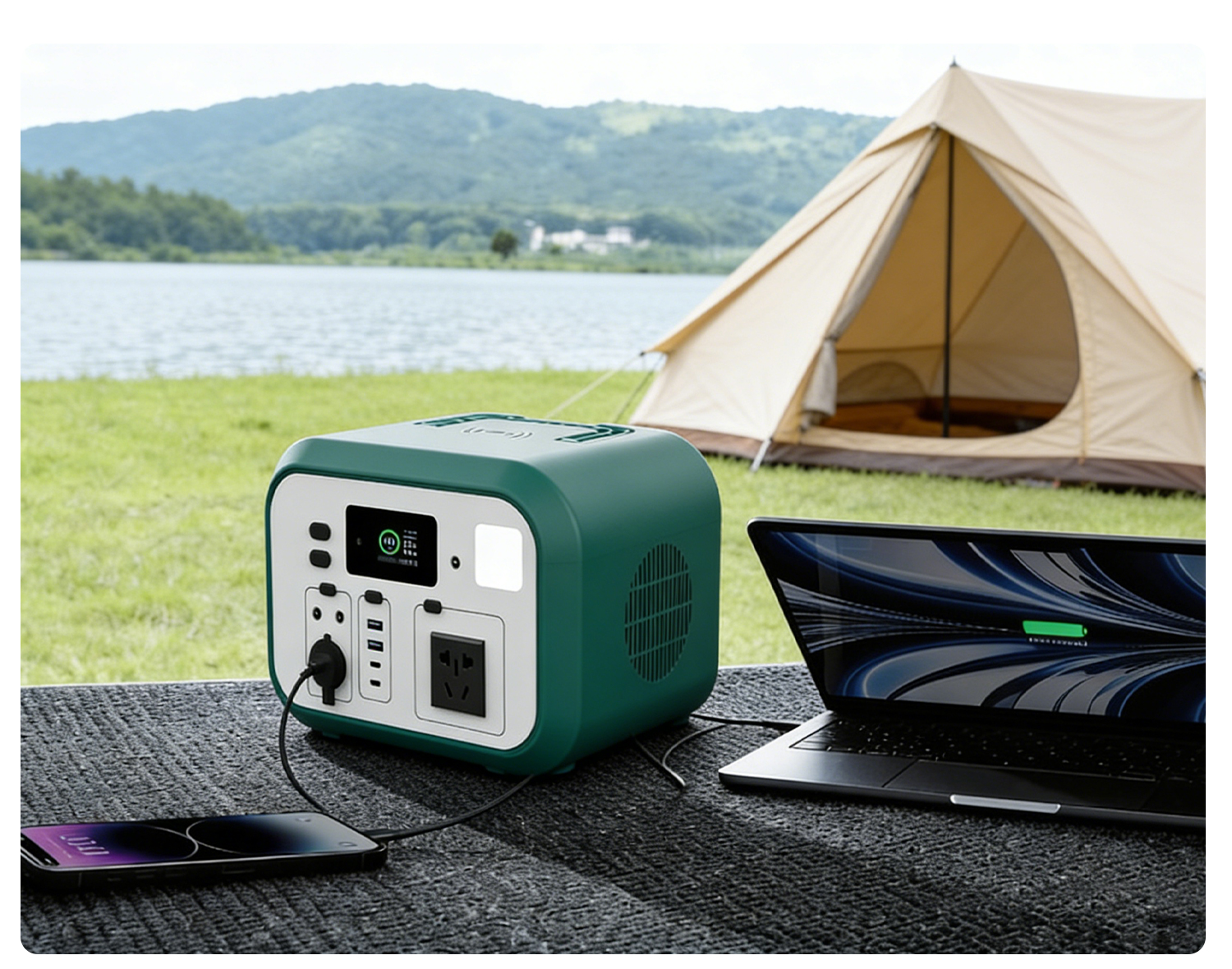
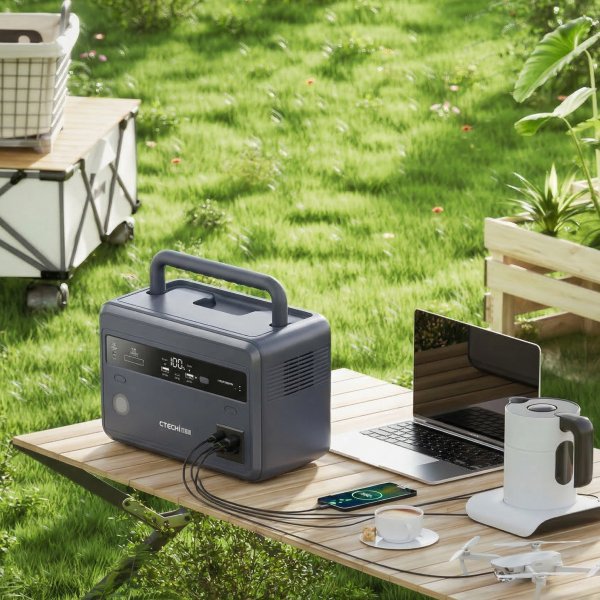
· 220V 600W high-capacity portable power supply delivers stable continuous power, compatible with laptops, small home appliances and camping gear
· Multi-port output (USB-A, USB-C, DC, AC) supports simultaneous charging of up to 5 devices
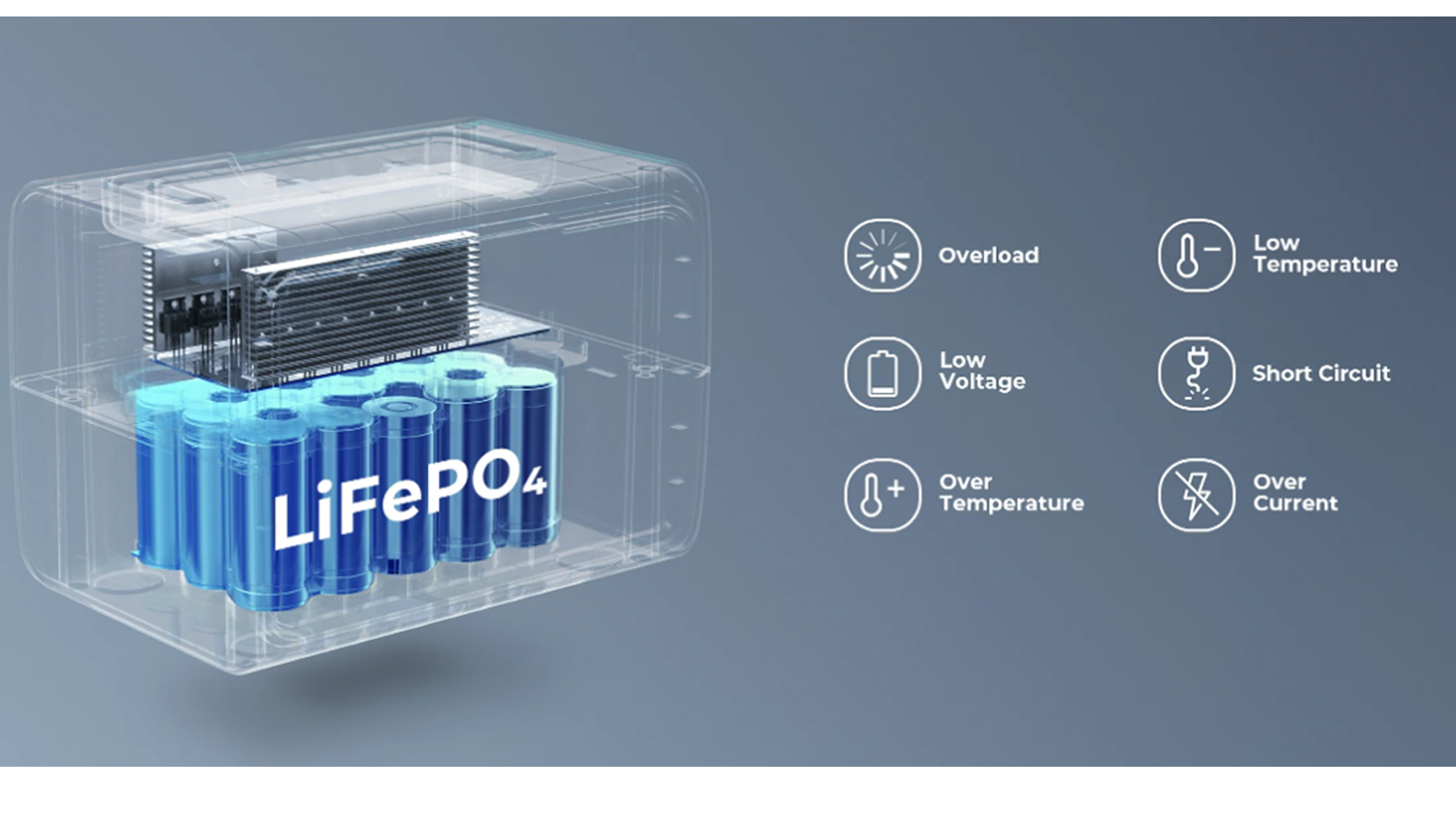
· Comprehensive protection (overcharge, short circuit, overtemperature) safeguards both the power supply and connected electronics
· High-capacity core provides 12+ hours of runtime for daily or emergency use
· 3000+ charge cycles & 2-year warranty for long-term reliability
· Certified by FCC, CE for assured quality performance
FAQ
Q1: How do I choose the right portable power station for my market or application?
A: Start with the devices your customers need to power, then compare the required continuous output power (W), battery capacity (Wh), output ports, charging options, portability, and operating environment. Lower-power models are suitable for phones, laptops, lighting, and other small devices, while higher-output models are better suited to appliances and equipment with larger power demands. For B2B distribution or project use, select the specification range that matches the target application rather than choosing by capacity alone.
Q2: Why is LiFePO4 suitable for portable power stations?
A: LiFePO4 is commonly used in portable power stations because it combines strong thermal and chemical stability with long cycle life and reliable deep-cycle performance. These characteristics are useful for products that may be charged and discharged frequently in outdoor, emergency backup, mobile work, and other repeated-use applications. Actual service life still depends on the battery design, depth of discharge, charging conditions, temperature, and load profile.
Q3: What is the typical cycle life of a LiFePO4 portable power station?
A: LiFePO4 portable power stations on the market commonly offer around 2,000 to 6,000+ charge cycles, depending on cell technology, depth of discharge, temperature, charging strategy, and the capacity-retention threshold used for testing. Current FEBATT portable power station models publish model-specific cycle-life ratings, so buyers should always refer to the specification of the selected product.
Q4: How do output power and battery capacity affect portable power station selection?
A: Output power and battery capacity describe two different parts of performance. Output power, measured in watts (W), determines the load a portable power station can support at a given time. Battery capacity, measured in watt-hours (Wh), mainly affects how long the connected load can operate. A suitable model must therefore have enough continuous and peak output for the equipment, as well as enough stored energy for the
Q5: How can I estimate the runtime of a portable power station?
A: A simple theoretical estimate is battery energy (Wh) divided by device power (W). For example, a 500Wh portable power station supplying a constant 50W load has a theoretical runtime of about 10 hours. Actual runtime is normally lower because of inverter conversion losses, standby consumption, temperature, battery state of charge, and changes in the connected device’s power demand. For project sizing, allow a practical efficiency margin rather than using the theoretical result alone.
Q6: Can a portable power station run appliances with high startup power?
A: It depends on both the appliance’s startup demand and the portable power station’s continuous and peak output ratings. Motor-driven or compressor-based equipment can draw substantially more power at startup than during normal operation. Before selecting a unit, compare the appliance’s running wattage and startup wattage with the selected model’s rated continuous and surge/peak output. A higher battery capacity does not automatically mean the inverter can support a higher startup load.
Q7: What devices can a portable power station typically power?
A: Depending on the model, portable power stations can support devices such as smartphones, laptops, lights, routers, cameras, fans, small household appliances, camping equipment, power tools, and other compatible AC or DC loads. Higher-output models can support larger loads, provided the equipment remains within the power station’s continuous and peak output limits. Always confirm the device wattage, connector type, and voltage requirements before use.
Q8: What charging methods are available for portable power stations?
A: Charging options vary by product model and configuration. Depending on the design, a portable power station may support charging through an AC adapter, DC or vehicle input, solar input, or a combination of these methods. Buyers should confirm the supported input voltage, input power, connector type, and charging time for the selected model. Do not assume that every portable power station supports the same charging methods or charging speed.
Q9: How does the BMS protect a portable power station?
A: The Battery Management System (BMS) monitors key battery operating conditions and helps prevent abnormal electrical or thermal conditions. Depending on the model, protection functions may include overcharge, over-discharge, short-circuit, over-current, and over-temperature protection. For example, FEBATT’s published 600W portable power supply lists overcharge, over-discharge, short-circuit, and over-temperature protection. The exact protection functions should be confirmed in the selected model’s specification.
Q10: Does FEBATT offer OEM/ODM portable power station solutions?
A: Yes. FEBATT can support OEM/ODM portable power station projects based on the requirements of distributors, brands, and project customers. Customization can be discussed around battery capacity, output power, port configuration, charging interfaces, enclosure and appearance, labeling or branding, and other project-specific requirements. The final customization scope should be confirmed against the technical requirements and selected product platform before production.
Related Products
Ready to Partner with FEBATT?
Join hundreds of B2B partners worldwide who trust us for reliable lithium battery solutions.