Home > Robot Battery > Cleaning Robot Battery > 18650 14.8V 2200mAh NMC Battery for Robotics

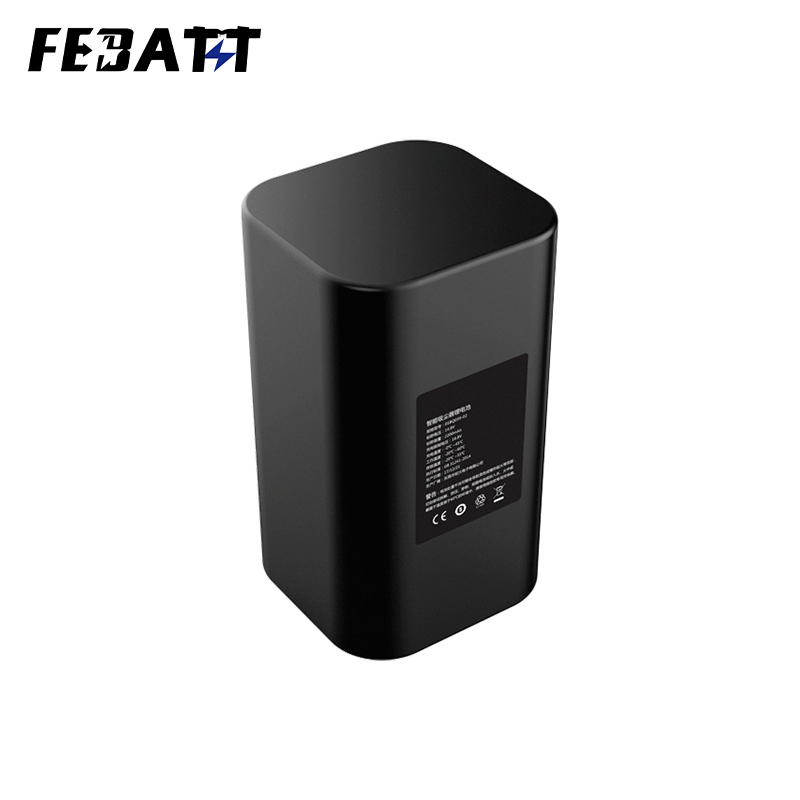
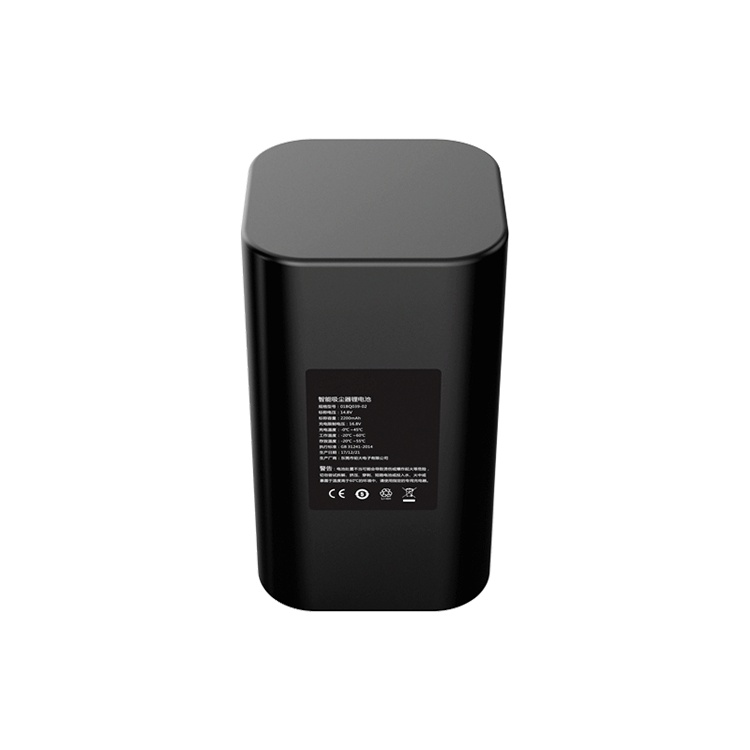
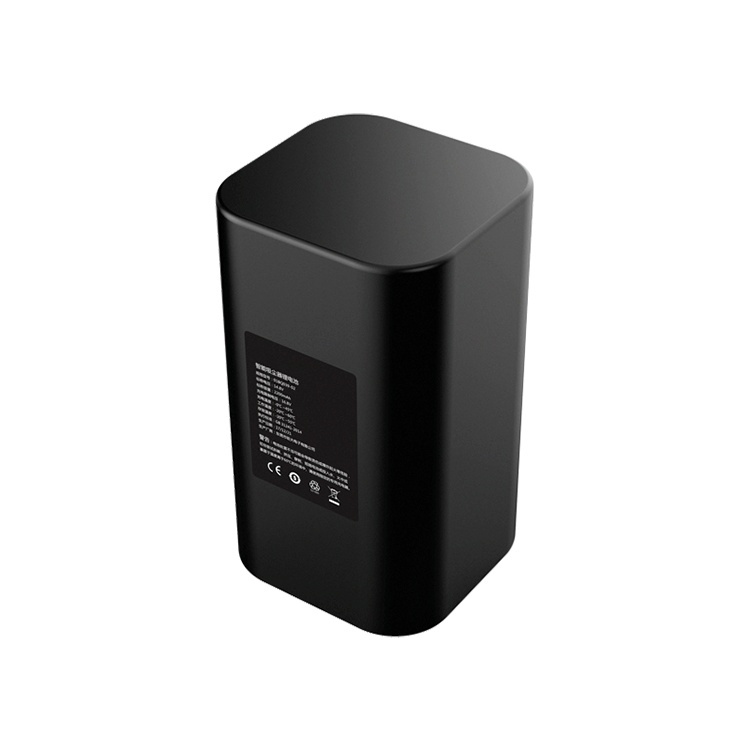
18650 14.8V 2200mAh NMC Battery for Robotics

14.8V 2200mAh NMC Battery for Robotics delivers 14.8V power, 2200mAh capacity, and -20~60℃ operation—ideal for sweeping robots, cleaning bots, and automated robotics with NMC reliability.

  • Nominal Voltage: 14.8V
  • Rated Capacity: 2200mAh
  • Dimension: 37.8*39.1*67.7mm
  • Charge Voltage: 16.8V
  • Charge Current: 2A
  • Discharge current: ≤2.2A
  • Discharge cut-off Voltage: 11.0V
  • Operating Temperature: -20~60℃
  • Application: Sweeping robots, Cleaning robots, Other robotic fields

14.8V 2200mAh NMC Battery for Robotics: High-Energy Power for Cleaning Robots & Automated Devices

Product Introduction

Engineered specifically for robotic applications, the 14.8V 2200mAh NMC Battery for Robotics is a high-performance nickel-manganese-cobalt lithium-ion solution. This NMC Battery 14.8V 2200mAh for Robotics features a nominal voltage of 14.8V and 2200mAh capacity, designed to power sweeping robots, cleaning bots, and other automated devices. Unlike generic batteries, it integrates military-grade safety protections, flexible adaptability, and an extra-long lifespan—making it a dependable power source for robotics that demand consistent energy and durability.

Technical Specifications

Table: 14.8V 2200mAh NMC Battery for Robotics Core Parameters

Parameter Details
Chemistry NMC
Nominal Voltage 14.8V
Rated Capacity 2200mAh
Charge Voltage 16.8V
Charge Current 2A
Discharge Current ≤2.2A
Discharge Cut-off Voltage 11.0V
Weight/ /
Dimensions (L×W×H) 37.8×39.1×67.7mm
Operating Temperature -20~60℃
Application Sweeping robots, cleaning robots, automated robotics

Core Advantages of 14.8V 2200mAh NMC Battery for Robotics

1. Powerful Energy & Extended Endurance

“2200mAh Capacity for Long Runs: The 14.8V 2200mAh NMC Battery for Robotics powers sweeping robots through large homes or cleaning bots in commercial spaces, delivering hours of continuous operation. Its high energy density ensures robots complete tasks without mid-cycle recharging, enhancing productivity for automated cleaning.”

2. Military-Grade Safety Protection

“Robust Safety Features: Built with military-grade safeguards, the NMC Battery 14.8V 2200mAh for Robotics protects against overcharge, over-discharge, short-circuits, and temperature extremes. This ensures safe operation in diverse environments, from residential homes to industrial cleaning zones—critical for user and device safety.”

3. Flexible Adaptability & Plug-and-Play Design

“Seamless Integration: The 14.8V 2200mAh NMC Robotics Battery features a plug-and-play design, fitting seamlessly into most sweeping and cleaning robots. Its flexible adaptability allows for easy upgrades or replacements, minimizing downtime and technical hurdles for robot owners or fleet managers.”

4. Extra-Long Lifespan & Eco-Friendliness

“≥500 Cycles at 80% DOD: This 14.8V 2200mAh NMC Battery for Robotics retains 80% capacity after 500 charge-discharge cycles, lasting significantly longer than standard batteries. Its NMC chemistry and recyclable materials align with green energy practices, reducing electronic waste in robotic applications.”

Application Scenarios

1. Sweeping & Cleaning Robots

“Residential & Commercial Cleaning: Powers robotic vacuums and floor scrubbers, with -20~60℃ operation ensuring reliability in cold basements or warm attics. The 14.8V 2200mAh NMC Battery for Robotics’ long endurance supports full-home cleaning in a single session, reducing manual intervention.”

2. Automated Inspection & Service Robots

“Industrial & Commercial Assistance: Supplies energy for robots that inspect equipment, deliver items, or provide customer service. Its stable voltage output and safety protections make it suitable for robots operating in retail stores, warehouses, or healthcare facilities.”

3. Educational & Hobby Robotics

“STEM & DIY Projects: Powers educational robots, drones, or hobbyist builds, with the NMC Battery 14.8V 2200mAh for Robotics’ compact size and reliable performance enabling innovation in learning and personal projects. Its plug-and-play design simplifies integration for students and enthusiasts.”
febatt

FAQ

Q1: What applications are commercial cleaning robot batteries designed for?

A: Commercial cleaning robot batteries are designed for autonomous floor scrubbers, sweepers, vacuum cleaning robots, tank-cleaning robots, and other mobile cleaning equipment used in large facilities. Battery selection should reflect the robot’s required runtime, drive and cleaning loads, charging strategy, available installation space, and system communication needs.

Q2: How do I choose the right battery for a commercial cleaning robot?

A: Start with the robot’s nominal voltage, required usable energy, continuous and peak current, battery compartment dimensions, weight target, connector and charging interface, operating temperature, and communication protocol. For OEM projects, the battery, charger or charging dock, robot controller, and mechanical installation should be validated as one system rather than selected by voltage and capacity alone.

A: There is no single cycle-life figure that applies to every cleaning robot battery. For reference, FEBATT’s published robot-battery specifications list 2,000+ cycles at 80% depth of discharge for some customized configurations. Actual cycle life depends on battery chemistry, depth of discharge, charge and discharge rate, temperature, charging strategy, and the robot’s daily duty cycle. The rated value for the selected model should be used for project evaluation.

A: Yes. FEBATT can tailor voltage, capacity, pack dimensions, mounting design, connector, continuous and peak current capability, BMS functions, and communication interface around the robot platform. As one published cleaning-robot reference, FEBATT lists a 25.2V 19.25Ah configuration measuring 181 x 181 x 91 mm with RS485 and CAN communication, showing how the electrical and mechanical design can be matched to a specific robot.

A: The BMS monitors key battery conditions and can provide protection against overcharge, over-discharge, overcurrent, short circuit, and abnormal temperature. Depending on the pack design, it may also support cell balancing, state-of-charge estimation, fault reporting, and communication with the robot controller. The required BMS functions should be defined according to the robot’s control architecture and operating profile.

A: Yes, when the pack is engineered for the robot’s actual load profile. Commercial cleaning robots can experience current peaks from drive motors, brush motors, vacuum motors, pumps, or other actuators. Instead of relying on a generic C-rate, the battery should be specified using continuous current, peak current, peak duration, voltage-drop limits, and thermal conditions so that startup and heavy-duty operation remain stable.

A: FEBATT cleaning robot batteries can be designed to work with automatic charging systems, but charging docks are not universally interchangeable. Compatibility should be checked for charging voltage and current, contact or connector design, polarity, charging logic, BMS-to-charger communication, and the robot’s docking control. FEBATT’s robot battery solutions also support automated charging approaches, so the battery and charging interface can be matched as part of the project design.

A: Communication can be customized according to the robot controller and fleet architecture. FEBATT robot battery solutions commonly reference CAN and RS485, and one published cleaning-robot battery configuration supports both. During integration, the OEM should confirm items such as baud rate, message definitions, SOC reporting, alarms, charging status, and fault data so that the battery and robot exchange information correctly.

A: Temperature influences available capacity, power output, charging acceptance, aging rate, and protection behavior. As a published reference, one FEBATT cleaning-robot configuration lists an operating-temperature range of -20°C to 60°C. This range should not be treated as universal for every model; the selected battery must be validated against the robot’s actual working environment, especially for low-temperature charging or prolonged high-temperature operation.

A: The charging strategy should match the battery specifications, robot duty cycle, and charger or automatic charging dock. Charging voltage, current limits, connector or contact design, and BMS-to-charger communication should be verified before integration. For multi-shift cleaning fleets, planned opportunity charging can help reduce downtime when it is supported by the selected battery and charging system. The battery and charger should always be validated together rather than applying one charging profile to every robot.

Ready to Partner with FEBATT?

Join hundreds of B2B partners worldwide who trust us for reliable lithium battery solutions.

This site is protected by reCAPTCHA and the Google Privacy Policy and Terms of Service apply.
Scroll to Top

Professional Battery Solution Supplier

This site is protected by reCAPTCHA and the Google Privacy Policy and Terms of Service apply.