Home > Robot Battery > Special Robot Battery > 26650 48V 100Ah LFP Battery for Firefighting Robots

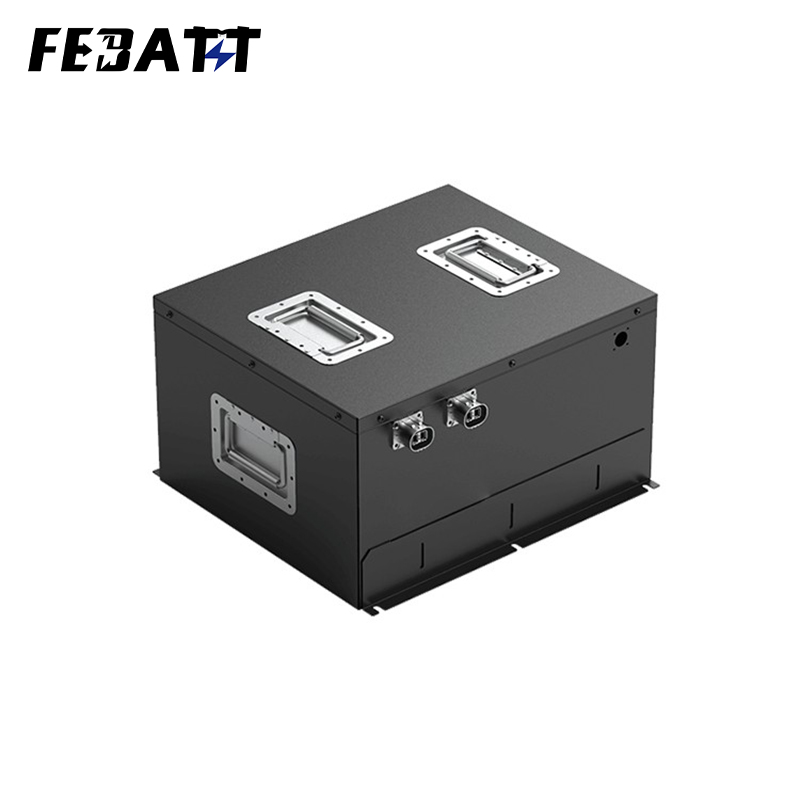
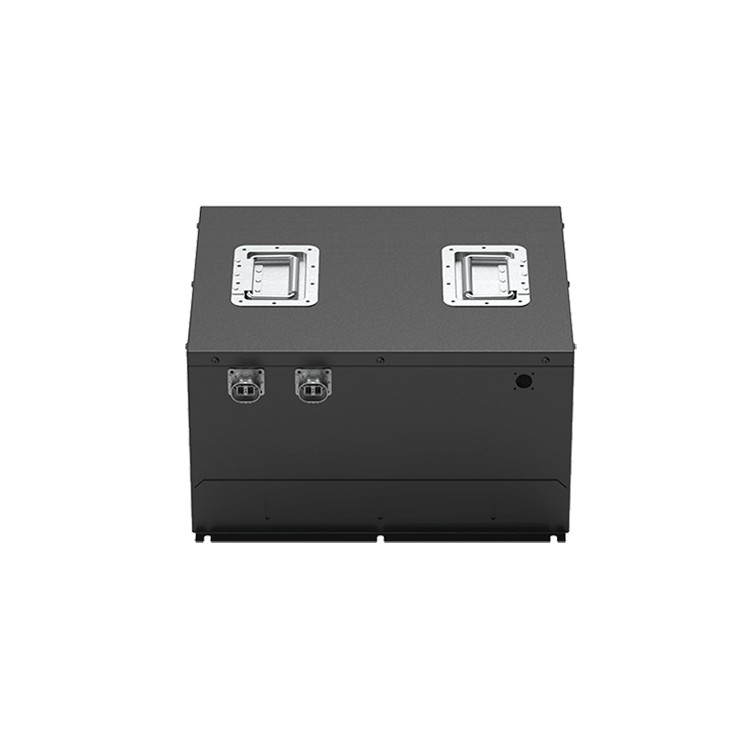
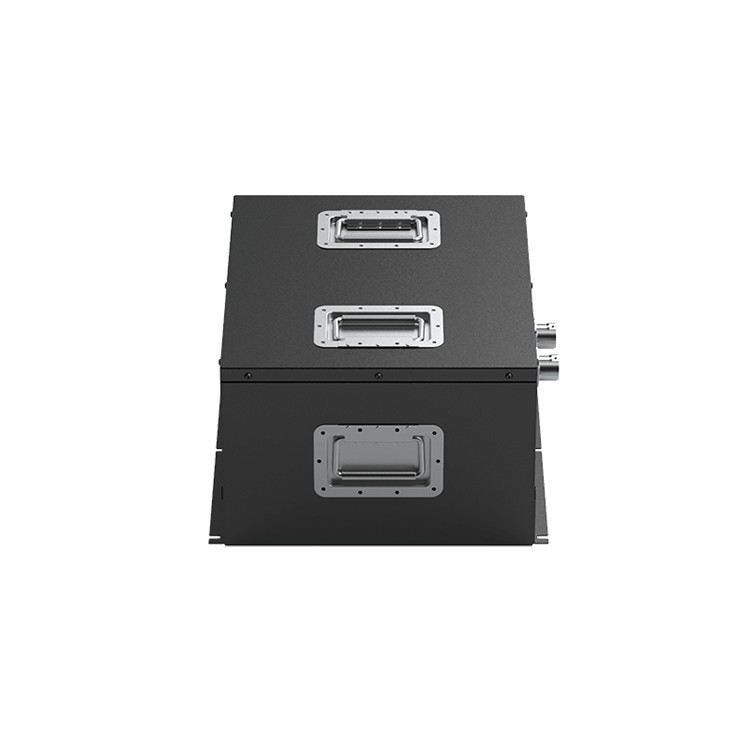
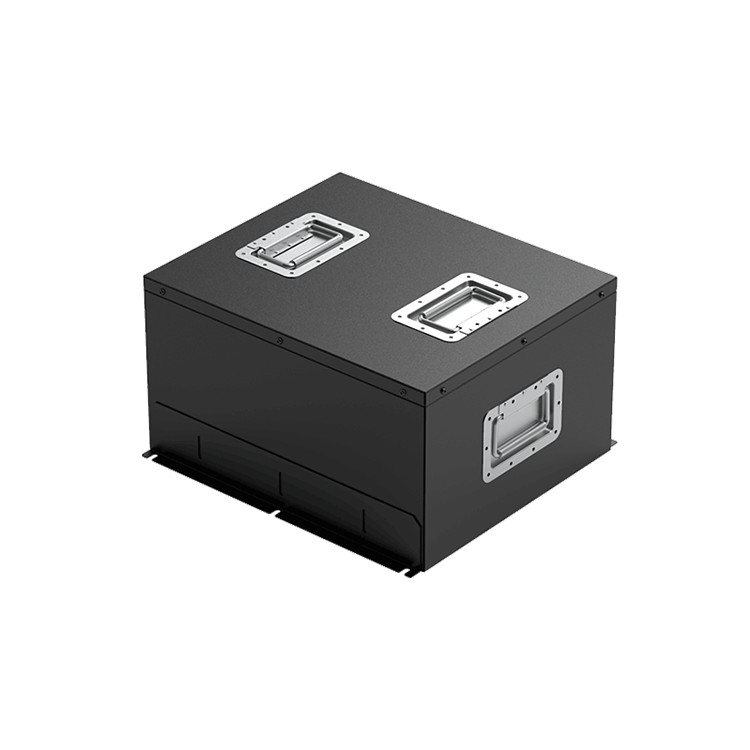
26650 48V 100Ah LFP Battery for Firefighting Robots

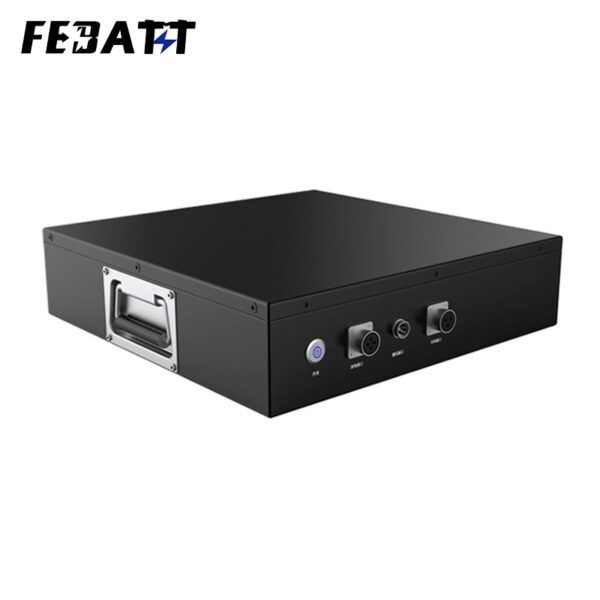
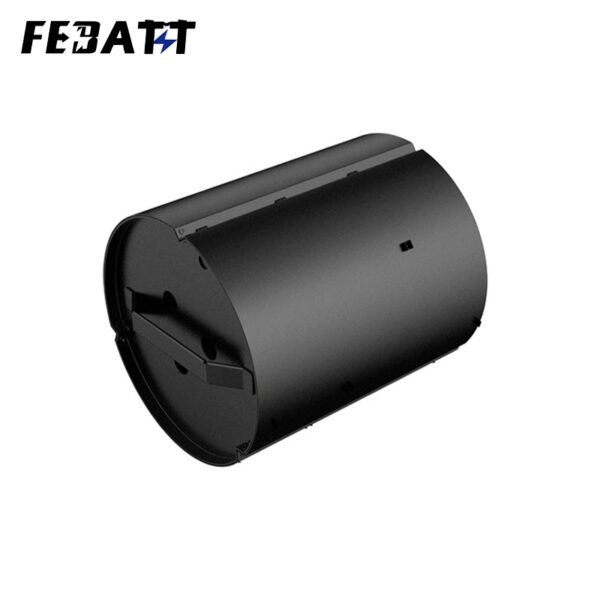
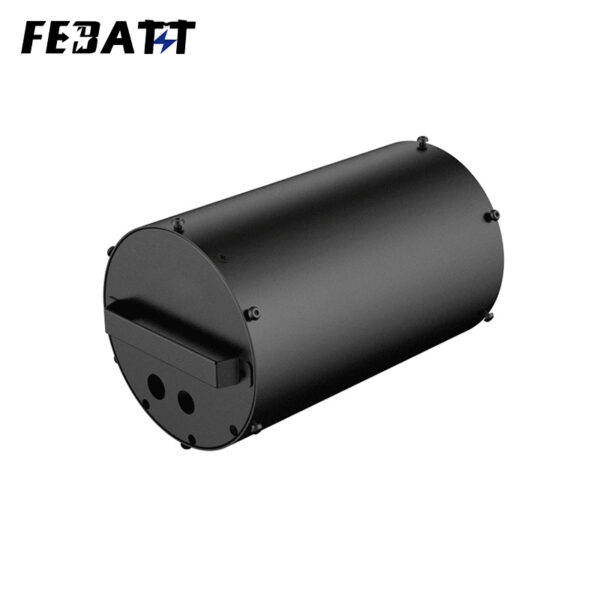
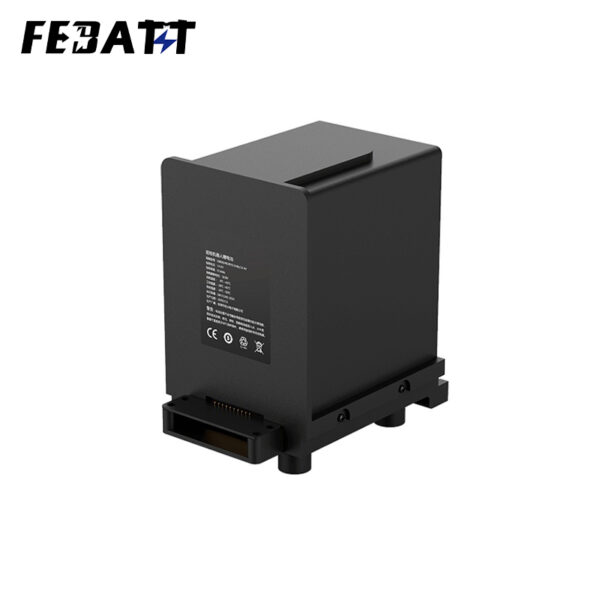
26650 48V 100Ah LFP Battery for Firefighting Robots: CAN – enabled, LiFePO₄ safety, 100Ah. Powers autonomous firefighting bots, emergency drones—reliable in high – risk missions.

  • Nominal Voltage:48V
  • Rated Capacity:100Ah
  • Dimension:470*430*277mm
  • Charge Voltage:54V
  • Charge Current:≤47A
  • Discharge Cut-off Voltage:37.5V
  • Weight:50kg
  • Operating Temperature:-20~60℃

26650 48V 100Ah LFP Battery for Firefighting Robots | CAN – Enabled Power for Emergency Response

Introduction

Engineered for extreme fire – fighting missions, the 26650 48V 100Ah LFP Battery for Firefighting Robots delivers rugged endurance, CAN – enabled intelligence, and 100Ah high – capacity power. As a premium LFP Battery for Firefighting Robots, it integrates LiFePO₄ safety, 48V stable output, and multi – layer protections—ideal for autonomous firefighting bots, emergency response drones, and high – risk industrial rescue systems.


Nominal Voltage:48V
Rated Capacity:100Ah
Dimension:470*430*277mm
Charge Voltage:54V
Charge Current:≤47A
Discharge Current:≤100A
Discharge Cut-off Voltage:37.5V
Weight:50kg
Operating Temperature:-20~60℃
Application:energy storage, AGV, robot, logistics vehicle, etc.


Core Specifications

Parameter 26650 LFP Battery for Firefighting Robots Standard LFP  Firefighting Robot Impact
Nominal Voltage 48V 48V Matches LFP Battery for Firefighting Robots power needs
Rated Capacity 100Ah 100Ah Powers 8 + hours of continuous firefighting ops
Battery Type LFP (LiFePO₄) LFP High – safety, high – temperature resilience
Communication CAN Bus None Real – time SOC, fault warnings during missions
Operating Temp – 20~60℃ – 20~60℃ Survives fire – zone heat, cold storage


Why This LFP Battery Dominates Firefighting Robotics

1. High – Power for Emergency Missions

The 48V 100Ah LFP Battery for Firefighting Robots ensures:
  • “100Ah Capacity: Runs autonomous firefighting robots to extinguish 5 + fire zones per charge—no mid – mission recharges.”
  • “48V Stable Output: Drives water pumps, thermal cameras, and navigation systems in smoke – filled environments.”

2. CAN – Enabled Smart Monitoring

Integrated CAN communication provides:
  • “Real – Time Fleet Tracking: Monitors battery health, voltage, and capacity—prevents robot shutdowns in high – risk fires.”
  • “Emergency Alerts: Overcurrent, overheating warnings—critical for remote – controlled rescue bots.”

3. Rugged Design for Extreme Environments

With 26650 LFP cells and – 20~60℃ operation:
  • “Fire – Resistant Casing: Survives sparks, debris in firefighting zones—protects battery and robotic systems.”
  • “Wide Temp Adaptation: Works in freezing (- 20℃) mountain rescues and 60℃ industrial fire zones.”

Application Scenarios

1. Autonomous Firefighting Robots

The LFP Battery for Firefighting Robots powers:
  • “Industrial Fire Bots: 48V output supports high – pressure water jets, extinguishing chemical fires in refineries.”
  • “Urban Rescue Drones: 100Ah capacity enables 4 + hours of thermal imaging, smoke detection in skyscraper fires.”

2. Emergency Response Systems

For high – risk missions:
  • “Military Firefighting Vehicles: CAN – enabled monitoring tracks battery health during combat – zone rescues.”
  • “Cold – Region Rescue Bots: Operates at – 20℃ in arctic oil – rig fires—no performance loss.”



FAQ

Q1: What applications are special robot lithium batteries designed for?

A: Special robot lithium batteries are designed for robotic systems that operate outside standard indoor service conditions, including patrol robots, firefighting robots, underwater robots or underwater equipment, inspection robots, and other specialized mobile platforms. Battery selection should be based on the robot’s voltage, runtime, load profile, available installation space, communication needs, charging method, and operating environment.

A: Start with the required voltage, usable capacity, continuous and peak current, target runtime, installation dimensions, weight limit, charging requirements, communication interface, and environmental conditions. Special applications may also require additional consideration for moisture, dust, vibration, shock, temperature, sealing, or other project-specific factors. The battery should therefore be engineered around the complete mission profile rather than selected by capacity alone.

A: LiFePO4 and other lithium-ion chemistries can both be used in special robot applications. LiFePO4 is often selected when thermal stability and cycle life are priorities, while other lithium-ion chemistries may be considered when energy density, weight, or compact size are more important. The appropriate chemistry depends on the robot’s duty cycle, space, load, environment, and performance requirements.

A: Yes. FEBATT can develop custom lithium battery packs for special robot projects, including patrol, firefighting, underwater, inspection, and other specialized robots. Customization may include voltage, capacity, dimensions, housing, connector type, BMS settings, charge and discharge current, communication interface, and environmental protection requirements. Final specifications should be defined according to the robot platform and operating conditions.

A: Yes. FEBATT can develop custom lithium battery packs for special robot projects, including patrol, firefighting, underwater, inspection, and other specialized robots. Customization may include voltage, capacity, dimensions, housing, connector type, BMS settings, charge and discharge current, communication interface, and environmental protection requirements. Final specifications should be defined according to the robot platform and operating conditions.

A: Depending on the project, interfaces such as RS485 or CAN can be integrated for communication between the battery BMS and the robot controller. These interfaces can transmit information such as state of charge, voltage, current, temperature, and fault status. Published FEBATT special-robot examples include patrol and firefighting robot battery configurations using RS485 or CAN, but the required protocol and message format should be confirmed for each project.

A: Environmental requirements should be defined during battery development. Factors may include moisture exposure, dust, vibration, shock, immersion, operating temperature, and mechanical impact. Battery chemistry, enclosure design, sealing, connector selection, thermal design, and BMS protection can then be configured for the application. Environmental protection levels and temperature limits should always be confirmed for the specific battery model or project rather than assumed across the full product range.

A: Cycle life depends on battery chemistry, depth of discharge, charge and discharge rate, operating temperature, charging strategy, and the robot’s duty cycle. For example, one published FEBATT 22.4V 28Ah patrol robot battery is specified for 1,000+ cycles while retaining at least 80% capacity. This is a model-specific reference, not a universal rating for all special robot batteries.

A: Special robots may experience short-duration power peaks during movement, climbing, acceleration, pump operation, actuators, or other mission-specific loads. The battery must provide sufficient continuous current for normal operation and adequate peak current for transient loads without excessive voltage drop or unwanted protection shutdown. These requirements should be matched to the cell configuration, BMS, connectors, wiring, and thermal design.

A: Charging voltage, maximum charge current, available charging window, charger communication, and mission schedule should be defined before the battery is finalized. Published FEBATT configurations show why this is model-specific: a 22.4V 28Ah patrol robot battery lists a maximum charge current of 14A, while a 48V 100Ah firefighting robot battery lists up to 47A. These figures are product examples only; the correct charging strategy must be matched to the selected battery and robot system.

Ready to Partner with FEBATT?

Join hundreds of B2B partners worldwide who trust us for reliable lithium battery solutions.

This site is protected by reCAPTCHA and the Google Privacy Policy and Terms of Service apply.
Scroll to Top

Professional Battery Solution Supplier

This site is protected by reCAPTCHA and the Google Privacy Policy and Terms of Service apply.