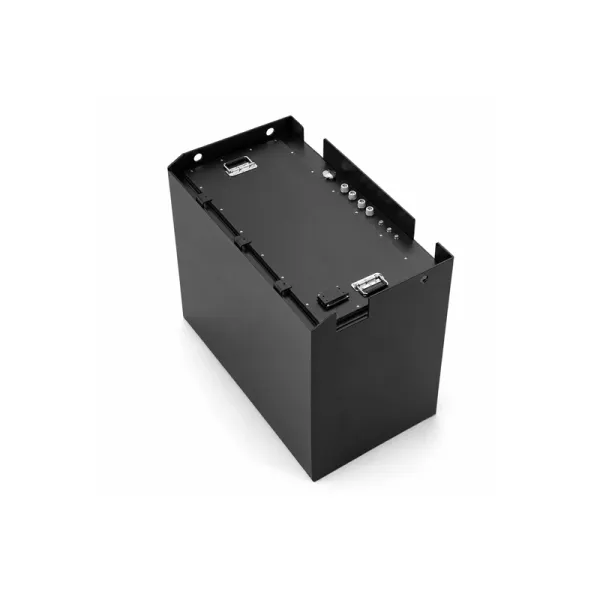
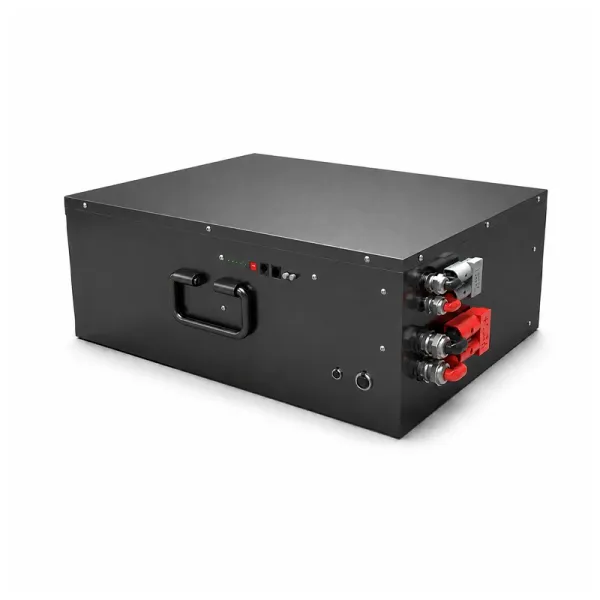
For an AGV or service-robot fleet, a battery change can interrupt deliveries, cleaning routes, or production transfers. Using lithium batteries in parallel can keep essential loads powered while one pack is replaced—but only when the robot has a purpose-built hot-swap architecture. Simply connecting two packs does not make battery removal safe. For OEM buyers, the real question is whether lithium batteries in parallel can maintain fleet availability without creating new electrical or service risks.
When Do Fleets Benefit From Lithium Batteries in Parallel?
Consider a warehouse with 10 robots, each stopping twice per day for a five-minute pack change. That is 100 robot-minutes of scheduled interruption daily—an illustrative calculation, not a measured FEBATT project result. Whether a hot-swap investment pays off depends on route criticality, replacement frequency, and the ability to keep working during the exchange.

In practice, lithium batteries in parallel suit robots that cannot easily leave service. A dual-pack design may allow the remaining pack to run essential robot loads during replacement. A published AGV battery project in South Korea illustrates why installation space, communications, and prototype validation matter before fleet production; it is not presented as a demonstrated hot-swap installation.
| Fleet application | Operational problem | Dual-pack priority |
|---|---|---|
| Warehouse AGVs and AMRs | Missed material-transfer windows | Maintain controller power and prevent system resets during safe battery exchange |
| Cleaning robots | Interrupted routes across shifts | Reduce return-to-base time |
| Hotel and delivery robots | Paused customer-facing service | Preserve navigation and task state |
Why Choose LiFePO4 for a Parallel Robot Battery System?
Compared with flooded lead-acid, suitable LiFePO4 packs generally need less maintenance and can reduce weight. A communication-enabled BMS can provide battery status and fault information to the robot controller, supporting coordinated power management. These are operational reasons to consider lithium batteries in parallel, not evidence that any lithium pack can be hot-swapped.
Buyers should compare usable energy, single-pack discharge capability, service access, expected cycle duty, and replacement logistics. Consistent pack interfaces and validated controls matter more than simply increasing nameplate capacity. LiFePO4 is a strong choice when weight, frequent operation, and monitoring justify lifecycle cost.
In a conventional parallel battery connection, system voltage remains unchanged while the combined available capacity increases. However, two batteries connected in parallel do not automatically provide independent power-path isolation or safe hot-swapping capability. Robot hot-swap systems require additional control and protection hardware.
How Does a Dual-Pack Hot-Swap System Work?
Each pack needs an independently protected power path. A practical design uses a pack BMS, suitable overcurrent protection, reverse-current blocking, controlled inrush or precharge, and a connector rated for the intended insertion sequence. The isolation hardware may sit in the packs or in a dedicated power-distribution unit.
When lithium batteries in parallel are installed, the controller monitors pack readiness before permitting a path to close. During removal, the remaining pack must supply the required load while the system isolates the departing pack without an unacceptable bus-voltage drop. During reinsertion, it checks compatibility and limits current before bringing the incoming pack online.

Ideal-diode MOSFET arrangements can suppress backfeed, while hot-swap controllers manage connection transients. Component-level switching times are not guaranteed robot-level transfer times. In other words, lithium batteries in parallel need validated system behavior, not just fast electronic parts.
What Can Go Wrong With Lithium Batteries in Parallel?
The most expensive failures are often operational: a robot resets halfway through a delivery, a connector overheats after repeated exchanges, or a second pack cannot support peak traction demand. Unequal pack voltages can also produce equalization current if the paths lack controlled isolation. Risk reviews for lithium batteries in parallel must include pack removal at peak robot demand.

A BMS protects its own battery, but two units do not automatically coordinate power transfer. The robot controller must handle pack identification, communications loss, fault isolation, and recovery. For more background, the LiFePO4 BMS guide explains the monitoring and protection functions that underpin those decisions.
What Must OEMs Test Before Approving a Hot-Swap Design?
Treat lithium batteries in parallel as a complete power system during validation, rather than testing two batteries separately.
| Acceptance check | Evidence to request |
|---|---|
| One-pack operation | Continuous and peak loads within the remaining pack's rated limits |
| Hot removal | Recorded DC-bus voltage and robot task continuity |
| Hot insertion | Measured inrush current and controlled connection sequence |
| Fault isolation | Response to reverse current, short circuits, and BMS trip events |
| Connector durability | Mating-cycle rating, temperature rise, and interlock behavior |
| Fleet communications | Pack status, alarms, and reconnection logs |
For example, FEBATT lists a 50Ah LiFePO4 battery for AGVs with a 50A continuous discharge rating at 23°C and RS485 communication. This is a published pack specification—not proof that the listed product supports hot swapping. With lithium batteries in parallel, buyers must verify that one qualified pack can carry the actual robot load alone.
What Should Fleet Buyers Put in the RFQ?
Specify the route schedule, peak motor demand, allowable interruption, number of daily exchanges, mounting constraints, connector life, and required BMS messages. Ask suppliers to distinguish a removable battery from a tested hot-swappable system. Also define who owns power-path electronics and fleet-level validation.
A vendor should provide a connection schematic, protection strategy, test plan, sample approval criteria, and change-control process. This power battery solutions describe application matching, OEM customization, BMS integration, and testing. These capabilities provide a starting point, with hot-swap feasibility confirmed separately for each project.
Frequently Asked Questions About Lithium Batteries in Parallel
Q: Can two lithium batteries be connected in parallel?
A: Yes, if their chemistry, operating ranges, protection behavior, and connection method are compatible. For robots, lithium batteries in parallel require engineered isolation and approval from the system designer; matching nominal ratings is not enough.
Q: Do lithium batteries in parallel need separate BMS units?
A: Removable robot packs should each retain independent protection. A supervisory controller can coordinate the pack paths, but lithium batteries in parallel still need inrush management, reverse-current protection, and defined fault handling.
Q: Can lithium batteries in parallel have different capacities?
A: Different capacities are technically possible in some engineered architectures, but current distribution and available runtime may differ. For lithium batteries in parallel, OEMs should qualify the complete operating range rather than assume proportional sharing.
Q: What happens if parallel lithium batteries have different charge levels?
A: State-of-charge differences can correspond to different terminal voltages. Without suitable isolation, connecting lithium batteries in parallel may create excessive equalization current. Control logic should check pack readiness before connection.
Q: Can lithium batteries in parallel be hot-swapped during operation?
A: Yes, in a system designed and tested for uninterrupted supply. One pack must handle the required load, while switching, precharge, and connector sequencing keep lithium batteries in parallel within safe limits.
For fleet OEMs, the purchasing decision is not simply whether to buy two packs. It is whether lithium batteries in parallel deliver verifiable continuity, serviceability, and predictable operating cost at fleet scale.