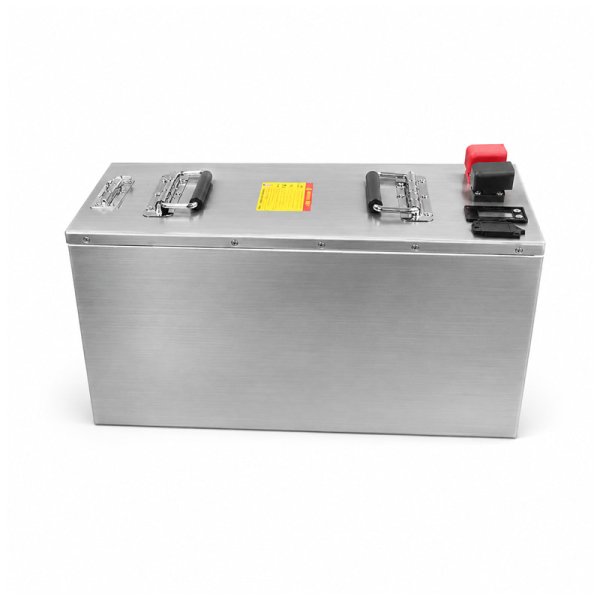
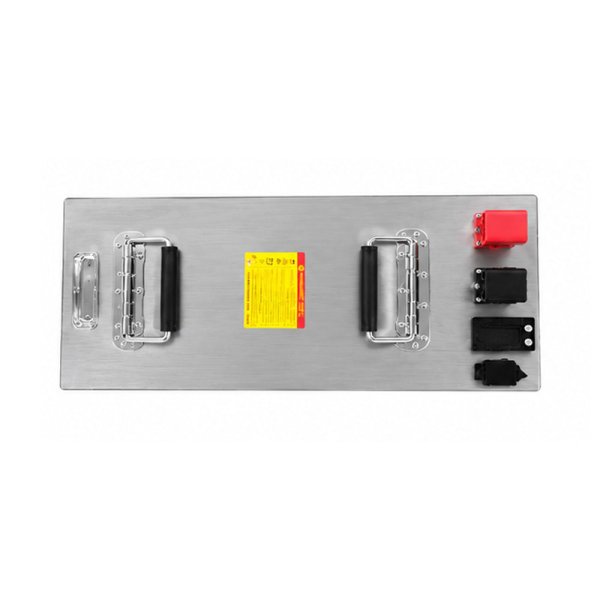
A warehouse robot battery is not just a component specification; it is a constraint on fleet availability. For OEMs deploying dozens of AGVs or AMRs, the right choice must fit each mission, survive repeated duty cycles, communicate with fleet software, and return to service without disrupting throughput. Start with real operating profiles and charger capacity, then standardize interfaces and validate the complete robot–battery–charger system before placing a bulk order.
Which Warehouse Robot Applications Need Different Battery Profiles?
Two robots on the same warehouse floor may impose radically different electrical demands. A warehouse robot battery for repetitive pallet movement experiences high traction loads and frequent acceleration, while one powering inventory scanning spends more time running sensors, computers, and wireless networks. Procurement teams should classify robots by mission before asking suppliers for a common pack.
| Robot application | Dominant operating stress | What buyers should prioritize |
|---|---|---|
| Goods-to-person AMRs | Frequent starts, stops, and high dispatch frequency | Predictable runtime, short opportunity-charge windows |
| Pallet-moving AGVs | Payload variation, ramps, and traction peaks | Peak-current headroom, secure mounting, temperature monitoring |
| Tugger and towing robots | Prolonged travel and variable drawbar load | Sustained power, thermal performance, service access |
Compare dispatch frequency, peak payload, ambient temperature, and allowable time off duty. These determine whether a warehouse robot battery needs energy reserve, peak power, or faster turnaround.
A single warehouse robot battery architecture can span several robot families only when energy, current, space, connector, and control requirements genuinely overlap. Otherwise, standardize the service interface while allowing application-specific pack variants. This avoids forcing a heavy transport robot and a lightweight inspection AMR into a false one-size-fits-all design.
For LiFePO4 warehouse robot battery proposals, OEMs should compare nominal voltage, usable energy, continuous and peak discharge current, charging limits, cycle-life test conditions, enclosure dimensions, and BMS communication requirements. These values must match the robot’s actual workload and control architecture rather than be selected from a generic AGV battery specification.
How Should OEMs Model Battery Demand Across a Working Shift?
Catalogued runtime under steady discharge rarely predicts real robot availability. Map each route into travel, lifting, waiting, computing, and idle periods; record peak current as well as average energy consumption. A warehouse robot battery sized around a theoretical shift length can fail when congested aisles, added payload, or repeated docking maneuvers alter the load profile.

For an illustrative AMR consuming an average of 350 W over seven active hours, the daily energy requirement is 2.45 kWh. Adding a 20% operating allowance gives 2.94 kWh of usable energy. At an assumed 80% permitted depth of discharge, this implies approximately 3.68 kWh nominal capacity—before any extra end-of-life or temperature allowance. These are planning assumptions, not a universal specification.
Collect full-shift telemetry during peak traffic. A warehouse robot battery sized from a demonstration route can miss efficiency losses and workload changes that appear after commissioning.
A sound warehouse robot battery sizing model therefore uses measured watt-hours per mission, worst-case current transients, allowable discharge limits, and a defined capacity-retention threshold. OEMs should validate the estimates using loaded runs, not just engineering spreadsheets. The aim is repeatable completed missions per shift, not a flattering headline runtime.
Can Charging Windows Support Peak Fleet Throughput?
A warehouse robot battery may have ample capacity yet still create a bottleneck if charging opportunities are scarce. Model when robots arrive, how long docking takes, what charge power is available, and whether a charger can serve the next robot while another pack cools or balances. Charger count is a fleet-capacity question, not merely an electrical accessory decision.
Consider 24 robots, each needing one 12-minute top-up every two hours. That produces 12 charging sessions per hour, requiring 144 dock-minutes of charging per hour. At a planned 70% dock utilization, at least four charging positions are indicated (144 ÷ 60 ÷ 0.70 = 3.43, rounded up). Arrival clustering, charging taper, and failed docking can increase the requirement.
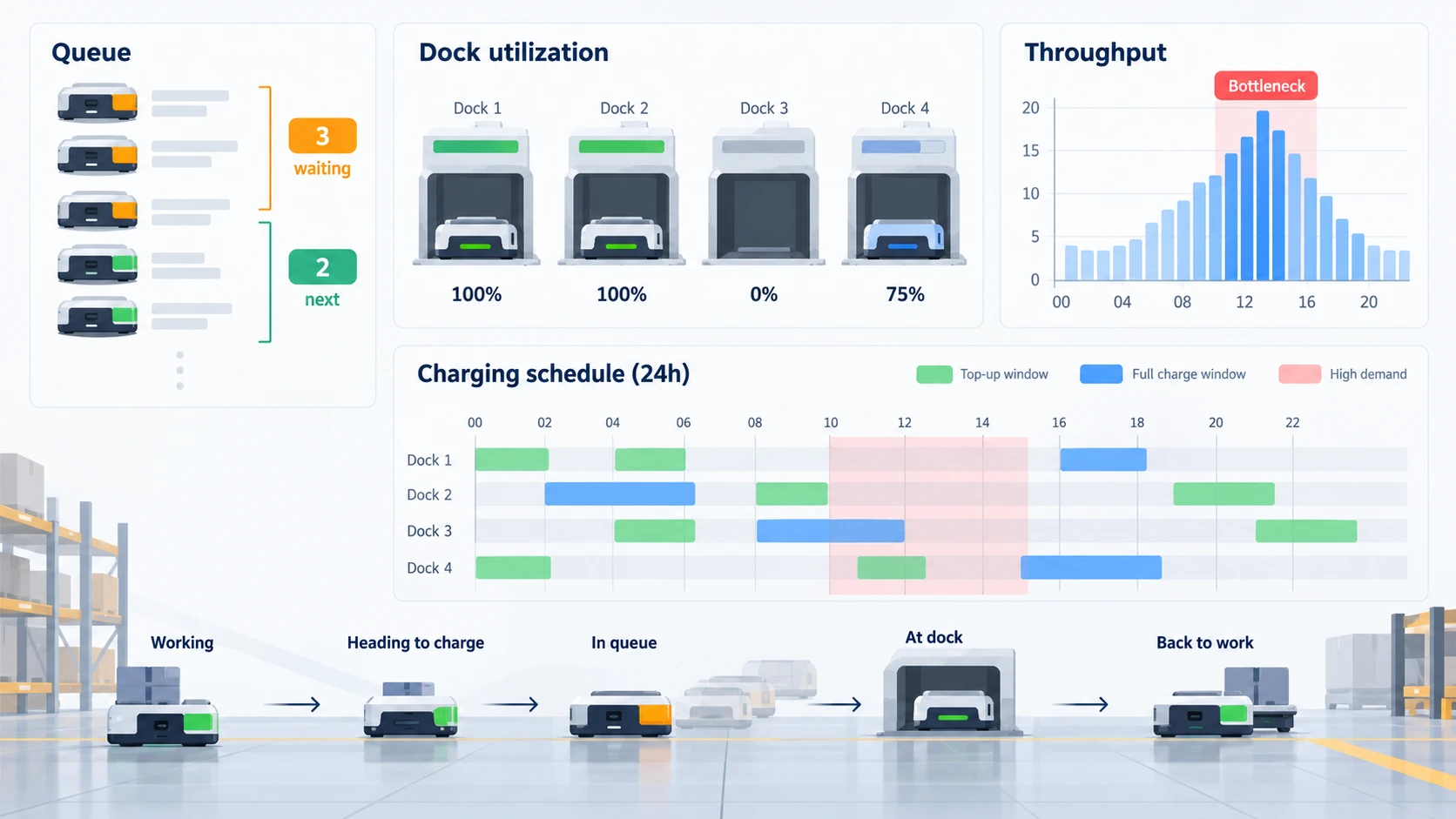
Simulate charging queues against dispatch schedules. A warehouse robot battery cannot overcome shared-charger delays, late arrivals, or blocked docking bays, regardless of its laboratory charge-rate rating.
Specify a warehouse robot battery against the actual charging pattern: automatic contact or other compatible docking, allowable charge current across temperature and state of charge, and what the robot does if communication drops. In FEBATT’s documented AMR battery integration project, charging-station compatibility was assessed alongside pack fit and control-system integration—not treated as an afterthought.
What Must OEMs Standardize Across a Multi-Robot Fleet?
Uncontrolled variation in a warehouse robot battery turns minor field repairs into inventory problems. OEMs should define a common interface control document (ICD) covering connector pinouts, mounting points, pack identification, communication messages, interlocks, safe-state behavior, firmware compatibility, and acceptable dimensional tolerances.
Standardize these features wherever practical:
- Mechanical:envelope, fasteners, removal clearance, lifting method, and retention under vibration.
- Electrical: protection coordination, continuous and transient power limits, and charger handshake.
- Digital: message definitions, update intervals, fault codes, and revision tracking.
- Commercial:spare-pack interchangeability, change notification, labeling, and warranty evidence.
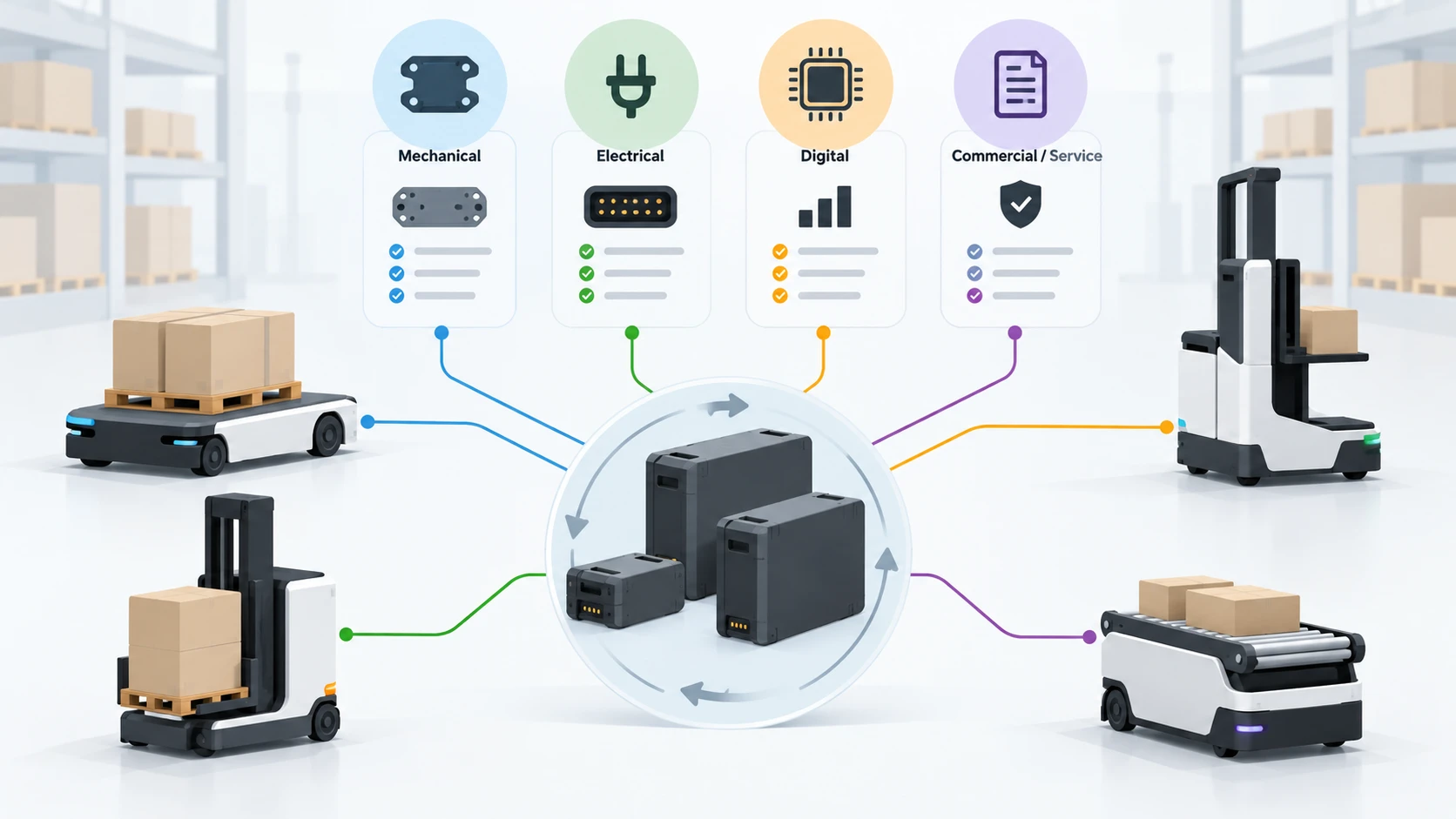
Make each warehouse robot battery revision identifiable during receiving and within fleet software; identical-looking spares can otherwise conceal incompatible firmware or wiring changes.
Keep capacity or enclosure variants when the mission demands them. A warehouse robot battery standard should make maintenance predictable, not constrain robot performance. Require suppliers to declare all hardware, firmware, and cell substitutions, with requalification triggers agreed before production.
Which Battery Data Must Fleet Software Receive?
Fleet orchestration depends on knowing which robot can finish its next task and which must charge. At minimum, a warehouse robot battery should report state of charge (SOC), voltage, current, pack temperature, charge/discharge permissions, protective faults, and pack identity. State of health (SOH), cycle or energy throughput, and event history enable deeper reliability analysis.
The BMS typically reports battery status to the robot controller, which passes relevant operating data to the fleet-management system through the platform’s defined interface. OEMs should verify this data path and its communication-failure behavior before deployment.
Test how controllers respond when a warehouse robot battery reports stale SOC, delayed messages, or reduced power. Dispatch logic needs defined fallback behavior.
Do not accept “CAN supported” or “RS485 available” as a complete integration specification. Define message IDs or registers, units, scaling, polling or broadcast rates, timeout handling, start-up sequencing, and access to historical alarms. A useful warehouse robot battery interface must also distinguish a temporary power derating from a latched fault that requires service.
Poor SOC estimation causes avoidable mission aborts. Test estimator behavior after partial charging, idle periods, cold starts, and pack replacement. The fleet manager should act on validated remaining energy and current power limits—not on an unqualified percentage alone. Data ownership, firmware access, and diagnostic tooling belong in the supplier agreement.
How Can Buyers Reduce Replacement Time and Fleet Maintenance?
A fleet’s maintenance burden grows when every warehouse robot battery demands a proprietary tool, lengthy recalibration, or manual software intervention. Before purchase, ask a technician to remove and reinstall a representative pack under actual aisle and chassis constraints. Record the steps, elapsed time, required tools, and safety checks.
Define whether a replacement pack is truly plug-compatible: correct physical fit, matching pinout, approved chemistry and charge profile, compatible BMS protocol, and recognized pack identity. A warehouse robot battery should not be considered interchangeable merely because its nominal voltage matches. Require clear procedures for isolation, firmware revision control, and recommissioning.
For multi-site deployments, calculate lifecycle cost from replacement labor, spare-pack inventory, vehicle downtime, warranty exclusions, and logistics—not initial unit price alone. Track recurring fault patterns by pack serial number and robot type. The lowest bid can become costly when a replacement unit immobilizes an otherwise serviceable robot.
Which Acceptance Tests Prevent Fleet Deployment Failures?
Qualification must cover the complete warehouse robot battery ecosystem, not only a supplier’s bench-test report. Establish measurable pass/fail criteria with the OEM, then test representative production-intent packs in the robot, with the intended charger and fleet controller.
- Mission simulation: loaded routes, starts, lifts, ramps, idle draw, and repeatability across shifts.
- Docking and recovery: automated alignment, charge initiation, charge interruption, and restart after communications loss.
- Fault handling: temperature limits, overcurrent response, low-energy warnings, safe stop, and fault-log accuracy.
- Service interchangeability: replace a pack, verify identity and SOC reporting, and restart without undocumented controller changes.
- Production consistency: end-of-line records, serial traceability, agreed sampling, and controlled engineering revisions.
A warehouse robot battery is fleet-ready only when its measured operation meets defined acceptance thresholds under representative conditions. Record who signs off on the design, pilot fleet, and production release.
What Should B2B Buyers Include in a Battery RFQ?
A useful warehouse robot battery RFQ describes the work performed, integration dependencies, and acceptance evidence—not a voltage-and-capacity wish list. Supply robot counts by type, payload and route profiles, shifts per day, charger availability, environmental conditions, and planned service life.
Request a supplier response covering:
- Operating profile: measured energy per mission, current peaks, thermal limits, and usable-capacity assumptions.
- Integration package: mechanical drawings, connectors, BMS protocol/ICD, charging handshake, and firmware management.
- Reliability: qualification matrix, production inspection plan, fault records, traceability, and applicable transport documents.
- Fleet support: sample lead time, mass-production capacity, spare-pack strategy, change control, warranty, and field-service process.
Ask each vendor to price the same warehouse robot battery acceptance scope and define what triggers redesign or additional testing. A clear RFQ makes competing quotations comparable and prevents late-stage surprises when procurement, controls engineering, and warehouse operations finally meet.
Frequently Asked Questions About Warehouse Robot Batteries
Q: Can AGVs and AMRs use the same warehouse robot battery?
A: Yes, if their load profiles, physical envelope, charging interface, and BMS messages match. Different payloads or peak currents may require pack variants even when the robots share a fleet platform.
Q: How many hours should a warehouse robot battery last?
A: There is no fixed number. Required runtime depends on mission energy, payload, duty cycle, and access to charging. Buyers should specify missions completed per shift and validate performance with loaded trials.
Q: What battery data should warehouse robots report to fleet systems?
A: At minimum: SOC, voltage, current, temperatures, charge/discharge permissions, fault status, and pack identity. SOH, energy throughput, and event history support maintenance planning and diagnostics.
Q: Can warehouse robot batteries be replaced without changing the robot controller?
A: Often, yes—but only after verifying fit, connectors, BMS messages, firmware expectations, and charger settings. A matching voltage alone does not establish replacement compatibility.
Q: What tests should OEMs request before ordering warehouse robot batteries in bulk?
A: Request loaded mission tests, docking and charging trials, fault-response checks, replacement validation, and production traceability. Set measurable acceptance limits before approving volume production.
Ready to Specify a Warehouse Robot Battery for Fleet Deployment?
Bring your robot duty-cycle logs, fleet size, charger arrangement, communication protocol, and replacement requirements to the conversation. FEBATT’s B2B power battery solutions team can discuss a project-specific warehouse robot battery specification and prototype-validation plan before bulk procurement.