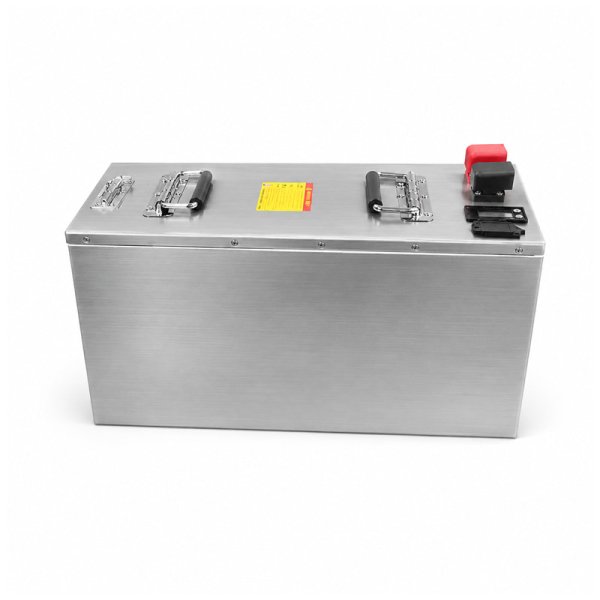
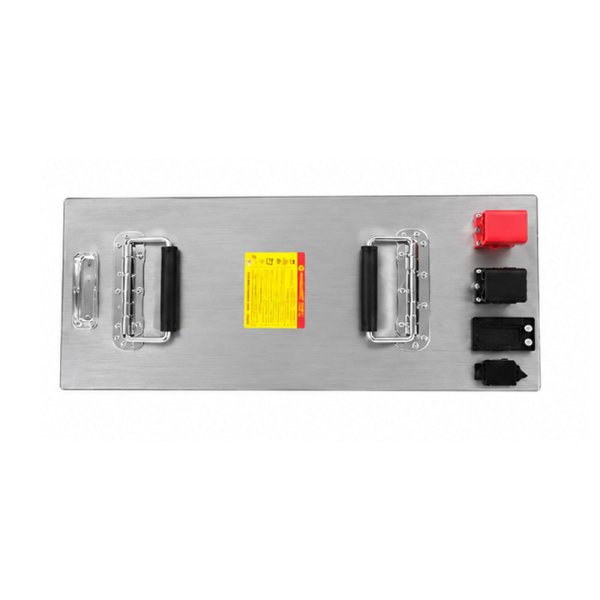
A long service life is one of the main reasons commercial operators choose lithium iron phosphate (LFP) batteries for electric tricycles, forklifts, golf carts, RV systems, electric motorcycles, and other power-driven equipment. However, a cycle-life figure on a specification sheet is not the same as guaranteed years in service. Actual LiFePO4 battery life depends on charging rate, depth of discharge, temperature, time spent at high state of charge, and whether the battery management system (BMS), charger, enclosure, and vehicle are properly matched.
A rating such as 3,000 cycles can be achievable for some LFP cells or packs under defined laboratory conditions, but B2B buyers should ask what those conditions were. Depth of discharge, current, cell temperature, voltage limits, balancing strategy, and the end-of-life criterion can materially change the result. The practical question is not simply, “How many cycles does this battery have?” It is, “What operating practices will help this pack deliver the LiFePO4 battery life expected in our duty cycle?”
Good LFP charging habits, sensible storage, appropriate temperature control, and timely inspection can reduce avoidable degradation. The guidance below keeps the useful lessons from the supplied source while replacing universal charging claims with application-specific rules that fleet managers can verify with their battery supplier.
Why Can Rated LiFePO4 Battery Life Differ from Fleet Service Life?
A battery cycle is best understood as energy throughput rather than the number of charger connections. One equivalent full cycle is approximately the cumulative use of 100% of rated capacity. Using 40% of a pack and recharging it twice represents about 0.8 equivalent full cycles, not two complete cycles.
Laboratory tests are designed to be repeatable. Cells may be cycled at a controlled temperature, fixed current, defined depth of discharge, and an end-of-life threshold such as 80% remaining capacity. Commercial operation is less controlled. A forklift may experience high current during lifting, an electric tricycle may run in hot traffic, a golf cart may sit in the sun, and an RV battery may remain at a high SOC for long periods.
Calendar aging also matters. A battery can lose capacity while it is not cycling, particularly when stored hot or at high SOC.
To judge a cycle-life claim, ask for the test temperature, charge and discharge rate, depth of discharge, voltage limits, balancing method, and remaining-capacity threshold. FEBATT’s power battery solutions provide a useful starting point for discussing how voltage, capacity, current capability, BMS functions, thermal requirements, and mechanical packaging should be matched to a commercial application. A project-level review is more meaningful than applying one generic LiFePO4 battery life number to every vehicle.
Which LFP Charging Habits Protect LiFePO4 Battery Life?
Charging behavior is one of the most controllable contributors to battery aging, but rules such as “fast charging always destroys LFP” or “always stop at 80%” are too broad. The correct approach is to keep charge current, voltage, temperature, and balancing behavior within the limits validated for the selected cells and pack.
Use the Approved Charge Rate, Not the Fastest Available Rate
High-current charging can increase heat and electrochemical stress, especially when cells are cold, near the top of charge, or already hot from a demanding shift. At the same time, well-designed LFP cells can support relatively high charge rates when the charger, BMS, conductors, connectors, and thermal design are engineered for them. Fast charging is therefore not automatically harmful; repeated charging outside validated current and temperature limits is the concern.
A warehouse forklift may be designed for opportunity charging, while an electric tricycle fleet may be well served by lower-rate overnight charging. Procurement teams should request charge-rate limits across temperature and SOC rather than assume one C-rate fits every pack. Staying within those limits is one of the most useful LFP charging habits for protecting LiFePO4 battery life.

Do Not Turn the “80% Rule” into a Universal LFP Rule
Operating away from very high and very low SOC can reduce avoidable stress, so a moderate daily SOC window is often useful. However, LFP has a relatively flat open-circuit-voltage curve across much of its SOC range, which can make SOC estimation more difficult. Some BMS designs therefore use periodic full charging to improve calibration or activate top balancing.
This does not mean every LFP pack must reach 100% every week, nor does it mean operation between 20% and 80% harms the cells. Full-charge frequency depends on BMS architecture, balancing thresholds, charger logic, cell matching, and manufacturer instructions. Fleets should document a normal daily charge target and a separate pack-specific calibration or balancing procedure. This protects LiFePO4 battery life without copying rules written for another system.

Use a Charger Configured for the Actual Pack
A suitable charger must match pack voltage, maximum current, charge profile, temperature restrictions, and any CAN or other communication requirements. A legacy lead-acid charger should not be assumed compatible simply because nominal voltage is similar. Incorrect cutoff behavior or float logic can create unnecessary stress or interfere with BMS operation.
Treating the charger and battery as one engineered system is a practical way to preserve LiFePO4 battery life and reduce avoidable downtime.
How Can Operators Prevent LiFePO4 Capacity Loss and Protect LiFePO4 Battery Life?
Repeatedly driving equipment to the lower protection limit is not a good way to increase usable energy. Deep discharge leaves less margin for cell-to-cell differences. If a weaker cell reaches its minimum voltage first, the BMS may shut the system down even when the displayed SOC suggests some energy remains.
It is also important to distinguish dashboard 0% from true cell overdischarge. A properly configured BMS normally stops discharge before cells reach damaging voltage levels. Severe mechanisms such as copper-current-collector dissolution are associated with cells being driven below their safe lower-voltage region, not simply with a display reading of 0%.
For daily operation, set a recharge threshold before the pack routinely reaches low-voltage protection. A forklift or electric tricycle that finishes a shift with reserve is less likely to experience sudden shutdowns, excessive current demand at low SOC, or prolonged storage while depleted. This is a practical way to prevent LiFePO4 capacity loss and support LiFePO4 battery life.
If equipment reaches its BMS cutoff, recharge it promptly with the approved charger and review fault logs if the shutdown was abnormal. Do not bypass the BMS or intentionally force deeper discharge for “calibration.”
Does Long-Term Full Charge or Float Storage Shorten LiFePO4 Battery Life?
Storage conditions can be as important as daily cycling. Holding lithium-ion cells at high SOC for long periods, particularly at elevated temperature, can accelerate calendar aging. This does not mean reaching 100% during normal operation is inherently harmful; the concern is unnecessary time at high SOC when equipment will not be used.
Traditional lead-acid practices can create confusion. Lead-acid batteries are often maintained on float charge, while LFP systems may use different standby logic. Some commercial systems are designed to remain connected to an intelligent charger, while others specify a storage SOC and require disconnection. Operators should follow the pack manufacturer’s procedure rather than assume continuous float is beneficial.

For seasonal equipment, RV power storage care should answer three questions: What SOC should the pack be stored at? How often should it be checked? What temperature range is allowed? A moderate SOC is commonly used for long-term lithium-ion storage, but the exact target should come from the supplier because BMS standby consumption, pack architecture, and storage duration differ.
Golf cart battery maintenance follows the same principle. A fleet parked for weeks should not be left fully depleted or unnecessarily held at maximum voltage in a hot building. Record storage SOC, isolate parasitic loads when permitted, keep the environment within specification, and schedule periodic checks. These steps reduce calendar-aging stress and help preserve LiFePO4 battery life.
How Do Temperature, Load, and Physical Conditions Affect LiFePO4 Battery Life?
Temperature affects both performance and aging. Elevated cell temperature generally accelerates side reactions and calendar aging, especially at high SOC. Low temperature reduces charge-transfer and diffusion rates, while charging a cold graphite-based lithium-ion cell at excessive current increases lithium-plating risk. Safe charge, discharge, and storage limits are product-specific and should be controlled by the BMS and operating procedures.
Protecting LiFePO4 battery life therefore means avoiding preventable heat accumulation. Allow a forklift pack to cool if a demanding shift has pushed cell temperature near its charging limit. Park electric tricycles or golf carts in shade when practical. For an RV, consider the temperature around the battery compartment rather than outdoor air alone.
Cold-weather charging requires the same discipline. Many conventional LFP packs restrict or reduce charging near or below freezing unless the cells are warmed first. Some systems use integrated heaters or temperature-based current derating. Follow the cell and pack temperature limits and let the BMS or approved heating strategy establish safe conditions before charging.
Current demand also affects temperature. Repeated heavy forklift lifts, frequent high-power acceleration, or operation above intended payload can increase internal heating and voltage drop. A correctly sized heavy-duty pack should meet the real continuous and peak current profile so normal work does not constantly push the battery to its limits.
Physical protection matters too. Vibration, loose connections, damaged mounts, enclosure impacts, water intrusion, blocked airflow, and corrosion around external connectors can create failures unrelated to cell chemistry. Regular inspection of mounting hardware, connectors, harnesses, seals, and fault records should be part of any plan to extend LiFePO4 battery life.
How Should Different Fleets Protect LiFePO4 Battery Life?
The same chemistry can experience very different stress depending on the application. A good maintenance plan starts with the real operating pattern rather than a generic charging schedule.
Electric Forklifts
Forklifts combine high current, repeated starts, lifting loads, opportunity charging, and sometimes multi-shift operation. Verify that charge current and temperature remain within the pack’s approved window. Forklift battery calibration should follow the BMS supplier’s documented procedure rather than a fixed weekly rule copied from consumer advice.
Review charge events, high-temperature events, low-voltage cutoffs, current peaks, and cell imbalance when telemetry is available. If one forklift repeatedly reaches thermal derating while identical units do not, investigate route, payload, connector resistance, cooling, or operator behavior. These checks can extend LiFePO4 battery life and separate battery aging from vehicle problems.
Electric Tricycles and Delivery Fleets
Commercial electric tricycles may complete many short trips with frequent partial charging. This can be compatible with LFP when the charger and pack are designed for it. Avoid repeated deep depletion at the end of a route, and schedule charging so a hot pack is not immediately pushed outside its approved charging range.
Payload also matters. Consistent overloading increases current demand and heat. Route planning and correct pack sizing help control this stress.
Golf Carts and Utility Vehicles
Golf cart battery maintenance should address seasonal idle time, solar heating, charger behavior, and repeated shallow cycles. Use the supplier’s daily charge target, complete any required balancing routine, and inspect stored vehicles before service.
Because carts may sit outdoors between uses, temperature exposure can be significant. Shade, ventilation, and a clean battery compartment can support LiFePO4 battery life without adding complicated maintenance.
RV Power Systems
RV power storage care is dominated by calendar aging, storage duration, parasitic loads, and charger configuration. An RV may use relatively few equivalent full cycles per year but still spend months connected to shore power. Verify whether the inverter/charger has an LFP-specific profile, whether standby mode holds the pack unnecessarily high, and what storage SOC the battery manufacturer recommends.
For long storage, isolate nonessential loads when permitted, confirm BMS standby consumption, and inspect the battery before the next trip.
Electric Motorcycles and Other Power-Driven Equipment
Electric motorcycles can place high pulse-current demands on the battery during acceleration. Correct cell power capability, low-resistance connections, and temperature monitoring are important. Do not use a pack designed for a low-current application simply because voltage and capacity appear compatible. Matching the battery to controller current, charging strategy, and enclosure conditions protects LiFePO4 battery life and vehicle performance.
What Is a Practical Action Plan to Extend LiFePO4 Battery Life?
For a commercial fleet, the best maintenance plan is one operators can follow consistently and managers can audit. A documented routine also makes LiFePO4 battery life easier to manage across multiple vehicles.
- Define the approved operating envelope.Record maximum continuous and peak charge/discharge current, charging and discharge temperature ranges, BMS cutoffs, and charger specification.
- Establish a daily SOC policy.Recharge before routine operation repeatedly reaches low-voltage protection, and avoid leaving fully charged equipment unused for long periods when the supplier recommends a lower storage SOC.
- Separate daily charging from calibration or balancing.If the BMS requires periodic full charging, document the required frequency and completion criteria instead of inventing a weekly rule.
- Control temperature before and during charging.Use pack heating, current derating, cooldown periods, ventilation, or other validated measures when conditions require them.
- Monitor high-current applications.Check whether payload, route, acceleration, lifting demand, or charging schedule is driving repeated thermal or current-limit events.
- Use storage procedures, not lead-acid habits.Follow the specified storage SOC, disconnect requirements, inspection interval, and temperature range.
- Inspect mechanical and electrical condition.Look for loose connectors, damaged seals, impact marks, water ingress, corrosion, blocked airflow, and mounting problems.
- Track battery data over time.Where available, compare capacity, internal resistance, cell balance, fault events, and runtime trends. Trends are more useful than one isolated SOC reading when judging LiFePO4 battery life.
For procurement teams, ask suppliers for cycle-life test conditions, temperature-dependent charge limits, BMS balancing logic, storage guidance, communication protocols, warranty conditions, and application-specific validation. This makes engineering comparisons more meaningful than headline cycle counts.
Technical Relevant FAQ
1.How often should a commercial LFP battery be charged to 100%?
There is no universal weekly requirement. Some LFP systems use a full charge to improve SOC calibration or allow top balancing, while others use different strategies. Follow the manufacturer’s BMS calibration and balancing procedure. If periodic full charging is required, complete it under the specified charger and temperature conditions rather than leaving the pack at 100% longer than necessary.
2.Can the charger stay connected constantly without reducing LiFePO4 battery life?
Only if the battery and charger are designed for that operating mode. Long-term high SOC and elevated temperature can accelerate calendar aging, so continuous connection should not be assumed harmless. For seasonal storage, follow the supplier’s specified SOC, charger, and disconnect procedure.
3.What happens if the equipment reaches 0% state of charge?
A dashboard reading of 0% does not necessarily mean the cells have reached zero volts. A properly configured BMS normally stops discharge before severe overdischarge. However, repeatedly running to low-voltage protection reduces operating margin and can increase stress on the weakest cell. Recharge promptly and investigate repeated unexpected cutoffs.
4.Do I need a dedicated charger to protect LiFePO4 battery life?
Use a charger approved for the actual pack. It must match voltage, allowable current, cutoff behavior, temperature restrictions, and communication requirements. A charger intended for lead-acid batteries or another lithium system should only be used if the battery manufacturer explicitly confirms compatibility.
5.What temperature causes the greatest damage to LiFePO4 battery life?
There is no single universal threshold. Prolonged high temperature generally accelerates aging, particularly at high SOC, while charging at low cell temperature can increase lithium-plating risk if current is too high. Safe limits depend on the selected cell, pack design, SOC, current, and BMS strategy.
6.Does fast charging always shorten LiFePO4 battery life?
No. Fast charging can be compatible with LFP cells designed for high-rate operation when temperature, SOC, current, and pack hardware remain within validated limits. Aggressive charging outside those limits can accelerate degradation. B2B buyers should request the permitted charge-rate curve across temperature and SOC instead of relying on a single maximum C-rate.
Conclusion
Long LiFePO4 battery life is not created by one magic SOC percentage or one charging schedule. It comes from matching the battery to the application and keeping current, voltage, temperature, storage conditions, and BMS behavior inside validated limits. The most useful lessons from the supplied source remain valid: avoid unnecessary heat, repeated deep depletion, unsuitable charging, prolonged high-SOC storage, and physical damage. The key improvement is to apply those lessons through product-specific engineering limits rather than universal rules.
For forklifts, electric tricycles, golf carts, RV systems, electric motorcycles, and other commercial equipment, disciplined operating procedures can reduce avoidable degradation and improve replacement planning. Treat cycle-life ratings as test results with conditions, build LFP charging habits around the approved pack specification, and monitor fleet data over time. That is the most credible path to extending LiFePO4 battery life while protecting uptime and total cost of ownership.