Choosing the right electric two-wheeler battery is one of the most important decisions for electric scooter brands, electric motorcycle manufacturers, fleet operators, and battery distributors. The battery affects range, acceleration, charging time, safety, service life, vehicle weight, and long-term operating cost.
For B2B buyers, the decision is not only about finding a battery with a larger capacity or lower price. A suitable battery pack must match the vehicle platform, motor power, controller system, riding environment, charging method, and target market requirements. A poor battery choice can lead to unstable performance, short service life, warranty pressure, and customer complaints.
This guide explains how to choose the right electric two-wheeler battery from a practical B2B perspective. It covers battery chemistry, voltage, capacity, range, weight, cycle life, safety features, charging speed, and supplier evaluation.
What Is an Electric Two-Wheeler Battery?
An electric two-wheeler battery is the main energy storage system used in electric motorcycles, electric scooters, and other two-wheel electric vehicles. It stores electrical energy and supplies power to the motor, controller, lighting system, display, and other auxiliary electronics.
Modern battery packs are not simple energy boxes. A complete battery pack usually includes cells, a Battery Management System, internal wiring, connectors, insulation materials, thermal protection, and an external casing. These components work together to deliver stable power while protecting the battery from abnormal operating conditions.
For electric two-wheelers, the battery directly influences:
- Riding range
- Acceleration performance
- Hill-climbing ability
- Charging convenience
- Vehicle weight and handling
- Service life
- Safety and reliability
- Total cost of ownership
For commercial buyers, an electric two-wheeler battery is not just a component. It is a core part of the vehicle’s value. A high-quality battery can improve product competitiveness, while a weak battery can damage the user experience even if the vehicle design looks good.
If you are comparing different battery options for electric motorcycles and scooters, this electric motorcycle battery product category can help you review available power battery solutions.
Which Battery Chemistry Is Best for Electric Two-Wheelers?
Battery chemistry determines the basic performance profile of an electric two-wheeler battery. It affects safety, energy density, cycle life, weight, charging behavior, and cost. The most common options are lithium iron phosphate, nickel manganese cobalt, and lead-acid.

| Battery Type | Main Advantages | Main Limitations | Suitable Applications |
|---|---|---|---|
| LiFePO4 / LFP | Long cycle life, strong safety, good thermal stability | Lower energy density than NMC | Fleet use, delivery scooters, long-life commercial projects |
| NMC | Higher energy density, lighter weight, strong performance | Needs better thermal control and BMS protection | Electric motorcycles, compact high-range designs, premium models |
| Lead-Acid | Lower upfront cost, mature supply chain | Heavy weight, shorter life, slower charging | Low-cost replacement or legacy systems |
For most modern B2B projects, lithium batteries are a better choice than lead-acid batteries. They offer better energy efficiency, lighter weight, longer service life, and more stable performance.
LFP batteries are often preferred for commercial mobility projects because they provide strong safety and long cycle life. This makes them suitable for delivery fleets, shared mobility, and daily-use vehicles. NMC batteries are often selected when compact size, lighter weight, and higher energy density are more important.
The best electric two-wheeler battery chemistry depends on the vehicle positioning. A city delivery scooter may prioritize durability and safety. A performance electric motorcycle may prioritize energy density and discharge capability. A low-speed commuter vehicle may focus on cost and basic reliability.
How Much Battery Capacity Do You Need?
Battery capacity affects how much energy the vehicle can store and how far it can travel before recharging. Capacity is usually shown in ampere-hours, but buyers should also calculate watt-hours for a clearer comparison.
The basic formula is:
Voltage × Amp-hours = Watt-hours
For example:
48V × 30Ah = 1,440Wh
60V × 55Ah = 3,300Wh
72V × 50Ah = 3,600Wh
A higher Wh value usually means a longer riding range. However, range is not determined by capacity alone. Motor efficiency, riding speed, rider weight, payload, road conditions, tire pressure, temperature, and controller settings also affect energy consumption.
For B2B projects, capacity selection should begin with the use case. A personal commuter scooter may only need a smaller battery for short daily travel. A delivery vehicle may require a larger battery because it operates for longer hours and carries heavier loads. An electric motorcycle designed for higher speed may need both higher capacity and stronger discharge performance.
When choosing an electric two-wheeler battery, do not select capacity only by marketing claims. Ask the supplier to provide clear test conditions, such as average speed, rider weight, road type, temperature, and load. This helps buyers compare range data more realistically.
How Does Battery Voltage Impact Performance?
Voltage has a direct impact on the power system of an electric two-wheeler. Common battery platforms include 48V, 60V, and 72V. Each voltage level serves a different type of vehicle and performance requirement.

| Voltage Platform | Typical Use | Main Advantage | Buyer Consideration |
|---|---|---|---|
| 48V | Lightweight scooters, entry-level two-wheelers | Lower system cost and simple structure | Limited performance for heavy loads or higher speeds |
| 60V | Mid-range scooters and motorcycles | Balanced performance and cost | Suitable for many urban mobility projects |
| 72V | Electric motorcycles, higher-power scooters, commercial vehicles | Stronger acceleration and better high-load performance | Requires proper motor, controller, BMS, and charger matching |
A 48V system can be enough for light commuting. A 60V system offers stronger performance while keeping system complexity manageable. A 72V system is often used for higher-power vehicles that need better acceleration, stronger climbing ability, or more stable output under load.
However, higher voltage is not always automatically better. The battery must match the motor, controller, charger, wiring, and BMS design. A mismatched system can cause poor efficiency, overheating, unstable performance, or protection faults.
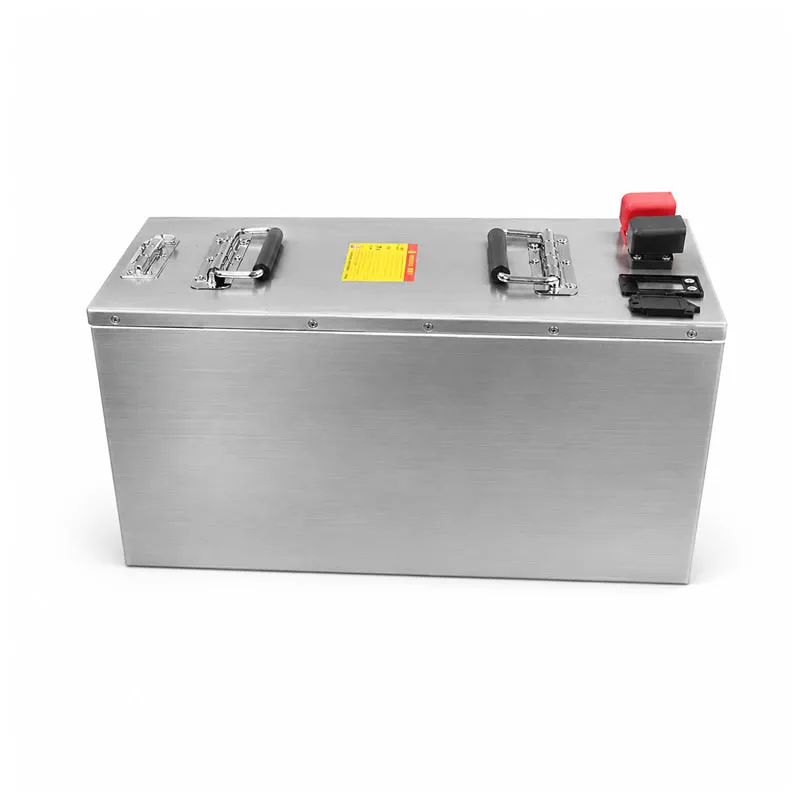
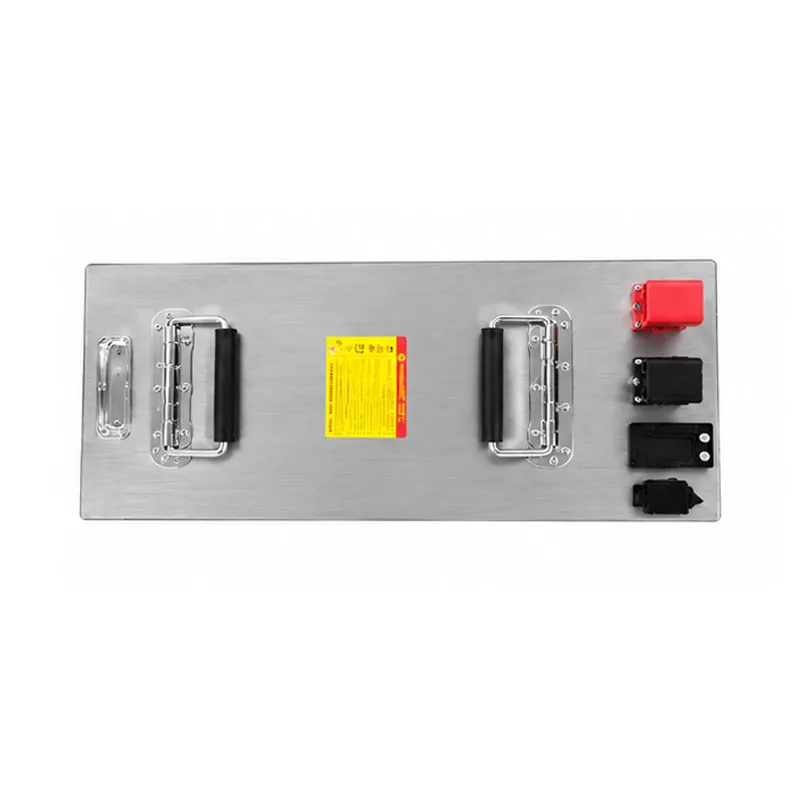
For buyers considering a 60V platform, this 60V 55Ah power lithium-ion battery can be used as a reference for mid-voltage electric two-wheeler applications. For higher-voltage projects, this 72V 50Ah LiFePO4 battery for electric two-wheelers may be useful for comparison.
What Range Expectations Should B2B Buyers Have?
Range is one of the most important selling points for electric two-wheelers, but it is also one of the easiest specifications to misunderstand. A supplier may advertise an impressive range figure, but actual performance can be very different in daily use.
Real-world range depends on:
- Battery capacity
- Motor power
- Controller efficiency
- Vehicle weight
- Rider weight
- Payload
- Road gradient
- Riding speed
- Stop-and-go traffic
- Temperature
- Tire pressure
- Wind resistance
- Battery age
A high-quality electric two-wheeler battery should provide stable output during real riding conditions, not only during ideal laboratory tests. For commercial users, range should be evaluated according to the actual operating profile.
For example, a delivery fleet may ride in stop-and-go city traffic, carry extra load, and require multiple daily trips. A commuter vehicle may travel shorter distances with lighter loads. A motorcycle used on open roads may consume more energy at higher speeds.
Why Do Battery Weight and Size Matter?
Weight and size affect both vehicle design and user experience. A heavier electric two-wheeler battery can reduce efficiency, affect handling, increase braking distance, and place more stress on the vehicle frame. A battery that is too large can create installation problems or limit design flexibility.
For OEM projects, battery dimensions are especially important. The pack must fit the vehicle’s battery compartment, mounting structure, cable outlet direction, and service access requirements. It should also leave enough space for ventilation, waterproof sealing, and safe wiring.
A compact battery is not always better if it sacrifices thermal stability or safety. A larger battery is not always better if it makes the vehicle too heavy or difficult to handle. The right solution depends on balancing energy capacity, structure, cooling, safety, and vehicle design.
Before confirming an electric two-wheeler battery order, buyers should check:
- Battery length, width, and height
- Weight
- Casing material
- Mounting method
- Connector position
- Cable outlet direction
- Waterproof design
- Space for maintenance or replacement
- Compatibility with the vehicle frame
For battery customization, these physical details are just as important as electrical specifications.
How Important Is Battery Cycle Life?
Cycle life refers to how many charge and discharge cycles a battery can complete before its usable capacity drops to a defined level, often around 80% of its original capacity. For B2B buyers, cycle life is one of the most important cost factors.
A battery with a low upfront price may seem attractive, but if it needs replacement too soon, the total cost becomes higher. This is especially important for fleets, delivery operators, rental platforms, and shared mobility businesses where vehicles are used frequently.
An electric two-wheeler battery with longer cycle life can help reduce replacement frequency, service downtime, and after-sales pressure. It can also improve user satisfaction because the vehicle maintains better range over time.
LFP batteries are generally known for strong cycle life and stable safety performance. NMC batteries can also perform well, especially in applications that need higher energy density, but they require good thermal control and proper charging habits. Lead-acid batteries usually have much shorter cycle life under deep-cycle use.
When comparing suppliers, do not look only at the cycle number. Ask about the test conditions. Important details include depth of discharge, temperature, charging rate, discharge rate, and the remaining capacity standard used in testing.
What Safety Features Should an Electric Two-Wheeler Battery Have?
Safety should be treated as a basic requirement, not an optional upgrade. A well-designed electric two-wheeler battery should include multiple protection layers to reduce risks during charging, discharging, storage, and daily riding.
The Battery Management System is the key safety control unit. It monitors battery status and helps protect the pack from abnormal operation. A reliable BMS should support:
- Overcharge protection
- Over-discharge protection
- Overcurrent protection
- Short-circuit protection
- Temperature monitoring
- Cell balancing
- Charging protection
- Discharging protection
- State of charge monitoring
- Optional communication with the vehicle system
Battery casing design also matters. Two-wheelers are often exposed to vibration, rain, dust, road splash, and temperature changes. A strong enclosure helps protect internal cells and electronics from mechanical and environmental damage.
For B2B buyers, safety evaluation should include both design and documentation. Ask suppliers for test reports, certification documents, battery specifications, BMS parameters, and quality control procedures. A safe electric two-wheeler battery should be supported by real testing, not only verbal promises.
How Fast Should the Battery Charge?
Charging speed affects uptime, fleet utilization, and user convenience. A battery that charges too slowly can limit operational throughput. One that charges too aggressively can compromise longevity if thermal controls are inadequate. The right balance depends on the application.
For personal commuting, overnight charging is often sufficient. For commercial fleets, fast turnaround can be far more valuable. Delivery vehicles, for instance, may require a battery that supports rapid charging between shifts. Still, speed must be interpreted with caution. Fast charging is only beneficial when the pack chemistry, cell quality, and BMS are designed to tolerate it.
A good electric two-wheeler battery should charge at a speed that supports the business model while protecting battery life. Buyers should confirm charger voltage, charging current, connector type, charging protocol, and BMS compatibility before purchasing.
What Should B2B Buyers Evaluate When Sourcing Batteries?
For B2B buyers, sourcing an electric two-wheeler battery is not just comparing a specification sheet. It is a supplier selection decision. The supplier must be able to provide stable quality, technical support, documentation, and repeatable production.
Key supplier evaluation points include:
Manufacturing Capability
Check whether the supplier has stable production lines, cell matching processes, welding quality control, aging tests, and final inspection procedures. Battery consistency matters for repeat orders and long-term cooperation.
Cell Quality and Traceability
A battery pack is only as reliable as its cells. Buyers should ask about cell brand, cell grade, batch control, and traceability. Poor cell consistency can cause imbalance, capacity loss, and unstable performance.
BMS Design Capability
The BMS should match the vehicle’s current demand, voltage platform, protection requirements, and communication needs. For OEM projects, customized BMS settings may be required.
Customization Support
Many OEM projects need customized casing, dimensions, connectors, cable outlets, mounting structure, communication protocols, branding, and waterproof design. A supplier with OEM/ODM experience can reduce development risk.
Quality Testing
A reliable supplier should provide capacity testing, voltage testing, insulation testing, charge-discharge testing, vibration-related checks, aging tests, and appearance inspection before delivery.
After-Sales Technical Support
Battery issues can involve the charger, controller, motor, BMS, or vehicle wiring. A supplier with engineering support can help identify problems faster and reduce after-sales pressure.
A low price may look attractive at the quotation stage, but for B2B buyers, the real value of an electric two-wheeler battery comes from stability, safety, service life, and supplier reliability.
Certification and Documentation
Battery shipping and market entry often require documents such as UN38.3, MSDS, CE, RoHS, IEC-related reports, or other market-specific certifications. Buyers should confirm these requirements before mass production.
FAQ About Electric Two-Wheeler Battery
1.What is the best battery type for an electric two-wheeler?
For most modern electric two-wheelers, lithium batteries are preferred because they offer better energy density, lower weight, longer service life, and stronger performance than lead-acid batteries. LFP is suitable for safety and long cycle life, while NMC is suitable for compact and higher-energy applications.
2.How long does an electric two-wheeler battery last?
An electric two-wheeler battery can typically last several years, depending on cell quality, chemistry, charging habits, depth of discharge, temperature, and daily usage. Fleet applications may require stronger cycle life because the vehicles are used more frequently.
3.How many kilometers can an electric two-wheeler travel on a single charge?
The range depends on battery capacity, voltage, motor power, rider weight, load, road condition, speed, and temperature. An electric two-wheeler generally travels between 30 to 150 kilometers on a single charge. Many electric two-wheelers can travel from short urban distances to much longer routes depending on the battery size and vehicle design. Buyers should always check test conditions before trusting a range claim.
4.What battery voltage is best for electric motorcycles?
For lightweight scooters, 48V or 60V may be enough. For higher-power electric motorcycles, 72V is often more suitable because it can support stronger acceleration, better hill-climbing ability, and more stable output under load. The best voltage depends on the motor, controller, and vehicle application.
5.How can battery lifespan be extended?
Battery lifespan can be extended by avoiding extreme temperatures, using a compatible charger, preventing frequent deep discharge, avoiding unnecessary fast charging, and storing the battery at a moderate charge level when not in use. A high-quality BMS also helps protect the battery during daily operation.
6.What should buyers provide before requesting a battery quotation?
Buyers should provide the vehicle type, motor power, controller current, voltage platform, target range, battery compartment size, connector requirements, charging method, waterproof requirements, certification market, and expected order quantity. This helps the supplier recommend the right electric two-wheeler battery more accurately.
Conclusion
Choosing the right electric two-wheeler battery requires more than comparing voltage, capacity, and price. Buyers should evaluate chemistry, energy capacity, discharge current, cycle life, BMS protection, casing design, charging compatibility, certification documents, and supplier capability.
For OEM manufacturers, distributors, and fleet operators, the battery should be selected as part of the complete vehicle system. It must match the motor, controller, charger, frame structure, operating environment, and target user expectations.
A well-designed electric two-wheeler battery can improve riding range, safety, reliability, and customer satisfaction. More importantly, it can reduce long-term service cost and strengthen the competitiveness of the entire electric two-wheeler product line.