An electric three-wheeler battery is one of the most important parts of an electric three-wheeler. It affects driving range, load capacity, charging time, acceleration, maintenance cost, and long-term operating stability. For OEMs, fleet operators, distributors, and battery importers, choosing the right battery is not just a product decision. It is a business decision that directly affects customer satisfaction and total cost of ownership.
Electric three-wheelers are widely used for urban delivery, passenger transport, cargo movement, short-distance logistics, and commercial mobility. These vehicles often work every day, carry different payloads, and operate in stop-and-go traffic. Because of this, the electric three-wheeler battery must be reliable, safe, efficient, and properly matched to the vehicle system.
This guide gives OEMs, fleet operators, and distributors a practical framework for selecting an electric three-wheeler battery. Compare route energy, payload, current demand, pack fit, charging, BMS functions, lifecycle cost, and supplier evidence before moving from quotation to vehicle validation.
What Is an Electric Three-Wheeler Battery?
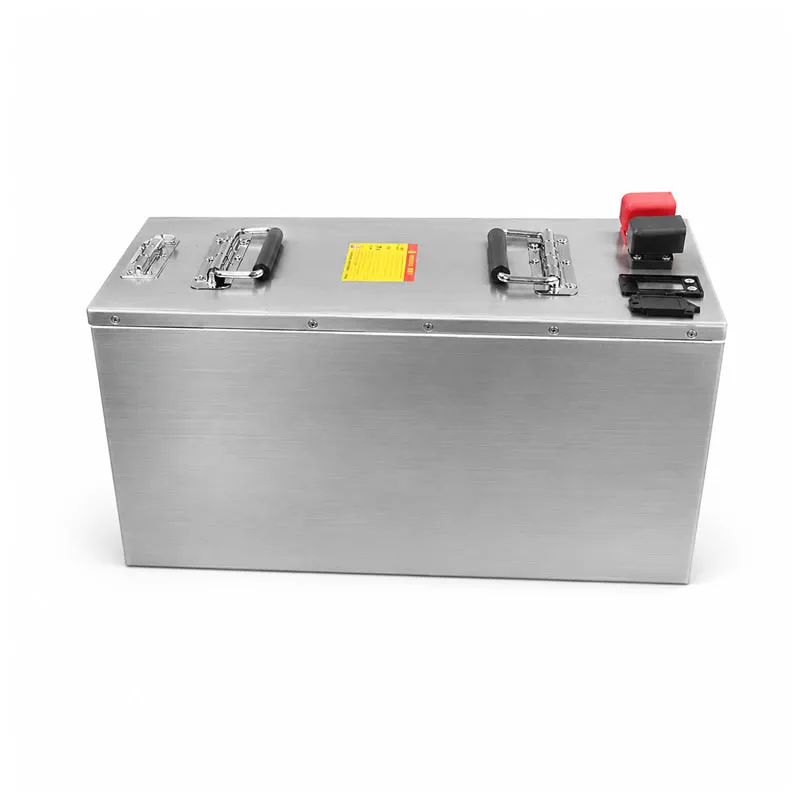
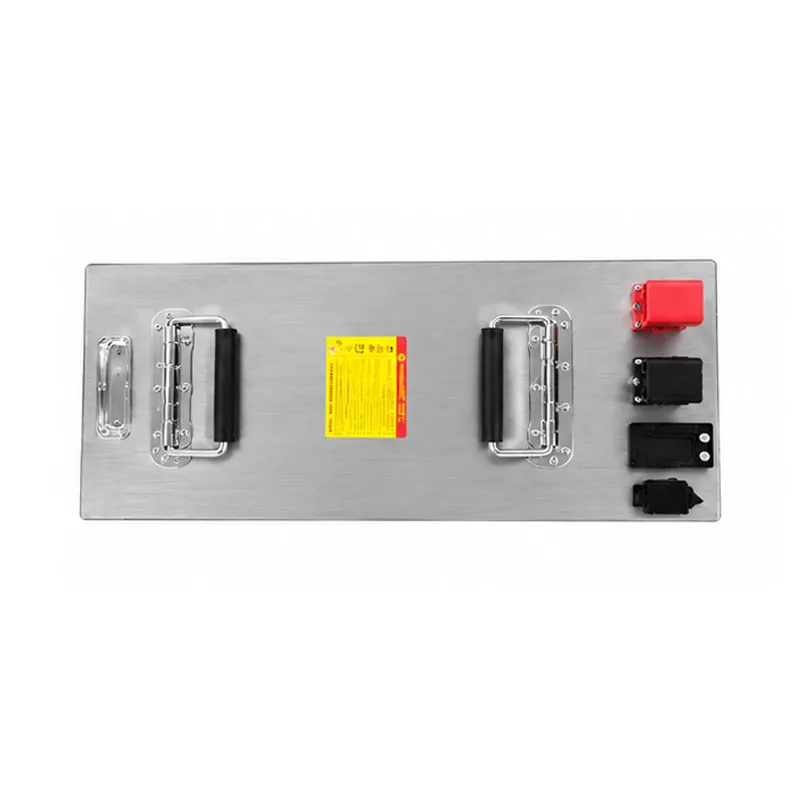
An electric three-wheeler battery is the main energy storage system of the vehicle. It stores electrical energy and supplies power to the motor, controller, lighting system, dashboard, and other electrical components. Without a stable battery, the vehicle cannot deliver reliable range or consistent performance.
Unlike a simple replacement part, an electric three-wheeler battery works as a core power system. It influences how far the vehicle can travel, how quickly it can accelerate, how much weight it can carry, and how often it needs to be charged. A battery that is too small may create range anxiety. A battery that is too heavy may reduce payload efficiency. A battery with poor quality cells or a weak BMS may lead to early failure or safety risks.
For B2B buyers, the key is to match the battery to the actual application. A passenger three-wheeler, cargo tricycle, food delivery vehicle, and heavy-duty commercial three-wheeler may all require different battery configurations.
What Battery Types Are Available for Electric Three-Wheelers?
The most common battery types for electric three-wheelers include lead-acid batteries, lithium-ion batteries, and lithium iron phosphate batteries. Each option has its own advantages and limitations.

Lead-Acid Batteries
Lead-acid batteries are still common in price-sensitive markets. Their biggest advantage is low upfront cost. They are easy to source, familiar to many repair shops, and suitable for basic applications where the vehicle does not require long range or high daily use.
However, lead-acid batteries are heavy, slower to charge, and usually have shorter cycle life. In electric three-wheelers, heavy battery packs can reduce acceleration, range, and payload capacity. Lead-acid batteries also require more frequent replacement, especially when used in daily commercial operations.
For low-budget projects or short-distance use, lead-acid may still be acceptable. But for buyers focused on long-term value, lead-acid is often less competitive.
Lithium-Ion Batteries
Lithium-ion batteries are lighter and more energy-dense than lead-acid batteries. They can provide better vehicle performance, longer driving range, faster charging, and lower maintenance requirements.
A lithium electric three-wheeler battery is suitable for commercial users who need reliable daily operation and better energy efficiency. Compared with lead-acid batteries, lithium batteries can reduce vehicle weight and improve practical usable capacity.
However, lithium-ion batteries require better battery management and supplier quality control. Buyers should pay close attention to cell quality, BMS design, safety protection, and charging compatibility.
LiFePO4 Batteries
Lithium iron phosphate, also called LiFePO4, is one of the most suitable chemistries for commercial electric three-wheelers. A LiFePO4 electric three-wheeler battery offers strong thermal stability, long cycle life, good safety performance, and stable discharge behavior.
For fleet operators and B2B buyers, LiFePO4 is often a strong choice because it balances safety, lifespan, and operating cost. Although the initial cost is higher than lead-acid, the longer service life and lower maintenance burden can make it more economical over time.
LiFePO4 is especially suitable for delivery fleets, cargo three-wheelers, high-frequency use, and vehicles that need dependable performance under repeated charging and discharging.
Which Battery Chemistry Is Best for Your Application?
The best battery chemistry depends on the use case, budget, route distance, payload, and expected service life.
For basic low-cost vehicles used for short daily trips, lead-acid batteries can still work. They are inexpensive and easy to replace. However, they are not ideal for buyers who need long service life, higher range, or better vehicle efficiency.
For commercial use, lithium-ion batteries are usually a better choice. They are lighter, more efficient, and more suitable for regular daily operation. A lithium electric three-wheeler battery can help improve range, reduce charging frequency, and lower maintenance pressure.
For demanding commercial applications, LiFePO4 is often the best overall option. It is safer, more stable, and usually offers longer cycle life. For B2B procurement, this means fewer replacements, fewer complaints, and better long-term cost control.
In most modern electric three-wheeler battery projects, LiFePO4 is the strongest recommendation when buyers care about reliability, safety, and lifecycle value.

How Much Battery Capacity Do You Need?
Battery capacity determines how much energy the battery can store. It is usually measured in ampere-hours or kilowatt-hours. The right capacity depends on daily driving distance, vehicle load, road condition, speed, climate, and charging access.
A small passenger three-wheeler or light delivery vehicle may use a smaller battery pack if the route is short and charging is available every day. A cargo electric three-wheeler may need a larger battery because heavier payloads consume more energy. Vehicles that operate on slopes, rough roads, or long delivery routes also need more battery reserve.
When selecting an electric three-wheeler battery, B2B buyers should not only ask for the highest capacity. Larger batteries increase cost and weight. The goal is to choose enough capacity for the real operating condition without adding unnecessary size or cost.
A practical selection method is to calculate the required daily range first, then consider payload, terrain, charging frequency, and reserve margin. For commercial users, it is safer to leave extra capacity instead of designing the system too tightly.
What Driving Range Should You Expect?
Driving range is one of the most important concerns for electric three-wheeler buyers. But range is also one of the easiest figures to misunderstand. The real-world range of an electric three-wheeler battery depends on many factors, including battery capacity, vehicle weight, payload, speed, road condition, tire pressure, temperature, and driving habits.
A vehicle may show good range under ideal testing conditions, but daily commercial operation is different. Stop-and-go traffic, heavy cargo, rough roads, uphill driving, and frequent acceleration can reduce actual range.
For B2B buyers, the best approach is to define the real working route. How many kilometers does the vehicle travel per day? How much weight does it carry? Is the road flat or hilly? Can the vehicle charge during breaks? These questions help determine the correct electric three-wheeler battery size.
Instead of only chasing a high range number, buyers should choose a battery that can complete the route with a safe reserve. This reduces downtime and improves daily operating confidence.
Why Cycle Life Should Be a Top Priority?
Cycle life refers to how many charge and discharge cycles a battery can complete before its capacity drops significantly. It is one of the most important indicators of long-term battery value.
A low-cost battery may look attractive at first, but if it needs replacement too often, the total cost becomes higher. For fleet operators, battery replacement also causes vehicle downtime, labor cost, and service disruption.
Lead-acid batteries usually have shorter cycle life, especially when deeply discharged every day. Lithium batteries generally offer longer cycle life. A LiFePO4 electric three-wheeler battery can often provide significantly longer service life than lead-acid under proper use and charging conditions.
For B2B buyers, cycle life should be evaluated together with usable capacity, warranty terms, charging behavior, and supplier support. A battery with longer cycle life can reduce replacement frequency and improve fleet planning.
How Does Battery Weight Affect Vehicle Performance?
Battery weight directly affects the performance of an electric three-wheeler. A heavier battery increases the total vehicle load, which can reduce acceleration, range, and payload capacity. It can also create more pressure on the suspension, brakes, tires, and chassis.
This is especially important for cargo three-wheelers. If too much weight is used by the battery pack, there is less useful capacity for goods. For delivery vehicles, this can reduce operating efficiency.
Lithium batteries are usually much lighter than lead-acid batteries with similar usable energy. A lighter electric three-wheeler battery can improve handling, increase practical payload space, and support better energy efficiency.
For OEM buyers, battery size and weight should be considered during the vehicle design stage. For aftermarket buyers, the battery must fit the existing battery compartment and should not overload the vehicle structure.
What Safety Features Should an Electric Three-Wheeler Battery Have?
Safety is critical for electric vehicle batteries, especially in commercial use. A high-quality electric three-wheeler battery should include a reliable battery management system, also known as a BMS.
The BMS helps protect the battery from overcharge, overdischarge, overcurrent, short circuit, overheating, and cell imbalance. For lithium batteries, the BMS is not optional. It is one of the most important parts of the entire battery system.
Buyers should check whether the battery includes temperature protection, current protection, voltage monitoring, cell balancing, and communication functions if required. For fleet or OEM projects, buyers may also need Bluetooth monitoring, CAN communication, RS485 communication, or customized data functions.
A safe battery is not only about cell chemistry. It also depends on cell consistency, pack design, welding quality, insulation, enclosure structure, wiring, and protection logic.
How Long Does Charging Take?
Charging time depends on battery capacity, charger output, chemistry, and charging strategy. A small battery with a powerful compatible charger can charge faster, while a large battery with a low-current charger will take longer.
Lead-acid batteries usually charge more slowly and require more careful charging control. Lithium batteries can often support faster charging, but only when the battery and charger are properly matched.
For commercial electric three-wheelers, charging time affects daily operation. If a fleet can only charge vehicles overnight, the battery should support the required daily route on one full charge. If charging is available during breaks, faster charging may improve vehicle utilization.
When buying an electric three-wheeler battery, buyers should confirm the recommended charging voltage, charging current, charger compatibility, charging temperature range, and protection functions.
OEM vs Aftermarket Electric Three-Wheeler Batteries: Which Is Better?
OEM batteries are designed for the original vehicle system. They usually offer better compatibility with the vehicle’s motor, controller, charger, battery compartment, and warranty requirements. For vehicle manufacturers and stable fleet programs, OEM battery solutions are often the safer choice.
Aftermarket batteries may offer more flexibility in price, dimensions, capacity, and customization. They can be useful for replacement markets, vehicle upgrades, and special applications. However, quality varies greatly among suppliers.

For B2B buyers, the key is not simply OEM or aftermarket. The key is whether the supplier can provide consistent battery quality, correct specifications, technical documents, stable production, and after-sales support.
A good electric three-wheeler battery supplier should be able to support both standard models and customized requirements, depending on the buyer’s vehicle platform and market needs.
How Should B2B Buyers Choose a Battery Supplier?
Supplier selection can decide whether the battery project succeeds or fails. A good supplier should provide more than a price list. It should provide technical support, quality consistency, and clear communication.
First, buyers should evaluate manufacturing capability. The supplier should have stable production capacity, quality control processes, and experience with electric vehicle battery packs.
Second, buyers should request technical documentation. This includes battery datasheets, charge and discharge parameters, BMS specifications, dimensions, wiring diagrams, test reports, and warranty terms.
Third, customization ability should be checked. OEM and fleet projects may require custom voltage, capacity, battery size, connector type, communication protocol, casing design, or branding.
Fourth, sample testing is necessary before bulk purchasing. Buyers should test capacity, discharge performance, charging behavior, BMS protection, physical structure, and batch consistency.
Finally, communication matters. A professional supplier should respond clearly, explain technical details, and support buyers during product selection, sample testing, production, and after-sales service.
How to Choose the Right Electric Three-Wheeler Battery?
To choose the right electric three-wheeler battery, buyers should start with the real application instead of only comparing prices.
For short-distance passenger transport, a 48V or 60V battery system may be enough, depending on speed and load requirements. For urban delivery, a 60V lithium battery may provide a good balance of range, cost, and performance. For heavy cargo, hilly routes, or high-utilization commercial fleets, a 72V LiFePO4 battery may be a better choice.
If the project is extremely price-sensitive, lead-acid may still be considered. If the buyer wants better range, lighter weight, and lower long-term cost, lithium is usually more suitable. If safety, long cycle life, and stable commercial performance are priorities, LiFePO4 is often the best option.
The final decision should consider voltage, capacity, chemistry, BMS quality, charger compatibility, size, weight, cycle life, supplier capability, and warranty support.
Frequently Asked Questions on Electric Three-Wheeler Battery
1.What is the best battery type for an electric three-wheeler?
The best battery type for most commercial electric three-wheelers is LiFePO4. It offers good safety, long cycle life, stable discharge performance, and lower maintenance compared with lead-acid batteries. For low-cost applications, lead-acid may still be used, but for long-term value, lithium batteries are usually better.
2.How long does an electric three-wheeler battery last?
The lifespan depends on battery chemistry, charging habits, discharge depth, temperature, and usage frequency. Lead-acid batteries usually have a shorter service life, especially under daily deep cycling. Lithium-ion and LiFePO4 batteries usually last longer, and LiFePO4 is often preferred for commercial applications that require frequent use.
3.How far can an electric three-wheeler travel on a single charge?
The range depends on battery capacity, voltage system, vehicle weight, payload, road condition, speed, and driving style. Light-duty electric three-wheelers may cover shorter city routes, while larger lithium battery systems can support longer commercial operation. Buyers should calculate range based on real route conditions instead of relying only on brochure data.
4.Is a lithium battery better than a lead-acid battery for three-wheelers?
Yes, in most commercial applications, a lithium battery is better than a lead-acid battery. Lithium batteries are lighter, more efficient, longer-lasting, and easier to maintain. Although the initial cost is higher, a lithium electric three-wheeler battery can reduce long-term replacement and maintenance costs.
5.How long does it take to fully charge an electric three-wheeler battery?
Charging time depends on the battery capacity and charger output. Lead-acid batteries usually take longer to charge, while lithium batteries can often charge faster with a compatible charger. For B2B projects, buyers should confirm charger specifications and make sure the battery supports the required charging strategy.
The best electric three-wheeler battery is not always the cheapest option. It is the battery that fits the vehicle, supports the required range, handles the payload, charges efficiently, and delivers stable performance over time.
For low-cost and light-duty applications, lead-acid may still be acceptable. For modern commercial use, lithium-ion and LiFePO4 batteries provide stronger performance and better long-term value. For fleets, distributors, and OEM projects, LiFePO4 is often the most reliable choice because it combines safety, cycle life, and operating stability.
Before placing a bulk order, buyers should confirm chemistry, voltage, capacity, BMS quality, battery dimensions, charger compatibility, cycle life, documentation, warranty, and supplier support. A well-matched electric three-wheeler battery can improve vehicle performance, reduce downtime, and create stronger value across the full product lifecycle.