Why Is a 51.2V Golf Cart Battery Used for Lithium Upgrade Projects?
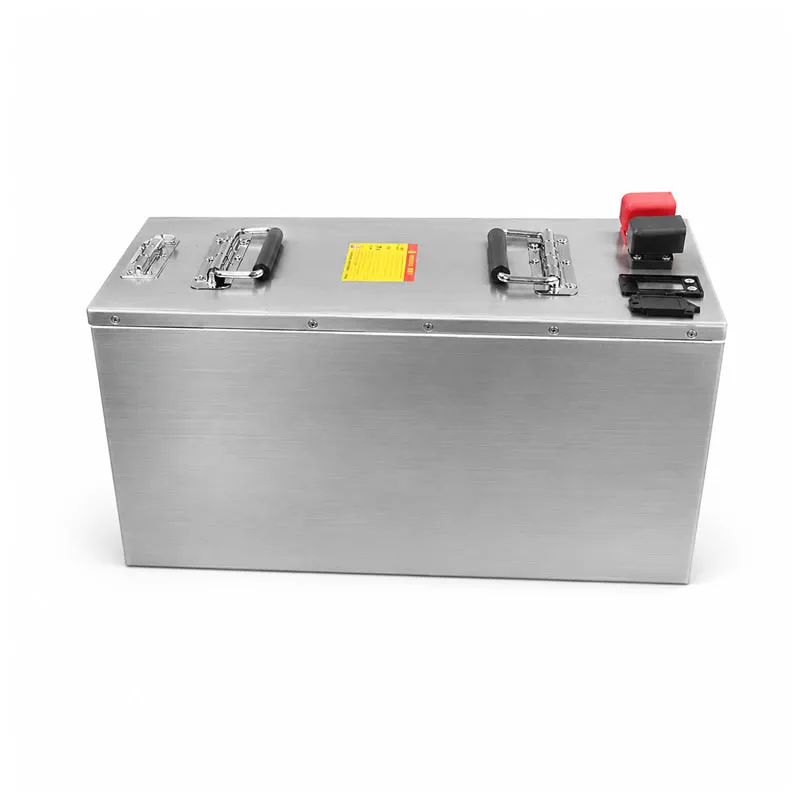
A 51.2V golf cart battery is often used in lithium upgrade projects because it matches the working needs of many 48V golf cart systems while offering more stable voltage, lighter weight, longer service life, and lower daily maintenance than traditional lead-acid battery packs. For golf courses, resorts, buggy rental operators, dealers, and fleet maintenance teams, the real value is not only longer driving range. It is also fewer battery failures, less downtime, simpler maintenance, and a more reliable power solution for carts that operate every day.

What Is a 51.2V Golf Cart Battery?
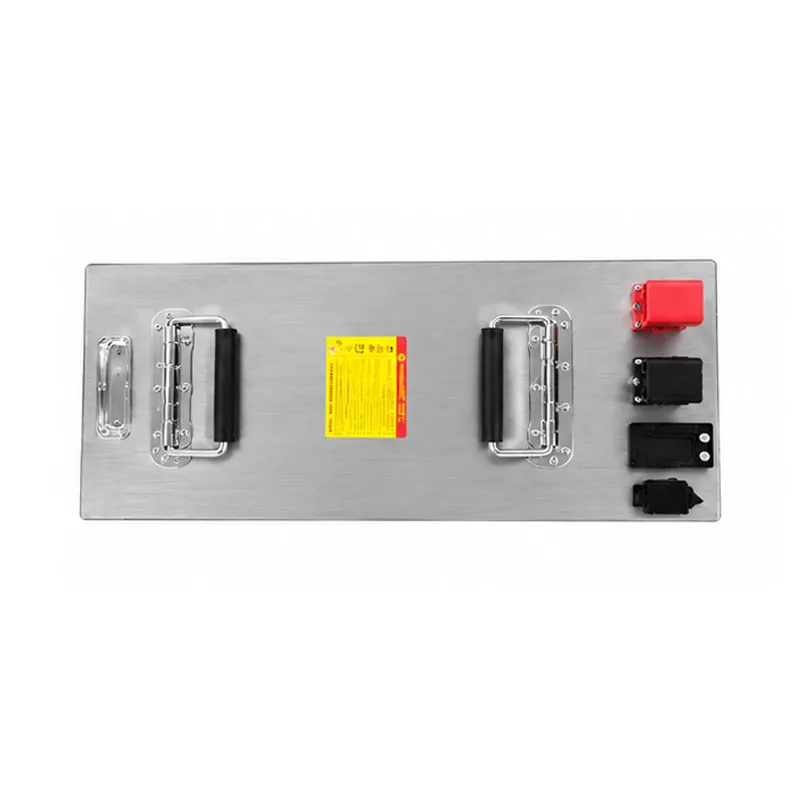
A 51.2V golf cart battery is usually a lithium iron phosphate battery pack designed for 48V-class golf carts, golf buggies, utility carts, and light electric vehicles. The reason it is called 51.2V is related to the LiFePO4 cell structure. A common LiFePO4 cell has a nominal voltage of about 3.2V, and 16 cells connected in series create a 51.2V nominal battery pack. This is why many lithium batteries sold for 48V golf carts are technically rated at 51.2V.
In practical use, customers may see both names: “48V lithium golf cart battery” and “51.2V golf cart battery.” For many upgrade projects, they refer to the same voltage class. The “48V” wording is often easier for users familiar with traditional lead-acid golf cart systems, while “51.2V” describes the real nominal voltage of a 16S LiFePO4 battery pack.
For B2B buyers, this matters because voltage matching is one of the first checks in a lithium conversion project. A battery may be called a 48V lithium battery, but the technical specification should clearly show the nominal voltage, full charge voltage, recommended charger voltage, discharge current, BMS rating, and compatible controller range.
A common LiFePO4 cell has a nominal voltage of about 3.2V, and 16 cells connected in series create a 51.2V nominal battery pack.
Why Is 51.2V Commonly Used for 48V Golf Cart Lithium Upgrades?
A 51.2V golf cart battery is commonly used because many golf carts are already designed around a 48V electrical platform. Traditional 48V lead-acid systems are usually made by connecting multiple lower-voltage batteries in series, such as six 8V batteries or four 12V batteries. A lithium upgrade replaces that multi-battery lead-acid setup with one integrated LiFePO4 pack or a matched lithium battery system.
This brings several practical benefits for upgrade projects:
- fewer battery units to manage
- cleaner wiring layout
- more stable power output
- reduced weight
- less daily maintenance
- easier battery monitoring when the BMS supports display or communication
For golf cart dealers and retrofit installers, this also makes the upgrade process more standardized. Instead of managing different lead-acid battery combinations, they can recommend a suitable 51.2V lithium pack based on the cart model, controller power, daily driving distance, passenger load, terrain, and charging schedule.
However, a 51.2V battery should not be treated as automatically compatible with every 48V golf cart. The controller, charger, cables, fuse, connector, mounting space, and DC-DC converter should all be checked before installation. A good lithium upgrade is not just a battery replacement. It is a system match.
What Problems Does a 51.2V Golf Cart Battery Solve Compared with Lead-Acid?
The biggest reason customers move from lead-acid to lithium is not only range. It is the full operating cost behind the battery.
Lead-acid golf cart batteries require regular maintenance, including correct watering, cleaning, and terminal care. Trojan Battery, a major deep-cycle lead-acid battery manufacturer, states that flooded batteries require distilled water maintenance and warns against overwatering. For golf courses, resorts, campuses, and rental fleets, this maintenance becomes a labor cost when dozens or hundreds of carts are used every week.
A 51.2V golf cart battery helps solve several common pain points:
1. Frequent battery maintenance
Lithium batteries do not require watering like flooded lead-acid batteries. This reduces routine maintenance work and lowers the risk of incorrect water levels, acid spills, corrosion, and dirty terminals.
2. Voltage drop during operation
Lead-acid batteries often suffer from voltage sag as the battery discharges. This can cause weaker acceleration, reduced climbing performance, and inconsistent cart speed. A LiFePO4 battery provides more stable voltage during discharge, which helps the cart maintain more consistent performance.
3. Heavy battery weight
Lead-acid battery banks are heavy. Replacing them with a lithium battery pack can reduce total battery weight, which may improve driving efficiency, handling, and energy use.
4. Shorter useful runtime in real conditions
In real golf course or resort use, carts may carry passengers, climb slopes, stop frequently, and operate in warm outdoor conditions. A properly sized 51.2V lithium battery can provide more usable energy and more stable output than a worn lead-acid battery bank.
5. Downtime caused by charging and replacement
For fleet operators, downtime is expensive. When carts are waiting for battery maintenance, charging, or replacement, the fleet cannot operate at full capacity. Lithium battery upgrades can reduce maintenance downtime and simplify fleet scheduling.

How Does a 51.2V Golf Cart Battery Improve Fleet Operation?
For individual users, battery upgrades are often about better range and convenience. For B2B customers, the value is more operational.
A golf course, resort, sightseeing area, campus, hotel, or buggy rental company may operate carts every day. These carts need reliable power, quick turnaround, and predictable performance. If batteries fail during service hours, the result is not just a technical issue. It affects customer experience, staff efficiency, and fleet availability.
A 51.2V golf cart battery can support fleet operation in several ways.
First, it reduces repeated manual maintenance. Fleet teams do not need to check water levels the same way they do with flooded lead-acid batteries. This is especially useful when many carts are used in warm climates or outdoor environments.
Second, lithium batteries can help standardize fleet performance. When lead-acid batteries age at different rates, some carts may run well while others lose power quickly. With a matched lithium upgrade, operators can make cart runtime and charging schedules more predictable.
Third, smart BMS protection improves battery management. A quality lithium battery should include protection against overcharge, over-discharge, overcurrent, overheating, short circuit, and other abnormal operating conditions. For commercial fleets, these protections are important because carts are often driven by different users with different driving habits.
Finally, a lithium upgrade can support better asset planning. Instead of replacing lead-acid batteries frequently and dealing with uneven battery aging, fleet operators can plan battery replacement cycles more clearly.
What Capacity Should Buyers Choose for a 51.2V Golf Cart Battery?
Capacity selection should be based on real use, not only the battery label. A 51.2V golf cart battery may come in different capacities, such as 80Ah, 100Ah, 105Ah, 160Ah, or other customized options. The higher the Ah rating, the more stored energy the pack provides.
A simple energy calculation is:
Energy = Voltage × Capacity
For example:
- 51.2V × 105Ah = about 5.38kWh
- 51.2V × 160Ah = about 8.19kWh
This does not mean every cart will achieve the same driving distance. Runtime and range are affected by many factors, including motor power, controller setting, passenger load, tire condition, driving speed, terrain, slope, temperature, and accessory loads.
For B2B buyers, the better question is not “Which battery has the biggest capacity?” The better question is:
How many hours or rounds does the cart need to operate before charging?
For golf course fleets, a higher-capacity 51.2V golf cart battery may be suitable for carts that run multiple rounds per day or carry heavy loads. For light-duty private carts or short-distance resort transport, a smaller capacity may be enough. For dealers and distributors, offering several capacity options makes it easier to match different customer budgets and usage levels.
What Should Buyers Check Before Replacing Lead-Acid with a 51.2V Golf Cart Battery?
A successful lithium upgrade project requires a full compatibility check. The battery is the core component, but it must work with the entire vehicle system.
Before choosing a 51.2V golf cart battery, buyers should check the following points:
1. Cart voltage platform
Confirm whether the golf cart is designed for a 48V system. Do not select a battery only based on appearance or old battery quantity.
2. Motor and controller rating
The controller must support the operating voltage range of the lithium battery. If the controller is not compatible, the cart may show errors, shut down, or operate unsafely.
3. Charger compatibility
Lead-acid chargers are not always suitable for LiFePO4 batteries. A lithium-compatible charger with the correct charging voltage and charging profile is recommended. A 51.2V LiFePO4 pack commonly uses a higher full-charge voltage than its nominal rating, so charger matching is essential.
4. BMS discharge current
The BMS should support the cart’s continuous current and peak current demand. This is especially important for hill climbing, acceleration, heavy loads, and commercial fleet use.
5. Battery compartment size
The new battery must fit the existing battery tray or mounting space. For retrofit projects, brackets, straps, or custom mounting solutions may be required.
6. Cable, fuse, and connector condition
Old cables or undersized connectors may cause heat, voltage loss, or safety risks. Upgrade projects should include inspection of wiring and protection components.
7. Accessory voltage needs
Some carts use lights, audio systems, GPS, USB ports, or other accessories. If the cart needs 12V accessories, a suitable DC-DC converter may be required.
8. Display and SOC monitoring
Lithium batteries behave differently from lead-acid batteries, so traditional voltage-based meters may not show accurate state of charge. A SOC display, Bluetooth app, or communication-based monitor can improve user experience.
Why Is BMS Protection Important in a 51.2V Golf Cart Battery?
The BMS is one of the most important parts of a 51.2V golf cart battery. It helps monitor and protect the lithium battery during charge, discharge, storage, and abnormal conditions.
For golf cart applications, the BMS should be selected based on real working conditions. A cart may require high current during startup, hill climbing, or acceleration. If the BMS rating is too low, the battery may cut off power under load. This can lead to poor user experience and service complaints.
A suitable BMS should provide protection for:
- overcharge
- over-discharge
- overcurrent
- short circuit
- high temperature
- low temperature charging
- cell balancing
- abnormal voltage conditions
For B2B projects, buyers should not only ask about battery capacity. They should also ask about BMS continuous discharge current, peak discharge current, communication function, protection logic, and service support. A high-capacity battery with a weak BMS may still fail in demanding golf cart applications.

Who Should Use a 51.2V Golf Cart Battery?
A 51.2V golf cart battery is suitable for several types of customers and projects.
Golf courses can use lithium upgrades to reduce maintenance work, improve cart availability, and support daily fleet operation.
Resorts and hotels can use lithium-powered golf carts for guest transport, luggage movement, maintenance teams, and internal mobility.
Buggy rental operators can benefit from more predictable runtime and simpler charging management.
Dealers and retrofit installers can use 51.2V lithium batteries as an upgrade solution for customers replacing aging lead-acid battery banks.
Fleet operators can standardize battery specifications across multiple carts, making maintenance and replacement easier.
OEM and private-label brands can customize voltage, capacity, enclosure, BMS, connector, communication, and branding according to market needs.
For these customers, the real purchasing decision is not only about price. It is about total operating value: battery life, safety, downtime, maintenance cost, warranty support, and long-term reliability.
How Can Buyers Compare 51.2V Golf Cart Battery Options?
When comparing suppliers, buyers should avoid choosing only by Ah rating or low price. A 51.2V golf cart battery is a power system component, so specification quality matters.
A professional comparison should include:
- cell chemistry
- nominal voltage
- capacity
- total energy in kWh
- cycle life condition
- continuous discharge current
- peak discharge current
- BMS protection functions
- charger matching
- operating temperature range
- enclosure strength
- IP rating if needed
- communication options
- display or Bluetooth monitoring
- warranty terms
- OEM/ODM support
- certification and shipping documentation
For distributors and fleet buyers, after-sales support is also important. Battery problems may happen during installation, charging, or system matching. A supplier that can provide technical guidance, wiring recommendations, charger matching advice, and product customization will be more valuable than a supplier that only sells a battery pack.
What Mistakes Should Buyers Avoid in Lithium Golf Cart Upgrade Projects?
Lithium upgrades can deliver strong benefits, but only when the project is planned correctly. Buyers should avoid these common mistakes.
Mistake 1: Assuming every 48V cart can use any 51.2V battery
Compatibility should always be checked. Controller voltage range, charger type, current demand, wiring, and accessories all matter.
Mistake 2: Choosing capacity without calculating real use
A cart used for short private trips does not need the same battery as a resort fleet cart running all day. Capacity should match route, load, speed, and charging schedule.
Mistake 3: Ignoring BMS current rating
A low-current BMS may cause power cut-off under acceleration or uphill operation. This is one of the most common problems in poor-quality upgrade projects.
Mistake 4: Reusing an unsuitable lead-acid charger
Lithium batteries need the correct charging profile. Using the wrong charger can reduce performance or create safety risks.
Mistake 5: Keeping old cables and weak connectors
Battery upgrades should include a basic electrical inspection. Cables, terminals, fuses, and connectors should match the system current.
Mistake 6: Comparing only purchase price
A cheaper battery may cost more over time if it causes downtime, service complaints, short lifespan, or poor support.
Is a 51.2V Golf Cart Battery the Right Choice for Your Upgrade Project?
A 51.2V golf cart battery is a strong choice for many lithium upgrade projects because it fits the 48V-class golf cart market while offering the advantages of LiFePO4 technology. It can reduce maintenance, improve voltage stability, lower fleet downtime, and create a cleaner, more reliable battery system for commercial golf cart operation.
For golf courses, resorts, dealers, rental fleets, and OEM projects, the best battery choice should be based on system compatibility, real operating range, BMS performance, charger matching, safety protection, and supplier support. When selected correctly, a 51.2V lithium battery upgrade is not just a replacement for lead-acid batteries. It is a long-term improvement in fleet efficiency, user experience, and operating cost control.
Febatt provides lithium golf cart battery solutions for lead-acid replacement and fleet upgrade projects, including 51.2V golf cart battery options with LiFePO4 chemistry, intelligent BMS protection, and capacity choices for different operating needs. For buyers planning a lithium upgrade project, the right starting point is to match the battery specification with the cart system, daily usage, and long-term maintenance goals.