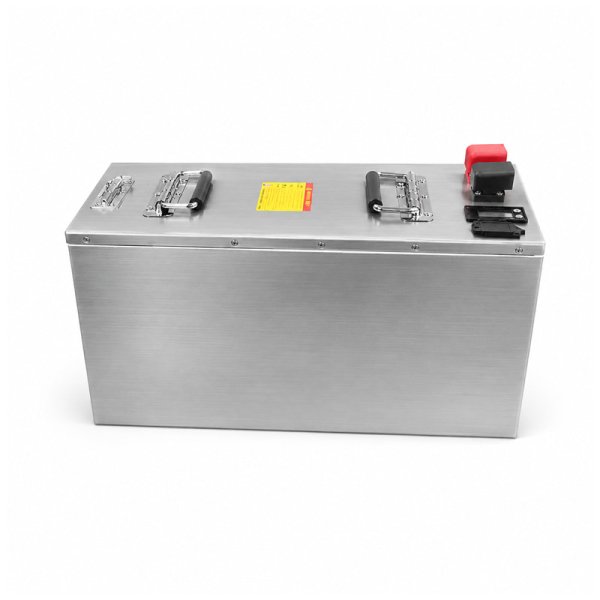
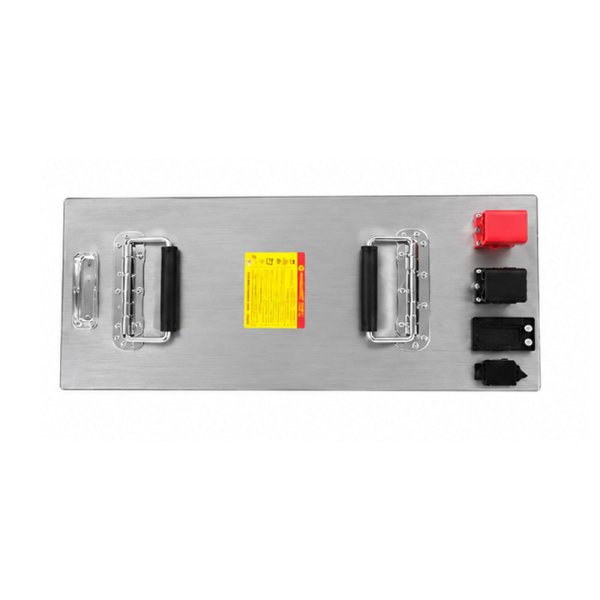
Why Are Fleets Upgrading the Semi Truck Battery from Lead-Acid to Lithium?
A semi truck battery is no longer just a starting battery. For modern fleets, the right battery system affects sleeper cab comfort, no-idle operation, maintenance cost, vehicle downtime, and driver satisfaction. This is why more fleet operators are comparing traditional lead-acid batteries with lithium truck battery solutions for overnight power, parking air conditioning, and long-term operating efficiency.
Today’s market demand is very clear: drivers want a comfortable cab during rest breaks, while fleet managers want fewer battery problems, lower idle time, and more predictable operating costs. A traditional semi truck battery can start the engine, but it may not be the best choice for repeated deep cycling, sleeper cab loads, or long overnight parking power. A lithium solution can solve these pain points when it is properly matched with the truck’s voltage, air conditioning system, charger, wiring, and BMS protection.

Why Is the Traditional Semi Truck Battery Becoming a Fleet Pain Point?
A lead-acid semi truck battery was designed mainly for engine starting and basic electrical support. That worked when cab power demand was low. Today, drivers use more equipment inside the sleeper cab, including parking air conditioning, fans, refrigerators, lights, phones, laptops, communication devices, and small inverters. These loads create a different kind of demand from a simple engine-starting cycle.
The first customer pain point is weak overnight performance. When drivers stop for rest, they still need steady power. If the battery cannot support the cab load long enough, drivers may idle the engine, restart the truck repeatedly, or lose comfort during the night.
The second pain point is battery replacement frequency. Lead-acid batteries do not like deep discharge. When they are used again and again for sleeper cab power, their capacity can drop faster. This means more maintenance work, more battery checks, and more unplanned replacements.
The third pain point is downtime. A weak battery can create starting problems, electrical instability, and driver complaints. For a fleet, one truck out of service is not just a technical problem. It affects delivery schedules, driver productivity, and customer satisfaction.
The solution is to choose a power system built for real parking power. A lithium semi truck battery is better suited for repeated charge and discharge cycles, higher usable capacity, and stable energy output. It is not just a battery replacement. It is a fleet power upgrade.
What Do Fleet Customers Need from a Modern Semi Truck Battery?
Fleet customers do not only ask, “Can the battery start the truck?” They ask whether the semi truck battery can reduce complaints, support longer rest periods, and lower the real cost of ownership.
A modern fleet usually needs five things from its battery system.
First, it needs reliable starting support. The truck must start when the driver is ready to move. This is still the basic requirement for any truck battery.
Second, it needs sleeper cab power. Drivers need air conditioning, lighting, refrigeration, and device charging during rest breaks. If the truck has a no-idle power system, the battery must provide stable energy without relying on the main engine.
Third, it needs longer service life. Fleet operators do not want to replace batteries frequently. They need predictable performance across many routes, climates, and duty cycles.
Fourth, it needs low maintenance. A battery that requires frequent inspection, cleaning, equalization, or replacement creates extra labor costs. Fleet maintenance teams want fewer problems, not more.
Fifth, it needs safety and system compatibility. The battery must work with the truck’s charger, DC-DC system, parking air conditioner, inverter, wiring, and protection devices. For lithium batteries, a reliable BMS is essential.
This is why lithium is becoming more attractive. A lithium semi truck battery can offer higher usable capacity, deeper cycling, faster charging, lower weight, and better support for modern sleeper cab loads.

How Does a Lithium Semi Truck Battery Solve No-Idle Power Demand?
Long-haul drivers often need power when the truck is parked. The real question is not whether a truck battery can power a cab. The real question is whether it can do it reliably without forcing the driver to idle the engine.
A lithium semi truck battery can support no-idle operation by supplying energy to key sleeper cab loads. These may include a battery-powered truck air conditioner, fans, LED lighting, refrigerator, phone charging, laptop charging, and low-power appliances. For drivers, the benefit is simple: better rest without constant engine noise and vibration.
For fleet managers, the value is more commercial. Reducing heavy-duty truck idling can help control fuel use, engine wear, maintenance hours, and compliance pressure in markets with anti-idling rules.
A lithium system also helps because it can provide more usable energy from its rated capacity than lead-acid batteries. Lead-acid batteries may have a large Ah rating, but deep discharge can shorten life. Lithium batteries are better suited for deeper cycling when they are designed with the correct BMS and system protection.
This means the solution is not simply “add more batteries.” The better solution is to use a battery type that fits the duty cycle. For sleeper cab and parking power, a lithium semi truck battery gives fleets a more practical path toward no-idle comfort.
Why Is Lead-Acid Less Suitable for Sleeper Cab Applications?
Lead-acid batteries still have a place in many vehicles, but they have clear limitations in sleeper cab use. The biggest issue is deep cycling. A traditional semi truck battery may be repeatedly discharged during overnight rest, then recharged during driving. This cycle can stress lead-acid chemistry and reduce long-term capacity.
Another issue is usable energy. Fleet customers may look at the label and think two batteries with the same Ah rating will deliver the same real-world runtime. In practice, this is not always true. A lithium truck battery can often provide more usable power because it is designed to handle deeper discharge more effectively.
Weight is also a concern. Trucks already operate under payload and efficiency pressure. Heavy lead-acid battery banks add weight without always delivering enough overnight runtime. Lithium batteries can reduce battery weight while improving usable energy, depending on system design.
Maintenance is another pain point. Lead-acid systems may require more frequent checks, terminal cleaning, replacement planning, and performance monitoring. In fleet operations, these small tasks become expensive when multiplied across dozens or hundreds of trucks.
The solution is to use lead-acid only where it makes sense and use lithium where deep-cycle parking power is required. For trucks that need regular sleeper cab energy, a lithium semi truck battery is usually a stronger fit than a traditional lead-acid setup.
How Can Lithium Truck Batteries Reduce Maintenance and Downtime?
Fleet maintenance teams care about uptime. A semi truck battery problem can create roadside delays, workshop time, driver frustration, and missed delivery windows. If the battery system is used heavily for parking power, the risk becomes even higher.
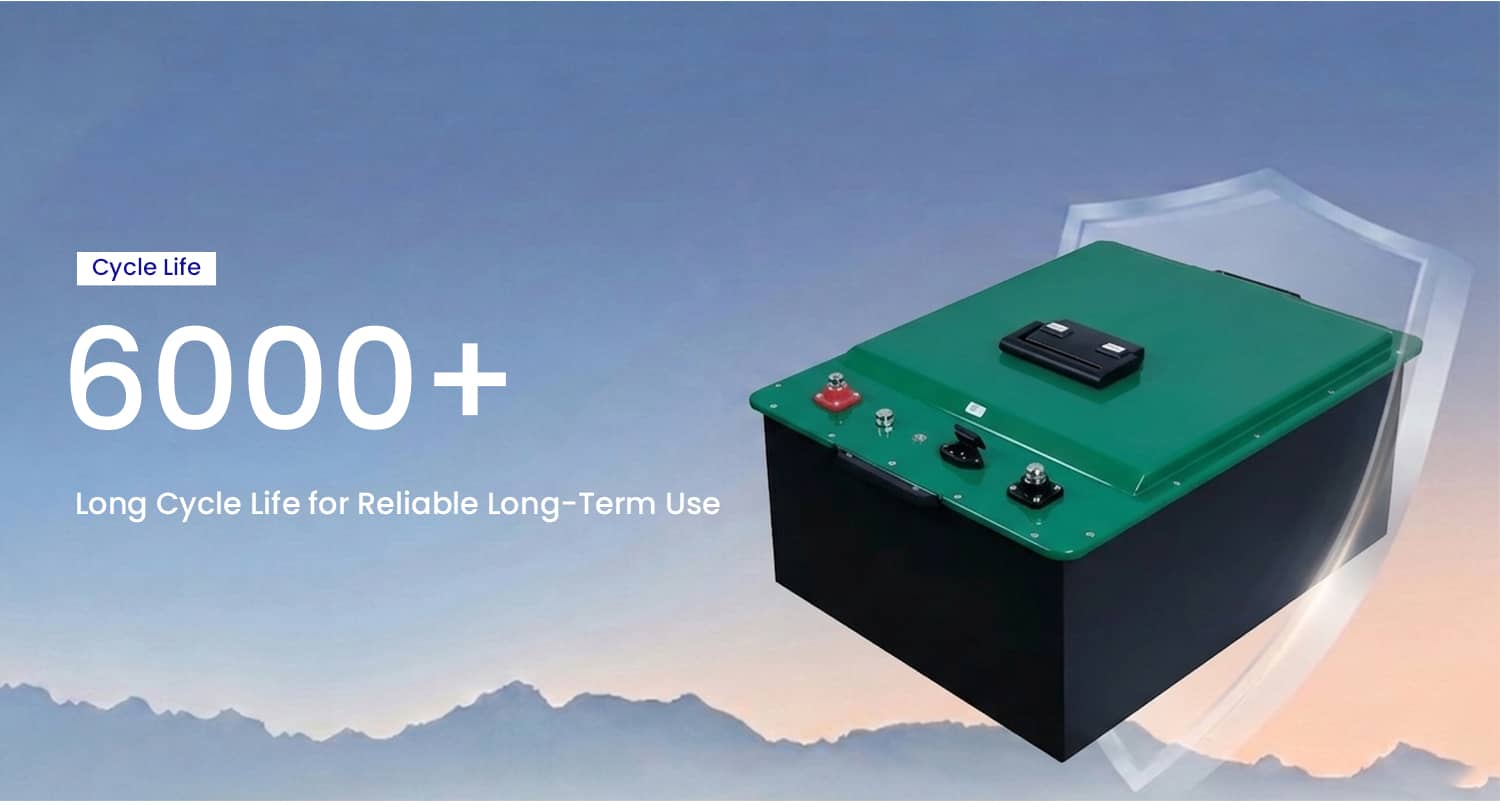
A lithium truck battery can reduce maintenance pressure in several ways. First, lithium batteries usually offer longer cycle life than lead-acid batteries when properly managed. Second, they do not require the same maintenance habits as traditional flooded lead-acid batteries. Third, a good BMS helps protect against overcharge, over-discharge, over-current, short circuit, and temperature-related problems.
For fleet customers, this means fewer unexpected battery failures and less time spent diagnosing power complaints. It also means the maintenance team can shift from reactive repairs to planned service.
Downtime is expensive because it affects more than the battery price. It affects labor, towing, driver scheduling, delivery timing, and customer trust. That is why the purchase price of a semi truck battery should not be the only decision factor. Fleets should compare total operating cost.
A lithium truck battery solution may cost more upfront, but it can support longer replacement intervals, better sleeper cab performance, and fewer power-related interruptions. For fleets that operate long routes or overnight parking schedules, that value matters.
What Should Fleets Check Before Upgrading a Semi Truck Battery?
A lead-acid to lithium upgrade should be handled as a system decision, not just a battery swap. Before choosing a semi truck battery, fleets should check seven key points.
The first point is voltage. Many truck parking power systems use 24V battery configurations, but fleet specifications vary. The new battery must match the truck’s electrical architecture and connected equipment.
The second point is capacity. Fleet managers should calculate real power demand from the sleeper cab air conditioner, fan, lights, refrigerator, and devices. Battery capacity should be sized based on real overnight loads, not only the old battery label.
The third point is discharge current. A parking air conditioner or inverter can require high current. The battery and BMS must support the load without shutting down.
The fourth point is charging compatibility. The lithium battery must work with the alternator, DC-DC charger, shore power charger, or other charging method used in the truck. Incorrect charging can reduce performance and battery life.
The fifth point is BMS protection. A lithium semi truck battery should include protection against overcharge, over-discharge, short circuit, over-current, high temperature, and low-temperature charging. BMS quality is especially important for commercial vehicles.
The sixth point is installation space. The battery must fit the truck compartment, mounting bracket, ventilation requirements, and cable routing. A clean installation helps prevent future service problems.
The seventh point is after-sales support. Fleets need technical guidance, clear documentation, and stable supply. A commercial truck battery should not be treated like a small consumer accessory.
When these checks are done correctly, the upgrade is much safer and more effective.
Is a Lithium Semi Truck Battery Worth the Higher Upfront Cost?
The main objection to lithium is upfront cost. A lithium semi truck battery usually costs more than a lead-acid battery at the time of purchase. But fleet customers should not compare only the purchase price. They should compare total cost of ownership.
A cheaper battery is not really cheaper if it needs to be replaced more often, causes maintenance complaints, fails under sleeper cab loads, or encourages drivers to idle the engine. The real cost includes replacement frequency, maintenance labor, downtime, fuel use, and driver comfort.
A lithium semi truck battery can create value in several ways. It can provide more usable energy, support no-idle cooling, reduce battery maintenance, lower the risk of deep-discharge damage, and improve overnight power reliability. For drivers, this means better rest. For fleets, it means fewer complaints and more predictable operation.
This is especially important in markets where driver retention is difficult. Comfort inside the sleeper cab is not a luxury detail. It affects how drivers experience the job. If a battery system helps keep the cab cooler, quieter, and more stable during rest breaks, it can support driver satisfaction.
The right question is not “Which battery is cheapest?” The right question is “Which battery system gives the lowest operating risk and the best long-term value?” For many long-haul and fleet applications, lithium provides a stronger answer.
How Does the Current Market Push Fleets Toward Lithium Upgrades?
The current market is pushing fleets toward practical efficiency upgrades. Fleet operators are dealing with fuel cost pressure, maintenance pressure, driver comfort demands, and emissions expectations. At the same time, sleeper cab electrical loads are increasing.
Anti-idling policies are also part of the market environment. California rules, for example, generally limit idling for many diesel commercial vehicles to five consecutive minutes, with specific requirements and exceptions. Regulations vary by region, but the direction is clear: fleets are encouraged to reduce unnecessary engine idling.
Heavy-duty vehicle emission standards are another signal. The U.S. EPA announced Phase 3 greenhouse gas standards for heavy-duty vehicles beginning with model year 2027, showing continued pressure toward cleaner and more efficient commercial transport.
A lithium semi truck battery fits this market because it supports incremental electrification. Fleets do not need to convert every truck into a fully electric vehicle to benefit from better battery technology. They can start with parking power, sleeper cab comfort, and battery upgrades.
This is why lead-acid to lithium conversion is a realistic topic for today’s truck market. A semi truck battery upgrade is easier to understand, easier to implement, and directly connected to daily fleet pain points.
What Type of Semi Truck Battery Is Best for Modern Fleet Operations?
The best semi truck battery for modern fleet operations depends on the application, but the direction is clear. For basic starting, lead-acid can still be used in many vehicles. For sleeper cab power, no-idle parking air conditioning, and repeated deep cycling, lithium is usually the more suitable choice.
A strong lithium semi truck battery should have enough capacity for overnight loads, a high-quality BMS, stable discharge performance, charging compatibility, durable casing, secure terminals, and reliable thermal protection. It should also be easy for fleet technicians to install, inspect, and service.
For B2B buyers, the product should be positioned as a solution, not just a battery. The customer is not only buying a battery box. They are buying lower maintenance risk, better driver comfort, more stable parking power, and a cleaner no-idle operating strategy.
That is why product pages and sales materials should not focus only on voltage and capacity. They should also explain use cases: sleeper cab cooling, truck parking power, electric APU support, overnight power, fleet maintenance, and lead-acid replacement.
A semi truck battery that solves real fleet pain points will be easier to sell than a battery described only by technical specifications.

How Should Fleets Start a Lead-Acid to Lithium Upgrade?
Fleets should begin with real operating data. Before selecting a semi truck battery, they should review how long drivers rest, what equipment runs overnight, how often batteries are replaced, how many power complaints occur, and whether trucks idle during parking.
Next, they should match the battery to the system. A lithium semi truck battery should be selected based on voltage, capacity, BMS current, charging method, installation space, and air conditioner compatibility. If the truck uses a parking air conditioner or electric APU, the battery must be sized around that load.
Finally, fleets should test the upgrade in a small group of trucks before wider rollout. This allows the maintenance team to confirm runtime, charging behaviour, installation quality, and driver feedback.
A successful upgrade should deliver a clear result: less dependence on idling, better sleeper cab comfort, fewer lead-acid battery problems, and more predictable truck operation.
A semi truck battery is now part of the larger fleet efficiency strategy. As the market moves toward lower idle time, better driver experience, and smarter power management, lithium batteries provide a practical solution for fleets that want to modernize without waiting for a full vehicle replacement cycle.
Looking for a Better Semi Truck Battery Solution for Fleet Parking Power?
If your fleet is still dealing with short battery runtime, frequent lead-acid replacements, sleeper cab power complaints, or high engine idling time, it may be time to consider a lithium semi truck battery solution. A properly designed truck parking battery system can support overnight power, parking air conditioning, refrigerator use, device charging, and no-idle operation while helping fleets reduce maintenance pressure and improve driver comfort.
Febatt provides lithium truck battery solutions designed for commercial vehicle parking power, sleeper cab applications, and fleet energy upgrades. Whether you need a 24V truck battery system, a lithium replacement for lead-acid batteries, or a customized no-idle truck battery solution, our team can help evaluate the right battery capacity, BMS protection, installation requirements, and application scenario for your fleet.