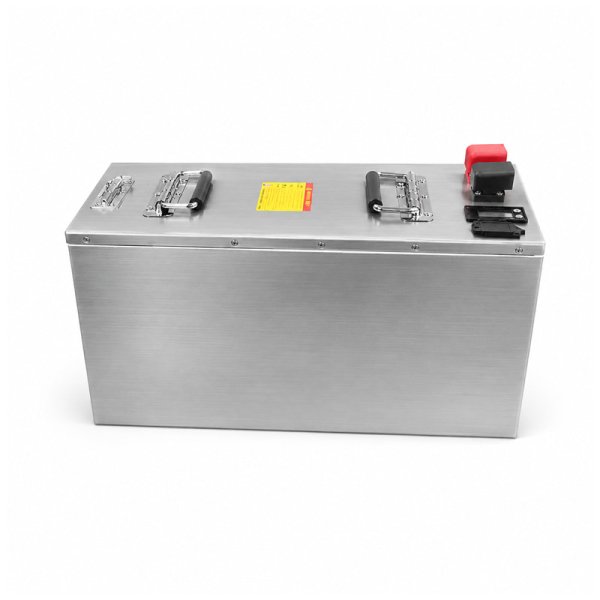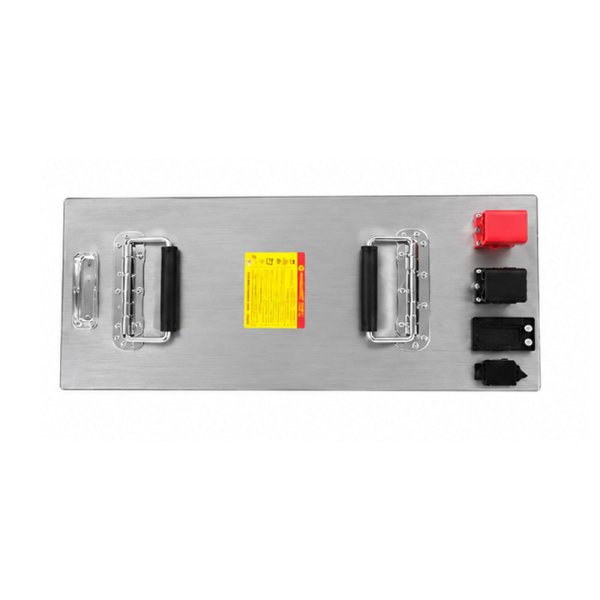
For many RV owners, the short answer is yes: lithium rv batteries are worth it if you want longer usable power, faster charging, lighter weight, and better long-term value. They cost more upfront than lead-acid batteries, but for frequent travelers, off-grid campers, full-time RVers, and anyone running modern appliances, the upgrade can make RV life easier, safer, and more reliable.

Why Are More RV Owners Switching to Lithium RV Batteries?
RV travel has changed a lot. Years ago, many RVers only needed battery power for lights, a water pump, and maybe a small fan. Today, RV owners often power refrigerators, laptops, Starlink systems, induction cooktops, coffee makers, CPAP machines, cameras, air compressors, entertainment devices, and sometimes even air conditioners through inverter systems.
That is one major reason lithium rv batteries have become so popular. They match the way modern RVers actually use power.
Traditional lead-acid batteries can still work for basic camping, especially if you usually stay at full-hookup campgrounds. But once you start camping without shore power, the limitations become obvious. Lead-acid batteries are heavy, charge slowly, lose voltage under load, and usually should not be discharged deeply if you want them to last.
Lithium rv batteries solve many of these problems. They offer more usable capacity, hold voltage more steadily, and recharge much faster. This means you can run more devices for longer periods without constantly worrying about battery damage.
For B2B buyers, RV manufacturers, fleet buyers, rental RV businesses, and aftermarket distributors, this shift is also important. Customers now expect better energy systems. A battery is no longer just a support component. It is part of the RV experience.
Common reasons RV owners switch include:
- Longer off-grid camping time
- Faster solar and alternator charging
- Less battery weight
- Better performance under heavy loads
- Longer cycle life
- Lower long-term replacement cost
- More stable power for sensitive electronics
In simple terms, lithium rv batteries give RV owners more freedom. That freedom is what makes the upgrade attractive.
How Do Lithium RV Batteries Compare With Lead-Acid Batteries?
The biggest difference is usable power. A typical lead-acid battery should usually only be discharged to around 50% of its rated capacity to protect its lifespan. That means a 100Ah lead-acid battery often gives you only about 50Ah of practical usable energy.
By comparison, many lithium rv batteries can safely use 80% to 100% of their rated capacity, depending on the battery design and battery management system. A 100Ah lithium battery may provide nearly the full 100Ah of usable energy. So even if the label looks the same, the real-world power is very different.
Weight is another major difference. Lead-acid batteries are heavy. A 100Ah lead-acid battery may weigh around 60 to 70 pounds, while a 100Ah lithium battery often weighs around 25 to 30 pounds. For RV owners, reducing weight matters because every pound affects fuel economy, payload, towing safety, and storage flexibility.
Charging speed is also very different. Lead-acid batteries absorb current more slowly as they approach full charge. The last 15% to 20% can take a long time. Lithium rv batteries can accept higher charging currents for longer periods, which makes them much better for solar panels, DC-DC chargers, generators, and fast campground charging.
Here is a simple comparison:

This does not mean lead-acid batteries are useless. They still make sense for some RV owners. If someone camps only a few times a year and always uses shore power, a basic battery may be enough. But for serious travel, lithium rv batteries usually deliver better performance.
What Are the Real Benefits of Lithium RV Batteries?
The benefits of lithium rv batteries become clear when you look at daily RV use. This is not only about technical specifications. It is about how much easier camping becomes.
First, you get more usable energy. If you are parked off-grid, this means you can run lights, fans, refrigerator controls, water pumps, phones, laptops, and entertainment devices longer before needing to recharge.
Second, voltage stays more stable. Lead-acid batteries often show voltage drop as they discharge. This can cause inverters, refrigerators, or other equipment to perform poorly. Lithium rv batteries maintain a steadier voltage, so appliances run more consistently.
Third, charging is faster. This is a major advantage when using solar. RV solar charging is limited by sunlight hours. If your batteries cannot accept current efficiently, you waste valuable solar production. Lithium rv batteries are much better at taking in available solar energy during the day.
Fourth, lithium batteries are lighter. In an RV, weight affects everything. Less battery weight can improve towing comfort and help you stay within safe payload limits.
Fifth, lifespan is much longer. Quality lithium rv batteries can often last thousands of cycles. Lead-acid batteries may need replacement much sooner, especially if they are deeply discharged often.
Another practical benefit is maintenance. Many lead-acid batteries need more attention, especially flooded lead-acid types. Lithium batteries are usually sealed and managed by an internal BMS, or battery management system. This helps protect the battery from overcharge, over-discharge, short circuit, overheating, and other risks.
For RV owners, the real benefit is peace of mind. You do not have to plan every activity around battery anxiety. You can stay out longer, use more comfort equipment, and recharge more efficiently.
Are Lithium RV Batteries Good for Off-Grid Camping?
Yes, lithium rv batteries are especially useful for off-grid camping. In fact, this is where they show their strongest value.
Boondocking, dry camping, and remote travel all depend on stored power. When there is no shore power connection, your battery bank becomes the heart of your RV. A weak or slow-charging battery system can limit your whole trip.
With lithium rv batteries, you can get more usable capacity from the same rated amp-hours. That means a smaller lithium battery bank can often outperform a larger lead-acid bank in real camping conditions.
For example, two 100Ah lead-acid batteries may provide around 100Ah of usable power if you follow the 50% discharge rule. Two 100Ah lithium batteries may provide close to 200Ah of usable power. That is a huge difference for people camping away from hookups.
Off-grid RVers also benefit from fast charging. If you use solar panels, your charging window depends on sunlight. If you use a generator, you want to run it for as little time as possible. If you charge from your vehicle alternator, you want efficient energy transfer while driving. Lithium rv batteries help in all three situations.
They are useful for powering:
- 12V compressor refrigerators
- LED lighting
- Water pumps
- Roof vent fans
- Laptops and routers
- Camera gear
- Medical devices
- Inverter-based AC appliances
- Small kitchen appliances
For full-time RVers or long-distance travelers, this matters even more. A reliable battery system can reduce dependence on campgrounds and make travel routes more flexible.
However, off-grid performance also depends on system design. Lithium rv batteries work best when matched with the right solar charge controller, inverter, DC-DC charger, and wiring. A high-quality battery alone is not enough if the rest of the system is outdated or undersized.
How Long Do Lithium RV Batteries Last?
One of the biggest reasons people choose lithium rv batteries is lifespan. A quality lithium battery can last much longer than a lead-acid battery, especially in deep-cycle applications.
Battery lifespan is often measured in cycles. One cycle means a battery is discharged and recharged. Lead-acid batteries may deliver a few hundred cycles if used deeply. Some AGM batteries may last longer with careful use, but they still do not usually match lithium performance.
Many lithium rv batteries are rated for thousands of cycles. Depending on the product, chemistry, depth of discharge, temperature, and charging habits, a lithium battery can last many years in an RV.
This is where the higher upfront price starts to make sense. If a lithium battery costs more but lasts several times longer, the lifetime cost can be lower. For RV owners who travel often, this is a practical financial point, not just a marketing claim.
Lifespan depends on several factors:
- Battery cell quality
- Battery management system quality
- Charging voltage settings
- Depth of discharge
- Operating temperature
- Storage conditions
- Installation quality
- Load size and usage pattern
Good lithium rv batteries are usually built with LiFePO4 chemistry, also called lithium iron phosphate. This chemistry is widely used in RV energy storage because it offers strong thermal stability, long cycle life, and good safety performance compared with some other lithium chemistries.
To maximize lifespan, RV owners should avoid poor charging setups. A charger designed only for lead-acid batteries may not fully charge lithium batteries or may use the wrong charging profile.
The best results come from chargers that have a lithium setting or programmable voltage control.
Storage also matters. If the RV is parked for months, the battery should be stored according to the manufacturer’s instructions. Many lithium batteries prefer partial charge storage rather than being left completely full or completely empty for long periods.
With proper care, lithium rv batteries can become one of the longest-lasting components in the RV power system.
Are Lithium RV Batteries Safe for RV Use?
Yes, quality lithium rv batteries are safe for RV use when properly selected, installed, charged, and protected. The key is choosing batteries designed for RV deep-cycle applications, not random low-quality packs.
Most modern RV lithium batteries use LiFePO4 chemistry. This is different from the lithium chemistries often associated with overheating concerns in small electronics. LiFePO4 is known for better thermal stability and long cycle life, making it a strong choice for RV house battery systems.
A reliable battery should include a built-in BMS. The BMS helps monitor and protect the battery.
It can shut down or limit operation when the battery faces unsafe conditions.
A good BMS may protect against:
- Overcharging
- Over-discharging
- Short circuits
- Excess current
- High temperature
- Low temperature charging
- Cell imbalance
Low-temperature charging protection is especially important. Many lithium rv batteries should not be charged below freezing unless they have self-heating technology or a system designed for cold-weather charging. Discharging in cold weather is usually less of a problem than charging, but users should always follow the product manual.
Installation safety also matters. Even the best battery can be unsafe if installed with undersized wires, poor fusing, loose terminals, or an incompatible charger. RV power systems should be designed with correct cable sizes, circuit protection, ventilation around components, and secure mounting.
For B2B buyers and RV builders, safety certifications and quality control should be part of supplier selection. A cheaper battery may look attractive, but poor internal design can lead to warranty claims, customer complaints, and brand damage.
In practical terms, lithium rv batteries are safe when treated as a serious power system component. Choose quality, install correctly, and use compatible charging equipment.
How Much Do Lithium RV Batteries Cost?
The upfront cost of lithium rv batteries is higher than lead-acid batteries. This is the main reason some RV owners hesitate. But cost should be judged by usable power, lifespan, charging speed, and replacement frequency, not just the purchase price.
A basic lead-acid battery may look much cheaper at first. But because only part of its capacity is usable, the real cost per usable amp-hour is higher than it appears. Also, if it needs replacement every few years, the long-term cost adds up.
A lithium battery usually costs more, but it provides more usable capacity and lasts longer. For frequent RV users, the cost per year can be very competitive.
When comparing costs, ask these questions:
- How much usable capacity do I actually get?
- How many cycles can the battery provide?
- How often will I need to replace it?
- Will it reduce generator runtime?
- Will it improve solar charging efficiency?
- Will it reduce RV weight?
- Will it support future upgrades?
For example, a 100Ah lead-acid battery and a 100Ah lithium battery do not deliver the same practical value. The lithium battery may provide nearly twice the usable energy, charge faster, and last much longer. That changes the cost calculation.
For RV businesses, lithium rv batteries can also improve product positioning. A camper, trailer, motorhome, or specialty vehicle with a lithium-ready power system may be more attractive to customers who care about off-grid capability.
The best way to view lithium cost is as a long-term energy investment. If the RV is used often, especially away from hookups, lithium usually makes strong financial sense. If the RV is used rarely and only at powered campgrounds, the payback may be slower.
Do Lithium RV Batteries Work Well With Solar Panels?
Yes, lithium rv batteries work very well with solar panels. In many RV systems, lithium and solar are a strong combination.
Solar panels produce power during daylight hours, but the amount changes constantly depending on sun angle, clouds, shade, roof space, and panel quality. The battery bank must absorb that power efficiently. Lithium batteries are better suited for this than lead-acid batteries because they can accept charge more quickly and maintain better efficiency.
This means your solar system can recover energy faster during good sunlight. For boondockers, that can be the difference between staying off-grid comfortably and needing to start a generator.
A lithium solar setup usually includes:
- Solar panels
- MPPT solar charge controller
- Lithium-compatible battery bank
- Proper fuses and breakers
- Correct wire sizing
- Battery monitor
- Inverter, if AC power is needed
A key detail is the charge controller. It should support lithium charging profiles or allow custom voltage settings. Using the wrong settings can reduce battery performance or cause incomplete charging.
Lithium rv batteries also work well with battery monitors because their voltage curve is flatter than lead-acid. A battery monitor with a shunt can give a more accurate reading of state of charge than relying only on voltage.
For travelers who camp in sunny locations, lithium plus solar can dramatically reduce generator use. It also makes the RV quieter and more independent. Many RV owners prefer this because it improves comfort at campsites and reduces fuel use.
However, solar size should match energy demand. A small solar panel cannot fully support heavy inverter loads, even with excellent batteries. If you want to run high-demand appliances, you need enough panel wattage and enough battery capacity.
In a balanced system, lithium rv batteries help solar panels perform at their best.
Can Lithium RV Batteries Power an RV Air Conditioner?
This is one of the most common questions RV owners ask. The answer is yes, lithium rv batteries can power an RV air conditioner, but only if the system is designed correctly.
An RV air conditioner uses a lot of power. Running it from batteries requires a large lithium battery bank, a powerful inverter, proper wiring, and enough charging capacity to recover the energy used. A single small battery is not enough for meaningful air conditioner runtime.
For example, a rooftop air conditioner may require high startup current and significant continuous power. A soft starter can help reduce startup surge, making it easier for an inverter to handle the load. But even with a soft starter, air conditioning drains batteries quickly.
To run air conditioning from lithium rv batteries, you may need:
- A large battery bank
- A high-capacity inverter
- A soft start device
- Heavy-duty cables
- Proper fusing
- Strong solar input or alternator charging
- A realistic runtime plan
This does not mean battery-powered air conditioning is impractical. It simply means expectations must be realistic. Lithium can make short-term air conditioning possible, such as cooling the RV during lunch stops, resting in the afternoon, or running the AC for limited nighttime periods.
For full overnight AC use, the system must be much larger and more expensive. Some premium RV builds now include large lithium systems specifically for this reason.
For most users, lithium rv batteries are excellent for normal RV loads and moderate inverter use. For air conditioning, they can work, but the system must be planned carefully.
What Size Lithium Battery Bank Does an RV Need?
The right size depends on how much power you use and how long you want to camp without recharging. There is no single answer for every RV.
A weekend camper with basic needs may be comfortable with one 100Ah or 200Ah lithium battery. A family using laptops, fans, a 12V refrigerator, and an inverter may need 300Ah to 400Ah. Full-time RVers or heavy off-grid users may choose 600Ah or more.
To size lithium rv batteries, start by listing your daily power use. Think about every device you use in a normal day.
Common RV power users include:
- Lights
- Water pump
- Furnace fan
- Refrigerator
- Roof fans
- Phone chargers
- Laptop chargers
- Wi-Fi router
- TV
- Microwave
- Coffee maker
- Induction cooktop
- CPAP machine
- Inverter standby power
The most accurate method is to calculate watt-hours. Multiply the wattage of each device by the number of hours used per day. Then compare that total with your battery capacity.
For example, a 12.8V 100Ah lithium battery stores about 1,280 watt-hours of energy before efficiency losses. A 200Ah bank stores about 2,560 watt-hours. A 400Ah bank stores about 5,120 watt-hours.
Inverters also create efficiency losses, so AC appliances use more battery power than their rated wattage suggests. High-heat devices like microwaves, electric kettles, space heaters, and hair dryers consume energy quickly.
- A practical sizing approach:Light weekend use: 100Ah to 200Ah
- Moderate off-grid use: 200Ah to 400Ah
- Heavy boondocking: 400Ah to 600Ah
- Large inverter or AC use: 600Ah or more
The best lithium rv batteries setup is not always the biggest one. It is the one that matches your real usage, charging method, budget, and RV space.

What Should Buyers Check Before Upgrading to Lithium RV Batteries?
Before upgrading to lithium rv batteries, RV owners should check the entire electrical system. A battery upgrade can reveal weaknesses in chargers, converters, wiring, and monitoring equipment.
First, check the converter or charger. Many older RV converters are designed for lead-acid batteries. They may not charge lithium batteries fully. Some can be replaced with lithium-compatible models, while others may have adjustable settings.
Second, check the alternator charging setup. If your RV charges the house battery from the engine alternator, you may need a DC-DC charger. Lithium batteries can accept high current, and without proper control, they may stress the alternator or create charging issues.
Third, check the solar charge controller. It should support lithium settings. MPPT controllers are generally preferred for efficiency.
Fourth, check the inverter. If you plan to run AC appliances, make sure the inverter is large enough and compatible with your battery bank.
Fifth, check physical space. Lithium rv batteries are lighter and often more compact, but dimensions still matter. They also need secure mounting.
Sixth, check temperature conditions. If you camp in cold climates, consider batteries with low-temperature charging protection or self-heating features.
Seventh, check warranty and support. This is especially important for commercial buyers and dealers. A battery supplier should provide clear specifications, technical guidance, and after-sales support.
Important buying factors include:
- LiFePO4 chemistry
- Built-in BMS
- Cycle life rating
- Continuous discharge current
- Peak discharge current
- Charging temperature range
- Low-temperature protection
- Certifications
- Warranty terms
- Technical support
- Brand reputation
Cheap batteries may reduce upfront cost, but they can create long-term problems. For RV power systems, reliability matters more than the lowest price.
Are Lithium RV Batteries Worth It for Occasional Campers?
For occasional campers, lithium rv batteries may or may not be worth it. It depends on camping style.
If someone uses the RV only a few weekends a year and stays mostly at campgrounds with shore power, the upgrade may not be urgent. A simple lead-acid or AGM battery may be enough for lights, slides, and short power needs.
But occasional use does not always mean low power demand. Some people camp rarely but still want comfort, reliable power, and fewer battery problems. In that case, lithium can still be a smart upgrade.
Lithium may be worth it for occasional campers who:
- Want reliable power without much maintenance
- Store the RV for long periods
- Use solar charging
- Camp at sites without hookups
- Need power for medical devices
- Want lighter battery weight
- Prefer long-term durability
The key question is not only how often the RV is used. It is how important battery reliability is during each trip.
For example, if a family takes only two long RV trips per year, battery failure during those trips can still ruin the experience. In that case, lithium rv batteries may be worth the higher cost because they reduce risk and improve comfort.
For very light users, a full lithium upgrade may be unnecessary. But for anyone planning future off-grid trips, lithium is a future-ready choice.
Are Lithium RV Batteries Worth It for Full-Time RVers?
For full-time RVers, lithium rv batteries are usually worth it. Full-time RV living places much higher demand on the electrical system. The battery bank is used daily, often under changing weather and travel conditions.
Full-time RVers care about reliability, usable capacity, charging speed, and long lifespan. Lithium performs well in all of these areas.
A full-time RVer may use battery power for work, cooking, communication, refrigeration, heating support, lighting, and entertainment. If the battery system is weak, daily life becomes stressful.
Lithium rv batteries help full-time travelers stay flexible. They can camp in more places, rely less on noisy generators, and make better use of solar power. They also support remote work better because laptops, routers, and mobile internet systems need stable power.
The long cycle life is another big advantage. A full-time RVer may cycle batteries far more often than a weekend camper. Lead-acid batteries can wear out quickly under heavy cycling. Lithium batteries are better suited for that workload.
Full-time users should invest in a complete system, not just the battery. That includes a proper inverter, charger, solar controller, DC-DC charger, battery monitor, and quality wiring.
For this type of user, the question is less “Are they worth it?” and more “How large should the system be?” In most full-time RV setups, lithium rv batteries are one of the best upgrades available.
What Mistakes Should RV Owners Avoid With Lithium RV Batteries?
The first mistake is buying based only on price. Battery quality matters. Low-cost batteries may use weaker cells, poor BMS design, limited protection, or unclear warranty terms.
The second mistake is keeping old charging equipment without checking compatibility. A lithium battery needs the right charging profile. If the charger is wrong, the battery may not charge correctly.
The third mistake is ignoring cold weather. Many lithium rv batteries should not be charged below freezing unless they include low-temperature charging protection or heating. Cold-weather RVers must plan for this.
The fourth mistake is undersizing the battery bank. Some owners expect one battery to run everything, including large inverter loads. This creates disappointment. Battery capacity must match real energy use.
The fifth mistake is using poor wiring. High-current systems need proper cable size, fuses, breakers, and secure connections. Undersized cables can create voltage drop and safety risks.
The sixth mistake is not using a battery monitor. Lithium voltage stays relatively flat, so voltage alone may not show accurate state of charge. A shunt-based monitor is a better choice.
The seventh mistake is mixing old and new batteries carelessly. Different battery types, ages, capacities, and brands may not work well together. Follow manufacturer guidance when expanding a system.
Avoiding these mistakes helps lithium rv batteries perform as expected and last longer.
How Can RV Owners Get the Best Value From Lithium RV Batteries?
To get the best value, start with a clear power plan. Do not buy batteries first and think about the system later. Decide what you want to power, how long you want to stay off-grid, and how you will recharge.
Then choose battery capacity based on real usage. Overspending on a huge battery bank is not always necessary. But buying too little capacity can also be frustrating.
Use lithium-compatible charging equipment. This includes the converter, solar charge controller, and DC-DC charger if alternator charging is involved.
Add a battery monitor. This helps you understand power use and avoid surprises.
Install the system properly. If you are not confident with RV electrical work, get help from a qualified installer. This is especially important for large inverter systems.
Choose batteries from a supplier that provides clear specifications and support. For commercial buyers, ask about warranty process, technical documents, certifications, packaging, and after-sales service.
The best value comes from balancing:
- Battery quality
- System compatibility
- Capacity needs
- Charging speed
- Safety features
- Warranty support
- Long-term use
When installed correctly, lithium rv batteries can transform the RV power experience. They make camping more flexible, reduce charging stress, and provide better long-term performance.

So, Are Lithium RV Batteries a Smart Upgrade for Your RV?
Lithium rv batteries are worth it for many RV owners, especially those who camp off-grid, travel often, use solar power, work remotely, or want a more reliable electrical system. They provide more usable energy, faster charging, lighter weight, longer lifespan, and better support for modern RV appliances.
They are not the cheapest option upfront, and they are not necessary for every camper. If you rarely use your RV and always stay connected to shore power, a basic battery may still meet your needs. But if you want more independence and fewer power limitations, lithium is hard to beat.
The strongest value comes when the whole system is designed properly. A good battery should be matched with the right charger, solar controller, inverter, wiring, fuse protection, and monitoring tools.
For weekend travelers, lithium rv batteries can make camping more comfortable. For boondockers, they can extend freedom. For full-time RVers, they can support daily life. For RV brands and suppliers, they can improve product competitiveness.
In the end, the real question is not just whether lithium is worth it. The better question is whether your current RV power system supports the way you actually want to travel. If the answer is no, lithium rv batteries are one of the most practical upgrades you can make.