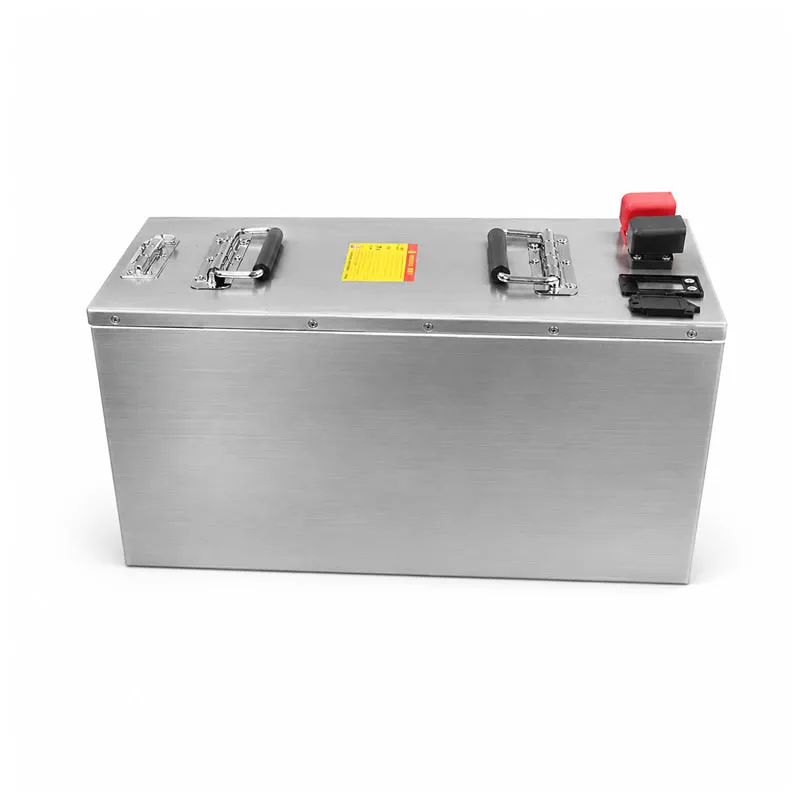
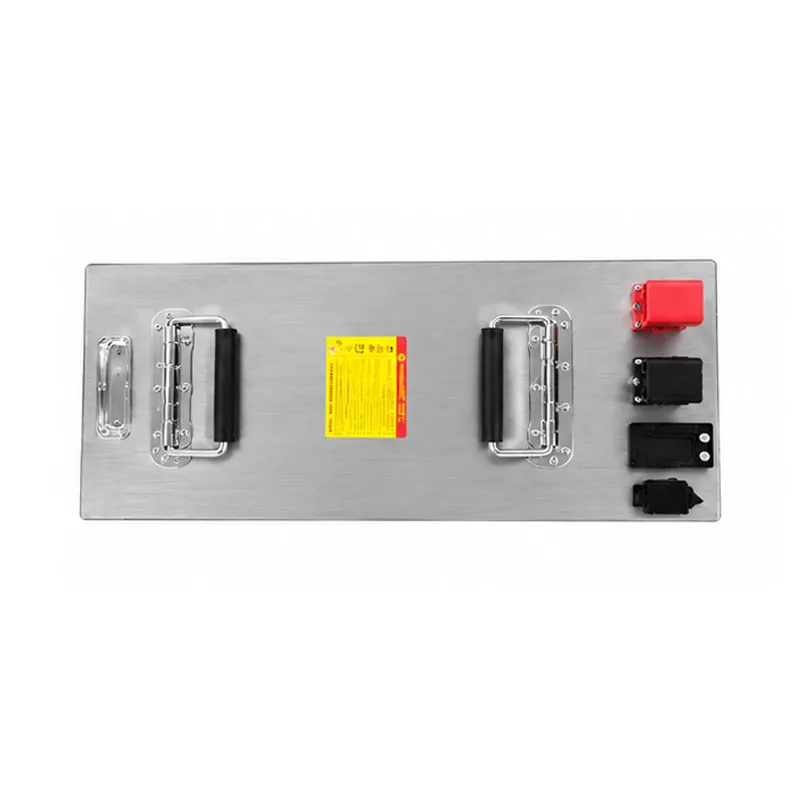
When it comes to powering industrial equipment, energy storage, or even mobile solutions, choosing the right battery is crucial. LiFePO4 battery (Lithium Iron Phosphate) and traditional lithium-ion batteries are two of the most popular options. While both serve similar functions, there are significant differences that can influence which battery type is best suited for your business needs.
Lithium-ion batteries are the more commonly known and widely used option, but LiFePO4 batteries are quickly gaining traction due to their distinct advantages. Understanding the differences between these two technologies is essential when making decisions about long-term investment and operational costs.

What Are LiFePO4 Batteries and How Do They Work?
LiFePO4 battery are a type of lithium-ion battery that uses lithium iron phosphate as the cathode material. They are known for their improved safety, longer lifespan, and environmental friendliness. The chemistry of LiFePO4 batteries allows them to perform well in a wide range of applications, from energy storage to high-power demands like electric vehicles.
Unlike traditional lithium-ion batteries, which use cobalt or manganese in their cathodes, LiFePO4 batteries have a much more stable structure. This makes them less prone to overheating or combustion, which is a critical factor in industries that rely on large-scale battery systems for power.
Why Are LiFePO4 Batteries Safer Than Lithium-Ion?
Safety is one of the primary benefits that LiFePO4 battery offer over traditional lithium-ion batteries. Traditional lithium-ion batteries are prone to thermal runaway, which can lead to fires or even explosions in extreme conditions. The internal structure of LiFePO4 battery makes them far more resistant to such risks. Their robust chemical properties ensure that even in high-stress situations, the battery remains stable and safe.
Moreover, LiFePO4 batteries are more tolerant to overcharging, over-discharging, and extreme temperatures. This makes them a preferred option for industries that need a reliable, safe energy source without the constant worry of potential battery failure.
How Long Do LiFePO4 Batteries Last Compared to Lithium-Ion?
Another major distinction between LiFePO4 battery and traditional lithium-ion batteries is their lifespan. LiFePO4 battery typically offer between 3,000 and 5,000 charge cycles, while lithium-ion batteries only provide about 500 to 1,000 cycles. This means LiFePO4 batteries can last 3 to 5 times longer than traditional lithium-ion options.
The longer lifespan of LiFePO4 battery is a significant advantage in industries where batteries are a critical part of the infrastructure. Over time, the higher upfront cost of LiFePO4 batteries is offset by the reduced need for replacements, making them a more cost-effective solution in the long run.
What Are the Cost Differences Between LiFePO4 and Lithium-Ion Batteries?
Initially, LiFePO4 battery tend to be more expensive than lithium-ion batteries due to the cost of raw materials and the manufacturing process. However, this price difference is often outweighed by the battery’s longer lifespan and higher safety standards.
Lithium-ion batteries are cheaper upfront but need to be replaced more frequently, especially in high-demand applications. Over time, businesses using LiFePO4 battery may save significantly on replacement costs, making the initial investment a smart decision.
Additionally, LiFePO4 battery are generally more energy-efficient, with lower self-discharge rates compared to lithium-ion batteries. This efficiency translates into fewer losses in power storage, further enhancing the overall value of LiFePO4 batteries.

Which Applications Benefit Most from LiFePO4 Batteries?
Given their safety and longevity, LiFePO4 battery are well-suited for a variety of high-demand applications:
- Electric Vehicles (EVs):The longer lifespan and enhanced safety features of LiFePO4 batteries make them ideal for use in electric cars and other transportation vehicles.
- Energy Storage Systems:Due to their ability to cycle many more times than lithium-ion batteries, LiFePO4 battery are perfect for residential, commercial, and industrial energy storage systems, especially those relying on renewable sources like solar.
- Power Backup Systems:Businesses that rely on power continuity can benefit from LiFePO4 batteries as their backup power solution. With fewer maintenance requirements and better long-term reliability, they are perfect for data centers or critical facilities.
Other applications include grid energy storage, marine systems, medical devices, and portable energy solutions.
How Do LiFePO4 Batteries Compare to Lithium-Ion in Terms of Environmental Impact?
Environmental sustainability is a growing concern in all industries, and choosing the right type of battery can play a significant role in reducing environmental impact. LiFePO4 battery are far more eco-friendly than lithium-ion alternatives.
The materials used in LiFePO4 batteries are non-toxic and do not contain harmful substances like cobalt, which is often used in lithium-ion batteries. The extraction of cobalt has been linked to environmental degradation and ethical concerns, which makes LiFePO4 battery a more sustainable option. Additionally, LiFePO4 batteries are more easily recyclable, reducing their impact on the environment.
Lithium-ion batteries, while still recyclable, are more challenging and costly to process due to the materials involved. The long-term sustainability of LiFePO4 batteries makes them an attractive choice for businesses focused on green energy solutions.
What Are the Performance Differences Between LiFePO4 and Lithium-Ion Batteries?
Performance-wise, LiFePO4 battery excel in several areas compared to traditional lithium-ion batteries:
- Temperature Tolerance: LiFePO4 battery can operate in a wider range of temperatures, from -20°C to 60°C, while lithium-ion batteries may struggle at lower or higher temperatures.
- Charging Speed: LiFePO4 battery are known for their stable charging performance, even under higher currents. While lithium-ion batteries charge faster, they tend to degrade more quickly due to the stress of rapid charging.
- Power Density: Lithium-ion batteries have a higher energy density than LiFePO4 batteries, which means they can store more energy in the same physical space. However, LiFePO4 batteries make up for this by lasting significantly longer, providing better overall value for many applications.
For businesses that need a balance of long-term performance, safety, and cost-effectiveness, LiFePO4 batteries provide an excellent solution.

How Do LiFePO4 Batteries Contribute to Energy Security?
In the context of business energy solutions, LiFePO4 battery play a vital role in ensuring reliable and uninterrupted power. Their ability to withstand deep discharges and charge cycles makes them a reliable option for industries that need secure, continuous energy.
Whether used in energy storage systems, electric vehicles, or remote off-grid applications, LiFePO4 batteries help businesses reduce their dependence on grid power and enhance their energy security. In the face of fluctuating energy prices and frequent outages, LiFePO4 battery provide a sustainable, independent energy solution.
How Do LiFePO4 Batteries Impact the Future of Energy Storage?
The future of energy storage is evolving rapidly, and LiFePO4 battery are leading the charge. With their impressive performance, long lifespan, and environmentally friendly features, LiFePO4 batteries are becoming the preferred choice for both businesses and consumers.
As the demand for renewable energy solutions grows, LiFePO4 battery are at the forefront of advancing energy storage technologies. From enhancing the efficiency of solar power systems to revolutionizing the electric vehicle industry, LiFePO4 batteries are shaping the future of energy storage.
By opting for LiFePO4 batteries, businesses can leverage reliable, cost-effective, and sustainable energy solutions. Investing in these batteries today means preparing for a greener and more efficient future in energy storage and usage.