If your Ryobi 18V batteries suddenly stop working, are rejected by the charger, or no longer powers a tool, the pack may have entered a protection state. A Ryobi 18V battery can stop charging after deep discharge, overheating, storage for a long period, or another condition that triggers its protection electronics.
Before trying any reset, start with the safest checks. A Ryobi 18V battery that is swollen, cracked, leaking, unusually hot, or physically damaged should not be reset or opened. Stop using it and follow the manufacturer’s service or recycling guidance.
FEBATT business note: This guide is maintained for users troubleshooting a consumer power-tool battery. FEBATT’s current business focus is B2B lithium power batteries for electric mobility and industrial equipment. If you are sourcing batteries for electric motorcycles, scooters, forklifts, golf carts, AGV/AMR systems, or other powered equipment, explore our Power Battery Solutions or browse the Power Battery product range.
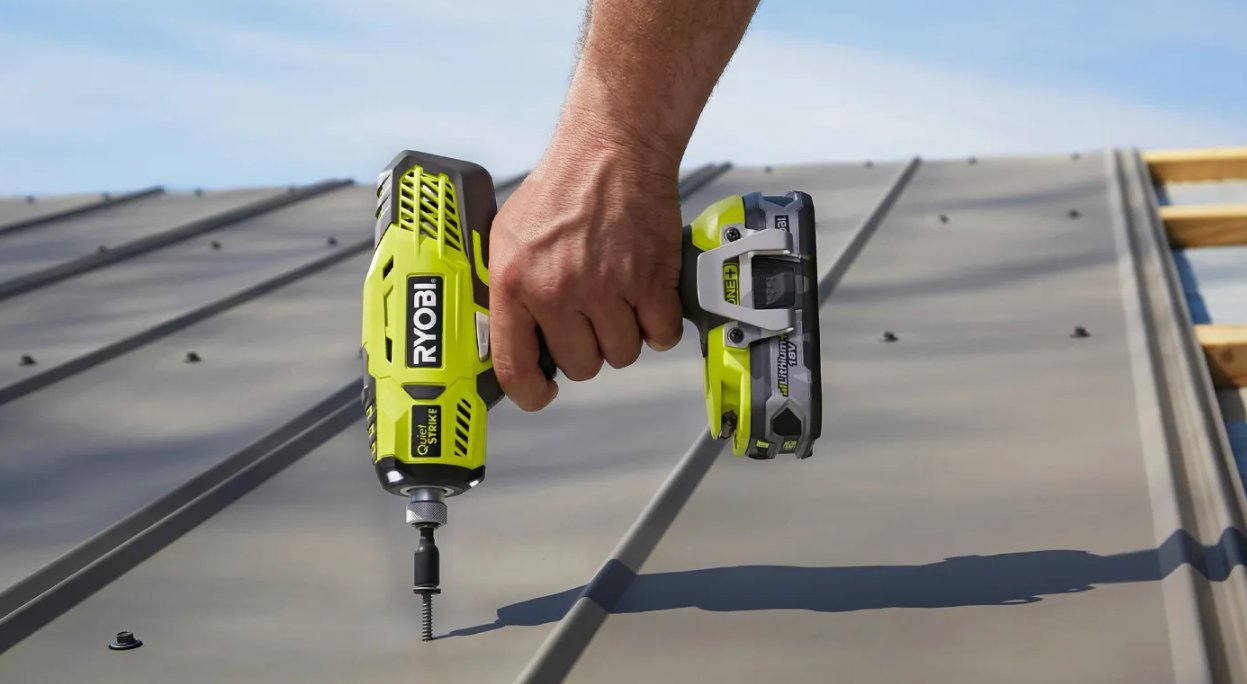
Why Does Ryobi 18V Batteries Stop Working?
A modern Ryobi 18V battery uses protection electronics to monitor operating conditions. If it detects a condition outside its safe operating range, the pack may stop delivering power or may not accept a charge.
Common reasons it may appear unresponsive include:
- Battery won’t charge
- Charger shows error or blinking lights
- Tool doesn’t recognize the battery
- Battery suddenly stops during use
A Ryobi 18V battery that has simply entered protection mode may recover after safe troubleshooting. This battery with damaged cells or electronics may require professional service or replacement.
How Can You Tell If Your Ryobi 18V Battery Needs Resetting?
Not every Ryobi 18V battery problem can be solved by a reset. First check whether the symptoms are consistent and whether another compatible charger or tool produces the same result.
Signs that a Ryobi 18V battery may need troubleshooting include:
- The battery will not begin charging
- The charger displays an error or abnormal light pattern
- A tool does not recognize the battery
- The battery stops unexpectedly under normal use
- The pack has been stored for a long time and will not wake normally
If it shows visible damage, swelling, leakage, burning odor, or abnormal heat, do not attempt to reset it.
What Is the Safest Way to Reset a Ryobi 18V Battery?
The safest approach is to use the normal charger-and-inspection process rather than bypassing the battery management electronics. For a Ryobi 18V battery, avoid opening the case, shorting terminals, applying an external voltage source, or connecting another battery directly to its terminals.
Before resetting a Ryobi 18V battery:
- Let the pack return to room temperature
- Inspect the battery and charger contacts for dirt or damage
- Confirm the charger is compatible and working
- Keep the battery dry and away from conductive objects
- Stop immediately if the pack becomes hot or behaves abnormally
Now let’s look at practical reset methods.
Can You Reset a Ryobi 18V Battery by Using the Charger?
For a Ryobi 18V battery with no physical damage, the normal charger is the first troubleshooting method to try.
- Remove the battery from the tool.
- Let the battery cool to room temperature if it was recently used.
- Inspect and clean accessible contacts without opening the pack.
- Insert the battery fully into a compatible charger.
- Observe the charger indicator lights and follow the charger manual.
- Remove and reseat the Ryobi 18V battery once if the connection appears poor.
If the battery begins charging normally, allow the charger to complete its normal cycle. If the charger repeatedly shows a fault, test the charger with another known-good compatible battery if available. This helps distinguish a charger problem from a Ryobi 18V battery problem.
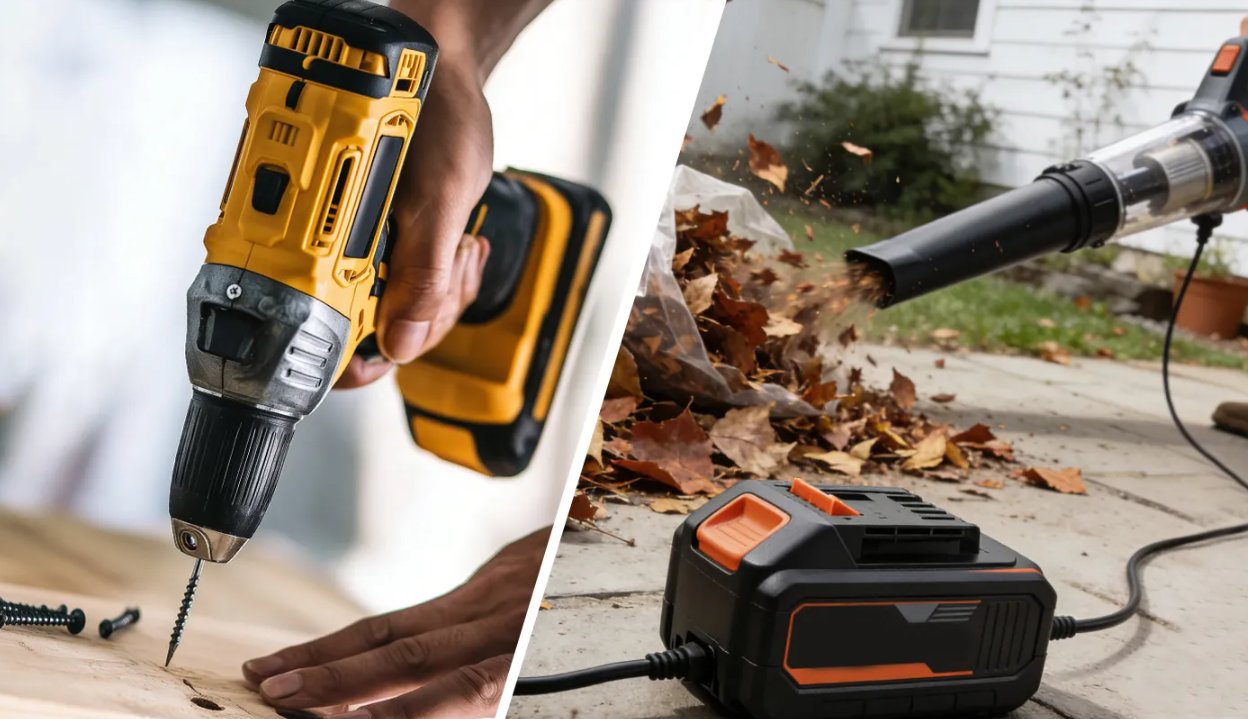
How Do You Perform a Manual Reset on a Ryobi 18V Battery?
If the charger method doesn’t work, a manual reset may help.
Method: Terminal Jump Start (Advanced Users)
- Use another fully charged battery
- Connect positive to positive, negative to negative briefly
- Hold for a few seconds
- Remove connections and place battery on charger
This method can “wake up” a sleeping ryobi 18v battery by restoring minimum voltage required for charging.
Note: This method should be done carefully to avoid sparks or damage.
Does Freezing a Ryobi 18V Battery Help Reset It?
You may have heard of the “freezer trick,” but it’s not recommended.
Placing a battery in the freezer can cause condensation and internal damage. While some users claim temporary success, the risks outweigh the benefits.
Instead, stick to safe electrical reset methods.
What If Your Ryobi 18V Battery Still Won’t Work?
If your battery still will not charge after safe troubleshooting, the problem may involve aged cells, internal electronics, damaged contacts, or another fault that a simple reset cannot correct.
At this point, you have two options:
- Rebuild the battery pack
- Replace the battery
For DIY enthusiasts, rebuilding a ryobi 18v battery can be a cost-effective solution.
A Ryobi 18V battery that repeatedly faults, overheats, discharges unusually fast, or fails to power multiple compatible tools should be inspected through the manufacturer’s service channel or replaced.
Why Does a Ryobi 18V Battery Show a Full Charge but Lose Power Quickly?
If your battery shows a full charge but runs down quickly, it usually has a capacity or load-related issue rather than a reset problem.
Common reasons include:
- Aging cells can no longer hold their original usable capacity.
- Cold temperatures can temporarily reduce available power and runtime.
- High-demand tools can make a weak Ryobi 18V battery lose voltage faster.
- Dirty or loose contacts can interrupt power delivery.
- The charger may show full even when the battery can no longer store much energy.
You can try the battery in another compatible tool and compare it with a known-good pack. If the short runtime follows the same battery, replacement or professional service is usually the better option.
Why Is the Battery Charger Flashing or Showing an Error?
A flashing charger does not always mean the Ryobi 18V battery has failed. The exact light pattern depends on the charger model, but a few common issues are worth checking first.
Common causes include:
- The battery is too hot or too cold to charge normally.
- The Ryobi 18V battery is not fully seated in the charger.
- Dust or dirt is affecting the accessible contacts.
- The battery is deeply discharged or has an internal fault.
- The charger itself may have a connection or hardware problem.
Let the battery reach room temperature, check the contacts, reseat it, and compare the light code with the charger manual. If possible, test another known-good Ryobi 18V battery. Persistent errors are better handled through service or replacement.
Can You Extend Ryobi 18V Battery Life After a Reset?
Absolutely yes. Good storage and charging habits can reduce stress on a Ryobi 18V battery and help preserve usable life.
To care for a Ryobi 18V battery:
- Avoid leaving the pack fully discharged for long periods
- Store it in a cool, dry location
- Avoid charging immediately after heavy use if the pack is hot
- Use a compatible charger designed for the battery platform
- Keep contacts clean and protected during storage
- Remove a damaged Ryobi 18V battery from service
For B2B equipment manufacturers and fleet operators, battery maintenance is only one part of reliability. Application-specific voltage, capacity, BMS strategy, thermal design, communication, cycle-life targets, and validation all influence long-term performance. FEBATT develops power battery solutions around these requirements for electric mobility and industrial applications.
Is It Worth Resetting Instead of Replacing the Battery?
In many cases, yes. A safe reset is worth trying when the Ryobi 18V battery has no visible damage and the problem appears to be a temporary charger, temperature, contact, or protection issue. However, resetting should not be used to keep a clearly degraded or damaged Ryobi 18V battery in service.
If the Ryobi 18V battery repeatedly fails after charging, shows significantly reduced runtime, or produces recurring charger errors, replacement or professional service is the safer option.
Where Can B2B Buyers Find Power Battery Solutions?
If you’re interested in repairing or rebuilding a battery, learning from experienced DIY communities can help. A Ryobi 18V battery is designed for a consumer power-tool ecosystem, while motive and industrial batteries are engineered around different power, capacity, mechanical, communication, environmental, and lifecycle requirements.
FEBATT now focuses on B2B power battery development for electric motorcycles and scooters, electric tricycles, forklifts, golf carts, low-speed vehicles, AGV/AMR platforms, and other application-specific equipment. Buyers evaluating a custom lithium battery pack can review our Power Battery Solutions for engineering capabilities or browse the Power Battery product category for available configurations.
Relevant Technical FAQ
1.How do I get a Ryobi 18V battery out of sleep mode?
Start with the normal charger. Let the Ryobi 18V battery reach room temperature, inspect the contacts, place it in a compatible charger, and follow the charger’s indicator guidance. Do not force voltage into the pack or bypass its protection electronics.
2.How do I safely hard reset Ryobi 18V batteries?
There is no universal user-level hard-reset procedure that is appropriate for every Ryobi 18V battery. Use normal charger troubleshooting and manufacturer service guidance. Avoid opening the casing, bridging terminals, or bypassing the BMS.
3.Can a dead Ryobi 18V battery be brought back to life?
Sometimes it appears dead is only deeply discharged, too hot or cold, poorly connected, or in a protection state. If normal charging does not restore it, repeated DIY revival attempts are not recommended.
4.When should a completely dead lithium battery be replaced instead of reset?
Replace or professionally service a battery when it is swollen, cracked, leaking, unusually hot, physically damaged, repeatedly rejected by a known-good charger, or unable to deliver normal runtime. These signs can indicate a fault that a reset cannot safely fix.
5.How can I tell if a Ryobi 18V battery is bad?
A Ryobi 18V battery may be at end of life if it repeatedly fails to charge, has sharply reduced runtime, overheats during normal use, shuts down across multiple compatible tools, or shows physical damage. Confirm the charger is working before concluding that the battery has failed.
6.Does FEBATT supply Ryobi 18V battery replacements?
FEBATT’s current focus is not consumer Ryobi 18V battery replacement packs. We specialize in B2B lithium power batteries and customized battery solutions for electric mobility and industrial equipment. For project sourcing, visit our Power Battery Solutions and Power Battery product category.