


Low-Temperature Effects on Motorcycle Lithium Batteries!As winter sets in across many regions, electric motorcycles and other lithium-ion powered vehicles face unique challenges that can significantly impact their performance. While these batteries provide efficient, eco-friendly power for daily commutes and adventures, cold temperatures can drastically reduce battery range, leading to shorter rides and unexpected downtime. This isn’t just about inconvenience—it’s rooted in the battery’s chemistry, which can trigger safety risks like reduced stability or potential damage. In this guide, we’ll explore how winter affects lithium battery endurance, the underlying causes, associated safety concerns, and practical ways to mitigate them. By addressing these proactively, you can maintain reliable performance and extend your battery’s lifespan, ensuring safer and more enjoyable rides even in freezing conditions.
1.Understanding Battery Temperature Limits
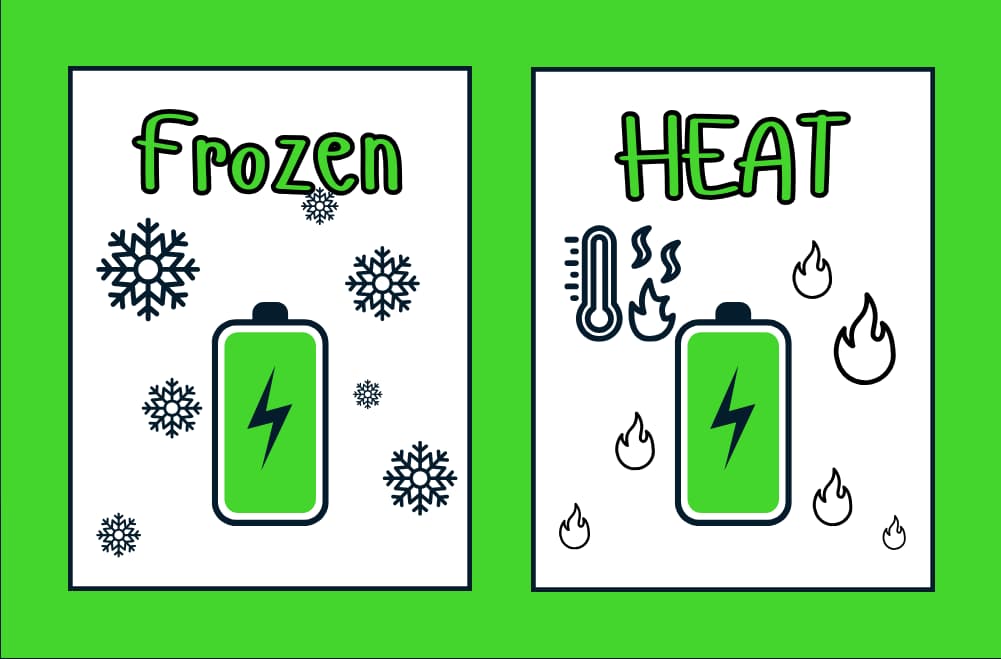
Lithium-ion batteries in electric motorcycles are engineered for high energy density, enabling strong acceleration and extended travel. However, when it comes to Low-Temperature Effects on Motorcycle Lithium Batteries, these power sources are highly sensitive to cold, with optimal operation between -4°F (-20°C) and 140°F (60°C), and charging ideally from 32°F (0°C) to 113°F (45°C). In winter, as temperatures drop below freezing, Low-Temperature Effects on Motorcycle Lithium Batteries become increasingly pronounced: the ions within the battery slow, impairing energy flow and cutting range by up to 20-30%. Understanding Low-Temperature Effects on Motorcycle Lithium Batteries is critical for riders looking to maintain consistent performance and protect their battery investment during the colder months.
This sluggish ion movement stems from the electrolyte thickening in the cold, reducing the battery’s capacity to store or release power efficiently. Safety-wise, forcing a charge in sub-zero conditions risks lithium plating, where metal deposits form on the anode, potentially causing short circuits or fires. Permanent capacity loss can follow, shortening future range even in warmer weather.
Manufacturers like Zero Motorcycles include warnings about this in manuals. To handle it, use built-in battery heaters or preconditioning features if available. Otherwise, invest in insulating covers or warm the battery indoors before use—these steps prevent damage and restore better endurance.
2.The Role of Increased Resistance in Cold Batteries
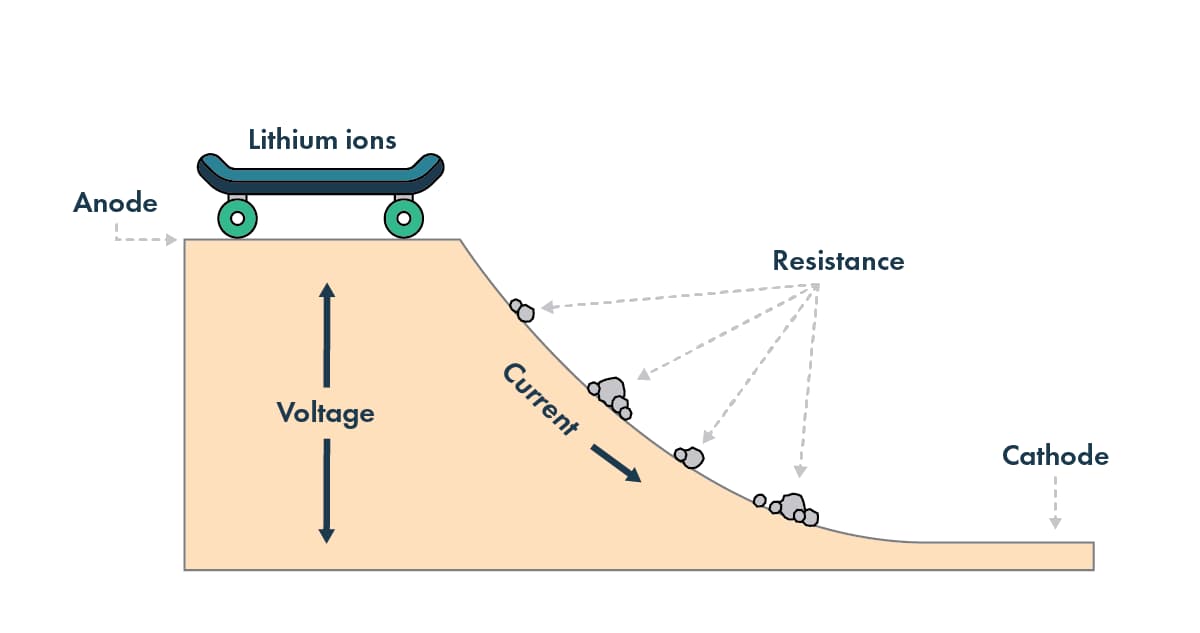
Internal resistance spikes in lithium batteries during winter, acting as a major drag on performance. As temperatures fall to 14°F (-10°C) or below, the electrolyte viscosifies, hindering electron flow and leading to voltage drops that slash range by 30-40%, per U.S. Department of Energy studies on electric vehicles.
This resistance, a direct consequence of Low-Temperature Effects on Motorcycle Lithium Batteries, not only slows charging but accelerates drain during rides, reducing acceleration and overall efficiency. On the safety front, Low-Temperature Effects on Motorcycle Lithium Batteries heighten risks like uneven cell charging, which could lead to thermal runaway—a chain reaction of overheating that might result in battery failure or explosion in rare cases.
To counteract this, preheat the battery via app-controlled features or store it in a garage. Avoid outdoor overnight parking, and perform regular checks for corrosion on connections, which worsens in damp cold. These measures minimize resistance, boost range, and enhance safety.
3.Charger Limitations in the Cold
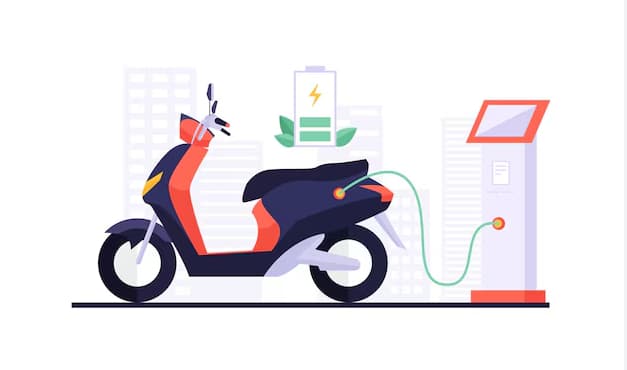
Chargers for electric motorcycles are optimized for 41°F (5°C) to 113°F (45°C), but winter chills below 32°F (0°C) force them to throttle current or halt entirely. This is due to slowed diffusion rates in the battery, which unevenly distribute charge and diminish endurance.
Safety concerns arise from potential overvoltage or plating during fast charging in the cold—key risks linked to Low-Temperature Effects on Motorcycle Lithium Batteries—increasing fire hazards despite built-in safeguards in brands like Energica. In snowy mornings around 20°F (-7°C), chargers may become unresponsive, leaving riders stranded: a frustrating disruption driven by Low-Temperature Effects on Motorcycle Lithium Batteries.
Opt for smart chargers that adjust to temperature, and check weather before using public stations. Slow charging is safer and preserves range—patience here prevents risks and maintains battery health.
4.Dealing with Frozen Charging Ports
Temperature | Charging Risk | Preventive Measure |
<0°C | Lithium plating | Pre-heat to 15°C |
>45°C | Electrolyte boiling | Reduce charging speed |
Winter moisture poses a significant challenge for electric motorcycle owners, particularly in slushy or snowy conditions where it can freeze charging ports solid—one of the easily overlooked consequences of Low-Temperature Effects on Motorcycle Lithium Batteries. This freezing blocks the physical connection between the charger and the port, making it impossible to recharge the battery and thereby worsening range anxiety during cold rides. As a result, riders may find themselves stranded with depleted power, unable to continue their journey until the issue is resolved, a frustrating scenario directly linked to Low-Temperature Effects on Motorcycle Lithium Batteries.
Beyond the inconvenience, ice or road salt buildup on the ports disrupts electrical conductivity, leading to charging errors, intermittent connections, or incomplete sessions that ironically drain the battery further due to repeated failed attempts. These interruptions not only reduce efficiency but can accelerate battery degradation over time, shortening its overall lifespan.
From a safety standpoint, attempting to force a connection through frozen ports—one of the hazardous outcomes of Low-Temperature Effects on Motorcycle Lithium Batteries—is highly inadvisable, as it risks creating electrical shorts. Such shorts could damage internal wiring, components, or the battery management system, potentially sparking fires or causing hazardous electrical arcs that endanger the rider and surrounding property: a dangerous escalation tied directly to Low-Temperature Effects on Motorcycle Lithium Batteries.
The primary root cause lies in condensation from humid air or direct precipitation—such as rain, snow, or sleet—that accumulates in exposed charging ports and freezes when temperatures drop below zero. Ports on electric motorcycles are often vulnerable due to their location on the frame or underbody, where they’re prone to splashes from wet roads.
To prevent these issues stemming from Low-Temperature Effects on Motorcycle Lithium Batteries, proactive measures are essential. Invest in high-quality weatherproof covers specifically designed for your model’s charging port, which shield it from moisture ingress during parking or storage. After riding in wet conditions, always dry the port thoroughly with a soft cloth to remove any lingering water or salt residue before plugging in—simple steps that effectively counteract Low-Temperature Effects on Motorcycle Lithium Batteries and keep your electric motorcycle running smoothly in winter.
If you encounter a frozen port, avoid aggressive methods like chipping ice with tools, which could scratch or crack components. Instead, use a low-heat hairdryer on a gentle setting to thaw it slowly and safely—never resort to open flames, as they introduce fire risks near flammable materials. Additionally, applying a light coating of silicone-based sprays or dielectric grease can repel future moisture buildup, maintaining clean, corrosion-free contacts.
5.The Battery Management System's Protective Role
The Battery Management System plays a pivotal protective role in electric motorcycles, constantly monitoring key parameters like battery voltage, temperature, and state of charge—an essential function when countering Low-Temperature Effects on Motorcycle Lithium Batteries. This vigilance is especially critical during winter operations, where low temperatures can severely impact performance. In cold weather, the BMS intelligently limits power output to safeguard individual battery cells from damage caused by Low-Temperature Effects on Motorcycle Lithium Batteries, which may temporarily reduce the motorcycle’s range. However, this measure is essential as it prevents cell imbalances that could otherwise lead to a permanent decrease in overall battery capacity over time.
Common causes of these issues stem from chilled components, which can generate inaccurate sensor readings and prompt unexpected system shutdowns to avoid risks. From a safety perspective, without the BMS’s proactive intervention, scenarios like over-discharge might escalate into dangerous thermal runaway events or even explosions, posing serious hazards to riders and bystanders.
To optimize your BMS, consult the motorcycle’s manual for guidance on performing resets and installing firmware updates, as these can significantly enhance cold-weather tolerance and efficiency. If your model allows, consider upgrading to a more advanced BMS unit, which provides superior protection and helps maintain a safer, more reliable range even in the harshest winter conditions.
6.Overall Reduced Capacity and Range
Winter ultimately slashes lithium battery capacity by 20-50% in temps like 20°F (-7°C), due to combined inefficiencies in ion movement and resistance. This faster drain leaves less for recharges, compounding endurance loss.
Safety issues include casing cracks from expansion in freezing storage, risking leaks or failures. Avoid riding below -4°F (-20°C) or storing under 32°F (0°C) to prevent irreversible harm.
Maximize by steady riding to generate heat, using regenerative braking, and storing at 50% charge indoors. These habits restore range and avert dangers.
In summary, winter’s impact on lithium battery endurance—core manifestations of Low-Temperature Effects on Motorcycle Lithium Batteries—arises from chemical slowdowns and resistance, posing safety risks like plating or thermal issues. By preheating, insulating, and maintaining properly, you can handle these challenges triggered by Low-Temperature Effects on Motorcycle Lithium Batteries effectively, enjoying reliable, safe rides year-round. Consult technicians for persistent problems to stay secure.
If you’re facing range drops or safety concerns with your motorcycle’s lithium battery in cold weather, upgrade to our high-performance options or get expert guidance tailored to your needs—contact us today for reliable solutions that keep you riding safely all winter long!