

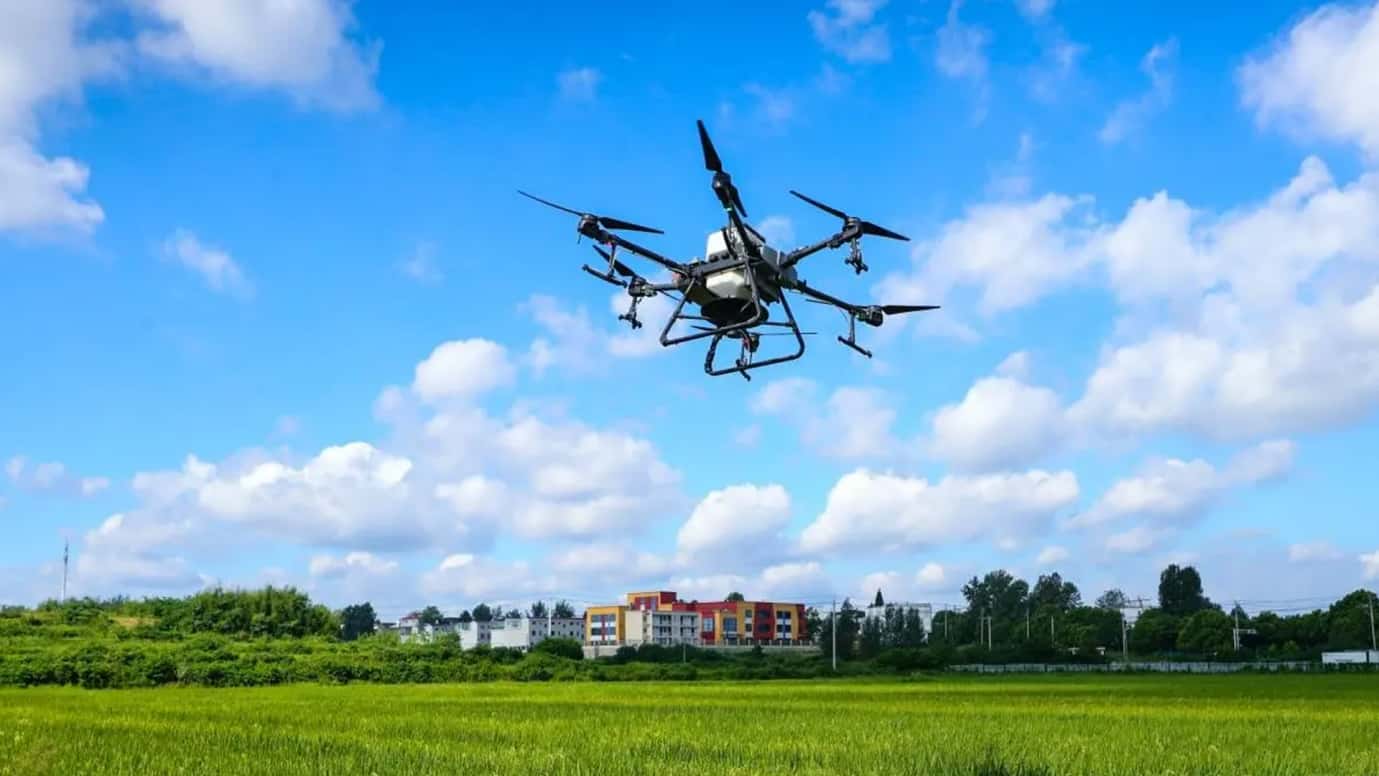
1. Scenarios Determine Requirements: Rechargeable Li-Ion Battery Selection for Different Agricultural Operations
Agricultural drone missions vary drastically by environment, and this diversity directly dictates the performance needs of battery li ion rechargeable packs. A rechargeable lithium-ion battery that works well in flat wheat fields may fail completely in mountainous orchards or high-altitude alpine farmlands—especially when it comes to reaching the 2000-cycle lifespan. Below is a simplified comparison of battery li ion rechargeable selection for three core agricultural scenarios, focusing on parameters that support long cycle life:
Operational Scenario | Core Requirements | Recommended Battery Specifications | Reference Models | Adaptation Advantages |
Large-Scale Farm Crop Protection | High cycle count, fast charge, long life | 30-41Ah, 54.6-68.4V, 8-min fast charge, 2000-cycle life | DJI DB1580 30Ah | Dual-battery cycle for 8-plus hours of continuous work, IP65 dust/water resistance, maintains 80% capacity after 2000 cycles |
Mountain Orchard Operations | High discharge rate, corrosion resistance, 2000-cycle life | 45Ah, 25C discharge, IP67 protection, 2000-cycle life | Jimu EA-J150 45000mAh | Instant power for 30° climbs, pesticide corrosion resistance, stable performance over 2000 cycles |
High-Altitude/Cold Region Operations | Wide temp range, high stability, 2000-cycle life | -40℃~60℃ operating temp, ≥205Wh/kg energy density, 2000-cycle life | Grepow Tattu 4.0 30Ah | Low-temp self-heating, offsets high-altitude power loss, no sharp capacity drop after 2000 cycles |
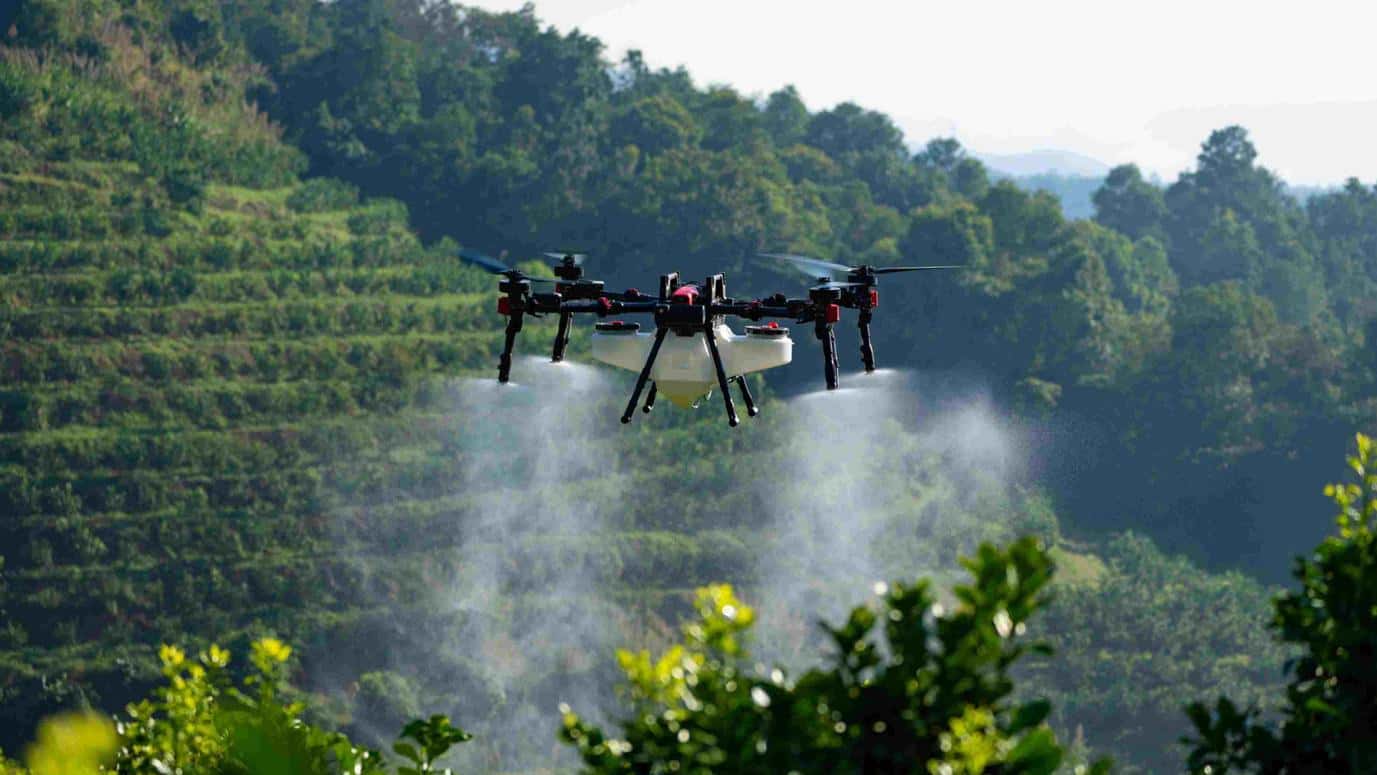
2. Three Key Factors for Selecting Rechargeable Li-Ion Batteries: Ensuring 2000-Cycle Life
① The Art of Balancing Energy Density and Load Capacity for 2000-Cycle Longevity
- A low-energy-density battery li ion rechargeable with 150Wh/kg energy density weighs 3kg, leaving only 7kg for pesticides and often using ternary lithium material—which struggles to exceed 500 cycles.
- A high-energy-density rechargeable lithium-ion battery with 340Wh/kg energy density made of lithium iron phosphate (LFP) weighs just 1.8kg, freeing up 8.2kg for pesticides, extending flight time from 18 to 25 minutes, and supporting 2000 cycles.
② Safety Protection Must Adapt to Agricultural Environments to Preserve 2000 Cycles
Agricultural fields are harsh on batteries: pesticide sprays are corrosive, summer temperatures reach 40℃+, and dust can clog charging ports. A reliable rechargeable lithium-ion battery needs three layers of protection to maintain 2000-cycle life:
- IP65 or higher dust and water resistance: This rating ensures the battery remains functional after exposure to light rain or heavy dust. Ordinary IP54 batteries often fail within 3 months in rainy Western European regions, as moisture seeps in and shorts internal circuits—halting cycle life at 500 cycles or less.
- Intelligent BMS Battery Management System: This system monitors each cell’s voltage and temperature in real time. When a cell overheats above 60℃ or overcharges, it automatically cuts power to prevent bulging or leakage. Advanced BMS also balances cell consistency, keeping voltage differences below 0.02V even after 1500 cycles—avoiding the “barrel effect” that shortens lifespan to 800 cycles with ordinary BMS.
- Temperature-resistant structural design: Heat dissipation ducts or ceramic insulation layers prevent overheating during 45-minute summer spraying missions. In cold regions, nickel-plated heating films inside the battery maintain cell activity, avoiding the “sudden power drop” that damages unprotected batteries and reduces cycle life to 1200 cycles.
③ Fast Charging and Cycle Life: Calculating Long-Term Costs with 2000 Cycles
- Ordinary ternary lithium batteries (non-rechargeable li-ion high-cycle models) last 300 cycles (around one season), costing EUR 2,000 per season for two batteries.
- High-quality LFP battery li ion rechargeable last 2000 cycles (over five to six seasons), costing EUR 5,000 for two batteries. This translates to a 67% cost reduction over five seasons—saving farmers EUR 5,000 compared to using ordinary batteries.
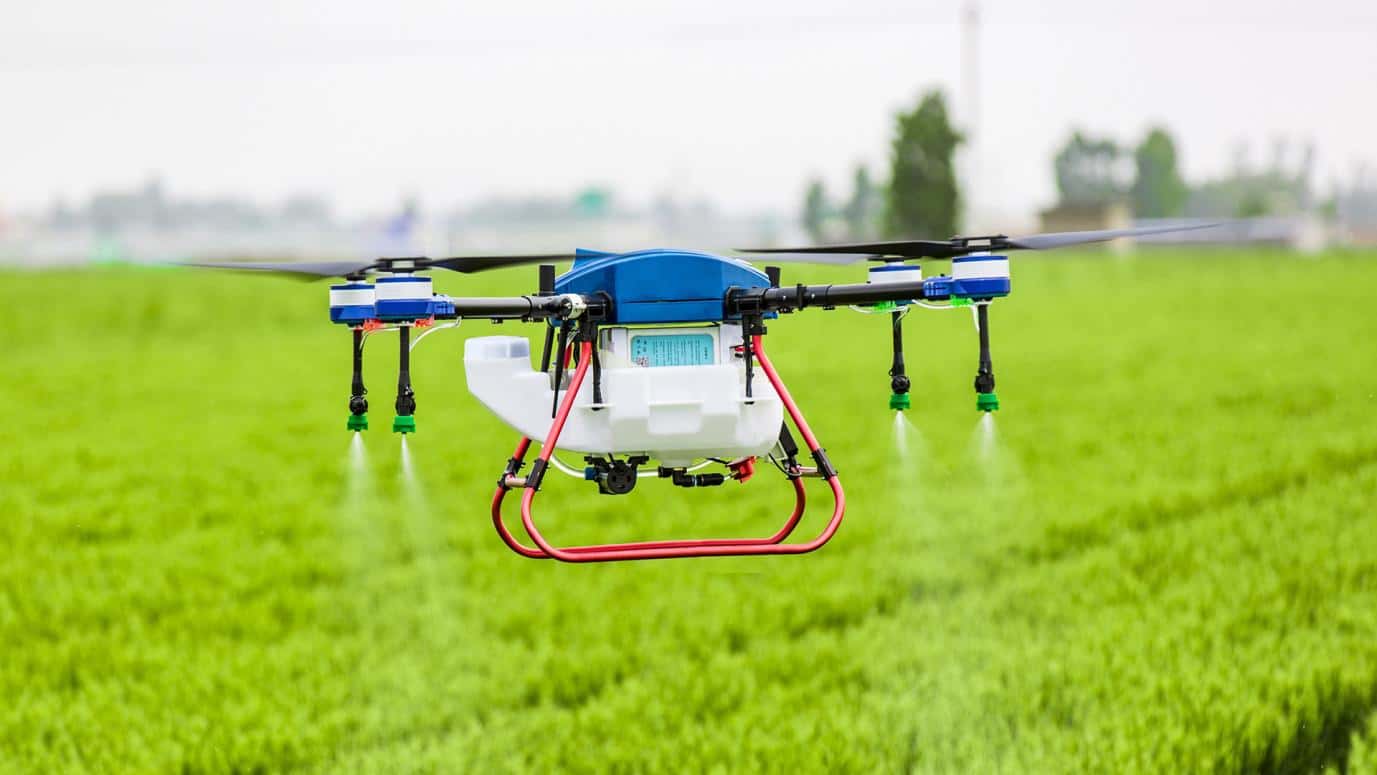
3. Four Practical Tips to Ensure 2000-Cycle Life of Rechargeable Li-Ion Batteries
- Follow the “Temperature Range + Compatibility” Principle for Charging: Never charge a battery li ion rechargeable when its temperature is below 5℃ or above 40℃. Cold rechargeable lithium-ion batteries develop lithium plating—a buildup of lithium on cell surfaces—during charging, which reduces capacity and cuts cycle life to 1200 cycles. Hot batteries (for example, after a 30-minute flight) are prone to overcharging, damaging electrodes. Always use the original charger: a mismatched charger (like using a 20V charger for a 14.8V battery) disrupts the charging curve, shortening life to 800 cycles. For flexibility, choose universal chargers compatible with 12S-18S battery li ion rechargeable—they work with most agricultural drones and have built-in temperature protection.
- Store in a “Half-Charged + Cool, Dry” State: Long-term storage (like three months during winter) requires careful preparation for battery li ion rechargeable. First, discharge the rechargeable li-ion battery to 50% capacity (3.8-3.9V per cell)—full charging causes cell degradation (cutting life to 1500 cycles), while empty storage leads to irreversible capacity loss. Store the battery in a dry room with a temperature of 20-25℃ and relative humidity below 60%. Avoid garages or sheds, where temperature fluctuations and dust can reduce cycle life to 1000 cycles. High-quality battery li ion rechargeable have a charge memory function, so you only need to recharge them to 50% every 3 months to keep cells active.
- Avoid “Over-Discharging + Corrosion” Damage During Operation: Set a 20% capacity reserve for return flights. If your drone’s app shows 20% battery left on the battery li ion rechargeable, land immediately—remaining power is often less than displayed, and flying back to the base may drain the battery completely (over-discharging cuts life to 1300 cycles). In cold weather below 0℃, reduce flight time by 30%: a rechargeable lithium-ion battery that normally flies 25 minutes will only last 17 minutes in -10℃, and forcing longer flights damages cells. After each flight, wipe the battery li ion rechargeable surface with a dry microfiber cloth to remove pesticide residues. For stubborn residue, use a cloth dampened with neutral detergent (like dish soap diluted with water)—never use alcohol or acetone, which damage the protective coating and lead to corrosion (shortening life to 800 cycles).
- Regularly Check “Cell Consistency”: A battery li ion rechargeable’s capacity is only as good as its weakest cell. Monthly, use a portable cell detector to check each cell’s voltage. The difference between cells should not exceed 0.02V. If one cell is 3.7V and another is 3.8V, use an original balanced charger to equalize them. Uneven cells cause the rechargeable li-ion battery to shut down early—for example, a 30Ah battery with uneven cells may only deliver 22Ah of capacity and fail to reach 1000 cycles, even if it’s designed for 2000.
4. Choose the Right Rechargeable Li-Ion Battery, Make Farming Easier
For agricultural practitioners, battery li ion rechargeable are more than just “power sources”—they are “productivity enablers.” A well-selected rechargeable lithium-ion battery turns a drone into a reliable workhorse, covering more land in less time and reducing maintenance headaches. A poor choice, however, turns it into a costly liability, with frequent breakdowns and missed farming deadlines.
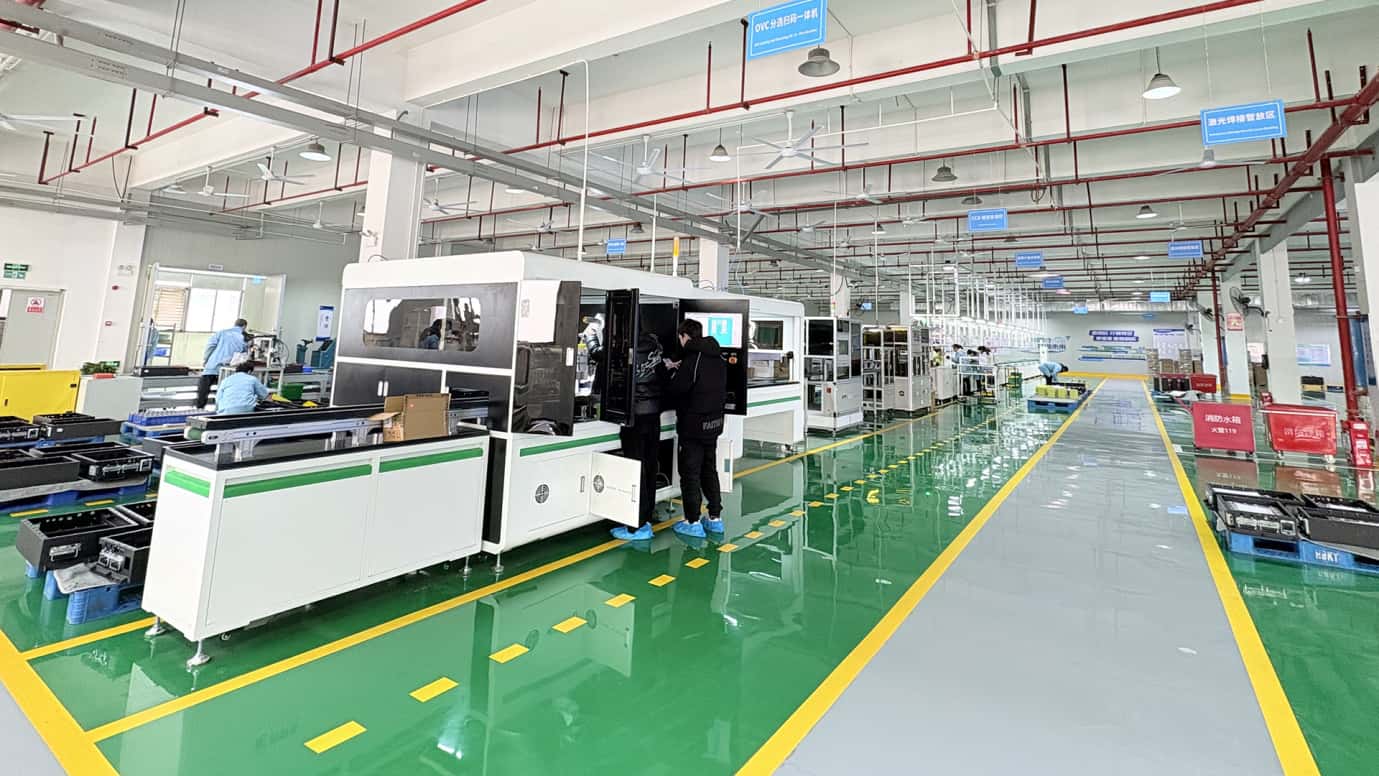
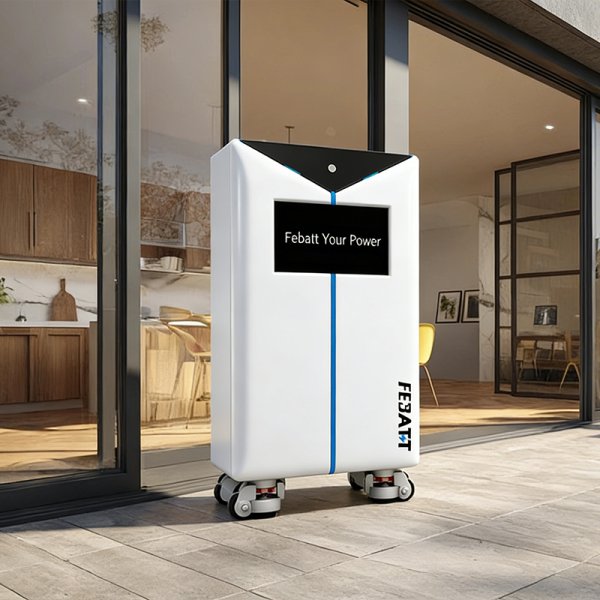
Currently, customized rechargeable lithium-ion battery solutions for farmlands, orchards, and high-altitude areas cover all mainstream 15-50kg agricultural drone models. Febatt, a brand specializing in power solutions for agricultural drones, goes further by focusing on LFP technology to deliver 2000-cycle life: its batteries pass IP65 protection tests (some reach IP67) and exceed 2000-cycle life tests in simulated farm environments. Additionally, Febatt offers free technical support—farmers can consult battery experts via phone or video to solve issues like charging errors or capacity loss, ensuring their batteries hit the 2000-cycle mark. For growers looking to maximize their drone’s potential and cut long-term costs, Febatt’s high-quality rechargeable lithium-ion batteries are a reliable choice that ensures every farming season is efficient and stress-free.