If you’ve ever been stuck in Paris traffic at 8 a.m., you’ll understand why so many Europeans are giving up their cars. Congested roads, expensive parking, and overcrowded public transport are pushing commuters to look for alternatives. The solution? Micromobility.
From Copenhagen to Milan, e-bikes, e-scooters, and shared mobility platforms are no longer niche—they are shaping the future of urban commuting in Europe. And at the core of this transformation lies one critical technology: the lithium battery.
What Is Micromobility?
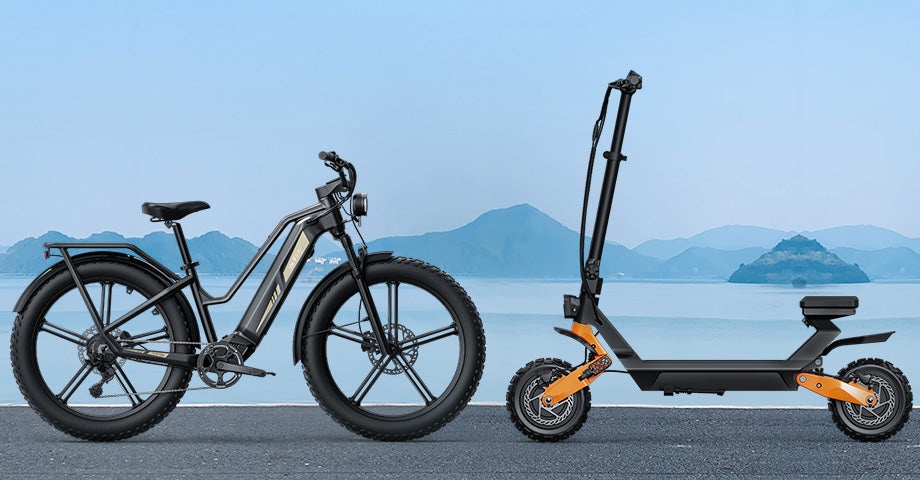
The term micromobility may sound technical, but it simply refers to small, lightweight vehicles designed for short-distance travel, most of which rely on lithium-ion batteries:
·Electric bikes (e-bikes) – Mainstream in Amsterdam
·Electric scooters (e-scooters) – Ubiquitous in Berlin
·Pedal-assist bicycles – Popular with commuters in Zurich
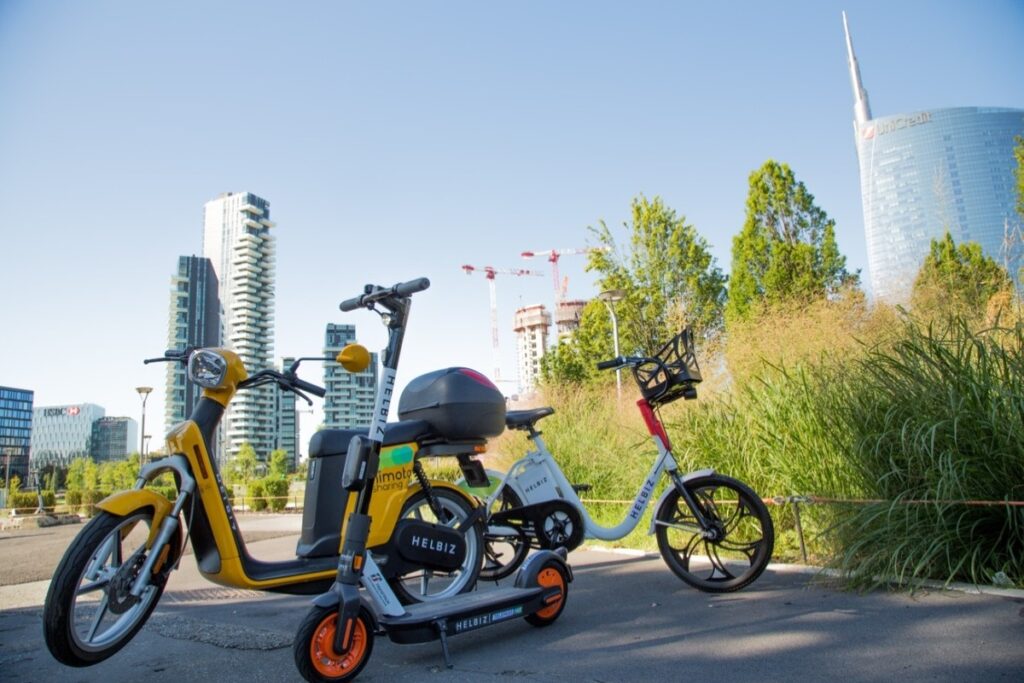
·Shared bikes and scooters – Easily found in Paris, Milan, and other cities
Without reliable battery packs, these vehicles would not be practical for daily commuting.
Why Europeans Are Switching to Micromobility
1. Cars No Longer Fit City Life
European city centers, with their narrow streets and historic layouts, are not built for SUVs. Driving through Rome’s old town is a headache, and parking in Munich can cost €15 for just a few hours.
2. Strong Government Support
Governments are encouraging the shift. With carbon-neutral goals, countries like France and Germany are offering generous subsidies for e-bikes, while Norway has almost phased out fuel cars. These incentives also extend to battery-powered micromobility solutions.
3. Perfect for Short Commutes
Most daily commutes in Europe range between 10–18 km. This distance is too far to walk but ideal for an e-bike or e-scooter—provided the battery can deliver enough range.
4. A Culture of Sharing
In Paris, a Vélib shared bike is never more than two minutes away. In Berlin, Tier scooters are available at almost every U-Bahn station. The success of these fleets depends heavily on high-performance, swappable lithium batteries to keep them running all day.
Comparing Transport Options
| Mode of Transport | Flexibility | Sustainability | Common Complaints |
| Car | ★★ | ★ | Traffic, parking headaches |
| Metro/Bus | ★★★ | ★★★ | Overcrowded, delays |
| Micromobility | ★★★★ | ★★★★ | Battery range & weather |
| Walking | ★★ | ★★★★ | Too slow for most commutes |
Real-Life Stories from European Cities
·Emma, London: “Switching to an e-bike cut 15 minutes off my commute and saved me from parking stress.”
·Karim, Paris: “As a food courier, battery swap stations let me keep working without downtime.”
·Mia, Copenhagen: “My e-scooter is cheaper than the metro. The only downside? Rain + mascara = disaster.”
·Lukas, Munich: “With a larger lithium battery pack, I can now handle my uphill commute without running out of power.”
These stories highlight how battery performance directly impacts the practicality of micromobility.
Frequently Asked Questions
Is micromobility safe?
Yes. Most e-bikes and e-scooters are capped at 25 km/h. With responsible use, they are safer than cars in urban settings.
Can you ride in winter?
Yes, but battery performance drops in cold weather. Storing lithium batteries indoors helps maintain capacity.
Do you need a license?
In most cases, no. Regulations are light as long as vehicles stay within speed limits.
How long does an e-bike battery last?
A high-quality lithium-ion battery typically lasts 500–1,000 charge cycles, or 3–5 years depending on use and care. Investing in reliable battery packs ensures longer service life and fewer replacements.
Is it cheaper than public transport?
Absolutely. An e-bike’s annual cost—including battery charging—is usually less than a metro pass.
Which Micromobility Option Fits You?
·Office commuters → E-bikes: efficient, reliable, office-friendly
·Students → E-scooters: affordable, lightweight, portable
·Food couriers → E-motorbikes: designed for long hours with swappable lithium batteries
·Eco-conscious families → Shared bikes: low-cost, sustainable, powered by community battery infrastructure
The Future of Micromobility in Europe
·Longer-lasting batteries: New LFP lithium batteries require fewer charges and offer safer performance.
·Battery swap stations: Expanding in Milan and Paris, enabling couriers and commuters to keep moving without downtime.
·More cycling infrastructure: Amsterdam is leading the way, making cars feel like outsiders.
·Smart battery management systems: Tracking, anti-theft, and predictive battery health monitoring are becoming standard.
By 2030, half of European city commuters may rely on micromobility—and the quality of lithium battery solutions will determine how fast this shift happens.
Conclusion: Lithium Batteries Power the Future of Micromobility
Cars will always have their place, but in Europe’s urban centers, micromobility is becoming the smarter choice. Behind every successful e-bike, e-scooter, or shared fleet is a reliable lithium-ion battery.