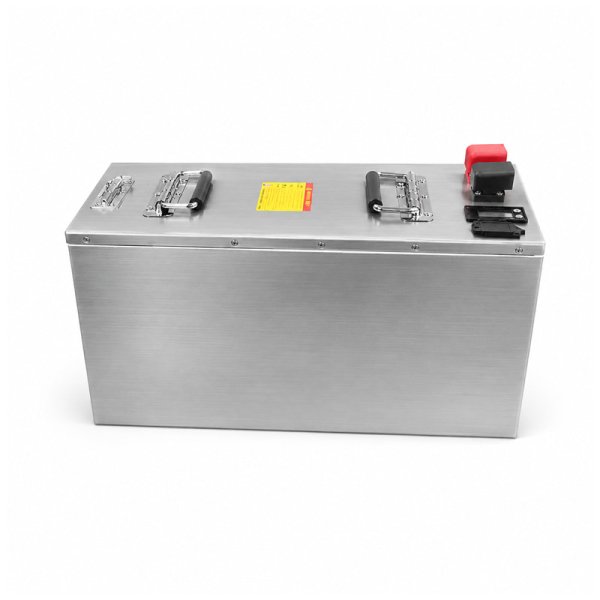
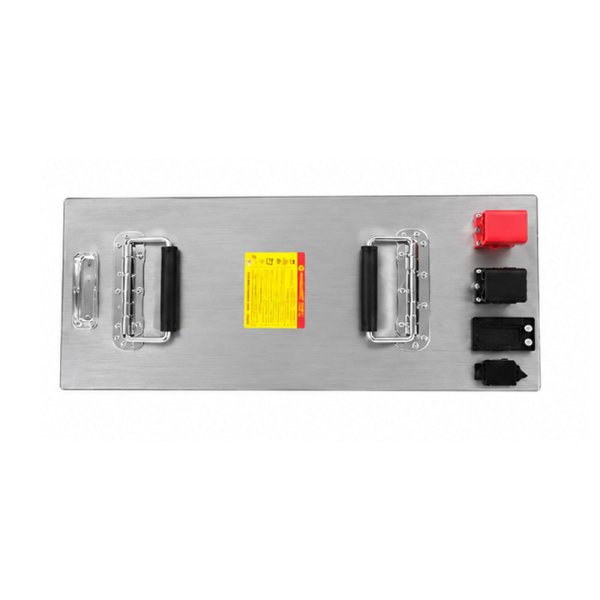
UN38.3 standard testing has become a mandatory international standard
With their compact size and high energy density, lithium batteries are widely used in medical devices, consumer electronics, industrial equipment, and transportation. However, the risk of overheating, fire, or explosion arises if the batteries are poorly manufactured, improperly designed, or misused during shipping.
To prevent such hazards, the United Nations established Section 38.3 of the UN Manual of Tests and Criteria, commonly known as UN 38.3, which has become a mandatory international standard for the transport of lithium batteries across air, sea, rail, and road.

✅ What Is UN38.3 Standard Testing?
UN 38.3 defines international testing and packaging requirements to ensure the safe transport of lithium batteries, including the following scenarios:
·Batteries transported separately (e.g., spare parts, replacements);
·Batteries installed in equipment;
·Batteries packed with equipment but not installed;
·Return shipments or non-original packaging during logistics.
Whether you’re a manufacturer, distributor, exporter, or end user, if lithium batteries are involved in cross-border logistics, compliance with UN 38.3 is essential.
Classification of Lithium Battery Shipments (UN Numbers)
| UN Code | Battery Type | Applicable Scenario |
| UN 3090 | Lithium metal battery | Transported alone |
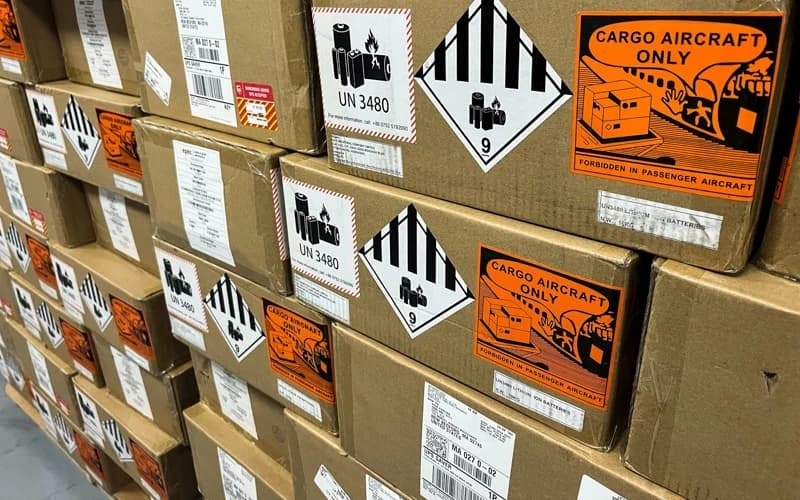
| UN 3480 | Lithium-ion battery | Transported alone (e.g., battery packs, power banks) |
| UN 3091 | Equipment containing lithium metal batteries | Installed or packed but not installed |
| UN 3481 | Equipment containing lithium-ion batteries | Installed or packed but not installed |
Note: Lithium-ion batteries cannot be shipped on passenger aircraft as cargo and must bear a “Cargo Aircraft Only” label.
UN 38.3 Testing Requirements
To ensure transportation safety, lithium batteries must undergo 8 rigorous test items simulating conditions encountered during logistics:
Basic Tests (For All Batteries):
| Test Code | Test Name | Description |
| T1 | Altitude Simulation | Simulates low-pressure during air transport |
| T2 | Thermal Test | Assesses battery performance under extreme temperature changes |
| T3 | Vibration | Simulates mechanical vibrations during transport |
| T4 | Shock | Simulates accidental drops and collisions |
| T5 | External Short Circuit | Evaluates battery behavior under short-circuit conditions |
Special Tests (Based on Application):
| Test Code | Test Name | Description |
| T6 | Crush / Impact | Applicable to cylindrical cells; simulates case rupture |
| T7 | Overcharge | Tests rechargeable batteries under overcharge conditions |
| T8 | Forced Discharge | Simulates cell discharge in reverse polarity |
Key Updates in the Latest Standard
✅ Built-in batteries can be tested directly without disassembly;
✅ Improper disassembly during testing is considered a failure;
✅ Charge/discharge cycles reduced from 50 to 25 for rechargeable batteries;
✅ Battery Test Summary must be included in the report, signed by an authorized person, and available at any time for inspection.
Design and Packaging Requirements
Battery Design:
·Must feature venting devices or anti-rupture mechanisms;
·Must have short-circuit protection and reverse current protection for parallel connections;
·Quality management systems must be implemented during manufacturing.
Packaging & Transportation:
·New warning labels are required to highlight fire risks;
·SOC (State of Charge) for lithium-ion batteries transported by air must be ≤ 30%;
·Documentation on charging control and verification is mandatory;
·SOC exemptions above 30% can be applied for medical battery shipments with regulatory approval;
·Packaging must withstand a 1.2-meter drop test and comply with UN performance requirements.
✅ Why UN 38.3 Matters for Your Business
Passing the UN 38.3 test is not only a legal requirement but also:
·Your passport to international markets;
·A strong signal of quality and safety to your clients;
·A way to minimize risks during transportation;
·A compliance step that aligns with global standards like US DOT, EU ADR, China GB, etc.
Conclusion: More Than Compliance, It’s Protection
UN 38.3 isn’t just a regulation – it’s your guarantee of safety, trust, and global readiness. By following standardized design, packaging, and testing protocols, businesses can confidently expand to international markets without the fear of delays, product seizures, or reputational damage.
Looking for lithium batteries that meet UN 38.3 requirements? We offer compliant products, test support, and custom packaging solutions to help you ship globally – safely and efficiently.
Frequently Asked Questions (FAQ)
Q: What is UN38.3 standard testing?
A: UN38.3 standard testing is a UN-mandated series of safety tests for lithium batteries to ensure safe transport by air, sea, rail, and road.
Is UN38.3 standard testing required for all lithium batteries?
A: Yes. Any lithium battery (metal or ion) shipped internationally must pass UN38.3 standard testing and provide a valid test summary.
Q: What happens if a battery fails UN38.3 standard testing?
A: It cannot be legally transported. Non-compliant shipments may be rejected, fined, or seized by carriers or customs authorities.
Q: How long is a UN38.3 test report valid?
A: There is no official expiry, but most regulators and carriers require reports for current battery designs, especially if changes are made.
Q: Can I ship lithium batteries by air without UN38.3 standard testing?
A: No. Airlines and IATA require proof of UN38.3 standard testing compliance before accepting lithium battery cargo.
Q: Do built-in batteries need UN38.3 standard testing?
A: Yes. Devices with installed lithium batteries (e.g., smartphones, medical devices) must use cells that have passed UN38.3 standard testing.