Home > Robot Battery > Special Robot Battery > 18650 46.8V 80Ah NMC Battery for Patrol Robot with RS485

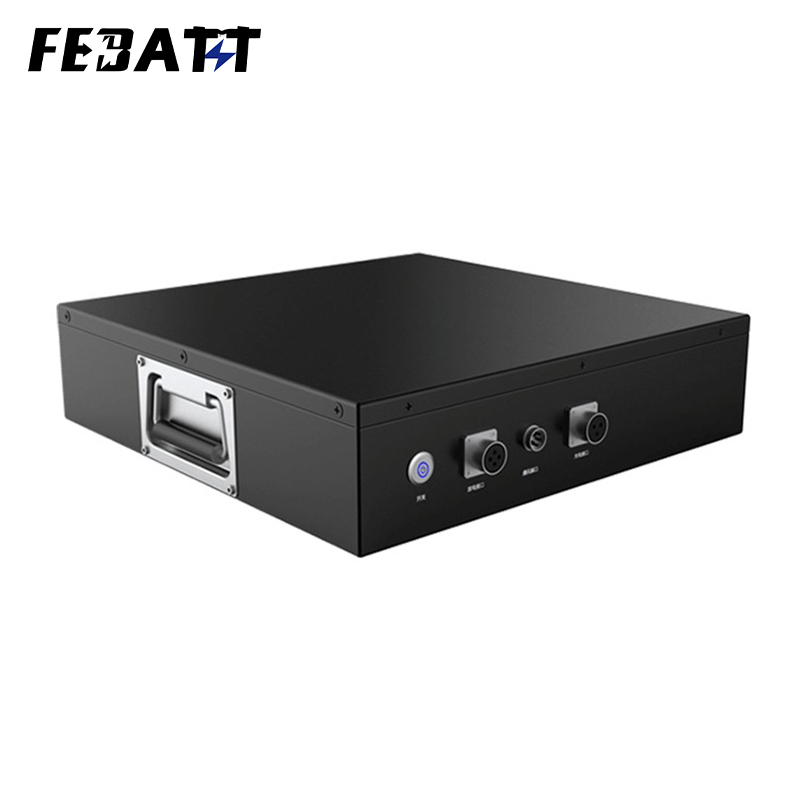
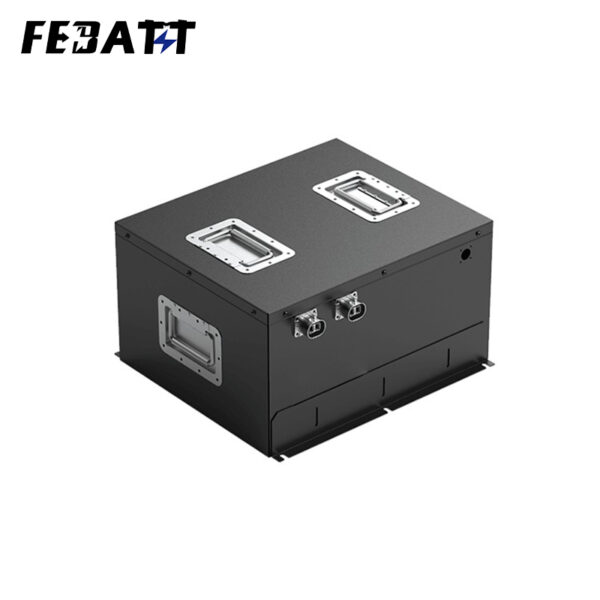
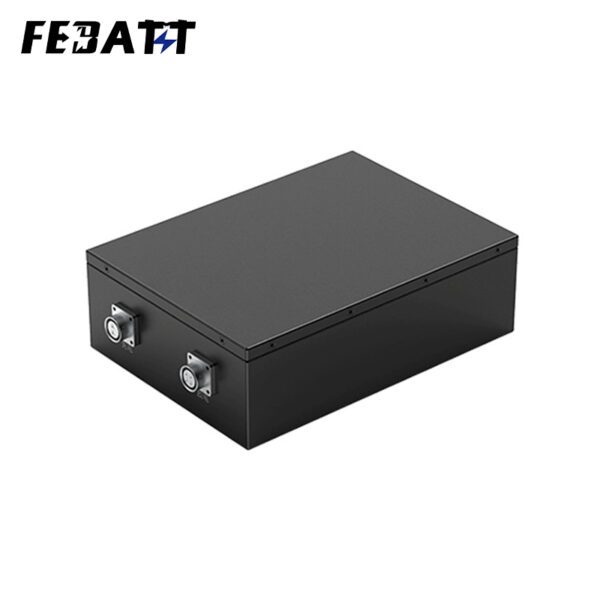
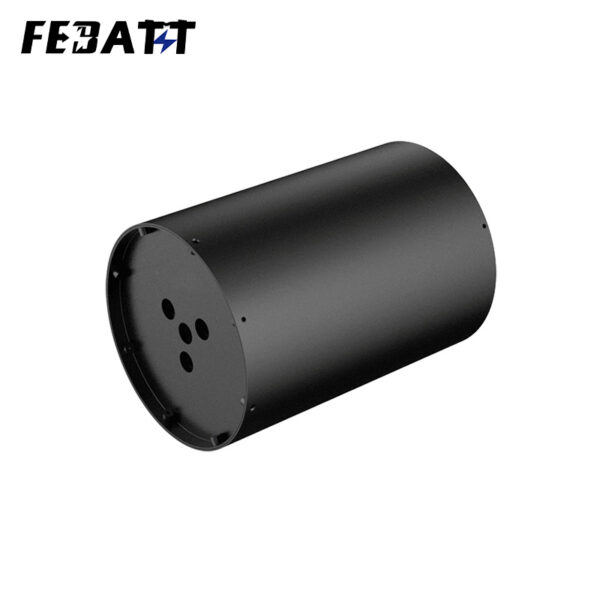
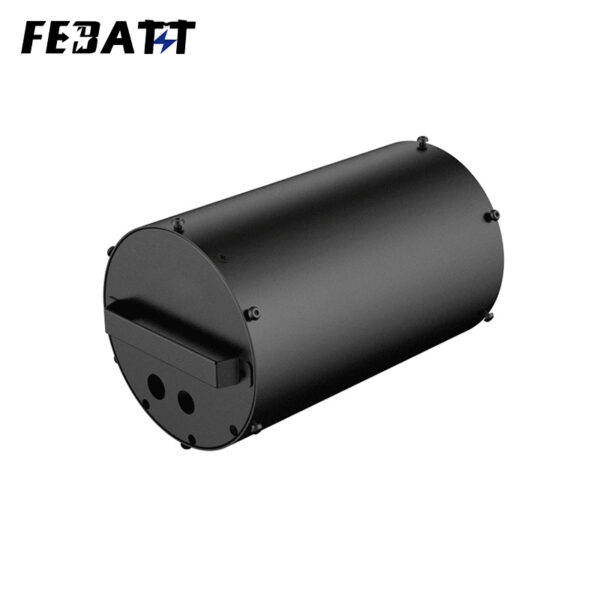
18650 46.8V 80Ah NMC Battery for Patrol Robot with RS485

Battery for Patrol Robot with RS485 delivers 46.8V 80Ah power, NMC chemistry, and real-time RS485 data communication—ideal for security, industrial inspection robots with smart battery management.

  • Nominal Voltage:46.8V
  • Rated Capacity:80Ah
  • Dimension:400*400*100mm
  • Charge Voltage:54.6V
  • Charge Current:≤25A
  • Discharge Current:40A
  • Discharge Cut-off Voltage:31.2V
  • Weight:20kg
  • Operating Temperature:-20~50℃
  • Application:robot, AGV, RGV

Battery for Patrol Robot with RS485: 18650 46.8V 80Ah NMC Battery for Smart Patrol & Industrial Inspection Robots

Introduction

In the domain of autonomous patrol and industrial inspection, a Battery for Patrol Robot with RS485 that combines high energy, intelligent communication, and rugged reliability is essential. This 18650 46.8V 80Ah NMC Battery is engineered for this purpose. Leveraging nickel manganese cobalt (NMC) chemistry, 80Ah capacity, and the RS485 communication protocol, it stands as the RS485-enabled Patrol Robot Battery that empowers robots to conduct long-duration patrols, enable real-time battery health monitoring, and seamlessly integrate with fleet management systems.

Technical Specifications

Table: Battery for Patrol Robot with RS485 Core Parameters

Parameter Detail
Chemistry Nickel Manganese Cobalt (NMC)
Nominal Voltage 46.8V
Rated Capacity 80Ah
Charge Voltage 54.6V
Charge Current ≤25A
Discharge Current 40A
Discharge Cut-off Voltage 31.2V
Operating Temperature -20~50℃
Dimensions 400×400×100mm
Weight 20kg
Communication Protocol RS485 (real-time data transmission)
Safety Protections Short-circuit, overcharge, over-discharge, overcurrent, temperature protection

Core Advantages of Battery for Patrol Robot with RS485

1. RS485 Communication: Intelligent Battery Management for Patrol Robots

Real-Time Data Transparency: This Battery for Patrol Robot with RS485 transmits voltage, current, SOC (State of Charge), and cycle life data via the RS485 serial port. For security patrol robots in industrial zones, this enables remote monitoring of battery health during 24/7 missions, eliminating unexpected shutdowns. In fleet operations, it allows central management systems to optimize charging schedules for dozens of patrol robots, enhancing operational efficiency.”

2. NMC Chemistry: High Energy Density & Prolonged Lifespan

Nickel Manganese Cobalt Composition: Constructed with 18650 NMC cells, this RS485-enabled Patrol Robot Battery delivers 46.8V 80Ah energy in a 400×400×100mm form factor. It supports 1500+ cycles at 80% DOD (Depth of Discharge), ensuring consistent performance for years, even in daily patrol operations. Compared to lithium iron phosphate alternatives, NMC’s higher energy density allows for longer patrol ranges with the same battery footprint.”

3. 40A High-Discharge Current: Power for Demanding Robotic Tasks

40A Continuous Discharge: When a patrol robot activates its surveillance cameras, mobility systems, and environmental sensors simultaneously, this NMC Battery for Patrol Robots with RS485 delivers 40A stable current. It guarantees uninterrupted power to motors and electronics, keeping robots operational during high-load scenarios, such as climbing ramps or powering high-resolution thermal cameras.”

4. Wide Temperature Range & Robust Construction

-20~50℃ Operation: From sub-zero security patrols in winter to 50℃ industrial facility inspections, this Battery for Patrol Robot with RS485 performs reliably. Its rugged 20kg enclosure and dust/water-resistant design (suitable for industrial applications) make it ideal for outdoor security robots or factory floor inspection units.”

Application Scenarios

1. Security Patrol Robots

Commercial Building Surveillance: Powers autonomous security robots patrolling office complexes, with RS485 enabling facility managers to monitor battery health in real time. The 80Ah capacity supports 12+ hours of continuous patrol, including integration with lighting, cameras, and access control systems.” “Border Patrol Hybrid Units: Powers robots with mounted drones, where 40A discharge supports drone takeoff/landing surges, and RS485 syncs battery data with central command systems.”

2. Industrial Inspection Robots

Factory Floor Inspection: In automotive or electronics plants, it powers robots inspecting assembly lines for defects. RS485 integration with MES (Manufacturing Execution Systems) allows predictive battery maintenance, reducing unplanned downtime.” “Oil & Gas Pipeline Inspections: Operates in -20℃ outdoor pipelines, powering robotic crawlers with NMC’s high energy density and RS485-enabled remote status updates for maintenance teams.”

3. Smart City & Public Space Monitoring

Park/Street Patrol Robots: Monitors public spaces for safety, with 46.8V 80Ah powering AI-powered anomaly detection systems. RS485 ensures city management centers receive battery health alerts, preventing service interruptions.”
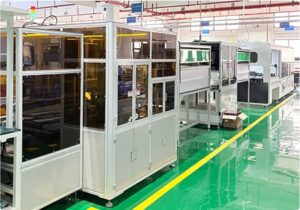
Factory EnvironmentCustomized Special Battery PackFactory Environment

FAQ

Q1: What applications are special robot lithium batteries designed for?

A: Special robot lithium batteries are designed for robotic systems that operate outside standard indoor service conditions, including patrol robots, firefighting robots, underwater robots or underwater equipment, inspection robots, and other specialized mobile platforms. Battery selection should be based on the robot’s voltage, runtime, load profile, available installation space, communication needs, charging method, and operating environment.

A: Start with the required voltage, usable capacity, continuous and peak current, target runtime, installation dimensions, weight limit, charging requirements, communication interface, and environmental conditions. Special applications may also require additional consideration for moisture, dust, vibration, shock, temperature, sealing, or other project-specific factors. The battery should therefore be engineered around the complete mission profile rather than selected by capacity alone.

A: LiFePO4 and other lithium-ion chemistries can both be used in special robot applications. LiFePO4 is often selected when thermal stability and cycle life are priorities, while other lithium-ion chemistries may be considered when energy density, weight, or compact size are more important. The appropriate chemistry depends on the robot’s duty cycle, space, load, environment, and performance requirements.

A: Yes. FEBATT can develop custom lithium battery packs for special robot projects, including patrol, firefighting, underwater, inspection, and other specialized robots. Customization may include voltage, capacity, dimensions, housing, connector type, BMS settings, charge and discharge current, communication interface, and environmental protection requirements. Final specifications should be defined according to the robot platform and operating conditions.

A: Yes. FEBATT can develop custom lithium battery packs for special robot projects, including patrol, firefighting, underwater, inspection, and other specialized robots. Customization may include voltage, capacity, dimensions, housing, connector type, BMS settings, charge and discharge current, communication interface, and environmental protection requirements. Final specifications should be defined according to the robot platform and operating conditions.

A: Depending on the project, interfaces such as RS485 or CAN can be integrated for communication between the battery BMS and the robot controller. These interfaces can transmit information such as state of charge, voltage, current, temperature, and fault status. Published FEBATT special-robot examples include patrol and firefighting robot battery configurations using RS485 or CAN, but the required protocol and message format should be confirmed for each project.

A: Environmental requirements should be defined during battery development. Factors may include moisture exposure, dust, vibration, shock, immersion, operating temperature, and mechanical impact. Battery chemistry, enclosure design, sealing, connector selection, thermal design, and BMS protection can then be configured for the application. Environmental protection levels and temperature limits should always be confirmed for the specific battery model or project rather than assumed across the full product range.

A: Cycle life depends on battery chemistry, depth of discharge, charge and discharge rate, operating temperature, charging strategy, and the robot’s duty cycle. For example, one published FEBATT 22.4V 28Ah patrol robot battery is specified for 1,000+ cycles while retaining at least 80% capacity. This is a model-specific reference, not a universal rating for all special robot batteries.

A: Special robots may experience short-duration power peaks during movement, climbing, acceleration, pump operation, actuators, or other mission-specific loads. The battery must provide sufficient continuous current for normal operation and adequate peak current for transient loads without excessive voltage drop or unwanted protection shutdown. These requirements should be matched to the cell configuration, BMS, connectors, wiring, and thermal design.

A: Charging voltage, maximum charge current, available charging window, charger communication, and mission schedule should be defined before the battery is finalized. Published FEBATT configurations show why this is model-specific: a 22.4V 28Ah patrol robot battery lists a maximum charge current of 14A, while a 48V 100Ah firefighting robot battery lists up to 47A. These figures are product examples only; the correct charging strategy must be matched to the selected battery and robot system.

Ready to Partner with FEBATT?

Join hundreds of B2B partners worldwide who trust us for reliable lithium battery solutions.

This site is protected by reCAPTCHA and the Google Privacy Policy and Terms of Service apply.
Scroll to Top

Professional Battery Solution Supplier

This site is protected by reCAPTCHA and the Google Privacy Policy and Terms of Service apply.