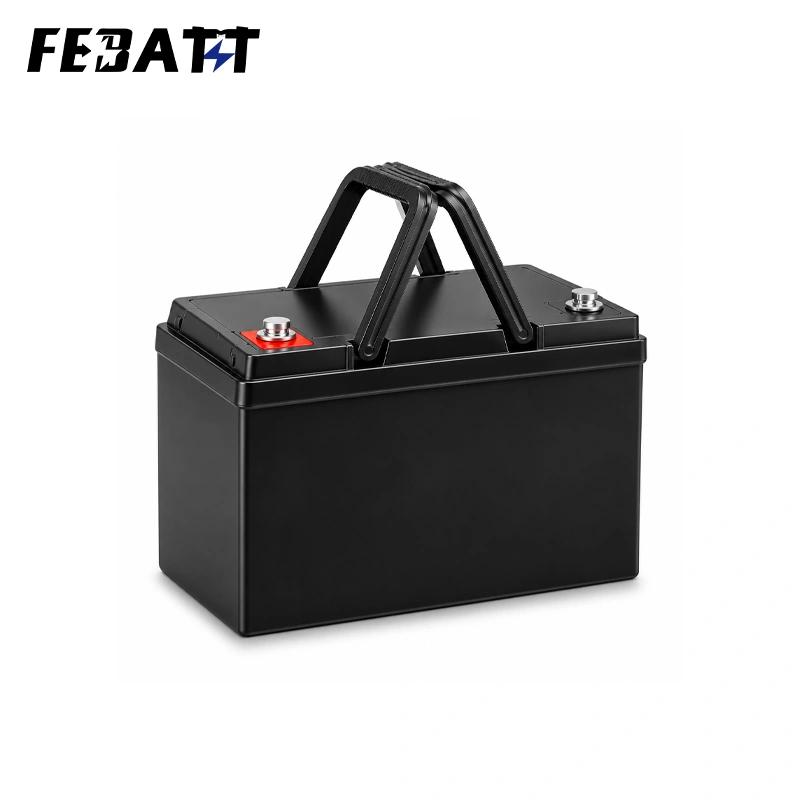
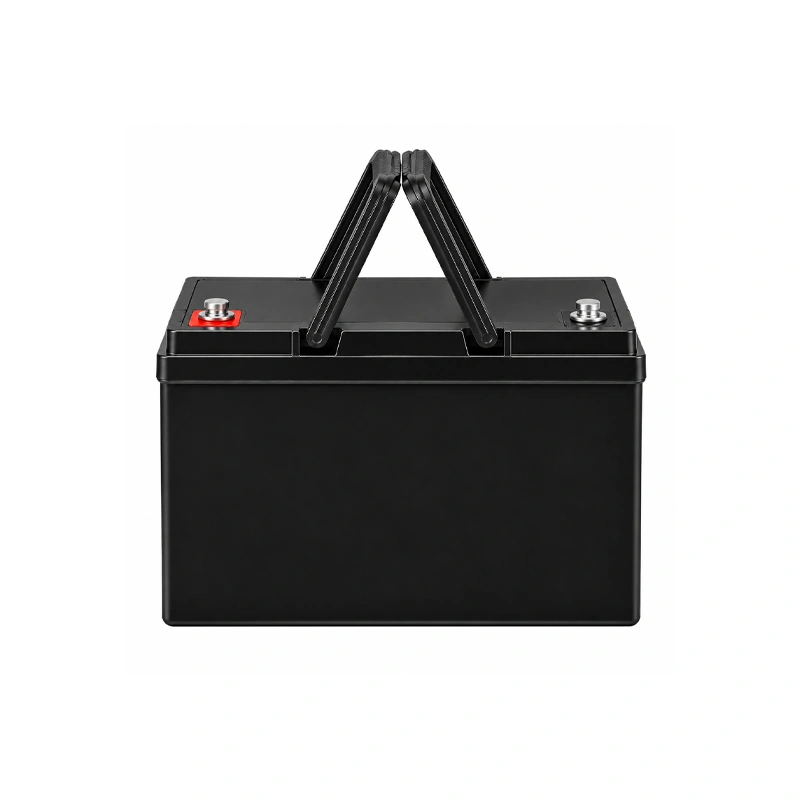
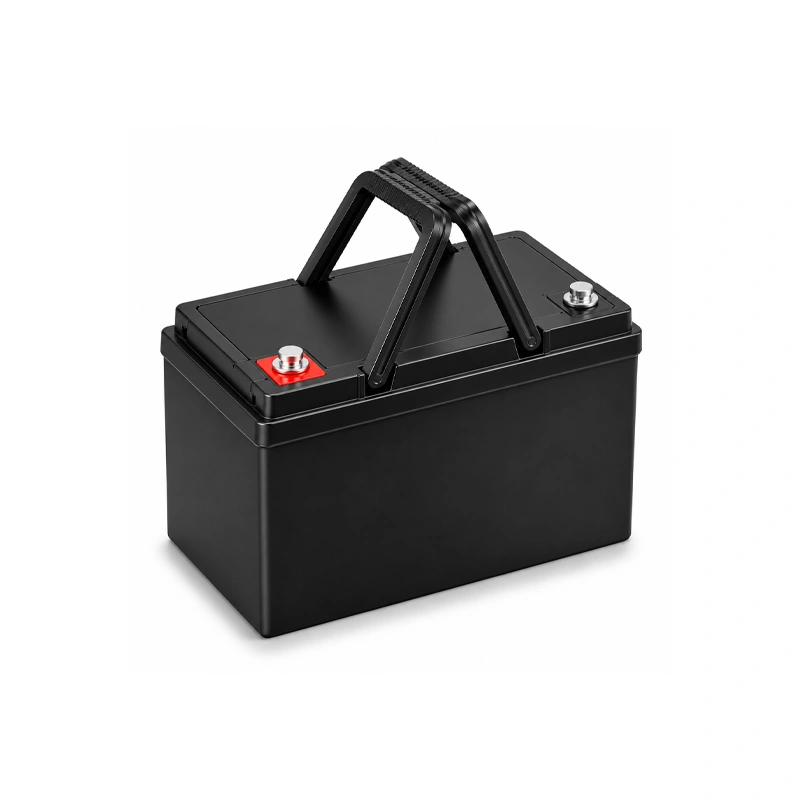
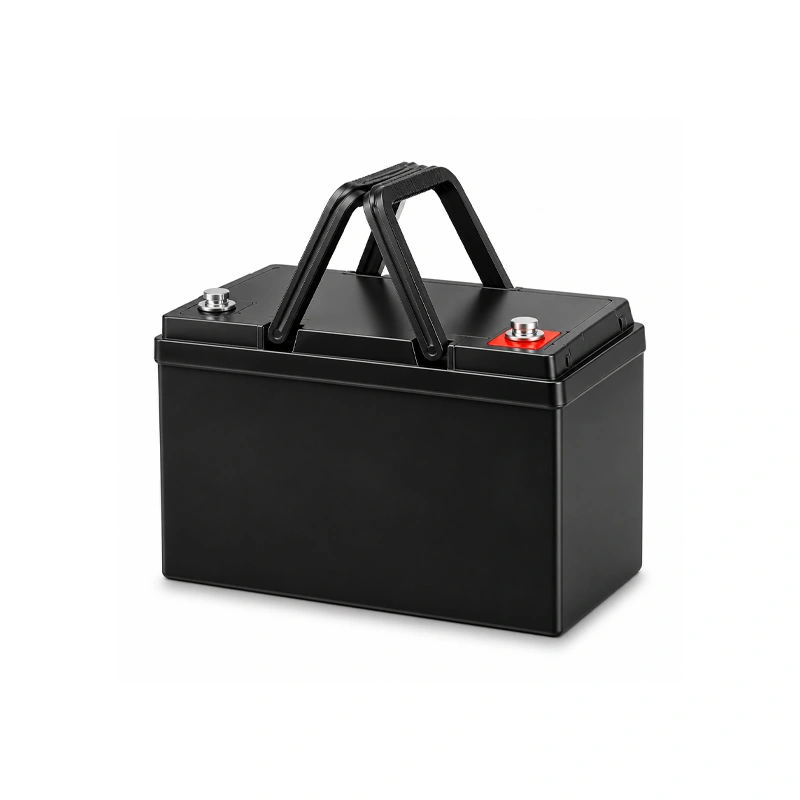
12.8V 100Ah Marine Battery for Compact Boat House Power
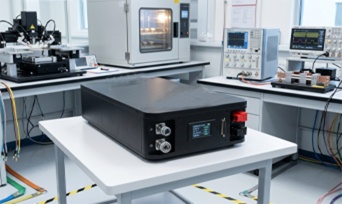
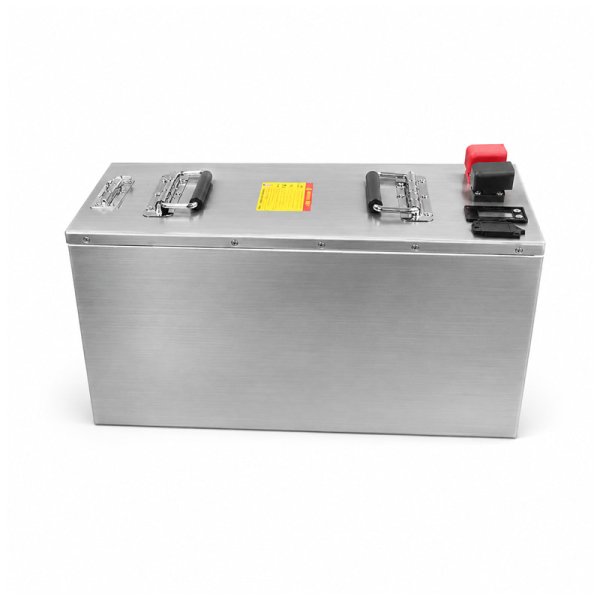
- IP67 Marine Protection: The 12.8V 100Ah marine battery features a sealed enclosure for demanding onboard environments.
- Compact LiFePO4 Energy: Its 1,280Wh capacity supports compatible lighting, navigation electronics, and auxiliary marine loads.
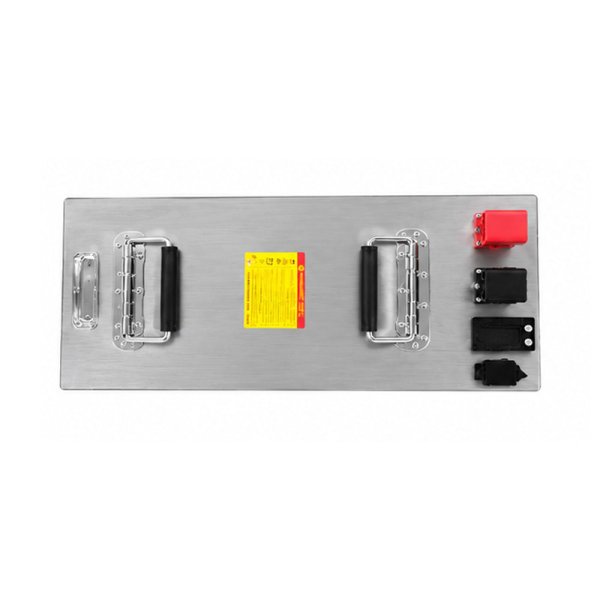
- Easy Vessel Handling: A 10kg design and reinforced handle simplify installation and servicing.
- Extended Fleet Service: Over 6,000 rated cycles help buyers evaluate replacement intervals and ownership costs.
- Clear Electrical Ratings: Specified 20A/50A charging and 50A/100A discharging ratings support electrical-system assessment.
- Space-Conscious Fit: Dimensions of 260 × 168 × 211mm help OEMs check battery-compartment clearance.
- OEM Procurement Focus: Evaluate the 12.8V 100Ah marine battery for fishing boats, sailboats, and leisure-vessel projects.
Designed for Real Onboard Power Budgets
When onboard electronics must run beyond short trips, the 12.8V 100Ah marine battery provides 1,280Wh of nominal LiFePO4 energy in a 10kg enclosure. Vessel integrators can assess house-load demand at sea without adopting a heavier battery format.
Where Fleet Downtime Meets Marine Exposure
Repeated battery replacement and cramped compartments can interrupt maintenance schedules. Rated for more than 6,000 cycles and protected to IP67, the 12.8V 100Ah marine battery gives fleet buyers two measurable criteria for evaluating service intervals and exposure conditions during scheduled vessel refits.
Four Vessel Types, Different Load Profiles
Fishing boats need power for electronics; sailboats and leisure yachts often prioritize lighting and auxiliary equipment. The 12.8V 100Ah marine battery can be evaluated for each vessel’s 12V loads and onboard charging arrangements, while propulsion suitability depends on verified motor demand.
Core Specification
| Parameter | Specification |
|---|---|
| Nominal Voltage | 12.8V |
| Rated Capacity | 100Ah |
| Nominal Energy | 1.28kWh |
| Continuous / Max. Charging Current | 20A / 50A |
| Continuous / Max. Discharging Current | 50A / 100A |
| Cycle Life | >6,000 cycles |
| Ingress Protection | IP67 |
| Reference Weight | 10kg |
| Applications | Fishing boats, leisure yachts, sailboats, small leisure boats (onboard auxiliary power) |
Reassessing the Lead-Acid Replacement Cycle
For operators replacing flooded lead-acid house batteries, lower mass and eliminating watering can ease routine servicing. With LiFePO4 chemistry and a rated lifespan above 6,000 cycles, this option supports lifecycle comparisons—provided charging compatibility, duty conditions, and actual test criteria are checked.
Dimensions That Make Fit Checks Easier
A 260 × 168 × 211mm footprint helps boatbuilders confirm compartment fit before ordering. The 12.8V 100Ah marine battery lists 20A charging and 50A discharging continuously, with maximum ratings of 50A and 100A respectively, supporting charger and load checks before installation approval.
An OEM Workflow Built Around Vessel Fit
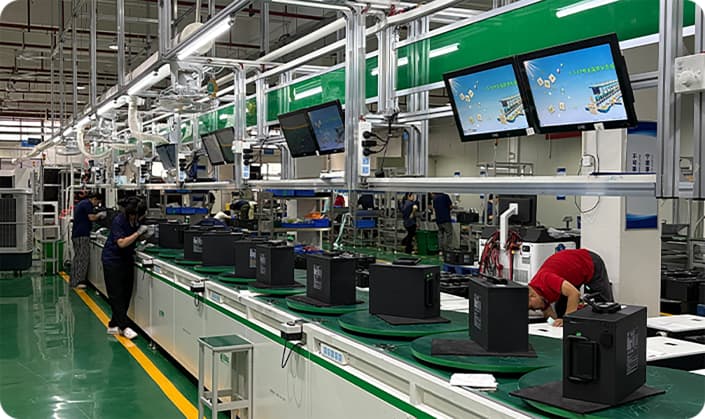
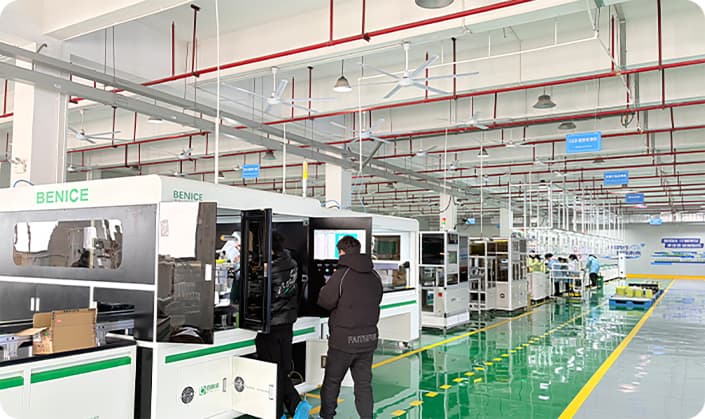
For repeat builds, requirements should be agreed before sampling: mounting clearances, terminal arrangement, electrical limits, and required documentation. FEBATT can evaluate configuration and validation needs for the 12.8V 100Ah marine battery before production approval and repeat orders.
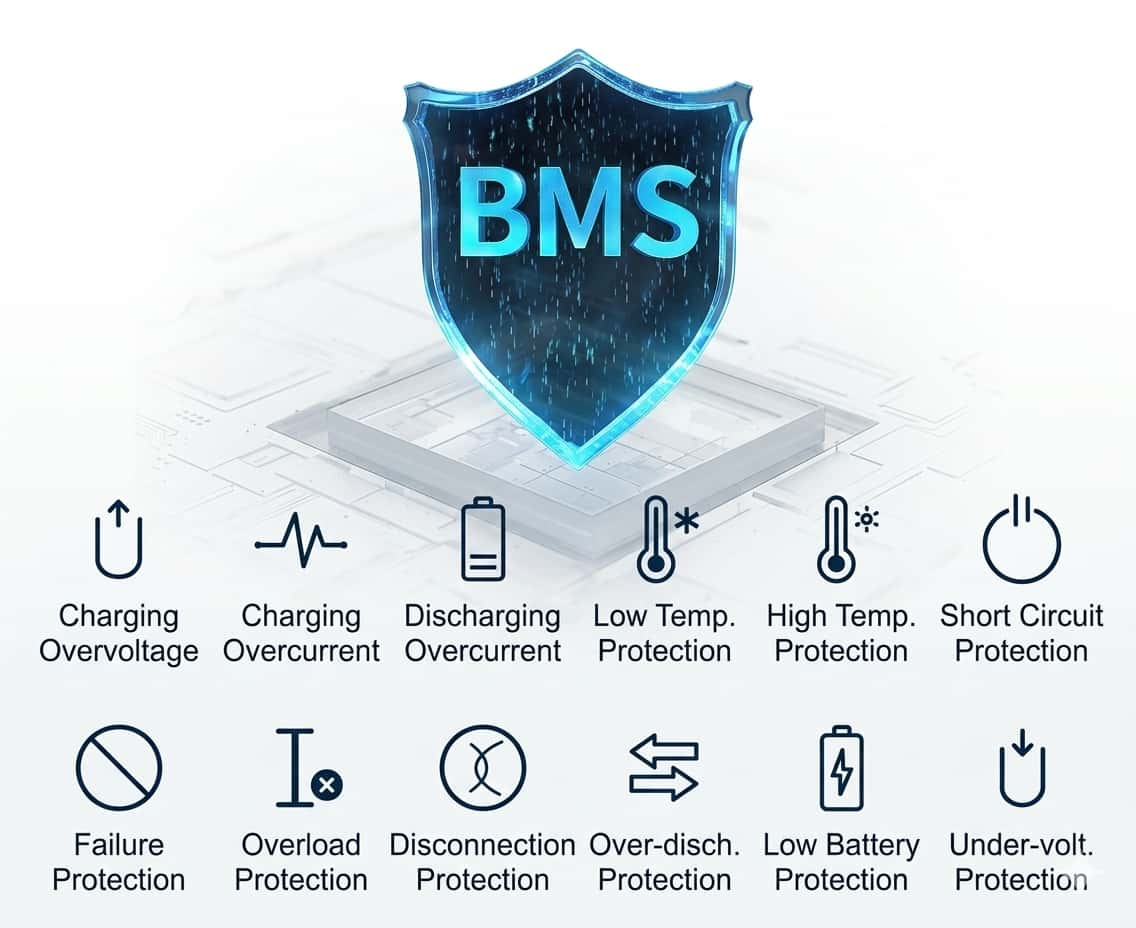
360° Safety: The "Sentinel" BMS
Advanced Smart BMS Protection
- Over-current protection
- Over-discharge protection
- Low-power protection
- High & low temperature protection
- Overload protection
- Short-circuit protection
- Automatic disconnection protection
Core Advantages
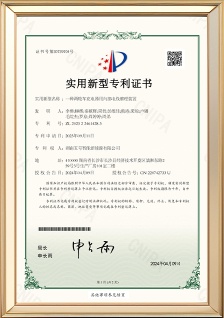
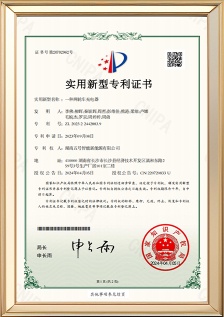
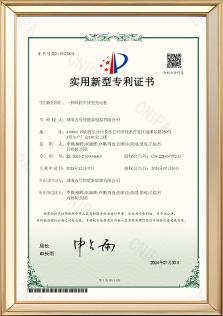
Deep OEM & ODM Customization


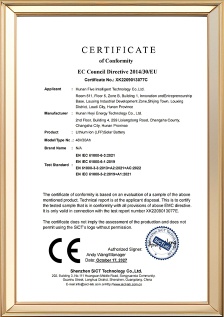
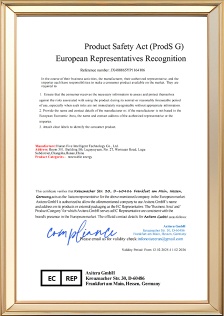
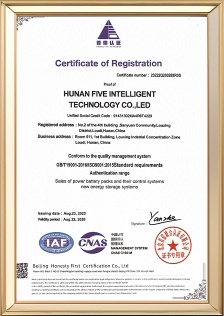
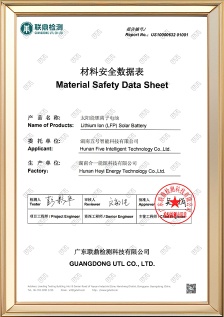
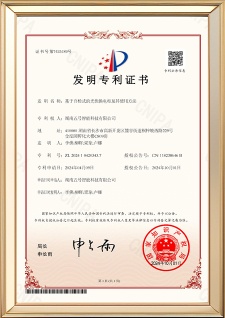
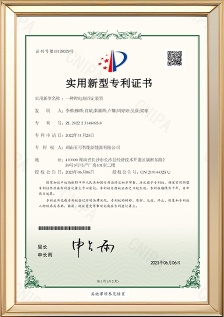
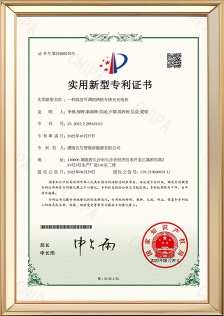
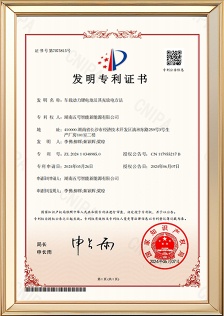
Certificate
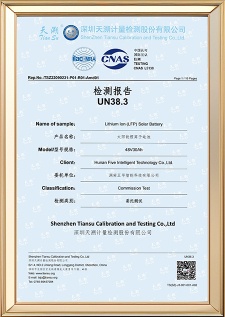
Pre-integrated UN38.3, GPSR, CE, MSDS, ISO9001,and other certifications to shorten market access cycles
Wholesale Process
01.
02.
03.
04.
05.
06.
07.
08.
Quality Control
FAQ
Q1: Are lithium batteries suitable for marine use?
A: Yes. LiFePO4 batteries are well suited to marine house-power and deep-cycle applications because they provide stable performance, long cycle life, and strong thermal stability. Compared with some other lithium chemistries, LiFePO4 is less prone to overheating or thermal runaway. A reliable BMS, proper charging system, secure installation, and suitable enclosure protection are still essential for safe marine operation.
Q2: What battery types are commonly used in marine applications?
A: Common marine battery types include flooded lead-acid, AGM, gel, and lithium batteries. LiFePO4 batteries are increasingly used because they provide stable voltage, lower maintenance, high usable capacity, and longer cycle-life potential.
Q3: Can lithium marine batteries replace lead-acid marine batteries?
A: Yes. A lithium marine battery can replace many lead-acid batteries when the voltage, capacity, installation space, discharge current, cables, connectors, charger, alternator, and vessel electrical system are properly matched.
Q4: What are the main benefits of lithium marine batteries?
A: Lithium marine batteries offer lower weight, more usable energy, faster charging, stable voltage output, longer cycle-life potential, and less routine maintenance than conventional lead-acid batteries. These advantages can reduce downtime and long-term battery replacement costs.
Q5: How long does a lithium marine battery last?
A: A well-designed lithium marine battery may last 8–10 years or longer under suitable operating conditions. Actual service life depends on charging practices, temperature, depth of discharge, operating current, battery quality, and maintenance.
Q6: Do lithium marine batteries require a special charger?
A: A lithium marine battery should use a charger with charging parameters compatible with its LiFePO4 cells and BMS. An existing marine charger may be used only when its voltage settings and charging profile match the battery manufacturer’s requirements.
Q7: Are FEBATT lithium marine batteries suitable for trolling motors?
A: Yes. FEBATT lithium marine batteries can provide stable voltage and continuous power for trolling motors. The battery voltage, capacity, continuous discharge current, peak current, wiring, fuse, and charger must be matched to the trolling motor’s specifications.
Q8: Can lithium marine batteries be charged below 0°C?
A: Standard LiFePO4 batteries should not be charged below 0°C unless they include low-temperature charging protection or a suitable heating system. FEBATT can configure low-temperature cutoff and self-heating functions for marine projects operating in cold climates.
Q9: Can FEBATT customize lithium marine batteries for OEM or ODM projects?
A: Yes. FEBATT can customize lithium marine battery voltage, capacity, dimensions, discharge current, enclosure, connectors, cable direction, mounting points, communication protocols, BMS functions, labeling, and other specifications for OEM and ODM marine projects.
Q10: What information is required for a custom lithium marine battery quotation?
A: FEBATT normally requires the system voltage, capacity, continuous and peak current, installation dimensions, load type, charger or alternator specifications, communication requirements, operating temperature, order quantity, and destination market.
IGNITE YOUR COUNTRY'S LITHIUM BATTERY & ENERGY STORAGE MARKET WITH FEBATT


We have already successfully supported partners across multiple regions in achieving brand growth and increasing profitability. Whether you are a systems integrator, electrical distributor, or entrepreneur looking to build your own brand, FEBATT is your reliable partner, offering stable products and flexible cooperation mechanisms.

Partner with us to deliver reliable energy solutions for businesses and build a sustainable green energy future together.

Ready to Partner with FEBATT?
Join hundreds of B2B partners worldwide who trust us for reliable lithium battery solutions.