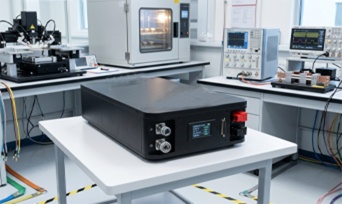
76.8V 130Ah Mini Car Battery with Front-Facing Interfaces
- 9.98 kWh Energy Package: The 76.8V 130Ah mini car battery provides nominal energy for low-speed routes.
- Single-Pack Installation: Consolidate multiple battery blocks into one integrated pack, subject to tray and mounting checks.
- Flexible Charging Windows: Partial charging requires compatible lithium equipment and approved settings; verify charger profile before deployment.
- Three Vehicle Applications: Evaluate minicar, golf cart and cargo tricycle projects against route, payload and operating patterns.
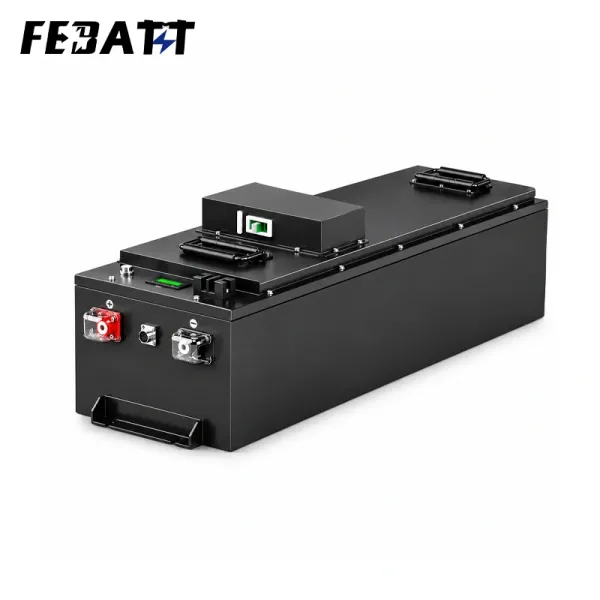
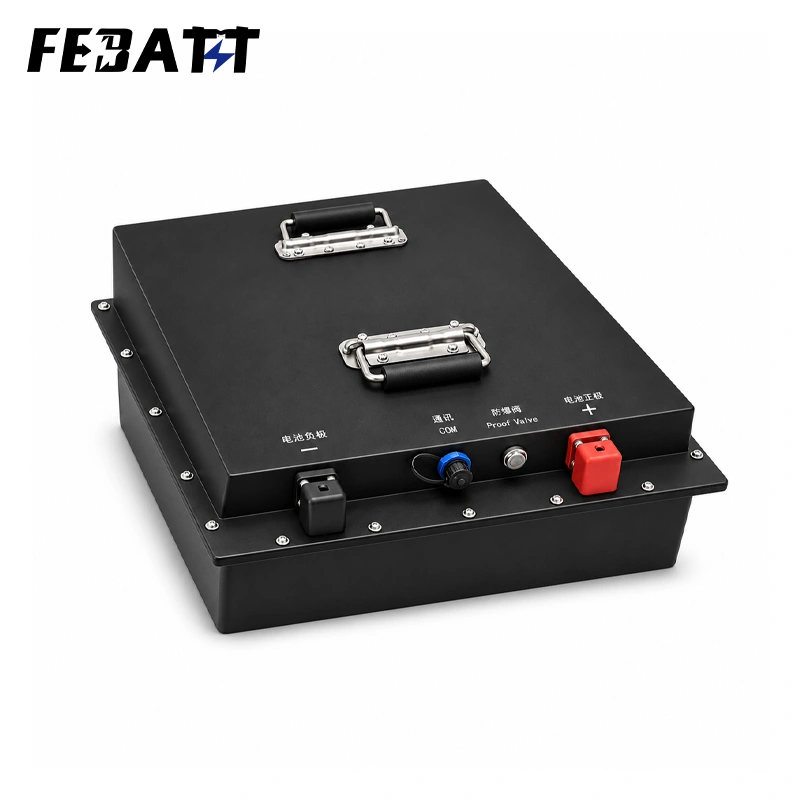
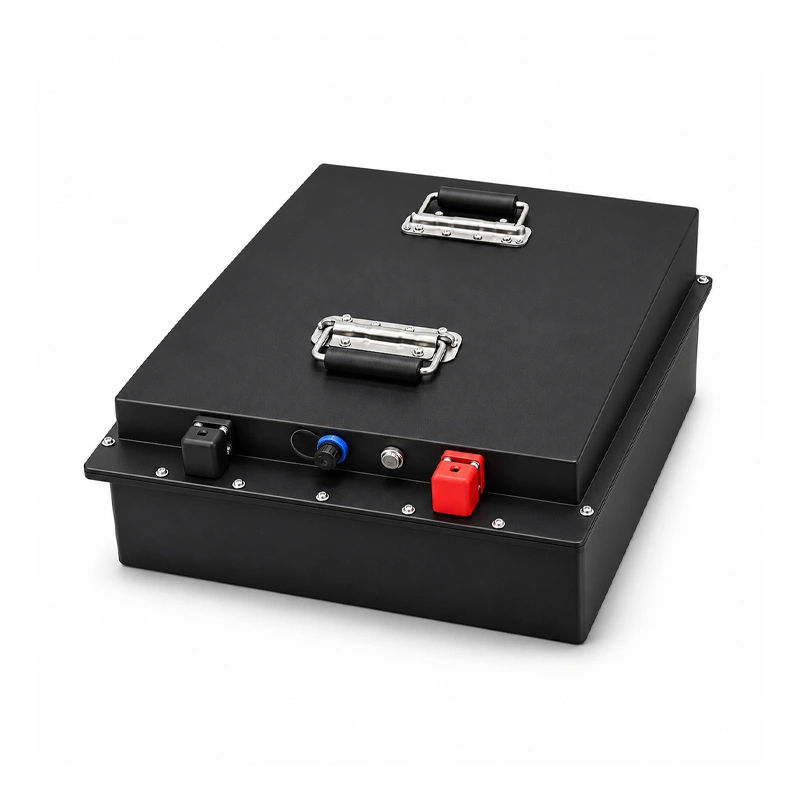
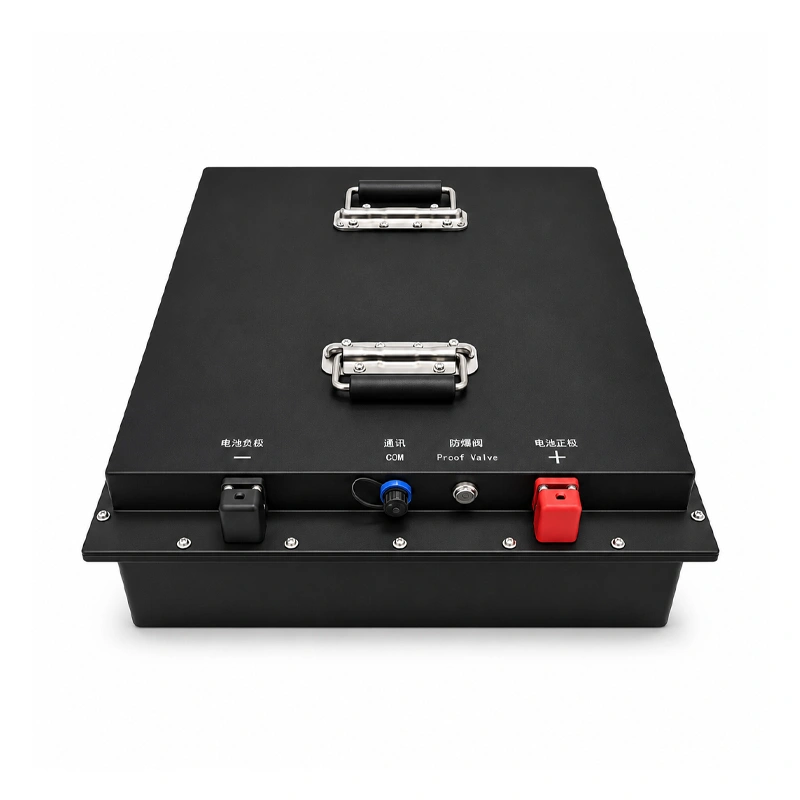
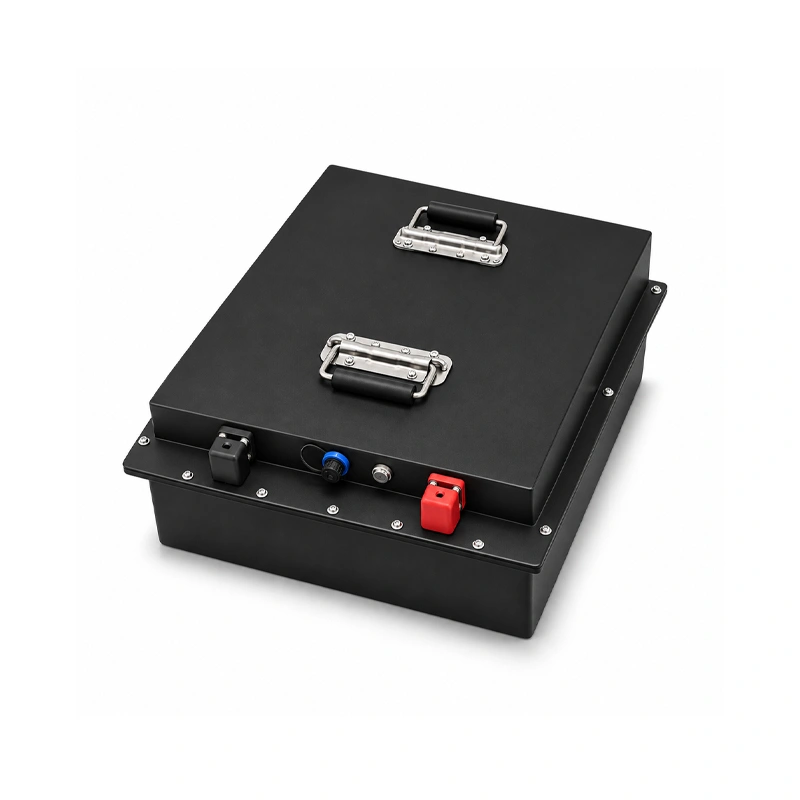
- OEM Interface Planning: The 76.8V 130Ah mini car battery has positive and negative terminals, a COM interface and pressure-relief vent. FEBATT can review BMS, connectors and mounting; the source sheet lists 70 kg and 2,000 cycles, subject to confirmation.
Budget Energy Against Real Route Demand
The 76.8V 130Ah mini car battery stores 9.984 kWh of nominal energy for low-speed vehicle projects. Use route length, payload, gradients and accessory loads to estimate usable energy. This helps OEM teams size a pack against a defined duty cycle, rather than assume a fixed driving range.
Simplify a Multi-Block Battery Conversion
For conversions, one integrated pack can replace a layout of separate lead-acid blocks. Before specifying the 76.8V 130Ah mini car battery, compare tray clearance, mounting points, cable reach, polarity and service access with the vehicle drawing. This reduces installation surprises during prototype fitting.
Separate Minicar, Golf Cart and Cargo Duty
Minicars, golf carts and cargo trikes operate under different loads and route patterns. Assess the 76.8V 130Ah mini car battery against passenger or cargo weight, stop-start frequency, terrain and daily operating hours. Use each vehicle’s actual duty profile to confirm whether 130Ah is appropriate.
Core Specifications
| Parameter | Specification |
|---|---|
| Nominal Voltage | 76.8V |
| Rated Capacity | 130Ah |
| Nominal Energy | 9.98 kWh |
| Cycle Life | 2,000 cycles |
| Weight | 70 kg |
| Power Connections | Positive and negative terminals |
| Communication Interface | COM interface (protocol to be confirmed) |
| Enclosure Features | Pressure-relief vent |
| Applications | Mini Cars (LSVs), Electric Four-Wheel Vehicles, Golf Carts, Electric Cargo Tricycles |
Plan Top-Ups Around Charger Compatibility
The product graphic identifies partial charging with a compatible lithium charger. Confirm charger voltage, current limits, charge profile and BMS settings before planning opportunity charging between routes. Partial charging should follow the approved battery and charger instructions, not an assumed universal charging rule.
Specify the Power and COM Connections
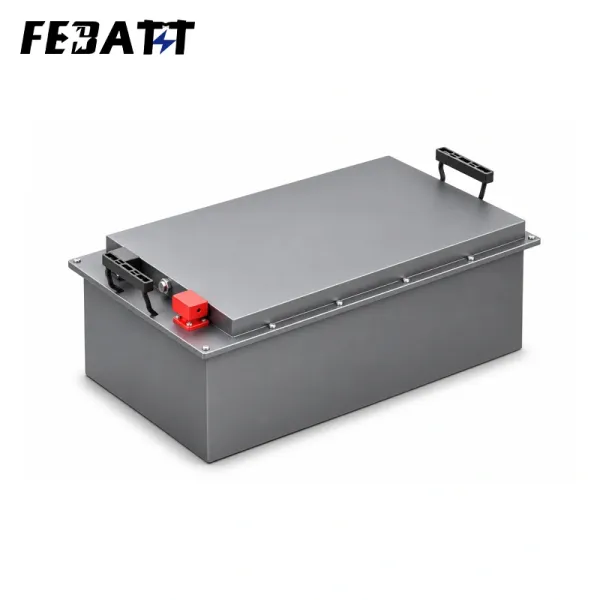
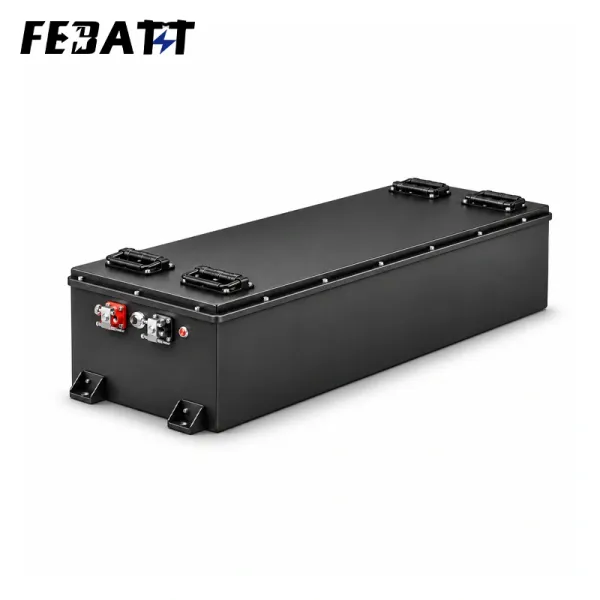
The pack illustration identifies positive and negative power terminals, a COM interface and a pressure-relief vent. Specify connector type, communication requirements, cable routing and service access for the 76.8V 130Ah mini car battery before sample approval. Confirm the COM protocol and pinout with the vehicle integrator.
Approve the Pack Before Scaling Production
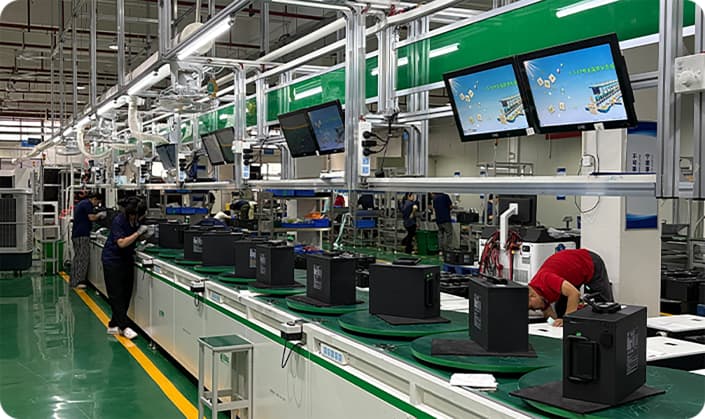
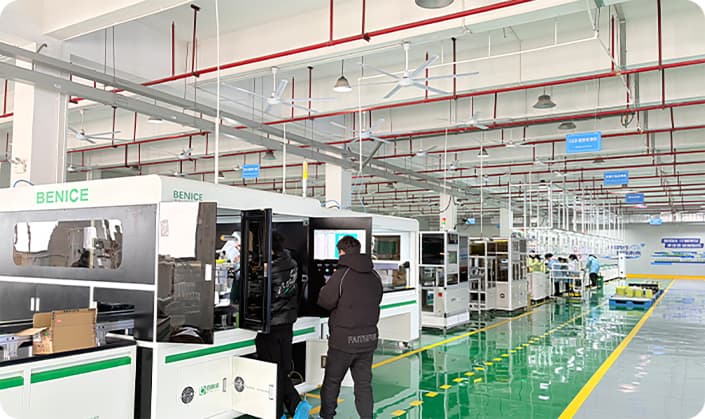
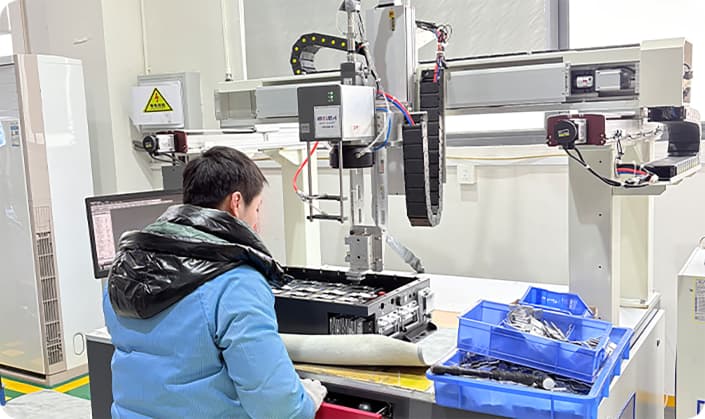
The source sheet lists 2,000 cycles and 70 kg; confirm test conditions and final pack weight in the approved specification. FEBATT can review BMS, enclosure, interface and vehicle-integration requirements for a customized 76.8V 130Ah mini car battery, then agree prototype tests and batch acceptance criteria.
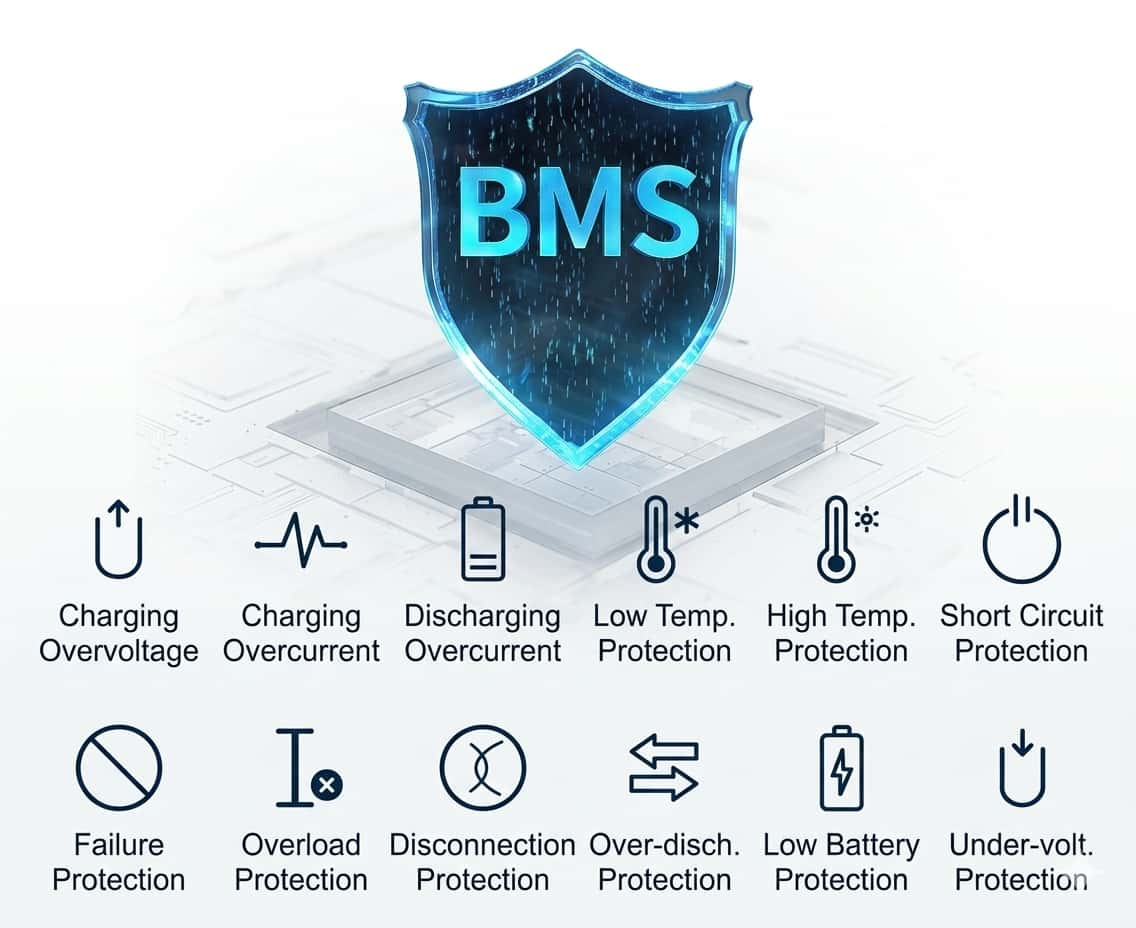
360° Safety: The "Sentinel" BMS
Advanced Smart BMS Protection
- Over-current protection
- Over-discharge protection
- Low-power protection
- High & low temperature protection
- Overload protection
- Short-circuit protection
- Automatic disconnection protection
Core Advantages
Deep OEM & ODM Customization


Certificate
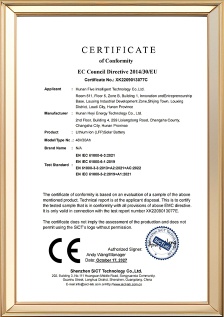
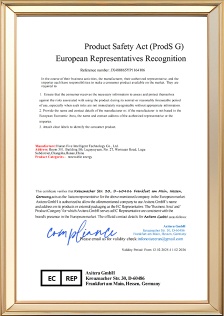
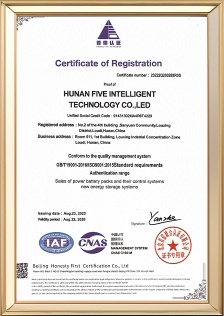
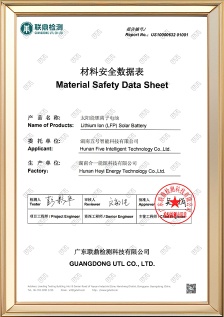
Pre-integrated UN38.3, GPSR, CE, MSDS, ISO9001,and other certifications to shorten market access cycles
Wholesale Process
01.
02.
03.
04.
05.
06.
07.
08.
Quality Control
FAQ
Q1: What battery type is commonly used in low-speed electric vehicles?
Q2: What are the advantages of LiFePO4 batteries over lead-acid batteries?
Q3: Can a LiFePO4 battery replace an AGM or lead-acid battery?
Q4: How should a low-speed EV battery be matched with the motor and controller?
Q5: Can FEBATT customize low-speed EV batteries for OEM or ODM projects?
Q6: What BMS protection and communication functions are available?
Q7: How long does a LiFePO4 low-speed EV battery last?
Q8: Does a low-speed EV lithium battery require a compatible charger?
Q9: What testing and compliance documents can FEBATT provide?
Q10: 10.How do FEBATT low-speed EV batteries perform in hot and cold conditions?
IGNITE YOUR COUNTRY'S LITHIUM BATTERY & ENERGY STORAGE MARKET WITH FEBATT


We have already successfully supported partners across multiple regions in achieving brand growth and increasing profitability. Whether you are a systems integrator, electrical distributor, or entrepreneur looking to build your own brand, FEBATT is your reliable partner, offering stable products and flexible cooperation mechanisms.

Partner with us to deliver reliable energy solutions for businesses and build a sustainable green energy future together.

Ready to Partner with FEBATT?
Join hundreds of B2B partners worldwide who trust us for reliable lithium battery solutions.