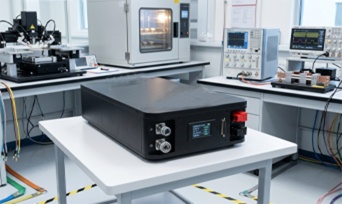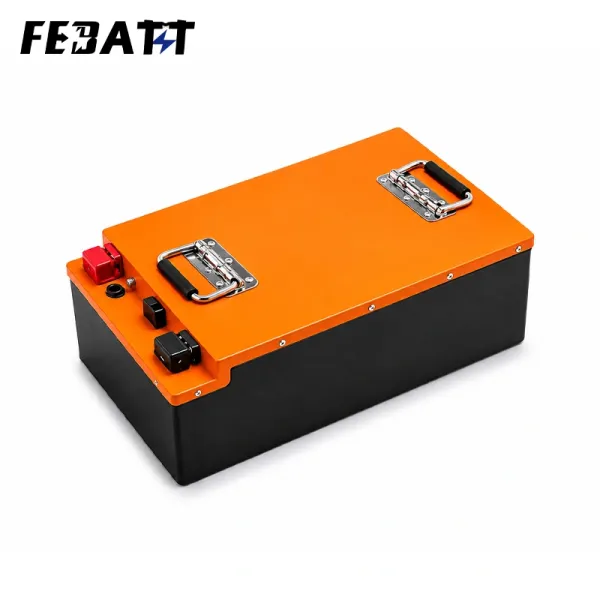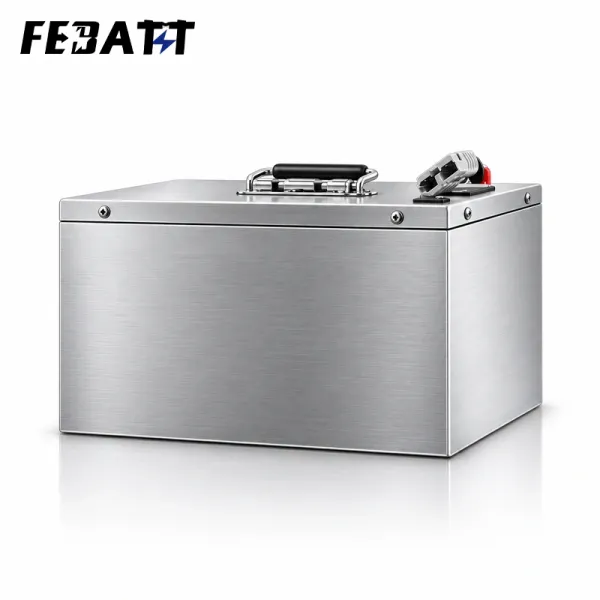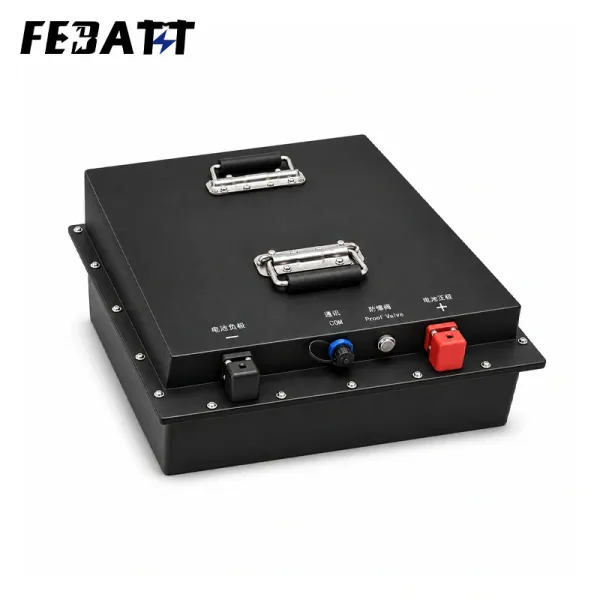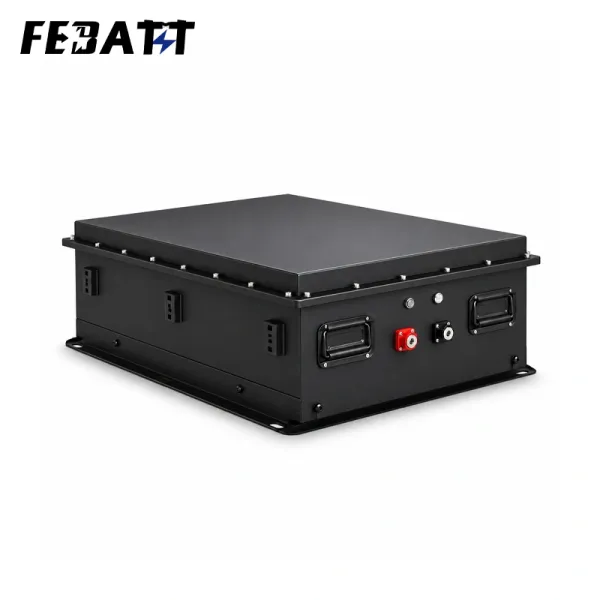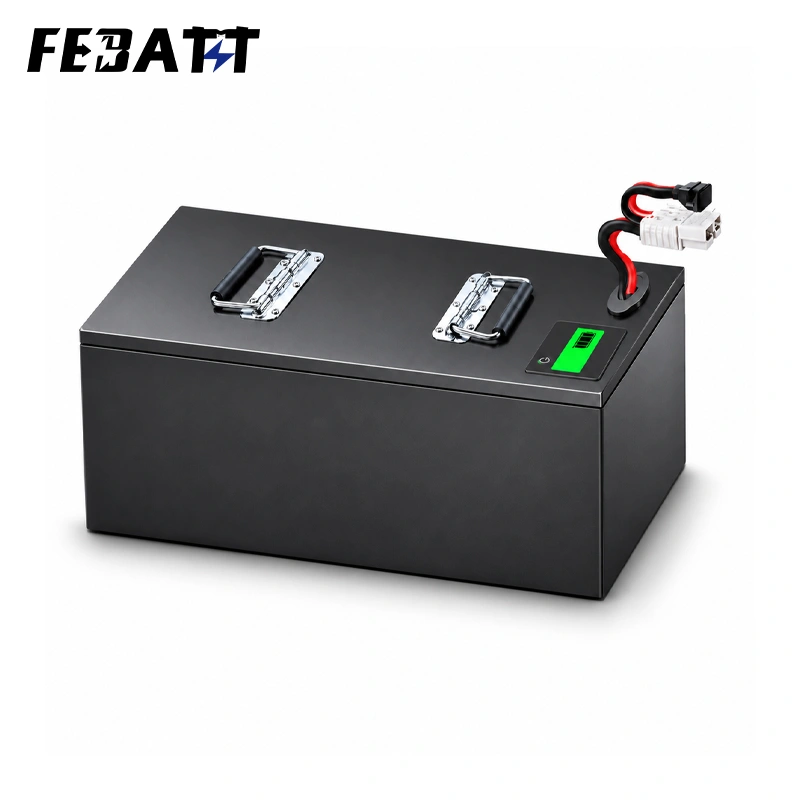
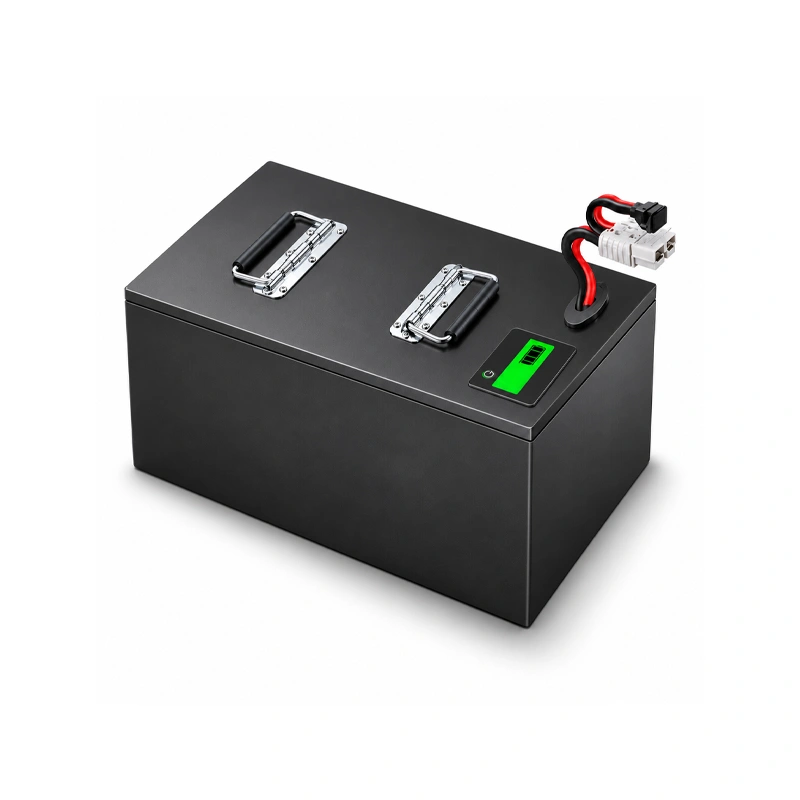
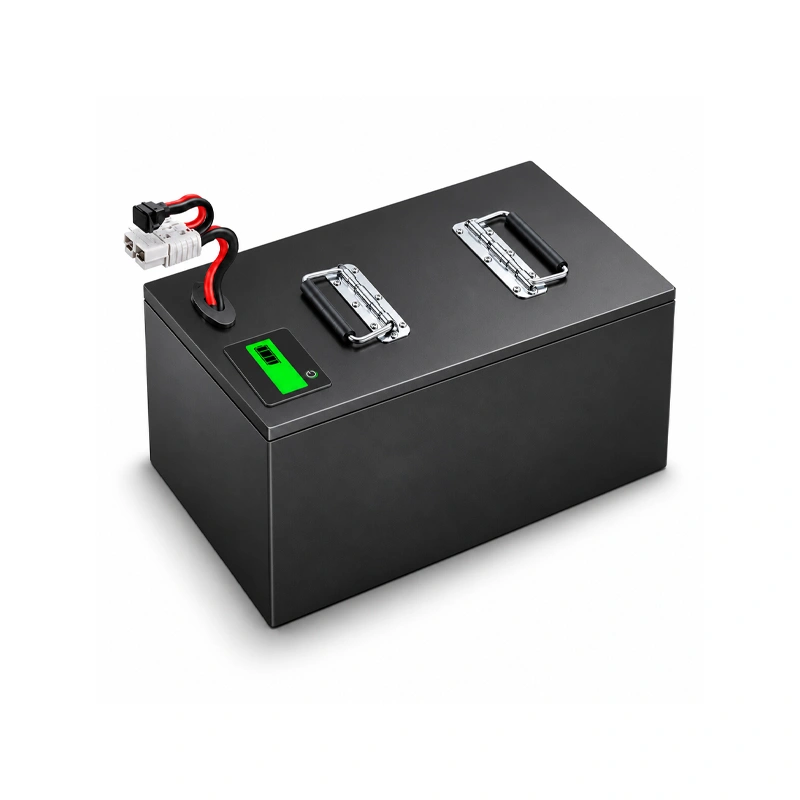
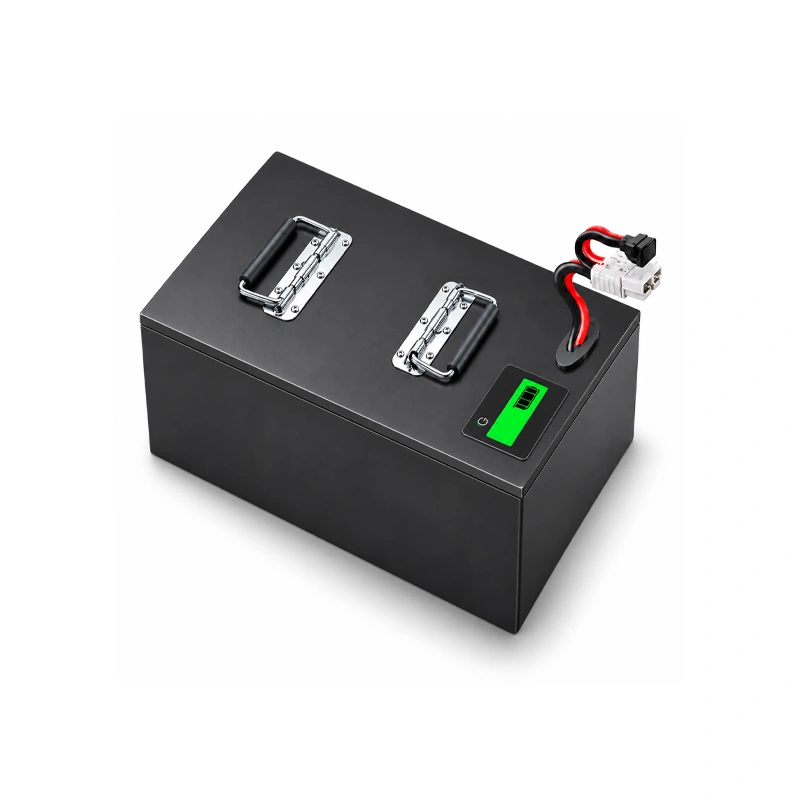
60V 200Ah Mini Car Battery for Utility Fleet Operations
- 60V Energy Budget: The 60V 200Ah Mini Car Battery provides 12.0 kWh nominal energy for OEM low-speed vehicle programs.
- Traction Load Screening: The illustrated 200A continuous-discharge rating supports initial controller sizing; confirm operating conditions and final limits during specification review.
- Fleet Duty-Cycle Fit: Evaluate daily routes, passenger loads and stop frequency before forecasting range or charging intervals for shuttles and campus vehicles.
- Configurable System Interfaces: FEBATT can review connector pinouts, BMS communications and mounting requirements against vehicle drawings, avoiding unsuitable off-the-shelf assumptions.
- Procurement Readiness: Supply controller, charger and environmental requirements for a tailored 60V 200Ah Mini Car Battery proposal and prototype validation before bulk orders.
Build the Route Around 12.0 kWh
The 60V 200Ah Mini Car Battery stores 12.0 kWh of nominal energy for route planning across low-speed fleets. OEMs should model passenger or cargo load, terrain, stop frequency and auxiliary demand before estimating usable range or daily operating hours under the intended seasonal operating conditions.
Size the Pack for Real Traction Loads
The product graphic lists 200A continuous discharge. For the 60V 200Ah Mini Car Battery, verify controller limits, acceleration demand and peak-current duration against the vehicle duty cycle; do not size the traction system from nominal capacity alone. Include starts, slopes and accessory loads in the review.
One Platform, Three Distinct Duty Profiles
For a GEM-style minicar, golf cart or cargo tricycle, the 60V 200Ah Mini Car Battery must be evaluated against different payloads, routes and mounting constraints. Share vehicle drawings and duty-cycle data so FEBATT can assess a project-specific configuration rather than assuming a universal fit.
Core Specifications
| Parameter | Specification |
|---|---|
| Nominal Voltage | 60V |
| Rated Capacity | 200Ah |
| Nominal Energy | 12.0 kWh |
| Battery Chemistry | LiFePO4 |
| Max. Continuous Discharge Current | 200A |
| Max. Charging Current | ≤100A |
| Cycle Life | ≥2,000 cycles |
| Ingress Protection | IP67 |
| BMS Communication | CAN / RS485 |
| BMS Protection | Overcharge, over-discharge, over-voltage, over-temperature and overload protection |
| Applications | Mini Cars (LSVs), Golf Carts, Electric Sightseeing Vehicles, Cargo Tricycles, Electric Three- and Four-Wheel Vehicles |
Compare the Whole Conversion, Not One Spec
A lead-acid comparison should use the same route, payload, usable energy and charging window. Treat mileage, weight, charging-time and cost-saving figures in promotional graphics as estimates until supported by matched test records and a documented fleet model. Separate battery cost from system conversion costs.
Lock Down the Electrical Specification
The illustrated specification for the 60V 200Ah Mini Car Battery lists 60V, 200Ah, 12.0kWh, up to 100A charging, 200A continuous discharge, IP67 and CAN/RS485. Confirm the final cycle-life, temperature limits, protection rating and protocol revision against the approved datasheet before ordering.
Configure the Pack Around Your Vehicle
The 60V 200Ah Mini Car Battery can be scoped around required capacity, mounting envelope, connector pinout and BMS communication. FEBATT can review charger matching, integration tests and technical support requirements before sample approval and repeat production, with optional features confirmed in the project specification.
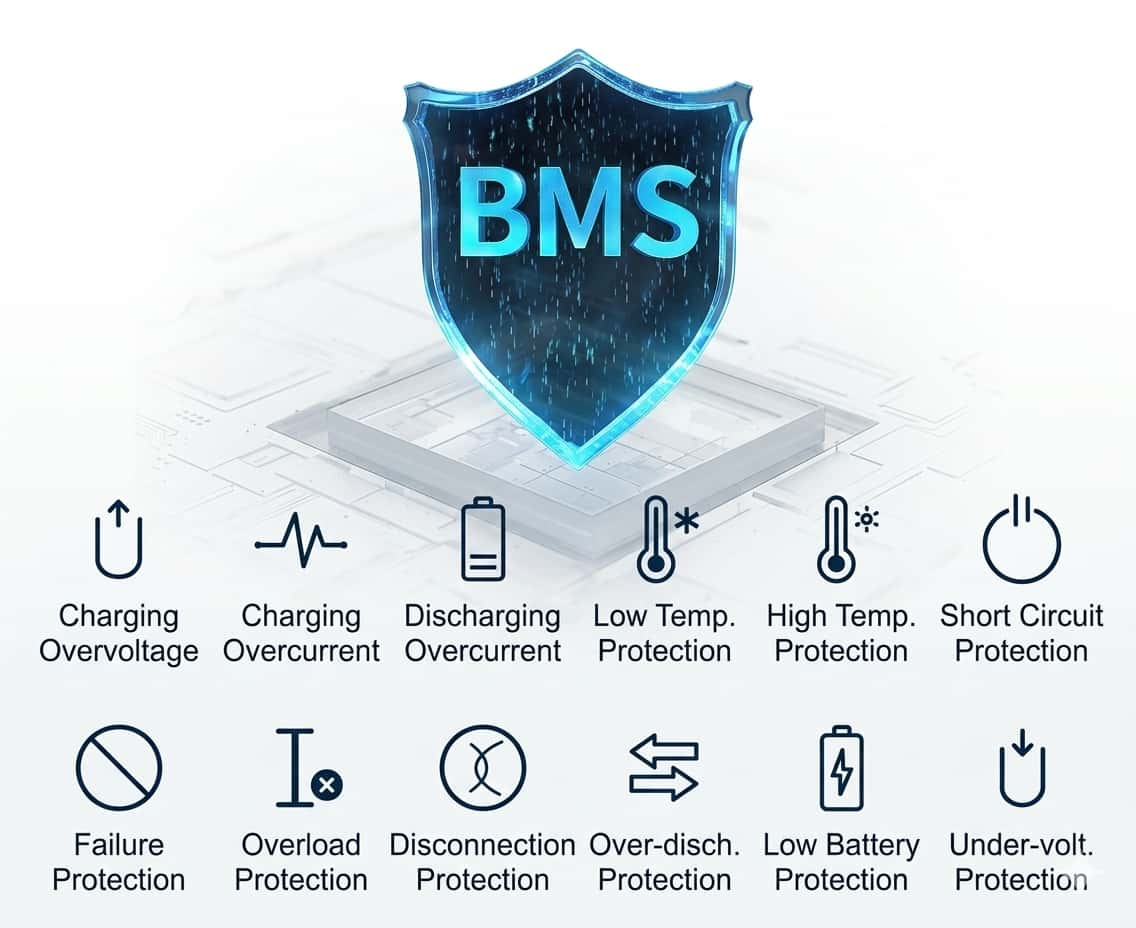
360° Safety: The "Sentinel" BMS
Advanced Smart BMS Protection
- Over-current protection
- Over-discharge protection
- Low-power protection
- High & low temperature protection
- Overload protection
- Short-circuit protection
- Automatic disconnection protection
Core Advantages
Deep OEM & ODM Customization


Certificate
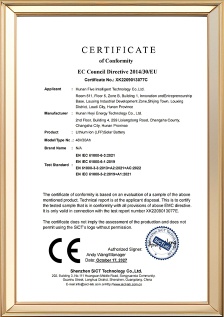
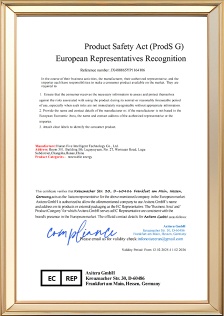
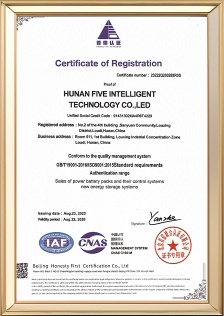
Pre-integrated UN38.3, GPSR, CE, MSDS, ISO9001,and other certifications to shorten market access cycles
Wholesale Process
01.
02.
03.
04.
05.
06.
07.
08.
Quality Control
FAQ
Q1: What battery type is commonly used in low-speed electric vehicles?
Q2: What are the advantages of LiFePO4 batteries over lead-acid batteries?
Q3: Can a LiFePO4 battery replace an AGM or lead-acid battery?
Q4: How should a low-speed EV battery be matched with the motor and controller?
Q5: Can FEBATT customize low-speed EV batteries for OEM or ODM projects?
Q6: What BMS protection and communication functions are available?
Q7: How long does a LiFePO4 low-speed EV battery last?
Q8: Does a low-speed EV lithium battery require a compatible charger?
Q9: What testing and compliance documents can FEBATT provide?
Q10: 10.How do FEBATT low-speed EV batteries perform in hot and cold conditions?
IGNITE YOUR COUNTRY'S LITHIUM BATTERY & ENERGY STORAGE MARKET WITH FEBATT


We have already successfully supported partners across multiple regions in achieving brand growth and increasing profitability. Whether you are a systems integrator, electrical distributor, or entrepreneur looking to build your own brand, FEBATT is your reliable partner, offering stable products and flexible cooperation mechanisms.

Partner with us to deliver reliable energy solutions for businesses and build a sustainable green energy future together.

Ready to Partner with FEBATT?
Join hundreds of B2B partners worldwide who trust us for reliable lithium battery solutions.