An automated guided vehicle can complete every assigned route yet still miss a warehouse’s throughput target when several units need the same charging bay. For two- and three-shift operations, AGV battery charging systems must replace energy during realistic idle windows, not merely advertise high charging power. OEMs and fleet managers need compatible batteries, docking interfaces, and dispatch rules that keep material moving without repeated manual intervention.
Which AGV Battery Charging Systems Suit Different Workflows?
A small single-shift fleet may tolerate scheduled charging. Busy assembly and distribution fleets usually need more frequent, shorter top-ups. Compare the operational trade-offs before buying charging hardware:
| Approach | Appropriate fleet situation | Main limitation |
|---|---|---|
| Manual battery exchange | Small fleets or sites without fixed docking locations | Spare packs, handling labor, and swap procedures |
| Automatic contact charging | Repeatable warehouse routes with predictable idle periods | Dock alignment, contact wear, and charger queues |
| Inductive charging | Sites where exposed contacts are undesirable | Higher equipment cost and installation-specific losses |
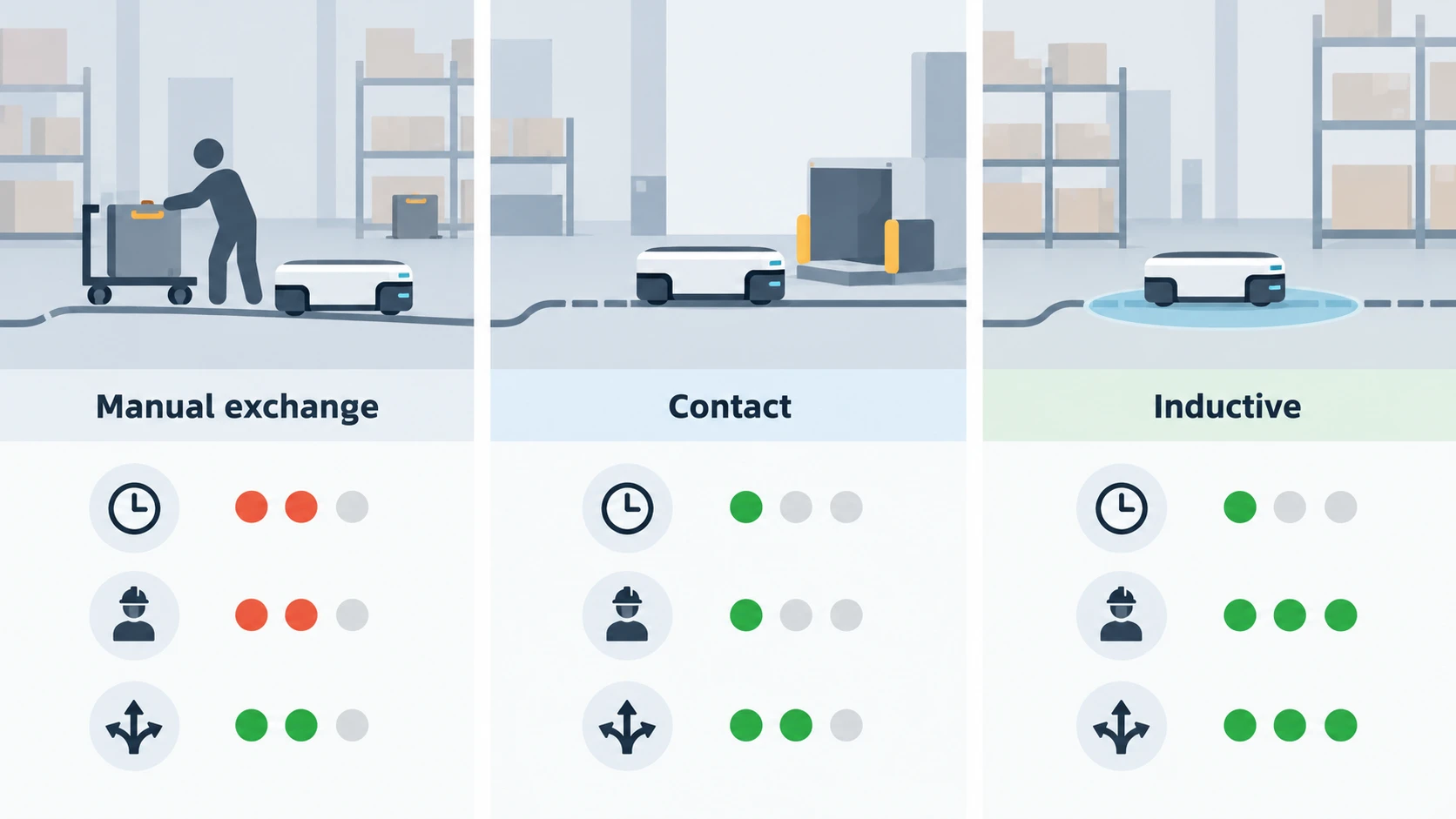
None is universally best. For fleet retrofits, start with the differences between dedicated AGV batteries and standard packs, then check whether existing docks and controllers can support the intended charging method. An automatic dock cannot fix an incompatible battery interface.
Why Does LiFePO4 Suit AGV Battery Charging Systems?
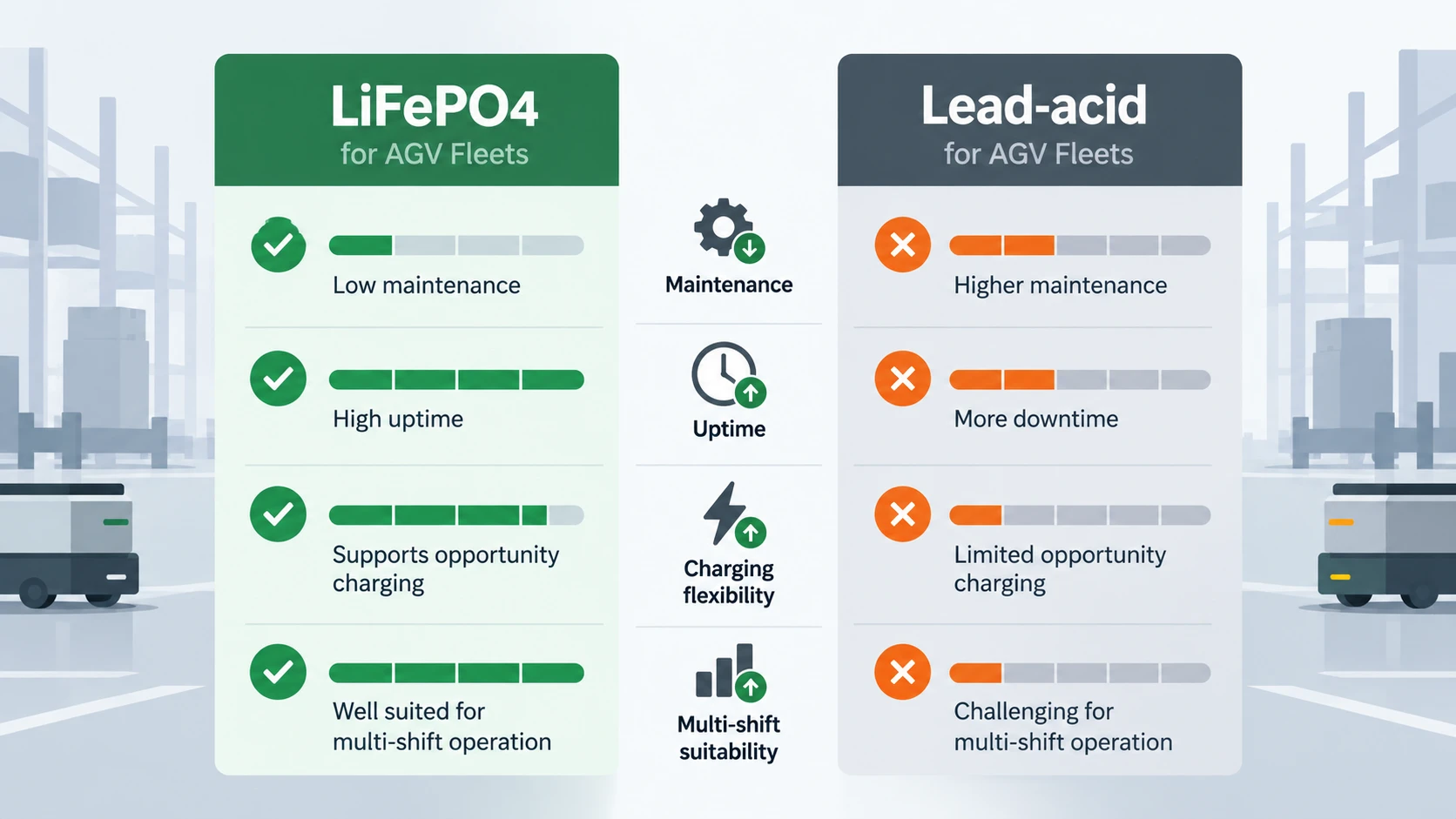
For high-utilization AGVs, lithium iron phosphate (LiFePO4) generally offers lower routine maintenance than flooded lead-acid batteries and can support approved partial-charge sessions between missions. This makes AGV battery charging systems easier to integrate into multi-shift schedules without planning every vehicle around a prolonged full-charge stop.
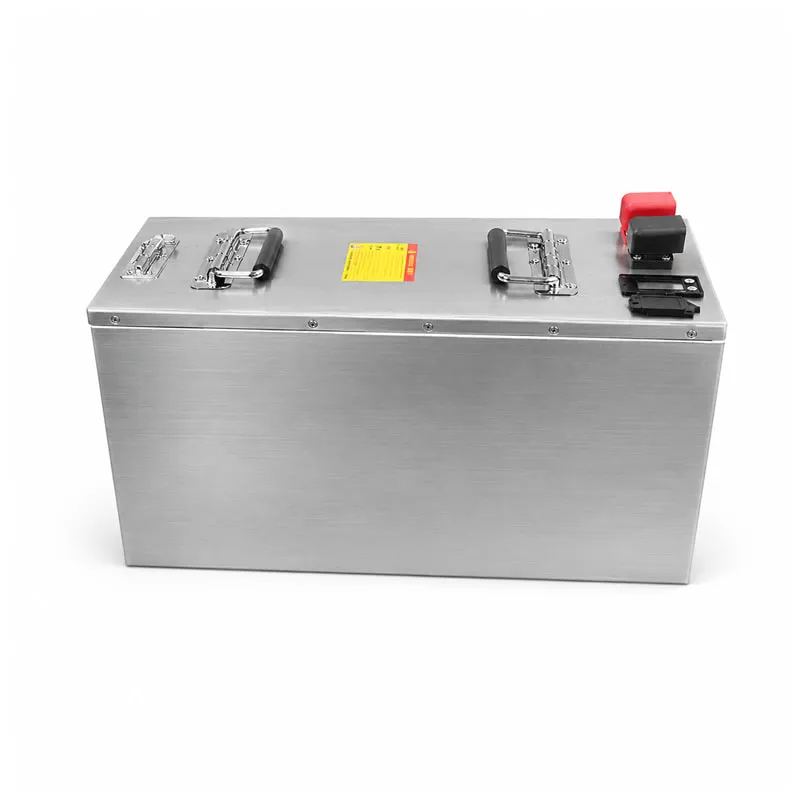
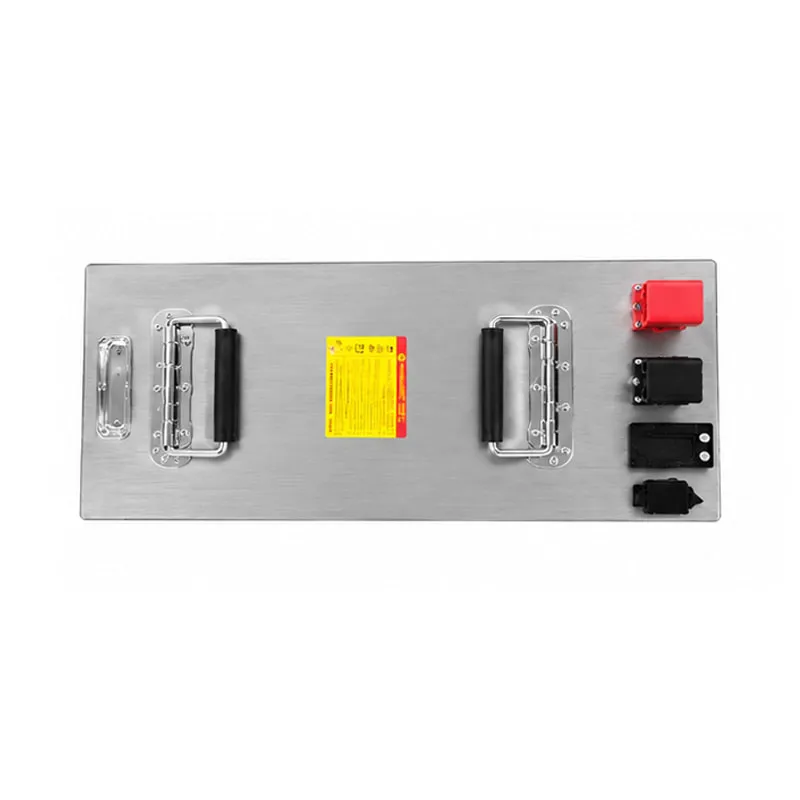
LiFePO4 makes AGV battery charging systems more flexible, but safety limits still apply. The battery management system (BMS) must enforce temperature, current, and state-of-charge restrictions. As a concrete example, FEBATT’s LiFePO4 battery for industrial AGVs publishes a 50 A continuous charging limit at 23°C and CAN/RS485 interface options. That is a model-specific specification, not a promised charging time for every vehicle. Buyers should request the permitted charge-current range across temperatures and states of charge.
How Should AGV Battery Charging Systems Match Charging Windows?
Consider a planning example for AGV battery charging systems: a vehicle needs 0.8 kWh replenished during a 20-minute production pause. Its battery must accept an average 2.4 kW over that window (0.8 ÷ 20/60). Real charging may take longer because of conversion losses, thermal limits, or current taper near high state of charge. The calculation is illustrative, not a measured fleet result.
Before approving AGV battery charging systems, gather actual route energy, pause lengths, peak charging demand, and the time spent docking. A charger with sufficient nameplate power can still underperform if the BMS limits current or the robot arrives too late. Reserve charging opportunities for critical routes rather than relying on every break being available.
How Can OEMs Prevent Failures in AGV Battery Charging Systems?
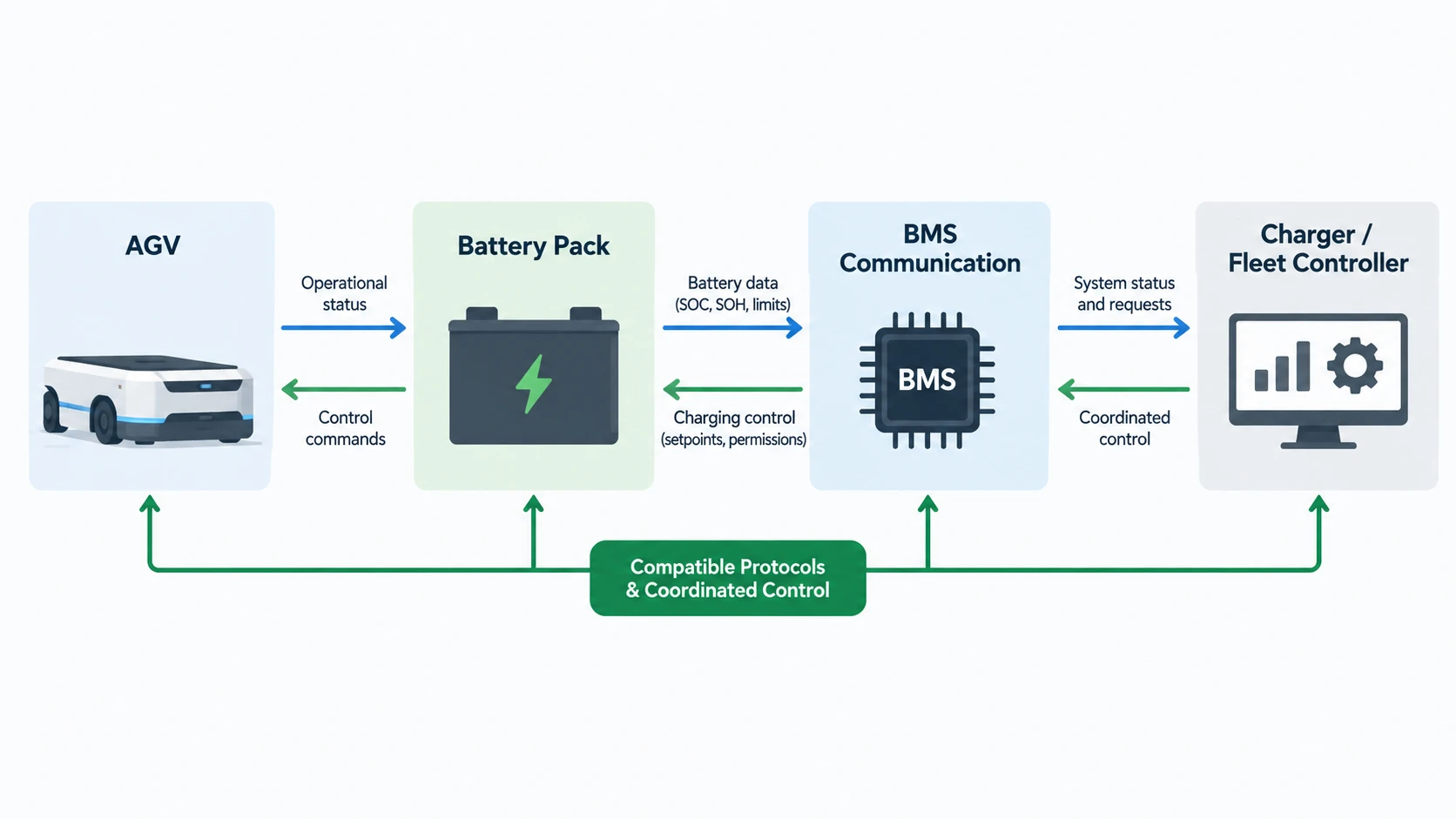
In AGV battery charging systems, the hidden failure is often coordination, not capacity. A docking contact may close while the charger receives no valid permission to start; a BMS may correctly restrict current while the fleet controller interprets the delay as a failed charge.
For AGV battery charging systems, agree on connector polarity, current limits, charge-enable signals, CAN/RS485 message definitions, fault codes, and recovery after communication loss. In FEBATT’s South Korean AMR integration project, the customer required RS485 communication, dedicated charging terminals, and a 1C charging target; packs and charging stations were tested together before production. These are documented project requirements, not universal performance guarantees. AGV battery charging systems must be validated as complete assemblies.
Battery safety should also be specified separately from vehicle automation. IEC 62619:2022 addresses industrial lithium battery safety and explicitly includes AGVs among its motive applications. Request test evidence relevant to the actual pack configuration rather than assuming compliance from the chemistry alone.
What Should OEMs Require When Buying AGV Battery Charging Systems?
An RFQ for AGV battery charging systems should state shifts, fleet size, loaded routes, available docking minutes, charger locations, permitted charge current, BMS protocol, and ambient conditions. Buyers should also specify the number of available charging docks, expected station occupancy, peak charging demand, and acceptable queue time to confirm that charging capacity matches fleet utilization.Require a joint battery–vehicle–charger acceptance test that demonstrates successful docking, controlled charging, fault shutdown, and restart after interruption. Include spare-part interchangeability and engineering-change control in the commercial terms.
When comparing AGV battery charging systems, budget for spare batteries, station maintenance, installation, downtime, and expected replacement intervals—not only charger and pack prices. This power battery solutions for industrial fleets supports OEM and fleet projects through application-specific LiFePO4 battery packs, BMS configuration, and battery-to-charger interface integration. Charging-station requirements should be evaluated alongside the selected battery and vehicle controls.
What Do Buyers Ask About AGV Battery Charging Systems?
Q: Can AGV Battery Charging Systems Charge Between Missions?
A: Yes. With suitable docking equipment, compatible BMS controls, and scheduling software, AGVs can top up during available idle periods. Confirm how the vehicle returns to service and what happens after a missed dock.
Q: How long does it take to charge an AGV battery?
A: There is no fixed duration. Charging time depends on usable energy to replace, the pack’s permitted current, charger output, temperature, and state-of-charge taper. Calculate the required energy against the actual time window and verify it in a vehicle trial.
Q: Is LiFePO4 better than lead-acid for continuous AGV fleets?
A: Often, yes. LiFePO4 avoids watering and supports approved opportunity charging, which can reduce labor and planned charging interruptions. Compare complete operating costs and confirm the charger, BMS, and vehicle controls are compatible before switching.
Q: Can existing AGVs use new automatic charging stations?
A: Sometimes. AGV battery charging systems need matching electrical ratings, docking geometry, contact protection, communication behavior, and safe stop conditions. A voltage match alone does not establish compatibility; validate representative vehicles before ordering fleet-wide equipment.
Q: Why Do AGV Battery Charging Systems Fail at a Dock?
A: Common causes include misalignment, dirty contacts, blocked charge permission, incompatible protocols, temperature restrictions, or unavailable stations. Capture event logs from the battery, charger, and fleet controller to distinguish a hardware fault from a scheduling problem.