A practical introduction for battery manufacturers, charging and swapping operators, equipment owners, and technical teams to improve equipment safety, operational efficiency and asset management.
As lithium batteries become increasingly integrated into electric vehicles, industrial equipment, charging infrastructure and battery swapping systems, businesses face growing challenges in safety, equipment monitoring and operational management.
A Battery Management System (BMS) monitors battery conditions. Vehicle controllers provide operating information. Charging stations record charging activities, while battery swapping systems manage battery circulation.
However, these systems often operate independently, making it difficult for businesses to obtain a complete view of equipment conditions, identify developing risks and coordinate operational decisions.
For manufacturers and operators, several important questions arise:
- How can battery, vehicle and charging equipment data be connected?
- How can potential safety risks be identified before they escalate?
- How can equipment faults be diagnosed more efficiently?
- How can real operating data improve maintenance, operations and product development?
Addressing these challenges requires more than collecting and displaying equipment data.
It requires an intelligent system that connects information, analysis, decision-making and operational responses.
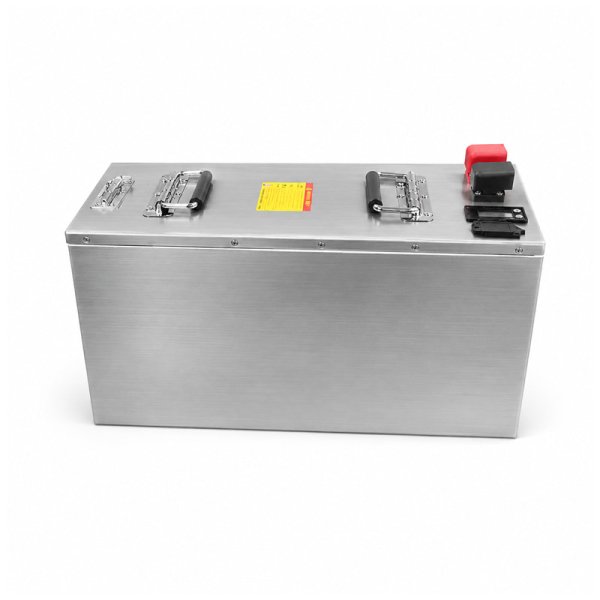
FEBATT is a lithium battery solutions brand under Aiskylightor, specializing in lithium battery solutions for diverse applications.
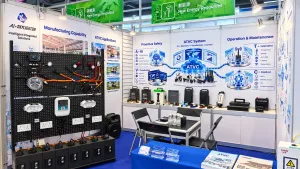
Beyond lithium battery solutions, Aiskylightor has developed ATVC (AI + Telemetry + Visualization + Control), an intelligent safety and operations management system designed to connect physical assets, equipment data and operational workflows.
ATVC helps businesses move beyond isolated device monitoring toward proactive safety, intelligent diagnostics and more coordinated operations.
1. What Is ATVC?
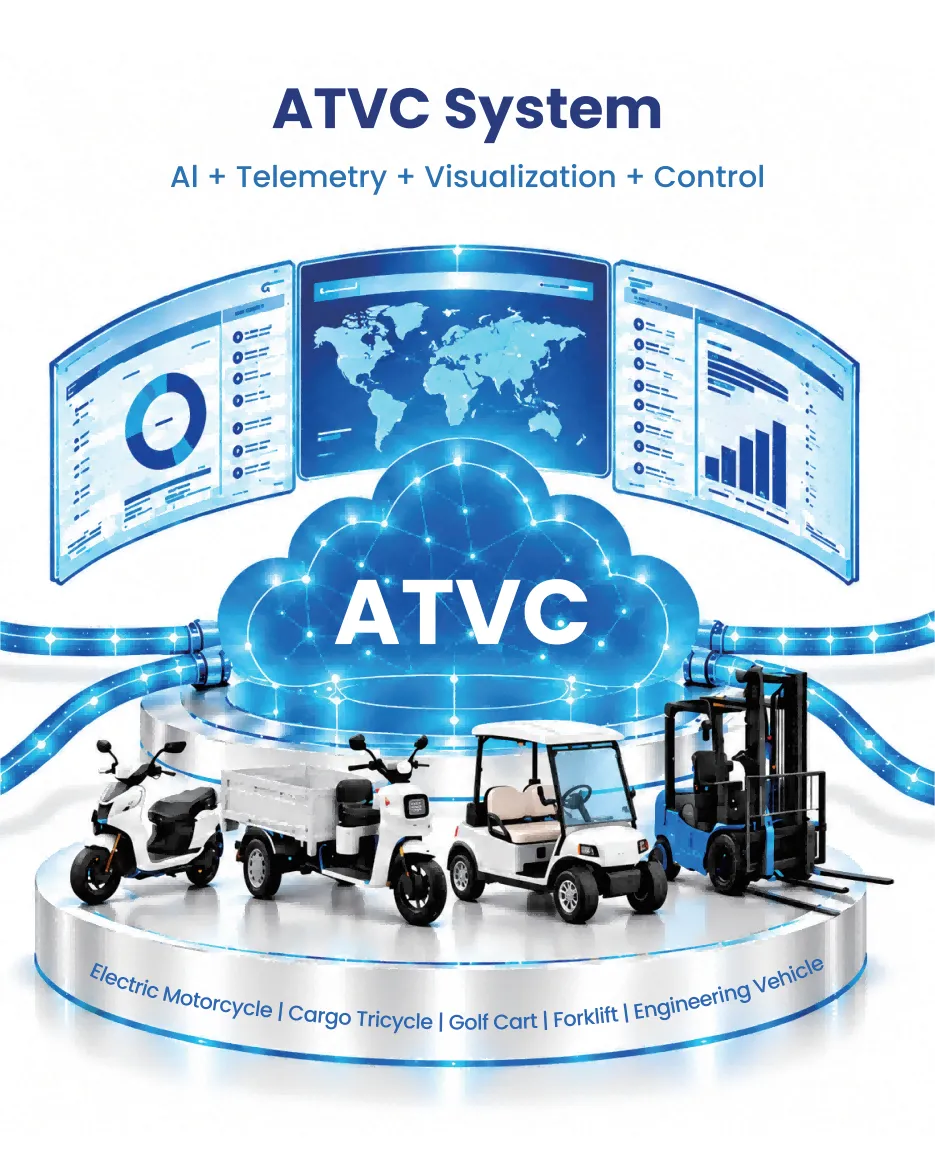
ATVC stands for AI + Telemetry + Visualization + Control.
It is an intelligent safety and operations management system that brings together equipment connectivity, data intelligence, visualization and authorized control.
Rather than focusing on a single device or application, ATVC connects information from compatible batteries, vehicles, charging systems, battery swapping equipment, IoT devices and business systems.
Its purpose is to transform equipment data into meaningful insights that support safety, operations, maintenance and long-term asset management.
ATVC integrates four essential elements.
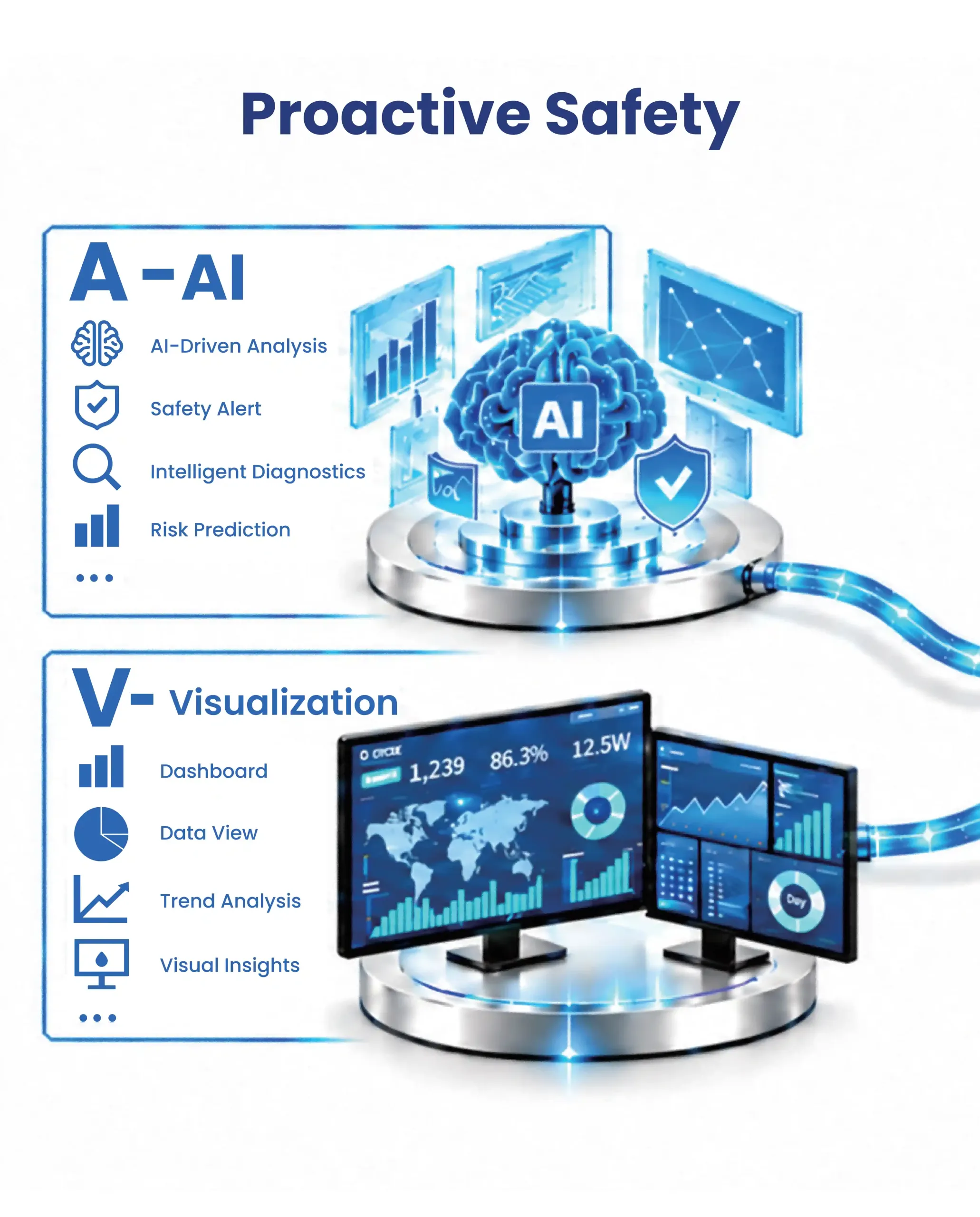
AI — Artificial Intelligence
AI and analytical methods process connected equipment information to identify anomalies, support intelligent diagnostics and assess developing risks.
By examining operating patterns and historical data, ATVC helps businesses understand equipment conditions and make more informed decisions.
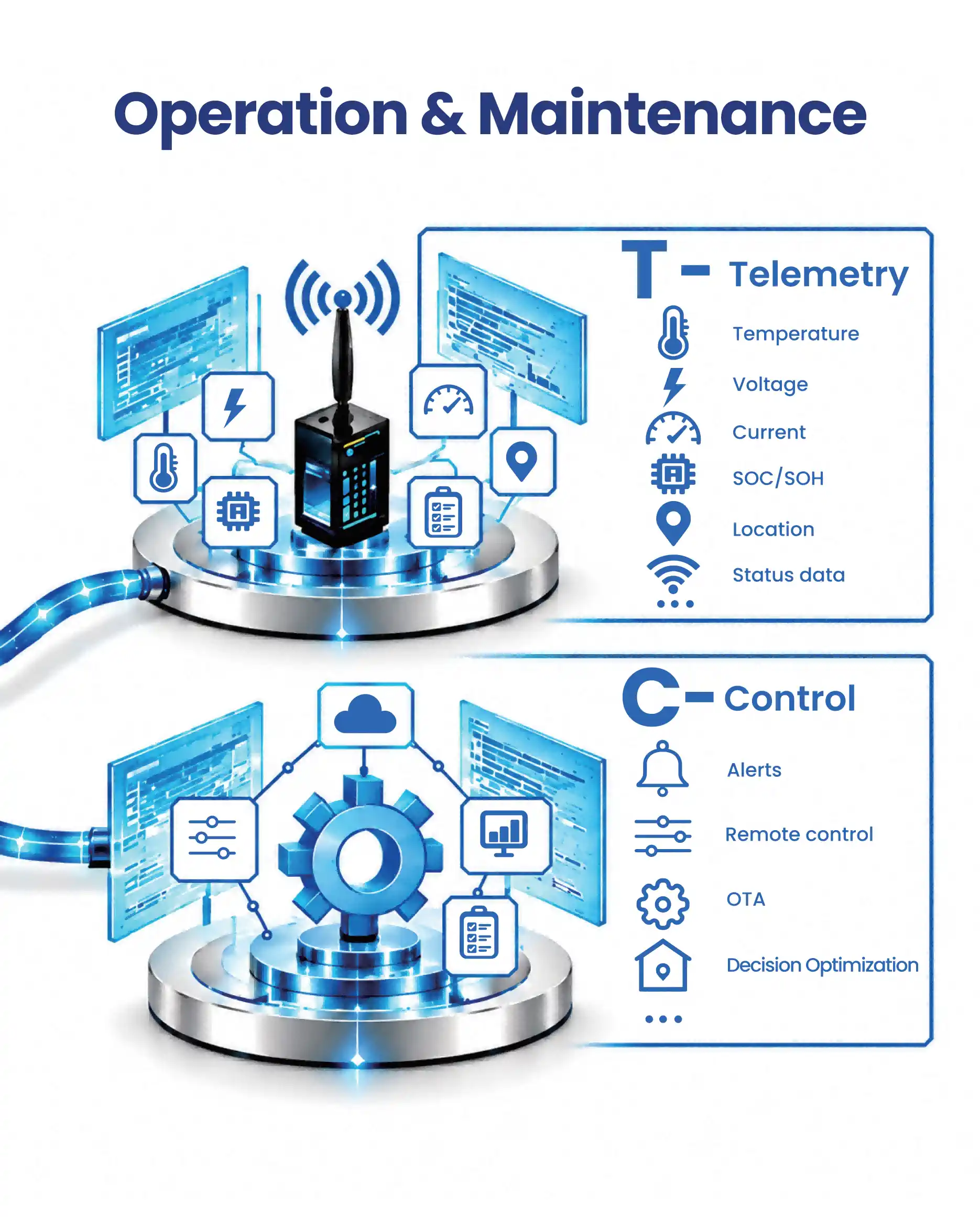
Telemetry — Real-Time Data Acquisition
Telemetry connects equipment with the system through supported communication interfaces.
Relevant information may include voltage, current, temperature, State of Charge (SOC), State of Health (SOH), cycle count, equipment location, operating status and fault records.
Visualization — Clear and Actionable Insights
It transforms connected data into accessible dashboards, equipment status views, alerts and operational trends.
This makes complex technical information easier for authorized users to understand and apply.
Control — Authorized Operations and Decisions
It supports permitted responses through compatible equipment interfaces and operational workflows.
Depending on the implementation, these may include remote diagnostics, maintenance coordination, notifications and authorized equipment operations.
Together, these capabilities establish a connected intelligence framework.
ATVC transforms real-time asset data into intelligent insights, proactive safety and efficient operations.
2. How Does ATVC Work?
ATVC follows a continuous intelligent management process:
Sense → Analyze → Predict → Decide → Execute → Feedback
This process connects equipment information with intelligent analysis, operational decisions, appropriate actions and ongoing improvement.
Step 1: Sense — Collect Equipment Data
It collects relevant information from connected batteries, vehicle controllers, charging and swapping equipment, IoT devices and business systems.
This provides visibility into equipment conditions and operating activities.
Step 2: Analyze — Understand Equipment Conditions
Collected data is integrated and analyzed to identify abnormal behavior, investigate faults and evaluate equipment health.
Instead of relying only on individual readings, ATVC can examine relationships between relevant operating parameters and historical conditions.
Step 3: Predict — Identify Developing Risks
By analyzing current readings and historical trends, it supports the assessment of developing risks and abnormal patterns.
This helps businesses recognize potential problems earlier and prepare appropriate responses.
Step 4: Decide — Support Intelligent Decisions
Based on analytical results, it supports relevant alerts, maintenance recommendations and operational decisions.
These decisions can be coordinated according to equipment capabilities, operational requirements and configured permissions.
Step 5: Execute — Connect Decisions With Actions
Where compatible interfaces and permissions are available, it supports permitted operational responses, remote actions or maintenance-related workflows.
Equipment-level safety protection remains governed by the relevant device protection mechanisms.
Step 6: Feedback — Support Continuous Improvement
New operating readings, service records and execution results provide additional information for further analysis.
This creates a continuous feedback process that supports better operational management and engineering improvement.
From data acquisition to intelligent control, ATVC builds a continuous digital loop.
3. What Business Problems Can ATVC Help Solve?
The value of ATVC extends beyond equipment monitoring.
By connecting equipment information with intelligent analysis and operational workflows, it supports six important areas of business value.
1. Proactive Safety — Recognize Risks Earlier
Traditional monitoring systems often rely on predefined thresholds to trigger alarms.
ATVC combines connected operating data, anomaly identification and trend assessment to support earlier recognition of developing risks.
For example, abnormal battery temperature behavior can be assessed alongside voltage, current and operating history to provide additional context for risk evaluation.
It also supports coordination with compatible device-level protection and safety systems, helping businesses establish a more connected approach to safety management.
Customer benefit: Earlier risk visibility, better information for safety decisions and improved coordination of appropriate responses.
2. Intelligent Diagnostics — Understand Equipment Problems
When equipment experiences abnormal behavior, a single fault code may not provide enough information to understand the cause.
ATVC connects fault records with relevant operating conditions and historical data to support more comprehensive diagnostics.
This helps technical teams investigate equipment behavior, assess potential problems and make more informed maintenance decisions.
Customer benefit: Better troubleshooting information, improved maintenance coordination and more effective equipment health assessment.
3. Engineering Data Enablement — Improve Products Through Real Operating Data
Equipment performance in real applications can differ from laboratory testing conditions.
ATVC connects available field operating information with engineering analysis, helping manufacturers examine product performance, recurring faults and operating trends.
This information can support product validation, fault investigation and design improvements.
Customer benefit: Real-world operating evidence that supports engineering decisions and product development.
4. Intelligent Operations — Improve Operational Visibility
Managing connected equipment requires more than knowing whether individual devices are functioning.
Businesses also need to understand equipment utilization, asset allocation, charging activities and operational performance.
ATVC connects relevant equipment and business information to support operational analysis and coordinated management.
Customer benefit: More informed operational decisions, improved resource visibility and better coordination across connected assets.
5. Intelligent Maintenance — Connect Equipment Health With Service
Maintenance teams need reliable information to determine which equipment requires attention and what actions have already been taken.
ATVC supports connections between equipment health information, fault history, diagnostic findings and service records.
Where supported, remote diagnostic and authorized maintenance workflows can also be integrated.
Customer benefit: More informed maintenance planning, better service coordination and traceable maintenance records.
6. Full-Lifecycle Asset Management — Understand Assets Over Time
Equipment generates valuable information throughout manufacturing, deployment, operation, maintenance and eventual retirement.
ATVC uses a unified asset information model to connect relevant equipment identity, health status, operating history and maintenance records.

This provides a more consistent view of physical assets throughout their lifecycle.
Customer benefit: Greater asset visibility, improved traceability and better information for lifecycle management decisions.
Together, these six areas help businesses connect safety, intelligence, operations, maintenance and engineering improvement within a coordinated management framework.
4. How Does ATVC Connect Different Equipment?
One of ATVC’s important advantages is its ability to work across different connected equipment categories.
Instead of limiting information management to a single hardware product, ATVC provides a common framework for connecting compatible devices and operational systems.

Lithium Battery Systems
It connects relevant BMS information, including battery voltage, current, temperature, SOC, SOH, cycle count and fault data.
This supports battery condition visibility, health assessment, intelligent diagnostics and safety-related analysis.
Vehicles and Industrial Equipment
Compatible vehicle controllers and connected devices provide operating data, equipment status and fault information.
These records can support equipment monitoring, diagnostics and maintenance analysis across relevant vehicle and industrial applications.
Charging Equipment
Connected charging infrastructure provides information about equipment status, charging activities, operating events and relevant alerts.
It helps associate these records with broader equipment and operational information.
Battery Swapping Systems
Battery swapping operations involve battery circulation, station status, operational activities and relevant transaction records.
It supports the connection of equipment information with swapping operations and associated management workflows.
IoT Devices and Business Systems
IoT devices and supported business interfaces extend visibility into relevant location information, connectivity status, equipment records and operational processes.
Depending on equipment compatibility, communication may involve CAN, RS485/UART, LTE, JT/T 808 over TCP, validated private protocols, MQTT or supported system interfaces.
The advantage is not simply connecting more devices. It is connecting equipment information with the intelligence and workflows needed to manage them effectively.
5. What Should B2B Buyers Check Before Evaluating ATVC?
Safety management is a central part of ATVC.
In connected equipment operations, abnormal readings can develop gradually, and isolated alarms may not provide enough context for an effective response.
ATVC supports a layered safety management approach involving:
- Equipment Monitoring:Collecting relevant operating and status information.
- Anomaly Identification:Recognizing unusual readings and operating behavior.
- Risk Assessment:Evaluating developing trends and potential equipment risks.
- Proactive Alerts:Providing timely information to support investigation and response.
- Authorized Actions:Coordinating permitted operational responses where supported.
- Traceable Records:Connecting alerts, service activities and outcomes with equipment history.
It can also work alongside compatible equipment-level protection and safety mechanisms, including relevant BMS protection functions and supported fire-safety monitoring interfaces.
These functions remain subject to the capabilities and configuration of the connected equipment.
ATVC does not replace essential hardware protection, safety interlocks or required safety procedures.
Its value lies in connecting safety-related information with intelligent analysis and coordinated operational responses.
6. Which B2B Customers Can Benefit from ATVC?
ATVC is relevant to businesses that manufacture, operate, own or service connected equipment.
Its applications extend beyond batteries to broader equipment and operational ecosystems.
Battery and Equipment Manufacturers
Manufacturers need to understand product behavior after equipment enters real operating environments.
ATVC connects available operating information with diagnostic and engineering analysis, supporting fault investigation, performance evaluation and product development.
Business value: Better information for engineering validation, quality improvement and product optimization.
Charging and Battery Swapping Operators
Charging and swapping operators manage equipment status, battery circulation, operational activities and safety-related information.
ATVC supports connected monitoring and management workflows across compatible charging and swapping infrastructure.
Business value: Greater operational visibility, more coordinated maintenance and better information for managing equipment networks.
Fleet and Rental Operators
Electric two-wheelers, electric three-wheelers and other connected vehicle fleets involve multiple assets operating across different locations.
ATVC can support equipment status monitoring, utilization analysis, maintenance coordination and relevant vehicle and battery information management.
Business value: Better visibility into connected assets and more informed fleet operations.
Equipment Owners and Service Providers
Equipment owners and service organizations need relevant equipment health information, maintenance records and diagnostic insights.
ATVC helps connect these information sources to support troubleshooting and service workflows.
Business value: Better equipment health visibility and more coordinated maintenance operations.
Dealers and Business Networks
Authorized business partners may need access to relevant equipment information, service activities, asset allocation and operational records.
ATVC supports role-based access and relevant management workflows according to the application.
Business value: More consistent operational information across authorized business participants.
7. How Is ATVC Different From Traditional Monitoring Systems?
ATVC is not simply a battery monitoring platform, an IoT connectivity service or a conventional fleet management system.
These technologies serve different purposes.
A Battery Management System (BMS) performs battery-level monitoring and protection.
An IoT system enables devices to transmit and exchange information.
A Fleet Management System focuses on vehicle and fleet operations.
ATVC connects relevant equipment data with AI-supported analysis, visualization, authorized control and broader operational workflows.
The distinction is important.
Traditional monitoring may answer the question:
“What is happening to this device?”
ATVC is designed to help businesses address additional questions:
“Why is it happening, what risks may be developing, what response is appropriate, and how can this information improve operations?”
By connecting safety, diagnostics, operations, maintenance and engineering information, ATVC helps organizations move toward more coordinated, data-informed management.
8. From Connected Data to Long-Term Business Value
As connected equipment becomes more common, collecting data alone is no longer sufficient.
Businesses need reliable ways to understand operating conditions, identify risks, coordinate responses and use information to improve decisions.
For manufacturers, ATVC can provide operating evidence that supports engineering analysis and product development.
For operators, it connects relevant equipment and business information to support safety and operational management.
For service organizations, it provides a framework for connecting equipment health, diagnostics and maintenance records.
Across these applications, ATVC helps build a more connected approach to equipment safety, intelligence and lifecycle management.
ATVC enables proactive safety, intelligent operations and full-lifecycle asset management.
9. Explore ATVC for Your Equipment and Operations
FEBATT, as a lithium battery solutions brand under Aiskylightor, specializes in lithium battery solutions for diverse applications.
ATVC represents Aiskylightor’s broader intelligent safety and operations management technology, extending beyond individual battery systems to connect physical assets, intelligent analysis and operational workflows.
Whether you are developing lithium battery products, managing connected equipment or exploring intelligent safety and operational management solutions, the FEBATT team welcomes your inquiries and project requirements.
Contact FEBATT to discuss ATVC, your application requirements or customized lithium battery solutions.
For more detailed information about ATVC’s architecture, technologies and applications, you can also explore ATVC on the official Aiskylightor website.