A lead acid battery can still look like the cheaper choice on the shelf, but the real cost of ownership is usually more complicated than the sticker price. If you care about long-term value, lifespan, maintenance, charging efficiency, and how often you have to replace the system, a battery lead acid battery comparison may show that the cheapest option upfront is not always the best value.
What does “saving more” really mean over the life of a battery?
When people compare a battery lead acid battery with LiFePO4, they usually focus on purchase price. That is understandable, but it only tells part of the story. Saving more in the long run means looking at total cost, not just the money you hand over on day one. A lead acid battery may cost less initially, but if it needs more maintenance, charges less efficiently, and wears out sooner, the actual cost per year can climb fast.
The better question is not “Which one is cheapest today?” It is “Which one gives me the most useful service for the money?” A lead acid battery can be a perfectly reasonable option in the right setting, but it often loses ground when you measure the full ownership cycle. That includes charging losses, replacements, downtime, labor, storage issues, and the value of your time. Once those pieces are added up, the picture changes.
There is also the difference between nominal capacity and usable capacity. A lead acid battery often cannot be discharged deeply without shortening its life, which means you may pay for energy you never really get to use. LiFePO4 is more forgiving in that regard. So when you compare the two fairly, you are not just comparing chemistry. You are comparing how much of the battery’s promise actually turns into real-world power.
Why does a battery lead acid battery seem cheaper at checkout?
A battery lead acid battery is usually less expensive to buy at the beginning, and that is the biggest reason it still has a large market. If you only need a basic power source for a starter battery, backup unit, or a low-budget system, the lower upfront price can feel attractive. It is easy to see the appeal: spend less now, get power today.
But the checkout price is only one line in the cost sheet. A battery lead acid battery often comes with more frequent replacement cycles, slower charging, and lower usable capacity. Over time, those factors can erase the initial savings. A cheaper battery that has to be replaced several times may end up costing more than a more expensive battery that lasts far longer.
Here is why the upfront price can be misleading:
- A lead acid battery usually has a lower purchase cost.
- It may require more frequent replacement.
- It often loses performance faster when used deeply.
- Charging losses can add hidden electricity costs.
- Maintenance can create extra time and labor costs.
- Storage and backup issues can reduce the battery’s practical value.
That list is why so many buyers end up surprised later. A lead acid battery looks like a bargain until the system starts aging. Then the original savings begin to disappear one replacement at a time. The price tag matters, of course, but it should not be the only number you look at.
A lot depends on the application too. A lead acid battery in a vehicle that runs every day may behave differently from one used only occasionally in a backup role. Still, the same pattern shows up again and again: low purchase price, higher long-term friction. That is the tradeoff. LiFePO4 asks for more money at the beginning, but it often gives more back across the years.
How do lifespan and cycle count change the math?
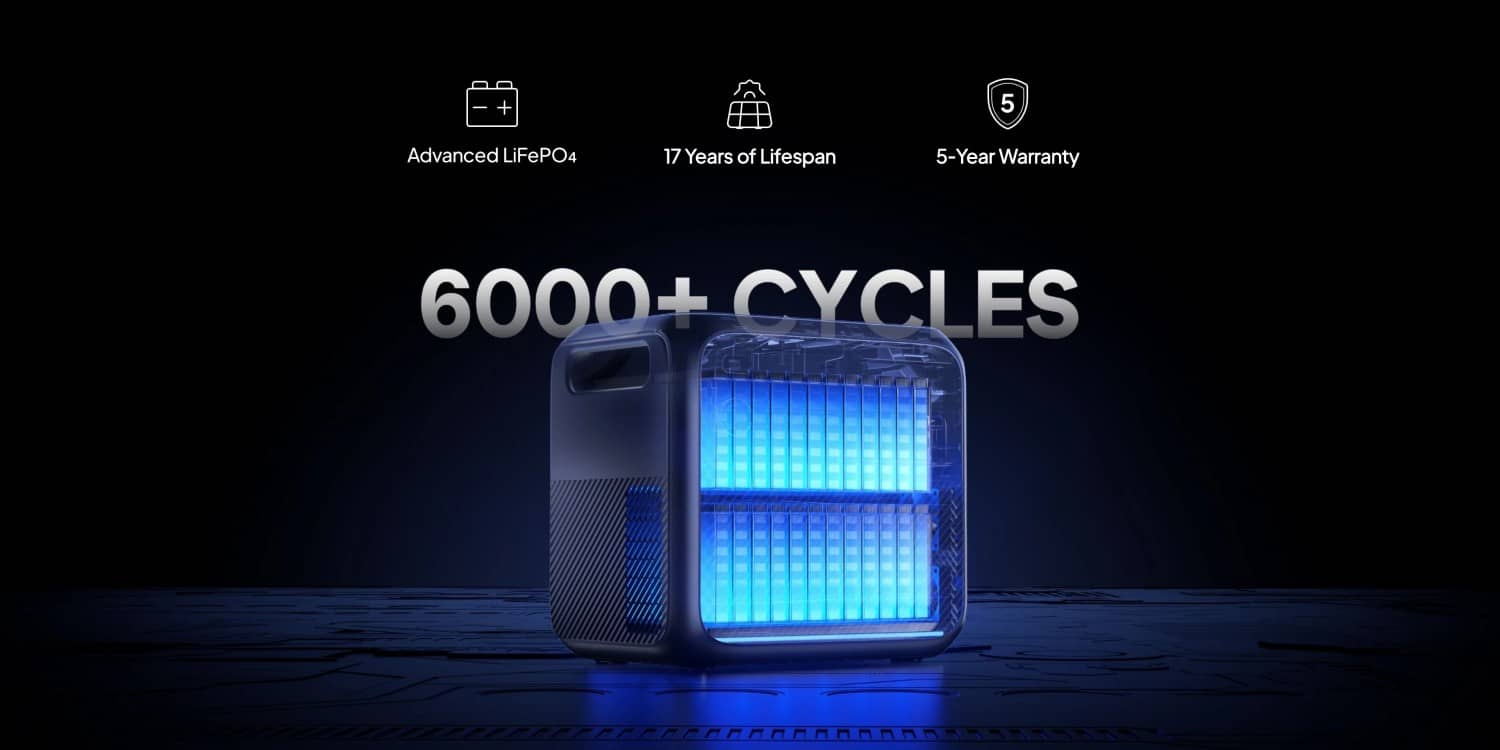
Lifespan is where the comparison starts to get serious. A lead acid battery typically has a much shorter cycle life than LiFePO4, especially if it is regularly discharged deeply. That does not mean a battery lead acid battery is useless. It means the battery wears out faster under the same kind of use. If you are replacing a lead acid battery every few years, while a LiFePO4 pack keeps going much longer, the math shifts quickly.
Cycle count matters because each full charge and discharge takes a little more life out of the battery. A lead acid battery is more sensitive to deep cycling than LiFePO4. If you only use a shallow portion of the capacity each time, it can survive longer. But if your system regularly asks for a lot of power, the battery ages faster. That is one reason off-grid users, RV owners, and solar users often move away from lead acid battery setups after gaining some experience.
The practical difference shows up in how often you have to buy again. A lead acid battery may offer a lower entry cost, but if you need three or four replacements during the life of one LiFePO4 battery, the long-term total can become much higher. This is not a theory problem; it is a cash-flow problem. Every replacement means money, labor, and often some downtime.
A simple way to think about it is this:
- More cycles = more value over time.
- Fewer cycles = more repeat spending.
- A lead acid battery usually sits on the lower end of cycle life.
- LiFePO4 usually gives far more usable cycles.
- If you rely on the system often, cycle life becomes a major cost factor.
This is where many buyers change their mind. The lead acid battery may still be fine for light, occasional use, but once you calculate cost per cycle rather than cost per box, the story changes. A battery that lasts longer usually wins, even if it starts out more expensive.
Why does usable depth of discharge matter so much?
Depth of discharge is one of the most overlooked parts of the battery debate. A battery lead acid battery does not like to be drained too deeply on a regular basis. If you do that, its life shortens much faster. That means the rated capacity is not the same as the useful capacity. In practice, you often have to leave a large portion of a battery lead acid battery unused if you want to protect it.
LiFePO4 is different. It tolerates deeper discharge much better, which means more of its rated capacity is available for real use. That changes the value proposition in a big way. If you buy a battery, you want to use the battery. A lead acid battery that gives you only part of its rating in daily service is less efficient from a user’s point of view, even if the label looks similar.
This is especially important in systems that run every day. If you are powering a camper, a fishing setup, a small home system, or a backup bank, the actual energy you can safely use matters more than theoretical capacity. A lead acid battery may be physically large enough, but if you can only use a portion of it without serious wear, the system becomes less practical and more expensive over time.
The effect on ownership cost is easy to miss. You may think you are buying 100 amp-hours, but if only part of that is comfortably usable, the effective cost per usable amp-hour rises. That is why LiFePO4 often looks better in real life than on paper. The battery delivers more of what you paid for.
A few common consequences of limited depth of discharge include:
- More batteries may be needed for the same usable energy.
- The lead acid battery may need earlier replacement.
- Backup systems can run shorter than expected.
- Daily cycling becomes harder to justify.
- Oversizing becomes necessary just to protect battery life.
That is the hidden math many buyers miss. A lead acid battery may look acceptable when measured by spec sheet, but once you measure how much power you can safely use, the value often drops. LiFePO4 simply gives more of the battery back to you.

How much energy does each battery waste?
Energy efficiency is another area where the two chemistries separate quickly. A battery lead acid battery tends to lose more energy during charging and discharging. Some of that is normal chemistry, some comes from charging characteristics, and some comes from the way the battery is used. In practical terms, more of your input power gets lost before it becomes useful output.
LiFePO4 is generally more efficient, which means less wasted electricity and more usable power per charge. That matters more than many people think, especially if the battery is charged often or the power comes from solar. Every bit of wasted energy has to be replaced somehow. If you are buying grid electricity, that means higher bills. If you are using solar panels, it means more panel area or more charging time. Either way, the battery lead acid battery can cost more to operate than it first appears.
The difference is noticeable in repeated daily use. A lead acid battery may require a longer absorption stage and more careful charging to reach full capacity. That means more time on the charger and more energy overhead. LiFePO4 usually charges faster and wastes less in the process. Over a year or several years, those small losses become real money.
If your battery is part of a larger system, this efficiency difference can affect the rest of the setup too. You may need more solar panels, a larger charger, or more generator runtime to support a lead acid battery bank. That is where the total system cost begins to rise. The battery itself is only one part of the equation.
In everyday language, the difference looks like this:
- A lead acid battery gives back less of the energy you put into it.
- LiFePO4 returns more of that energy to your loads.
- Charging losses add up quietly over time.
- Higher efficiency lowers operating cost.
- Better efficiency also reduces strain on the rest of the system.
That is why many users who first compare price later focus on efficiency. A lead acid battery may be cheaper to buy, but if it wastes more energy every day, it becomes less attractive month after month.
What maintenance does a lead acid battery demand?
Maintenance is one of the biggest reasons long-term ownership costs differ. A lead acid battery often requires regular attention, especially in flooded form. That may include checking electrolyte levels, topping up water, cleaning corrosion, and making sure the battery is charged correctly. Even sealed versions still need more care than most people expect. That care takes time, and time has value.
LiFePO4 is far simpler in that respect. In most applications, it is essentially a fit-and-forget battery compared with a battery lead acid battery. That does not mean it never needs attention, but it usually needs far less. For people running multiple batteries or systems, the labor savings alone can matter.
Here are some of the maintenance tasks commonly associated with a battery lead acid battery:
- Checking and topping off water in flooded batteries.
- Cleaning terminals and cables more often.
- Watching for sulfation after partial charging.
- Preventing prolonged undercharging.
- Monitoring equalization needs.
- Replacing batteries when performance falls off.
Those tasks do not always seem expensive individually, but they add up. A lead acid battery stored in a garage or used in an off-grid cabin may require regular checks just to stay healthy. If the system is easy to reach, that is manageable. If it is inconvenient or remote, the maintenance burden becomes more expensive than it first appears.
There is also the issue of human error. A lead acid battery can be damaged by neglect, overcharging, undercharging, or sitting unused too long. That means the battery’s lifespan is not only limited by chemistry; it is also limited by how carefully people remember to treat it. LiFePO4 is generally more forgiving in everyday ownership.
The hidden cost is not just parts and labor. It is also frustration. A battery that needs constant checking is not free, even if it was cheap on the shelf. That is where the lead acid battery often loses the comparison quietly but decisively.
What hidden costs do buyers overlook?
This is where the long-run cost picture gets interesting. A lead acid battery may look affordable, but hidden expenses often build up in the background. These are the costs people do not plan for when they compare boxes in a store or on a website. Yet they can easily determine the true winner over time.
Some of the most common hidden costs include:
- More frequent replacements
- Higher charging losses
- Extra maintenance labor
- More downtime when batteries fail
- Larger system size to protect the battery
- Disposal or recycling effort
- Reduced performance near the end of life
Each of these costs may seem small on its own. Combined, they can change the final bill dramatically. A battery lead acid battery that has to be swapped every few years in a high-use system may become a rolling expense. The replacement itself costs money, but so does the time spent installing it, checking it, and dealing with the old one.
There is also the cost of performance loss. A battery lead acid battery gradually becomes weaker, which can mean less runtime, slower support, and more inconvenience before it is officially “dead.” That in-between phase is costly because the battery is still in service, but it is no longer doing the job well. People often underestimate how annoying that stage can be.
In systems that depend on reliability, a weak battery can be expensive in very practical ways. If backup power fails during an outage, or if an RV battery does not hold up on a trip, the cost is not only financial. It can affect comfort, plans, and peace of mind. LiFePO4 usually reduces those problems because it stays more consistent for longer.
The lead acid battery still has a role, but it is much more likely to hide costs than advertise them. The more you depend on the battery, the more those hidden costs matter.
Where does LiFePO4 win in daily use?
LiFePO4 often wins in daily use because it behaves more predictably. A battery lead acid battery can work fine in low-duty settings, but repeated cycling, heavy loads, and incomplete charging begin to expose its limits. LiFePO4 is more stable, more efficient, and more comfortable in everyday service. That reliability matters when the battery is part of a routine rather than an emergency backup.
Daily use also magnifies small differences. If you charge and discharge a battery every day, the gaps in efficiency, lifespan, and usable capacity become hard to ignore. A battery lead acid battery may feel acceptable on paper, but in actual use it often sags earlier, takes longer to recharge, and requires more attention. LiFePO4 is usually better at delivering the same result day after day without drama.
A few day-to-day advantages stand out:
- Faster charging between uses
- More usable capacity per cycle
- Less voltage sag under load
- Better consistency as the battery ages
- Less maintenance between charges
- Lower replacement frequency
That last point is important. A lead acid battery may fit a budget today, but if it creates more frequent replacement cycles, the daily user ends up paying for that convenience later. LiFePO4 spreads the cost over a longer service life, which is why it often feels cheaper once the system is running regularly.
There is also a quality-of-life factor. People like systems that just work. A lead acid battery often asks for more monitoring, while LiFePO4 tends to stay in the background and do its job. That simplicity becomes valuable when the battery is part of a camper, a cabin, an off-grid shed, or a backup power system. The less time you spend thinking about the battery, the better the battery usually is.
When does a lead acid battery still make sense?
Even with all the advantages of LiFePO4, a battery lead acid battery is not obsolete. There are still plenty of situations where it makes sense. If the system is low-cost, lightly used, or expected to operate only occasionally, the lower purchase price can still be a rational choice. Not every application needs the longest cycle life or the highest efficiency.
A battery lead acid battery can still work well in cases like:
- Basic starter systems
- Infrequent backup use
- Very tight upfront budgets
- Simple equipment with low discharge demand
- Situations where weight is not important
- Temporary or seasonal setups
If the battery is not cycled often, the shorter lifespan matters less. That is one reason a lead acid battery remains popular in some conventional automotive and standby applications. The role is narrow, but it is real.
The key is matching the battery to the job. A lead acid battery is most sensible when the system is simple and the cost of failure is low. If you only need occasional service, the lower upfront price can be enough. But if the battery will be used often, deeply, or in a place where downtime is inconvenient, the value shifts toward LiFePO4 very quickly.
A lot of dissatisfaction comes from using the wrong battery in the wrong place. A lead acid battery that is pushed into a demanding daily-cycle role will probably disappoint. The same battery in a light-duty role may be perfectly fine. That is why it is better to think about use pattern first and chemistry second.
How do charging habits affect long-term spending?
Charging habits can make a huge difference in whether a lead acid battery lasts a reasonable amount of time or wears out too quickly. Undercharging is one of the biggest problems. A battery lead acid battery that is not brought to a proper full charge often develops sulfation, which harms capacity and shortens life. Overcharging is also harmful. The battery needs proper charging control to stay healthy.
LiFePO4 is generally less fussy about day-to-day charging behavior, although it still needs correct equipment and reasonable settings. That difference matters because many battery failures are not caused by the chemistry alone. They are caused by people using the battery in a way the chemistry does not like.
Good charging habits for a battery lead acid battery include:
- Charging fully when possible
- Avoiding long periods in a partially discharged state
- Using a charger matched to the battery type
- Preventing chronic deep discharges
- Checking settings for equalization if needed
- Storing the battery in a charged, healthy condition
Those steps may sound simple, but they require discipline. If you forget to charge a lead acid battery properly, it may cost you much more later. Every shortened cycle means more replacement risk. LiFePO4 gives users more breathing room, which reduces the cost of imperfect behavior.
That is one of the quiet reasons LiFePO4 often saves money in the real world. Not everyone charges batteries perfectly. Not every system gets the attention it should. A battery that tolerates ordinary use better often becomes the more economical one, even if it costs more to buy. A lead acid battery can still work, but it asks for more care to stay cheap.
What role do safety, storage, and temperature play?
Safety and storage matter because the battery is not only a product; it is a physical asset that lives in a real environment. A battery lead acid battery can handle some abuse, but it does not love heat, deep discharge, or long periods sitting in poor condition. Cold weather can reduce available performance, while heat can accelerate wear. Storage conditions affect lifespan more than many buyers realize.
LiFePO4 generally offers a more stable day-to-day experience, though it still has its own temperature limits. In many common uses, it is easier to store and manage with less concern. A battery lead acid battery usually needs more attention if it is left unused for long periods. Self-discharge, sulfation, and slow deterioration can become costly if the battery is not maintained properly.
Here are some practical storage and temperature realities:
- A lead acid battery dislikes chronic undercharging.
- Heat speeds up wear in both chemistries.
- Cold can reduce usable output.
- Long storage without proper charging can shorten life.
- Regular inspection helps avoid surprise replacement.
- Proper ventilation and placement matter more with lead acid systems.
A lead acid battery also tends to be heavier, which affects transport, installation, and replacement. That physical burden becomes part of the ownership cost, especially if the battery is large or difficult to access. LiFePO4 usually wins on weight, and that can matter in vehicles, mobile power, and portable systems.
Safety is not about fear; it is about practicality. The more a battery demands careful handling, the more that care becomes a hidden expense. A lead acid battery is familiar and proven, but it often needs more respect than people give it. LiFePO4 tends to reduce the hassle.
Which battery works best for solar, RVs, backup systems, and mobility?
Application matters more than people expect. A battery lead acid battery may be fine in one environment and frustrating in another. In solar setups, RVs, backup systems, and mobility equipment, the battery is not just a battery. It is the heart of the whole experience. That is why long-term cost needs to include runtime, replacement cycles, charging efficiency, and convenience.
For solar, LiFePO4 usually wins because it can be cycled deeply, charges efficiently, and gives more usable energy from the same footprint. A battery lead acid battery may still work if the system is small and budget is tight, but it often needs to be oversized to protect lifespan. That adds cost and space demand. In an RV, weight and usable capacity matter just as much, and LiFePO4 often provides a better fit.
For backup power, the answer depends on how often the battery will be used. If the system is rarely touched, a lead acid battery may be adequate. If outages are frequent or runtime expectations are high, LiFePO4 tends to be the better long-term investment. The same logic applies to mobility systems, where weight, performance, and consistent output are especially important.
A simple comparison looks like this:
- Solar use: LiFePO4 usually saves more over time.
- RV use: LiFePO4 often gives better usable capacity and lower weight.
- Backup systems: A battery lead acid battery can work for low-use needs, but LiFePO4 is stronger for frequent cycling.
- Mobility: LiFePO4 generally offers better performance and easier handling.
- Budget-only setups: A battery lead acid battery may still be acceptable if usage is light.
In short, the more a system depends on repeat use, the more LiFePO4 tends to win. A battery lead acid battery still has a place where the job is simple and the budget matters most, but it rarely beats LiFePO4 when the battery is part of everyday life.

So which one really saves you more in the long run?
If you look only at the upfront price, a battery lead acid battery looks like the cheaper option. If you look at replacement cycles, efficiency, depth of discharge, maintenance, and downtime, LiFePO4 often comes out ahead. That is the part many people miss at first. Long-term savings are usually about total ownership, not initial purchase.
A battery lead acid battery can still be the right answer for light-duty, low-budget, or occasional-use situations. But once the battery starts doing real work every day, the cost difference tends to move in favor of LiFePO4. More usable capacity, longer cycle life, less maintenance, and better efficiency all add up. What looked expensive at first often becomes the cheaper system over time.
That is why the smartest choice depends on how you plan to use the battery. If you need something simple and inexpensive for limited use, a battery lead acid battery can still make sense. If you want the lowest cost per year, the least hassle, and the best long-term return, LiFePO4 is usually the stronger bet. In the end, the question is not which battery costs less today. It is which one keeps costing less after years of real use.