If your Milwaukee M18 battery is not charging, the problem is usually easier to track down than it feels in the moment. In most cases, it is not a mysterious failure but something simple: dirty contacts, a temperature lockout, a weak charger, or a pack that has aged out of normal use. With milwaukee m18 batteries, small details matter. The charger light, the room temperature, and the battery’s history can all change what happens next.
Is the problem the charger or the battery?
When Milwaukee M18 batteries stop charging, the first question should always be whether the charger is the real problem. It is easy to blame the pack, but chargers wear out too. A bad outlet, a damaged cord, or a charger with worn internal parts can make healthy milwaukee m18 batteries look dead. Before assuming the worst, test the charger with another pack if you have one, or test your battery on another compatible charger.
A lot of charging problems come down to simple cause and effect. If the charger’s indicator light never turns on, the issue may be power delivery. If the light behaves strangely, the charger may be confused by a bad connection or an internal fault. If the charger works with one pack but not another, then the battery itself is more likely the issue. That kind of cross-test is one of the fastest ways to narrow things down.
Milwaukee M18 batteries are designed to work within a system, so you want to look at the whole setup instead of only the battery pack. A worn charger can fail to communicate properly with the battery’s internal management system. A battery can also sit on the charger and refuse to start if the charger does not detect it correctly. That is why it helps to think in pairs: charger and battery, not charger versus battery.
If you are using a very old charger, or one that has been dropped, overheated, or exposed to dust for a long time, it may be the quiet cause behind your charging frustration. With milwaukee m18 batteries, a charger that looks fine on the outside can still fail to deliver steady power. Testing the system one piece at a time is often the fastest fix.
Could dirty contacts be blocking the charge?
Yes, and this is one of the most common reasons Milwaukee M18 batteries appear to stop charging. The metal contacts between the pack and the charger need a clean, solid connection. If dust, grime, oxidation, or jobsite debris builds up, the charger may not “see” the battery properly. Milwaukee M18 batteries can be perfectly healthy and still refuse to charge if the contact points are dirty enough.
This kind of issue is easy to overlook because the battery may still click into place. It feels connected, but electrically it may not be. A small layer of dirt is enough to interfere with the charging handshake. That is why it is smart to inspect both the battery terminals and the charger rails before doing anything else. Look for dark residue, light corrosion, sticky grime, or bent metal tabs.
A soft dry cloth often solves the problem. If needed, use a little contact cleaner approved for electronics, but avoid soaking the area or using anything abrasive. The goal is to restore clean contact, not damage the terminals. With milwaukee m18 batteries, a careful cleaning can bring a “dead” pack back to normal in minutes.
It also helps to check how the battery seats in the charger. If the pack does not lock in firmly, or if it wobbles, the issue may be mechanical rather than electrical. A cracked housing, damaged latch, or bent rail can prevent proper alignment. Milwaukee M18 batteries need a stable fit to charge correctly, so even a small physical issue can cause trouble.
Dust is especially common in garages, vans, workshops, and construction sites. If your tools live in one of those places, make contact cleaning part of your routine. It is one of the easiest ways to keep milwaukee m18 batteries charging normally without buying anything new.
Is the battery too hot or too cold to accept power?
Temperature is a bigger deal than many people think. Milwaukee M18 batteries can refuse to charge if they are too hot or too cold, and that is usually a safety feature rather than a failure. The battery management system is designed to protect the cells from damage, so it may simply pause charging until the pack is back in a safe range. If you just used the battery hard, or left it in a cold truck overnight, that may explain everything.
Heat is especially common after heavy work. A battery that has been under load may feel warm, and if you try to charge it immediately, the charger may refuse to start. In the same way, Milwaukee M18 batteries that have been sitting in freezing conditions can take time to recover before charging begins. This is one reason the charger light sometimes blinks or stays in a waiting pattern.
The fix is usually simple: let the battery come back to room temperature. Do not put it near a heater, fireplace, or other direct heat source. Just give it time in a moderate environment. Once the pack is no longer outside the safe range, milwaukee m18 batteries often start charging normally again.
You should also think about where the charger lives. A garage that gets extremely cold in winter or very hot in summer can create repeated charging issues. If the charger and battery are both exposed to temperature swings, you may see more false alarms than actual failures. Milwaukee M18 batteries work best when stored and charged in a controlled environment.
If your pack only fails to charge after a hard day of use or after being left in the cold, temperature is probably the first thing to blame. In many cases, milwaukee m18 batteries are not broken at all—they are just waiting for the right conditions.
Are damaged cells causing the pack to fail?
Sometimes the answer is yes. If Milwaukee M18 batteries have been heavily used for a long time, the internal cells may simply be worn out. Every rechargeable battery loses capacity over time, and at some point the cells can no longer hold enough voltage to satisfy the charger or power the tool properly. When that happens, charging problems become more frequent and more confusing.
A battery with damaged cells may still show signs of life, but it behaves unpredictably. It might take a partial charge and then drop quickly. It may charge for a short time, then stop. It may also get warmer than usual during use or charging. Milwaukee M18 batteries in this condition often look fine from the outside, which is why cell aging is so easy to miss.
Physical damage can make things worse. If a battery has been dropped, struck, crushed, or exposed to moisture, the internal structure may be compromised. Even if the shell is intact, the cells inside may no longer be reliable. In that case, charging failure is a warning, not just an inconvenience. Milwauke M18 batteries that show swelling, leakage, cracking, or a burned smell should not be ignored.
The tricky part is that cell failure often starts gradually. At first, the battery may just seem weaker. Then it may need to be charged more often. Then it stops charging altogether. That slow decline is one of the clearest signs that the pack has reached the end of useful life. With milwaukee m18 batteries, age and wear can quietly show up as charging trouble long before total failure.
If you have already cleaned the contacts, checked the charger, and ruled out temperature, internal cell damage becomes much more likely. At that point, the question is not whether the battery has problems. It is whether the remaining performance is still worth trusting.
Could the charger light be telling you the answer?
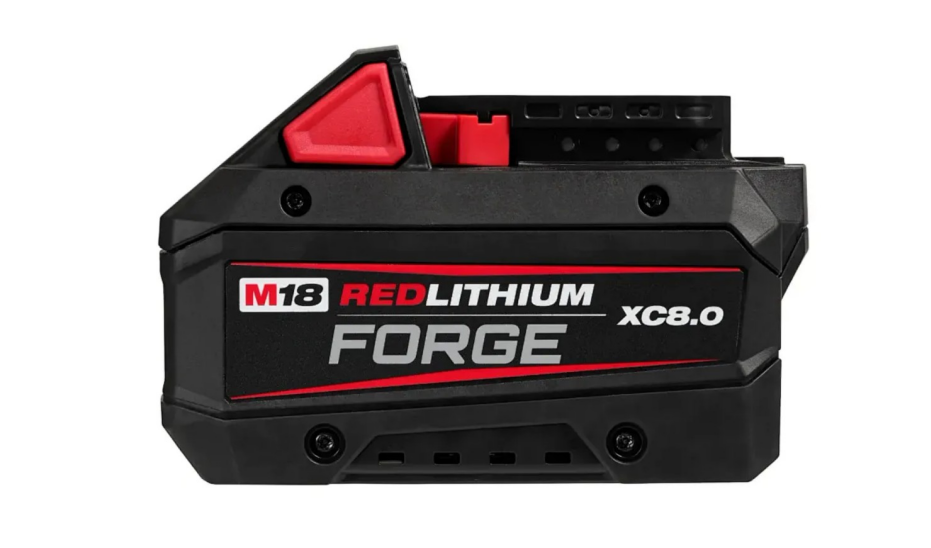
Yes, and the indicator light is often more useful than people realize. Different charger lights can point to different conditions, and with Milwaukee M18 batteries, the charger is often trying to tell you exactly what it sees. A blinking light, a solid light, or no light at all can mean different things depending on the model, but the pattern usually gives you a clue.
If the charger light never comes on, start with the basics: power source, outlet, plug, and charger condition. If the light flashes in a repeating pattern, the charger may be detecting a temperature issue, a communication issue, or a battery fault. If Milwaukee M18 batteries charge normally sometimes and fail other times, the light pattern can help separate a temporary condition from a permanent one.
It is worth keeping the manual nearby or checking the charger’s guide, because the same blink pattern can mean different things across charger versions. Even so, the light is still a useful first diagnostic tool. If the charger seems to reject multiple milwaukee m18 batteries, the charger may be the problem. If only one battery causes the error, the pack itself is the likely issue.
The light also helps you catch intermittent problems. A battery that connects but never progresses beyond the initial stage may have a contact issue or a weak internal cell. Milwaukee M18 batteries that charge slowly or stop halfway often leave a clue in the charger display. It is worth paying attention to those small signals instead of just plugging the pack in and walking away.
A lot of frustration comes from guessing. The charger light reduces that guessing. Once you know what the pattern means, milwaukee m18 batteries become much easier to troubleshoot with confidence instead of trial and error.
How do you know if the battery has entered deep discharge?
Deep discharge is one of the most frustrating situations because the battery may look completely lifeless even though it is not necessarily destroyed. Milwaukee M18 batteries have protection systems that can shut the pack down when voltage drops too low. That protects the cells from further damage, but it can also make the battery look dead on the charger. In some cases, the battery is not finished; it is just asleep in a protective state.
This usually happens after the pack has sat unused for a long time, or after it was drained very low and left that way. Milwaukee M18 batteries in deep discharge may not respond the way you expect right away. The charger may not recognize them at first, or the charging light may act as if the battery is absent. That does not always mean the pack is gone.
The key is patience and proper handling. Sometimes a battery can recover if it is placed on a compatible charger and left under the right conditions for a while. In other cases, the protection circuit may not allow recovery if the cells have dropped too far. Milwaukee M18 batteries that have entered deep discharge may need extra time, but they should never be forced or “jump-started” with improvised methods.
A good clue is how the battery behaved before it stopped charging. If it had been sitting for months, or if it was used until the tool nearly died, deep discharge becomes more likely. If it was working normally one day and then suddenly failed after a storage period, that also points in the same direction. Milwaukee M18 batteries are generally resilient, but they still need a healthy voltage floor to come back properly.
If you suspect deep discharge, do not assume the pack is immediately defective. Look at the storage history, charging history, and charger behavior together. That combination often tells the story much better than one symptom alone.
What role do storage habits play in charging problems?
Storage is one of those details people ignore until it causes a problem. Milwaukee M18 batteries last longer and charge more reliably when they are stored properly. If a pack sits empty for too long, or if it is left in a hot, damp, or freezing place, the cells can degrade faster than expected. Good storage habits are one of the simplest ways to avoid charging trouble later.
A battery does not like extremes. A garage shelf in full summer heat or a winter truck bed can shorten battery life. Milwaukee M18 batteries stored in those conditions may still work for a while, but the aging process speeds up. Moisture is another issue. Even if water does not enter the pack directly, damp storage areas can affect the contacts and housing over time.
The best storage practice is simple:
- Store milwaukee m18 batteries in a cool, dry place.
- Avoid leaving them fully drained for long periods.
- Do not keep them sitting on the charger indefinitely unless the manufacturer says it is fine.
- Check them periodically if they are in long-term storage.
- Keep them away from direct sun, freezing air, and moisture.
Those habits sound basic, but they make a real difference. A pack that is treated carefully between jobs is much more likely to charge normally when you need it. Milwaukee M18 batteries are built for work, but they still depend on proper care when they are not in use.
If you only pull a battery out once in a while, storage discipline matters even more. A pack that sits for months without attention can surprise you with charging issues when you finally need it. That is why many charging complaints start long before the charger is even plugged in. The battery had already been affected by how it was stored.
Could the issue be with the tool instead of the battery?
Yes, and this gets overlooked a lot. Sometimes Milwaukee M18 batteries are not the real problem at all. The issue may be with the tool, the terminal connection inside the tool, or a problem that is making the battery seem weak when it is actually the load side that is failing. If a tool draws power unevenly or has internal damage, it can make a healthy battery appear faulty.
A good test is to try the battery in another compatible tool. If Milwaukee M18 batteries work fine in one tool but fail in another, the battery may not be the issue. The same is true in reverse: if multiple batteries behave badly in one tool, the tool may be the source of the problem. This is why cross-testing is so valuable. It helps you avoid replacing a battery that was never the real culprit.
Tool-side problems can include dirty terminals, internal shorts, worn switches, or motor issues that put unusual strain on the battery. Milwaukee M18 batteries may also appear to charge badly if they were recently drained by a tool that was pulling more current than normal. That can make the pack feel weak or uncooperative when, in reality, it was simply stressed.
This is especially common with older tools. A tool that has become rougher, louder, or less efficient can put extra strain on milwaukee m18 batteries. The battery may still be fine, but the tool is making the system behave badly. If you only test the pack in one tool, you may miss the bigger picture.
When charging issues seem inconsistent, always test the whole setup. Charger, battery, and tool all matter. That is often the fastest way to identify whether milwaukee m18 batteries are truly failing or whether the problem lives somewhere else.
When should you stop troubleshooting and replace the pack?
There comes a point when more testing does not save you money or time. If Milwaukee M18 batteries have already been checked on a known-good charger, cleaned, warmed or cooled to the right range, and tested in different tools, but still refuse to charge properly, replacement may be the practical answer. That is especially true if the battery is old, physically damaged, or no longer holds enough runtime to be useful.
Replacement becomes the smart move when the battery is no longer reliable in daily work. If Milwaukee M18 batteries charge only partially, die too fast, or fail unpredictably, you may spend more time fighting the pack than using it. At that stage, the problem is no longer whether the battery can technically do something. It is whether it can still do the job you need.
There are a few signs that usually point toward replacement:
- The pack charges inconsistently even after cleaning and testing.
- Runtime has dropped sharply compared to normal.
- The battery gets unusually hot during charging or use.
- Physical damage is visible on the housing or terminals.
- The charger still rejects the pack after everything else checks out.
Milwaukee M18 batteries do not last forever, and that is normal. Rechargeable batteries are consumable parts. The goal is not to make them immortal; it is to get a fair, useful lifespan from them. Once that lifespan is over, replacing the pack is often cheaper and less frustrating than trying to keep a worn battery alive.
If the battery is under warranty, check that first. If it is not, compare the price of replacement with the time and trouble you are already spending. Sometimes the answer is obvious once you look at the whole picture.
How can you keep Milwaukee M18 batteries charging better in the future?
The best way to avoid future charging headaches is to make small habits part of your routine. Milwaukee M18 batteries respond well to consistent care. You do not need to baby them, but you do need to avoid the patterns that wear them down early. Good charging habits are usually simple, practical, and easy to keep.
Start with temperature. Do not charge a hot battery straight off a hard job if you can avoid it, and do not leave milwaukee m18 batteries in freezing conditions for long periods. Keep them in a cool, dry space when not in use. That alone helps a lot. Then pay attention to the charger. Use the right charger, keep it clean, and avoid damaged cords or loose outlets.
A few habits make a big difference over time:
- Let milwaukee m18 batteries cool before charging after heavy use.
- Clean the contacts regularly.
- Store the pack partially charged if it will sit unused for a long time.
- Rotate batteries so one pack is not always doing all the work.
- Avoid leaving packs in vehicles or damp jobsite corners.
- Test questionable batteries early instead of waiting for a failure.
It also helps to label older packs. If you own several milwaukee m18 batteries, you may notice that some are stronger than others. Marking them by age or condition helps you keep track of which ones are best for demanding tasks and which ones are better for lighter work. That kind of simple organization can extend the useful life of the whole set.
The real trick is consistency. A battery that is charged properly, stored properly, and used within reasonable limits usually lasts longer and causes fewer surprises. Milwaukee M18 batteries are built for tough work, but they still reward sensible handling.
If your pack is not charging today, the fix may be as simple as a cleaning, a temperature wait, or a charger swap. If it is truly at the end of life, at least you will know why. Either way, milwaukee m18 batteries are much easier to manage once you understand what they are trying to tell you.