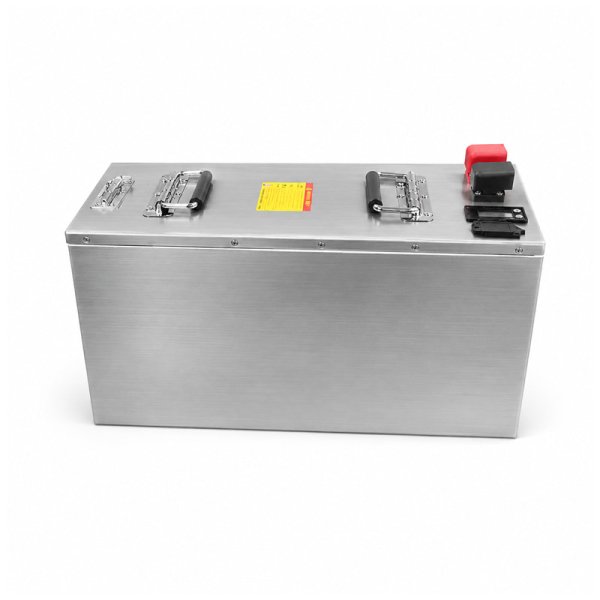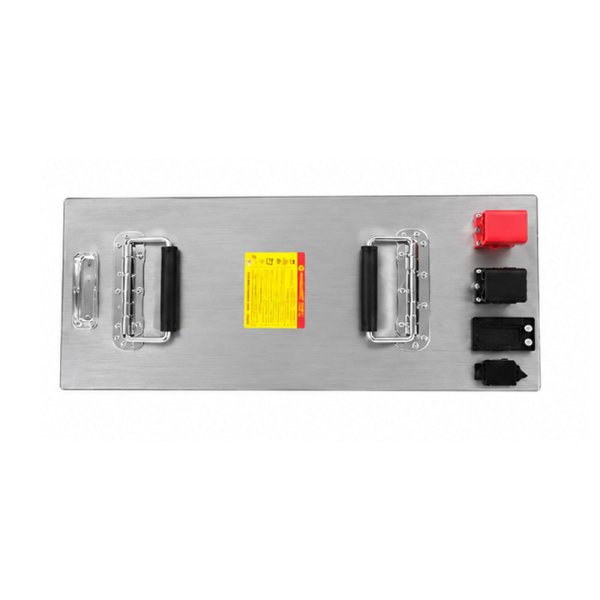
When shopping for lithium batteries, you’ll almost always see the abbreviation Ah on the label—whether you’re picking one for a portable charger, RV, or solar energy system. If you’ve ever paused and wondered, what does ah mean on a battery, you’re not alone. This small abbreviation holds the key to how long your battery will power your devices, how reliable it will be, and whether it’s the right fit for your needs. In this comprehensive guide, we’ll break down the meaning of Ah, explain why understanding it is non-negotiable, and help you make confident choices when selecting a lithium battery.
What Does Ah Mean on a Battery, Exactly?
First things first: Ah stands for amp-hour, a unit of measurement that quantifies a battery’s ability to store and deliver electrical energy. For anyone asking what does ah mean on a battery, the simplest answer is this: it tells you how much electrical current (measured in amps) a battery can supply continuously over a specific period (measured in hours). This is a practical metric that directly translates to real-world usage, not just a technical detail—and it’s impossible to choose the right battery without clarity on what does ah mean on a battery.
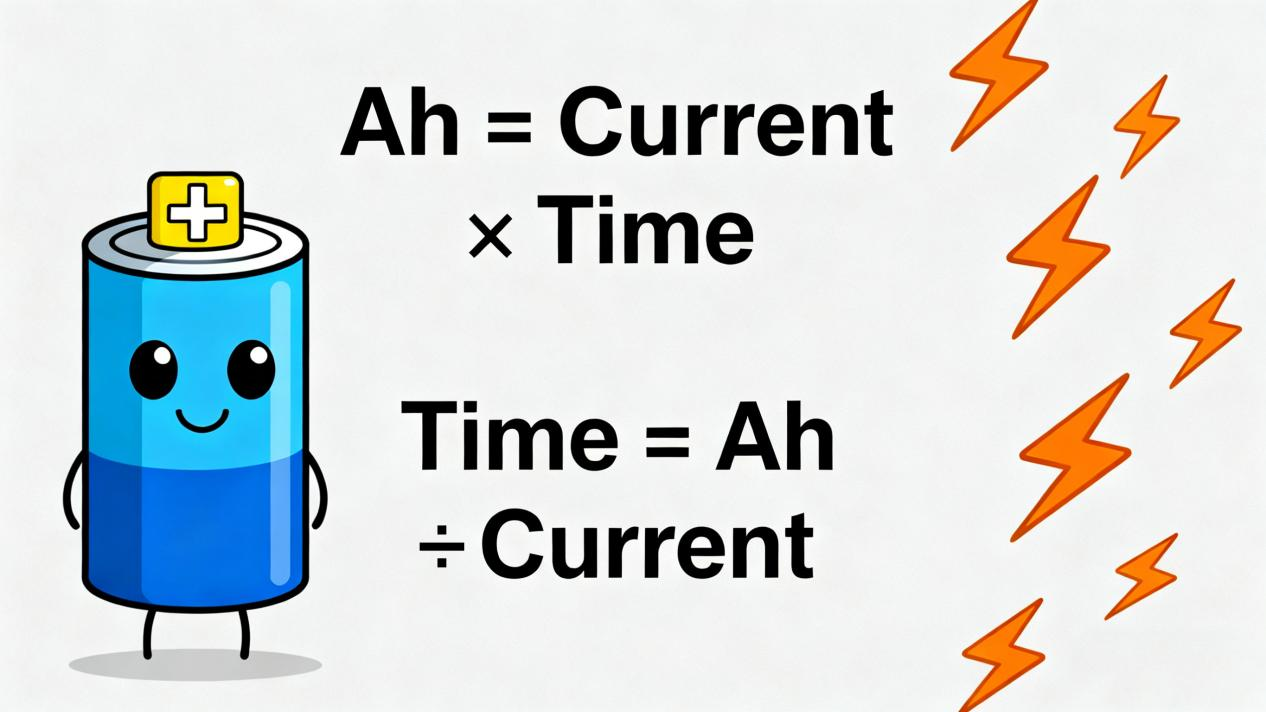
A core formula governs Ah calculations: Ah = Current (Amps) × Time (Hours), which can be rearranged to estimate device runtime as Time (Hours) = Ah ÷ Current (Amps). For example, a 100Ah lithium battery can supply 1 amp of current for 100 hours, 10 amps for 10 hours, or 20 amps for 5 hours. This formula is critical for matching batteries to devices, which is why answering what does ah mean on a battery is so valuable for everyday use.
A key distinction for lithium batteries: traditional lead-acid batteries only deliver about 50 percent of their rated Ah capacity in real-world use because voltage loss happens rapidly, while lithium batteries can safely deliver 80 percent to 90 percent of their rated Ah. A 100Ah lithium battery thus acts like an 80 to 90Ah battery in practice, whereas a 100Ah lead-acid battery performs like a 50Ah unit. This efficiency gap makes lithium batteries the top choice for everything from small electronics to heavy-duty power systems—and it all ties back to understanding Ah. For more details on battery capacity differences, refer to Battery University’s guide to amp-hour ratings.
Why Knowing What Does Ah Mean on a Battery Matters
1.Dictates runtime:A camping fridge drawing 4 amps of current will run for roughly 10 hours with a 50Ah lithium battery, but only 4 hours with a 20Ah battery—far too short for an overnight trip. Knowing Ah lets you match capacity to device needs.
2.Impacts high-load performance:Devices like trolling motors or power tools draw more current under heavy use. A low-Ah battery may struggle, causing devices to slow or shut off. Lithium batteries with a suitable Ah rating maintain steady voltage thanks to low internal resistance, a game-changer for work or recreation.
3.Affects long-term value:A battery with too low an Ah rating requires frequent recharging, shortening its lifespan. A battery with excess Ah wastes money and adds unnecessary weight. Getting Ah right balances performance and cost.
Lithium Battery Ah Ratings: Which Is Right for You?
Ah Rating Range | Typical Applications | Core Advantages | Key Considerations | Approximate Weight |
|---|---|---|---|---|
| 1Ah to 50Ah (small capacity) | Portable electronics (phones, tablets, handheld tools), portable fish finders, mobility scooters, wheelchairs, small LED lights | Lightweight, compact, easy to carry, fast-charging, low-cost | Not suitable for high-power devices; limited runtime for energy-hungry gear | 0.5–5 lbs |
| 50Ah to 100Ah (medium capacity) | Trolling motors, camping fridges, home backup (small appliances), mid-sized marine electronics, RV auxiliary power (lights, fans) | Balances capacity and portability; handles moderate loads; ideal for weekend trips or short outages | Too heavy for ultra-portable use; insufficient for large RVs or extended off-grid stays | 10–20 lbs |
| 100Ah to 500Ah+ (large capacity) | Full-size RVs with microwaves, solar storage systems, long-distance boats, industrial equipment, whole-home backup, off-grid cabins | Long runtime; powers multiple high-demand devices; suited for extended off-grid use | Heavy and bulky; requires extra installation space; higher upfront cost | 25–60 lbs+
|
Is a Higher Ah Rating Always Better?
After learning what does ah mean on a battery, it’s tempting to prioritize higher Ah ratings—but this is a costly misconception. A 200Ah battery will outlast a 100Ah unit for the same device, but it comes with meaningful tradeoffs:
1.Weight and size:A 200Ah lithium battery can weigh 30 lbs or more, while a 20Ah battery may weigh just 2 lbs. Extra weight burdens handheld tools or small mobility scooters, and large-Ah batteries may not fit in RVs or boats with limited storage.
2.Charging time:Larger Ah batteries take longer to recharge. A 500Ah battery can take 8+ hours to fully charge even with fast charging, while a 50Ah battery takes just 2 hours. Smaller Ah batteries are better for quick turnaround.
3.Cost:Higher Ah batteries have higher upfront costs. Spending extra on a large-Ah battery for a small device is a waste—always match Ah to your actual needs.
Beyond Ah: Other Key Lithium Battery Features
While understanding what does ah mean on a battery is critical, four other features impact performance and longevity:
1.Depth of Discharge (DoD):Lithium batteries have a DoD of 80–90 percent, so you can use most of their capacity safely, while lead-acid batteries cap at 50 percent. Even with the same Ah rating, lithium batteries offer more usable capacity. For a deeper dive into DoD, see our article Lithium Battery Depth of Discharge: How to Maximize Capacity.
2.Cycle Life:Lithium batteries support 1000–5000+ charge cycles before capacity drops to 80 percent of its original rating, compared to 300–500 cycles for lead-acid batteries. A high-Ah lithium battery with long cycle life can last 5–10 years, making it a smart long-term investment.
3.Safety Features:Prioritize batteries with a built-in Battery Management System, which prevents overcharging, over-discharging, short-circuiting, and overheating. Thermal management systems also help for extreme-temperature use. Follow OSHA’s lithium battery safety guidelines for proper handling.
4.Fast-Charging Capability:Many lithium batteries recharge to 80 percent capacity in 1–2 hours, a must for frequently used gear like power tools or camping equipment where downtime is costly.
Mastering Ah for Better Battery Choices
What does ah mean on a battery is more than a technical question—it’s the key to maximizing your lithium battery’s value. By recognizing that Ah measures a battery’s capacity to deliver current over time, you can match batteries to your devices, avoid frustration, and get the best return on investment.
Whether buying a small battery for your phone or a large one for your RV, start by checking your device’s current draw and desired runtime. Use the Time = Ah ÷ Current formula to estimate the right Ah rating, then factor in cycle life and safety features. With this knowledge, the Ah label will never confuse you again.
Don’t let technical jargon hold you back—mastering Ah lets you choose lithium batteries that fit your lifestyle, power your devices reliably, and stand the test of time.